

 United Kingdom (UK)
 United States (US)
 Canada
 South Africa
 India
India Australia
 New Zealand
 China
China Russia
 Germany
 France
 Spain
Spain Netherlands
 Vietnam
 United Arab Emirates
 Italy
Italy Poland
 Thailand
 Türkiye








 Algeria


The cost of living in France for an English teacher is roughly €1,000 to €1,400 a month outside Paris, rent included, and €1,500 to €2,100 in Paris. Rent decides almost everything: a room in a shared flat costs around €400 to €550 in most regional cities and €650 to €900 in the capital. The TAPIF assistant stipend of about €810 net covers a modest regional budget, not a Parisian one.
Key takeaways
- A studio typically costs €550 to €850 a month in Lyon, Toulouse, Bordeaux or Nantes and €900 to €1,400 in Paris
- Housing aid from the CAF, France’s family allowance office, is open to many tenants on modest incomes, including language assistants
- French law caps the deposit at one month’s rent for an unfurnished flat and two months for a furnished one
- Employers reimburse half the cost of a public transport pass, so a Paris Navigo pass of around €90 costs an employee about €45
- France’s minimum wage is €1,867.02 gross a month from 1 June 2026, so a full time teaching contract should never pay less
- All figures are approximate typical ranges, not quotes, unless an official source is given
What does a month in France cost an English teacher?
Outside housing, a single teacher living modestly will usually spend around €550 to €850 a month. Rent then sits on top, and in France the gap between Paris and everywhere else is larger than in almost any other European country.
| Category | Typical monthly cost | Notes |
|---|---|---|
| Utilities | €60 to €150 | Electric heating in older flats raises winter bills |
| Internet and mobile | €25 to €50 | French mobile plans are among the cheapest in Europe |
| Home insurance | €8 to €20 | Required for tenants |
| Groceries | €250 to €350 | Markets and discount supermarkets keep this down |
| Public transport | €20 to €45 after employer refund | Half the pass is reimbursed for employees |
| Health top-up insurance | €20 to €50 | A mutuelle covers what the state does not |
| Eating out and social | €120 to €250 | Lunch menus are the best value meal out |
How much is rent in Paris and other French cities?
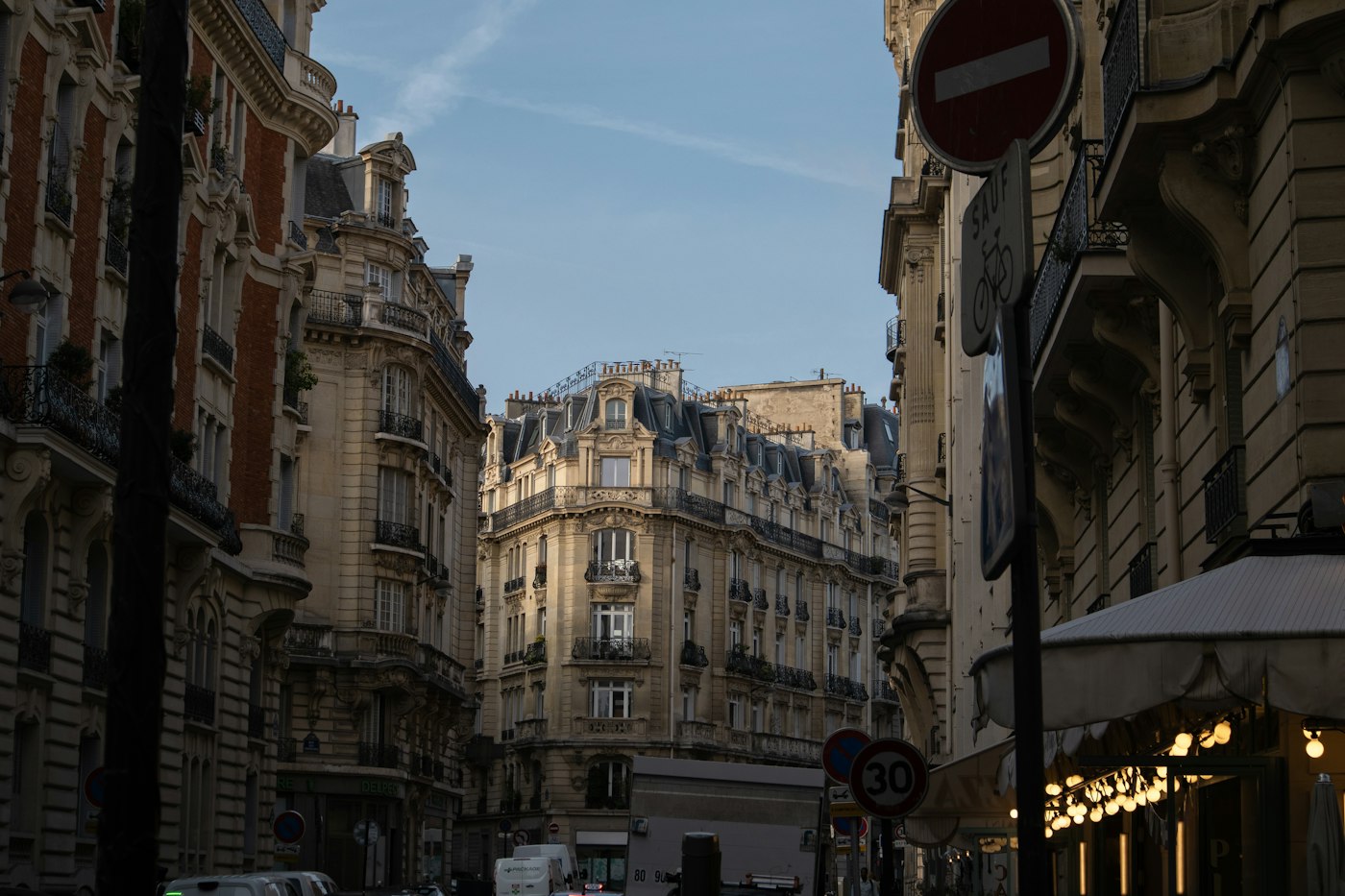
Paris costs roughly half as much again as the big regional cities for the same space, and the difference is what decides whether a teaching income feels comfortable.
Most new teachers and almost all assistants live in a colocation, a shared flat, for their first year. In Paris, a chambre de bonne, a small top floor room in an older building, is a cheaper alternative, though space and facilities vary widely. Outside the capital, the university cities have a steady supply of shared flats and small studios, many rented furnished.
| City | Room in a shared flat | Studio |
|---|---|---|
| Paris | €650 to €900 | €900 to €1,400 |
| Lyon and Bordeaux | €450 to €600 | €600 to €850 |
| Toulouse, Nantes, Lille and Montpellier | €400 to €550 | €550 to €750 |
| Smaller towns | €300 to €450 | €400 to €600 |
What do you need to rent a flat in France?
More paperwork than most newcomers expect. French landlords usually ask for a dossier: your passport, your work contract or assistant appointment letter, recent payslips or proof of income, and a guarantor, known as a garant, who will cover the rent if you cannot.
A guarantor is the hurdle foreign teachers struggle with most, because landlords often want a guarantor living in France. The answer for many is Visale, a free rental guarantee run by Action Logement, which is open to young people and many new employees and is widely accepted by landlords. Apply before you start viewing, so you can show the certificate with your dossier.
The deposit, the dépôt de garantie, is capped by law at one month’s rent excluding charges for an unfurnished flat and two months for a furnished one. Agency fees are also capped. Plan to arrive with roughly €1,500 to €2,500 to cover a deposit, the first month’s rent and living costs until your first payment, more if you are moving to Paris.
Can teachers get housing help from the CAF?
Often, yes. The Caisse d’allocations familiales pays housing assistance to tenants on modest incomes, and many language assistants and new teachers qualify.
The amount depends on your income, rent, city and household, so it varies from person to person. It can make a real difference to a tight budget, especially on the assistant stipend. You apply online once you have a lease and a French bank account, and payments are not backdated far, so apply as soon as you move in. Use the simulator on the CAF website to estimate what you might receive before you commit to a flat.
How much does food cost in France?

Less than many visitors assume, provided you cook. A single teacher will typically spend €250 to €350 a month on groceries, shopping at discount supermarkets and the weekly markets that almost every French town holds.
Bread, cheese, wine, seasonal fruit and vegetables are good value. Imported goods and ready meals are not. Eating out is where budgets slip: a coffee at the counter costs a couple of euros, but a coffee at a terrace table in Paris can cost twice that. The best value restaurant meal in France is the lunch menu, a fixed price two or three course formule that many restaurants offer on weekdays at a fraction of the evening price.
Teaching English in Paris Part-Time
Every TEFL opening, salary and deadline that matters.
In your inbox every two weeks. Free, no spam, unsubscribe any time.
Teacher pay by country
New TEFL openings
Programme and visa dates
What does transport and healthcare cost?
Both are cheaper than they look, because of rules that work in the employee’s favour.
French employers must reimburse half the cost of a public transport season ticket used to travel to work. A monthly Navigo pass covering the whole Paris region costs around €90, so an employee pays about €45. Regional city passes are cheaper again, and many cities offer reduced fares for under 26s.
Healthcare is covered by Assurance Maladie, the state system, once you are registered through your job. A standard GP appointment costs €30, most of which is reimbursed, and a mutuelle, a top-up insurance policy, covers most of the remainder. Some employers contribute to a mutuelle for their staff, so ask at interview.
Worked monthly budgets for teachers in France
The figures below compare three realistic situations. Income is approximate and net, and housing aid is shown as an illustrative figure because it varies by person.
| Line | Assistant, Toulouse | Assistant, Paris | Language school teacher, Lyon |
|---|---|---|---|
| Net income | 810 | 810 | 1,500 |
| Housing aid (illustrative) | 150 | 150 | 0 |
| Rent, room in shared flat | 480 | 750 | 530 |
| Bills, phone and insurance | 80 | 80 | 90 |
| Groceries | 280 | 300 | 300 |
| Transport after refund | 25 | 45 | 35 |
| Health top-up, social and incidentals | 150 | 180 | 250 |
| Left at month end | About minus 55 | About minus 395 | About plus 295 |
The pattern is clear. An assistant in a regional city roughly breaks even, and four private lessons a week at around €25 turn that into a comfortable month. An assistant in Paris needs savings or regular private students from the first month. A full time language school teacher in a regional city can live well and save a little, which is why many assistants stay on after their contract.
So is a teaching income enough to live on in France?
Yes, in most of the country, with planning. The assistant stipend is designed for a modest, student style life, and it works best outside Paris, in a shared flat, with housing aid and a few private students. A full time teaching contract must pay at least the national minimum wage, which the French government sets at €1,867.02 gross a month from 1 June 2026, and on that a regional teacher can live comfortably.
For eligibility and pay on the assistant programme, read TAPIF explained. For the whole French market, start with our guide to teaching English in France, compare cities in the best cities to teach English in France, and see how France compares with Spain in our guide to the cost of living in Spain for English teachers.
Ready to teach English in France?
Every budget above starts with a role, and the role starts with training a French employer can trust. Our 120 Hour Advanced TEFL Course meets the standard language school requirement, and the Ofqual-regulated Level 5 TEFL course is a regulated qualification you can verify on the Ofqual register. The TEFL Institute Group has certified 161,000 teachers since 2017 in 80 countries, and our employability team helps graduates find their first post. Compare pay across markets on the TEFL Salary Index.
Cost of living series: Spain · Germany · Poland · Greece · Morocco · Mexico · Colombia

Olivia Klimczyk
Marketing Executive at The TEFL Institute Group and the creative heart of our social media. A marketing graduate, Olivia keeps students up to date through newsletters, blogs and reels.
Reviewed 1 October 2026. Rents and living costs are approximate typical ranges from listings and teacher reports, not quotes, and vary by city and landlord. Housing aid figures are illustrative only. The minimum wage figure is from the French government and the assistant stipend from the official TAPIF page.

Tara and Jess talk through different TEFL and EFL topics, from finding work abroad to life in the classroom.
FAQs
Questions students ask us
Most English teachers in France spend roughly €1,000 to €1,400 a month outside Paris, rent included, and around €1,500 to €2,100 in Paris. A room in a shared flat is the biggest saving, at around €400 to €550 in regional cities and €650 to €900 in Paris.
Usually in regional cities, yes, especially in a shared flat with CAF housing aid. The stipend is about €810 net a month. In Paris it rarely covers rent and living costs alone, so assistants there typically need savings or regular private lessons.
A studio typically costs around €900 to €1,400 a month in Paris and €550 to €850 in cities such as Lyon, Toulouse, Bordeaux and Nantes. A room in a shared flat costs about €650 to €900 in Paris and €400 to €600 in most regional cities.
Often, yes. The CAF pays housing assistance to tenants on modest incomes, and many language assistants and new teachers qualify. The amount depends on income, rent and location, so use the CAF simulator to estimate it and apply as soon as you sign a lease.
French law caps the deposit at one month’s rent excluding charges for an unfurnished flat and two months for a furnished one. Landlords also usually ask for a guarantor, and many foreign teachers use Visale, a free rental guarantee from Action Logement.
Plan to arrive with roughly €1,500 to €2,500, more for Paris. That covers a deposit, the first month’s rent and living costs until your first payment, which for assistants and many new teachers arrives at the end of the first month or later.
