

 United Kingdom (UK)
 United States (US)
 Canada
 South Africa
 India
India Australia
 New Zealand
 China
China Russia
 Germany
 France
 Spain
Spain Netherlands
 Vietnam
 United Arab Emirates
 Italy
Italy Poland
 Thailand
 Türkiye








 Algeria


The cost of living in Germany for an English teacher is roughly €1,300 to €1,700 a month in cities such as Leipzig or Dresden and €1,600 to €2,300 in Berlin, Hamburg or Munich, rent included. Rent and health insurance are the two big lines, and freelance teachers must also budget for compulsory pension contributions that catch many newcomers out.
Key takeaways
- A room in a shared flat, a WG, typically costs €600 to €850 a month in Berlin and €700 to €950 in Munich, but only €380 to €520 in Leipzig or Dresden
- Germany’s minimum wage is €13.90 an hour from 1 January 2026, which is roughly €2,400 gross a month full time
- The Deutschlandticket, valid on local transport across the whole country, costs €63 a month in 2026
- Every household pays the broadcasting fee, the Rundfunkbeitrag, of €18.36 a month
- Health insurance is compulsory, and freelance teachers pay the full contribution themselves
- Self employed teachers are generally required to pay into the state pension scheme, which can take a large share of freelance income
What does a month in Germany cost an English teacher?
Excluding rent, a single teacher living modestly will usually spend €650 to €950 a month, or more if you are freelance and paying your own health insurance. Rent then sits on top, and it varies more between German cities than most people expect.
| Category | Typical monthly cost | Notes |
|---|---|---|
| Deutschlandticket | €63 | 2026 price, all local transport nationwide |
| Broadcasting fee | €18.36 per household | Split between flatmates in a WG |
| Internet and mobile | €30 to €55 | Often shared in a WG |
| Groceries | €250 to €350 | Discount supermarkets set the price level |
| Personal liability insurance | €4 to €8 | Not compulsory, but expected by many landlords |
| Eating out and social | €150 to €300 | Lunch specials are the best value |
| Incidentals | €80 to €150 | Pharmacy, household, the odd train ticket |
How much is rent in Berlin, Munich and other German cities?
Rent is the line that decides everything, and the gap between Munich and Leipzig is as large as the gap between London and a small English city.
German listings quote two figures. Kaltmiete, cold rent, is the bare rent. Warmmiete, warm rent, adds the Nebenkosten, the service charges for heating, water, rubbish and building costs. Always compare warm rents, because the service charges commonly add €150 to €300 a month to a small flat. The figures below are warm rents.
| City | Room in a WG | One bedroom flat |
|---|---|---|
| Munich | €700 to €950 | €1,300 to €1,800 |
| Berlin | €600 to €850 | €1,100 to €1,600 |
| Hamburg and Frankfurt | €600 to €800 | €1,000 to €1,400 |
| Cologne and Düsseldorf | €550 to €750 | €900 to €1,300 |
| Leipzig and Dresden | €380 to €520 | €600 to €850 |
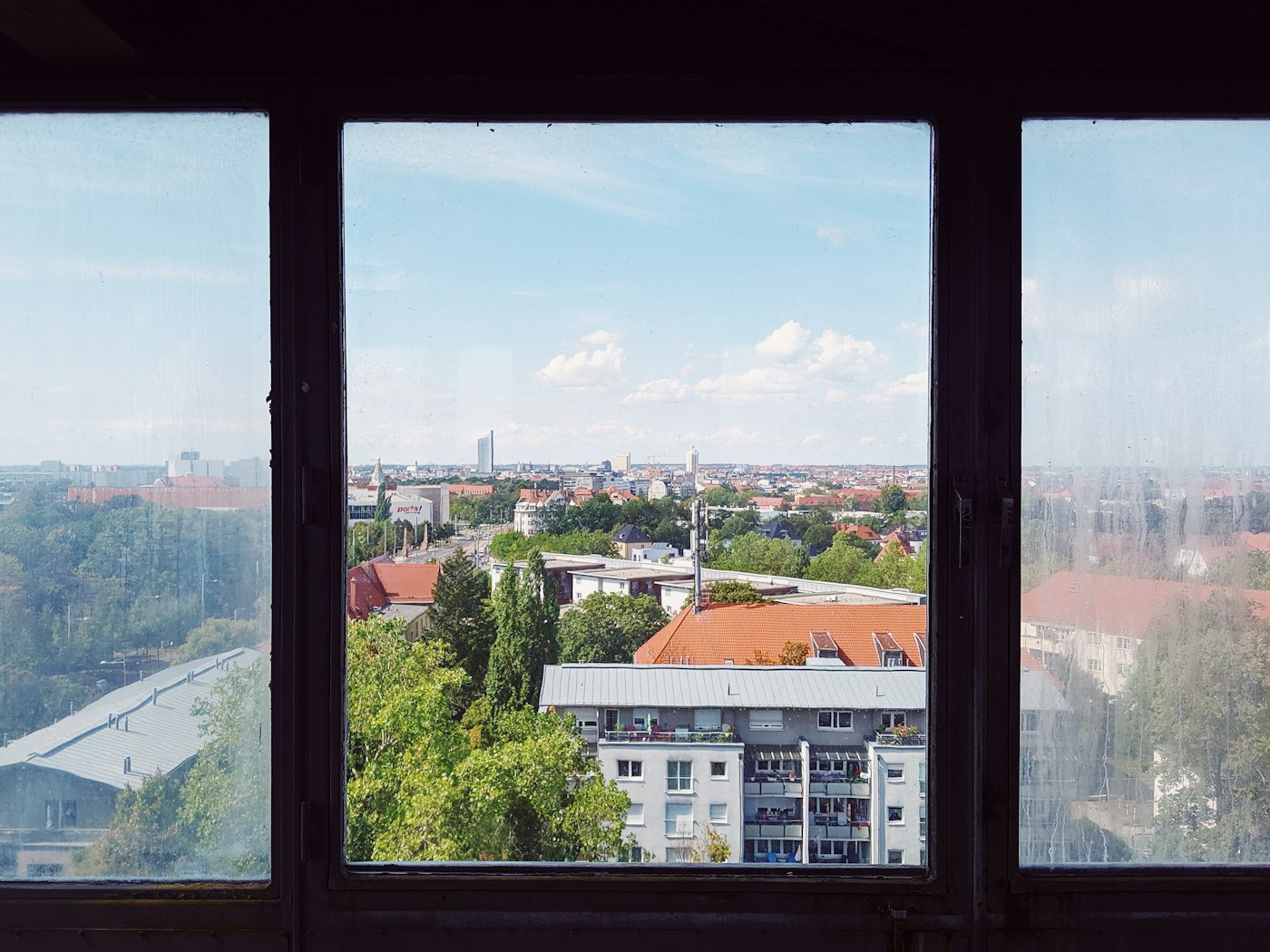
In Berlin and Munich the problem is often not the price but finding anything at all. Popular flats attract dozens of applicants, and newcomers frequently start in a sublet, a Zwischenmiete, or a furnished temporary room while they search. Leipzig, Dresden and many mid sized university cities are far easier, and the money saved on rent is often worth more than a slightly higher salary elsewhere.
What do you need to rent a flat in Germany?
A complete application, and patience. Landlords typically ask for your passport, proof of income such as an employment contract or recent invoices, a credit report from SCHUFA, and a confirmation from your previous landlord that you owe no rent.
New arrivals have no German credit history, which is a real hurdle. A strong employment contract, savings and a short, polite cover note in German help. Once you have an address, you must register it at the local citizens’ office within two weeks of moving in. This registration, the Anmeldung, is required for almost everything else, from a bank account to a tax number, so book the appointment as early as you can.
The deposit, the Kaution, is limited by law to three months’ cold rent, and tenants are entitled to pay it in three monthly instalments. Plan to arrive with roughly €3,000 to €4,500 to cover a deposit, the first month’s rent and living costs until your first income, more in Munich.
How much is health insurance for teachers in Germany?
Health insurance is compulsory for everyone living in Germany, and how much you pay depends on whether you are employed or freelance.
Employees in the public system pay a percentage of their salary, with the employer paying roughly half, and it is deducted automatically from pay. Freelance teachers pay the whole contribution themselves. For a freelancer on a typical teaching income, public health insurance commonly costs somewhere around €230 to €400 a month, depending on income and fund. Private insurance can look cheaper at first for young, healthy freelancers, but premiums rise with age and leaving the private system later is difficult, so take advice before choosing it.
Many visa routes require proof of health insurance before you arrive, so arrange travel or incoming insurance for your first weeks and switch to German cover once you register.
Why do freelance teachers need to budget for pension contributions?
Because self employed teachers in Germany are generally subject to compulsory state pension insurance, which most other freelancers are not.
This is the cost most freelance English teachers do not discover until a letter arrives from the Deutsche Rentenversicherung asking for contributions, sometimes backdated. The standard contribution rate is a percentage of your income, so on a modest teaching income it can easily run to several hundred euros a month. There are reduced rates for new businesses and some exemptions, but the rules are complex. If you go freelance, register with the pension authority from the start, ask about reduced contributions for your first years, and set aside money every month. A teacher who budgets for it from day one is fine. A teacher who ignores it can face a large bill.
Teaching English in Germany vs France
Every TEFL opening, salary and deadline that matters.
In your inbox every two weeks. Free, no spam, unsubscribe any time.
Teacher pay by country
New TEFL openings
Programme and visa dates
What does food and transport cost in Germany?

Both are good value. Germany’s discount supermarkets keep grocery prices among the lowest in Western Europe, and a single teacher cooking at home typically spends €250 to €350 a month.
Transport is the standout bargain. The Deutschlandticket costs €63 a month in 2026 and covers buses, trams, underground and regional trains across the entire country, not just your city. Many employers subsidise it as a job ticket, and for freelancers who travel to company clients for business English classes it pays for itself in days. Only fast long distance trains cost extra.
Eating out is moderately priced. A lunch special in a neighbourhood restaurant is good value, a döner or a bakery lunch is cheap, and evening meals and drinks in the centre of Munich or Hamburg are where budgets slip.
What do English teachers earn in Germany?
Most English teachers in Germany work freelance, typically earning around €25 to €40 an hour, with business English and in-company training at the top of that range. Employed language school posts usually pay a monthly salary, and must pay at least the national minimum wage, which the German government set at €13.90 an hour from 1 January 2026, rising to €14.60 in 2027.
Freelance rates look higher than employed salaries, but freelancers pay their own health insurance, pension contributions and tax, and are not paid for holidays, cancelled lessons or travel between clients. Compare like with like before choosing between an employed post and a freelance timetable.
Worked monthly budgets for teachers in Germany
The figures below compare a freelance teacher in Berlin with an employed language school teacher in Leipzig. Income and deductions are approximate and for illustration only.
| Line | Freelance, Berlin, WG room | Employed, Leipzig, own flat |
|---|---|---|
| Gross income | 2,800 (about 22 hours a week at €30) | 2,600 salary |
| Health, pension and tax | About 1,000 paid yourself | About 800 deducted from pay |
| Income after deductions | About 1,800 | About 1,800 |
| Warm rent | 700 | 750 |
| Broadcasting fee, internet and mobile | 35 | 60 |
| Groceries | 300 | 300 |
| Deutschlandticket | 63 | 63 |
| Social, insurance and incidentals | 350 | 350 |
| Left at month end | About plus 350 | About plus 275 |
Both teachers can live and save a little, but the freelancer’s position depends on keeping 22 paid hours a week through holidays and cancellations, and on having budgeted correctly for health and pension contributions. The employed teacher has less flexibility but far more certainty, plus paid holiday and sick pay. A freelancer in Munich on the same income, paying Munich rent, would have little or nothing left.
So is a teaching income enough to live on in Germany?
Yes, if you choose your city and contract carefully. Germany pays English teachers better than most of Southern and Central Europe, but its rents in the big cities and its insurance and pension rules mean the net position is closer to other countries than the hourly rates suggest. Teachers do best in mid sized cities, on an employment contract or with a well planned freelance timetable, sharing a flat for their first year.
To compare, see our breakdowns of the cost of living in Poland for English teachers and the cost of living in France for English teachers. For cities and pay, read our guide to teaching English in Germany’s top cities, and for the full picture start with our country guide to teaching English in Germany.
Ready to teach English in Germany?
German employers and business clients expect professional, well trained teachers, and they check qualifications. Our 120 Hour Advanced TEFL Course meets the standard language school requirement, and the Ofqual-regulated Level 5 TEFL course is a regulated qualification you can verify on the Ofqual register, which matters in a market built on business English. If you hold a non EU passport, read teaching English in Europe as a non EU citizen, check the Visa Desk, and compare pay on the TEFL Salary Index.
Cost of living series: Spain · France · Poland · Greece · Morocco · Mexico · Colombia

Katie Troy
Managing Director of The TEFL Institute Group. With the team since 2018, Katie is a qualified teacher with a degree in education and years of experience teaching abroad, and works closely with our academic team.
Reviewed 1 October 2026. Rents, living costs, insurance and deductions are approximate typical figures, not quotes or tax advice, and vary by city, fund and personal circumstances. The minimum wage figure is from the German federal government. Freelance teachers should take advice on health insurance and pension obligations.
Tara and Jess talk through different TEFL and EFL topics, from finding work abroad to life in the classroom.
FAQs
Questions students ask us
Most English teachers in Germany spend roughly €1,300 to €1,700 a month in cities such as Leipzig or Dresden and €1,600 to €2,300 in Berlin, Hamburg or Munich, rent included. Freelancers should add their own health insurance and pension contributions on top.
A room in a shared flat typically costs €600 to €850 a month in Berlin, €700 to €950 in Munich and €380 to €520 in Leipzig or Dresden, including service charges. A one bedroom flat ranges from about €600 in Leipzig to €1,800 in Munich.
Yes. Self employed teachers in Germany are generally subject to compulsory state pension insurance, unlike most other freelancers. Contributions are a percentage of income and can be several hundred euros a month, so register with the Deutsche Rentenversicherung early and budget for it.
Yes, health insurance is compulsory for everyone living in Germany. Employees share the cost with their employer through payroll. Freelance teachers pay the full contribution themselves, commonly around €230 to €400 a month in the public system depending on income.
The German minimum wage is €13.90 an hour from 1 January 2026, rising to €14.60 in 2027. For a full time job that is roughly €2,400 gross a month, so an employed full time teaching post should pay at least that.
Plan to arrive with roughly €3,000 to €4,500, more for Munich. That covers a deposit of up to three months’ cold rent, the first month’s rent and living costs until your first income, plus health insurance for your first weeks.