

 United Kingdom (UK)
 United States (US)
 Canada
 South Africa
 India
 Australia
 New Zealand
 China
 Russia
 Germany
 France
 Spain
 Netherlands
 Vietnam
 United Arab Emirates
 Italy
 Poland
 Thailand
 Türkiye






 Algeria


Updated for 2027 intakes. Last reviewed: 12 November 2026
Teaching English abroad with all expenses paid is rare in the strict sense. Most jobs and programs cover some costs, such as housing, a flight allowance or a stipend, but few cover everything, and your visa, insurance and first weeks usually stay with you. The safest approach is to ask for each cost in writing and check the offer against the program’s own published terms.
The phrase attracts a lot of marketing. Some offers are genuine government programs, some are standard employer benefits, and some are placement fees dressed up as free travel. This guide separates them, explains what is usually covered in different regions, and gives you the questions that expose a poor offer. It is general guidance, not a ranking of employers.
Key takeaways
- Employers in several regions commonly offer a flight allowance or free housing as part of a contract, but this varies by country, school and contract length.
- Government programs usually pay a stipend or salary and arrange support, but they rarely cover everything. TAPIF, for example, pays a monthly stipend and expects you to fund your first weeks.
- A fee to be placed in a job is a warning sign. Genuine employers pay you, they do not charge you for the interview.
- Always ask what happens to the housing, flight and bonus if you leave early, because many are conditional on finishing the contract.
- Get every benefit in your written contract before you travel, and check visa rules in the Visa Desk.
What does all expenses paid really mean?
It means different things to different employers, and there is no standard definition. A package might cover a one-way or return flight allowance, furnished housing or a housing allowance, health insurance, a salary, and sometimes a completion bonus. It rarely covers visa fees, your certificate, spending money or taxes.
Treat the phrase as a prompt to ask questions, not as an answer. Ask exactly which costs are covered, who pays them upfront, when you are reimbursed, and what you owe if you leave early. If a recruiter cannot answer in writing, the offer is not as complete as it sounds.
Which programs actually fund your stay?
Government programs are the most reliable source of funded placements because their terms are published. The French Embassy’s TAPIF page states a stipend of 1,010.67 euros gross a month, which is a salary-style payment rather than free travel. The Fulbright English Teaching Assistant Program, described on the State Department’s site, is a funded grant placing graduates overseas.
Read each program’s page for what is covered, because grants and stipends differ and change each cycle. Our guide to teach English abroad programs explains how JET, TAPIF and Fulbright compare.
What do private employers usually cover?
It depends on the region and the school. Contracts in parts of East Asia and the Gulf commonly include housing or a housing allowance and a flight allowance, while language institutes in much of Europe and Latin America pay by the hour and leave housing to you. Check our country guides, such as teaching English in Spain, for what is typical.
Benefits are usually tied to finishing the contract. Ask whether the flight allowance is paid on arrival or at the end, whether housing is deducted from salary, and whether a bonus is paid only on completion.
Every TEFL opening, salary and deadline that matters.
In your inbox every two weeks. Free, no spam, unsubscribe any time.
Teacher pay by country
New TEFL openings
Programme and visa dates
How do you spot a bad offer?
Be wary of any offer that asks for money to be placed, promises a guaranteed salary before an interview, avoids naming the school, or pressures you to decide fast. Genuine employers pay their own recruitment costs, they name the school and city, and they put terms in a contract you can read before you travel.
Check the employer independently, ask for a former teacher to speak to, and confirm the visa route with the official source. Our Visa Desk keeps entry rules current.
Do you need a certificate to get a funded placement?
Often yes, or it helps a great deal. Employers that pay for housing and flights are investing in you, so they usually want an accredited certificate of at least 120 hours. A verified online TESOL certification shows you are a lower risk. See our guide to getting a job after a TEFL course for the support that sits behind a qualification.
If you want a more advanced option, compare the certificate with a degree route in our guide to a master’s in TESOL.
Ready to qualify for a funded placement?
The TEFL Institute Group is Europe’s largest TEFL trainer by teachers certified, with 161,000 teachers certified since 2017 who have gone on to teach in 80 countries. Every certificate carries a number an employer can verify.
Last updated: 12 November 2026. Benefits, stipends and visa rules change, and offers differ by employer. Always confirm every benefit in writing and with the official source before you accept. This is general guidance, not immigration advice.

Olivia Klimczyk
Marketing Executive at The TEFL Institute Group and the creative heart of our social media. A marketing graduate, Olivia keeps students up to date through newsletters, blogs and reels.
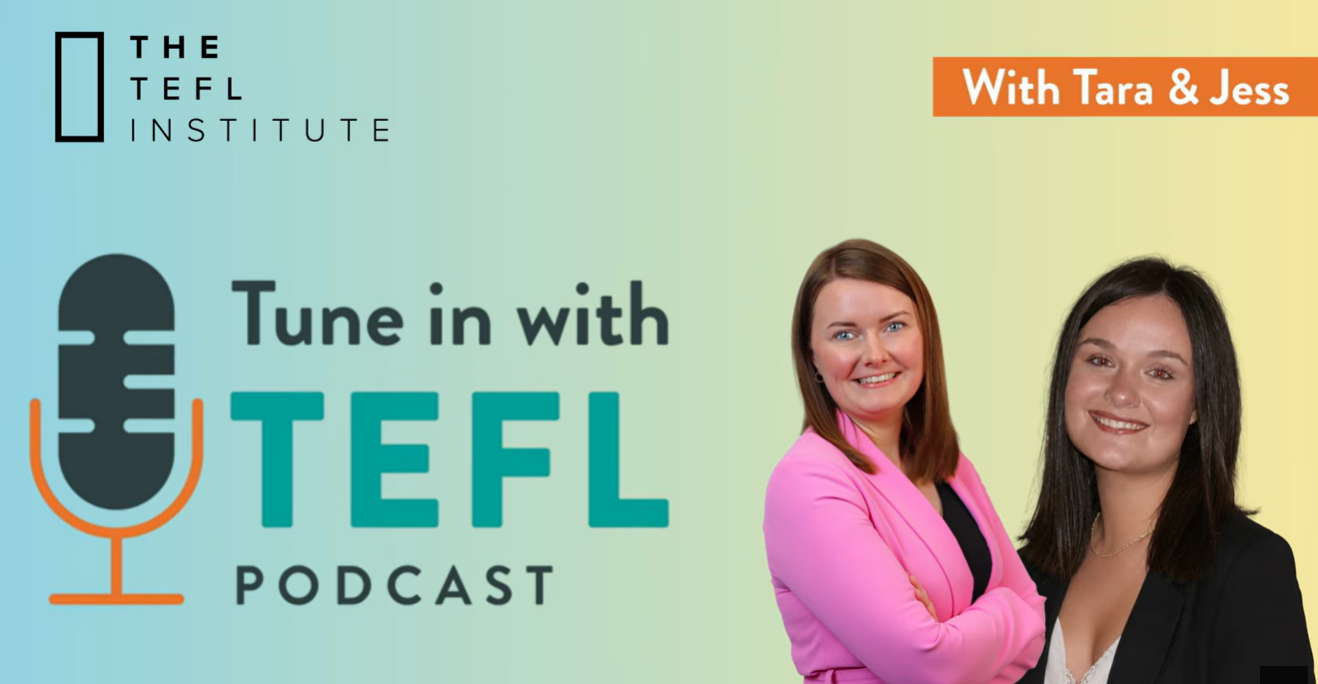
Tara and Jess talk through different TEFL and EFL topics, from finding work abroad to life in the classroom.
FAQs
Questions students ask us
Rarely in the strict sense. Many jobs and programs cover some costs, such as housing, a flight allowance or a stipend, but visa fees, insurance and your first weeks usually stay with you. Ask for every cost in writing.
Government programs such as TAPIF in France and Fulbright English Teaching Assistantships pay a stipend or grant. Their official pages set out what is included, and the terms change each cycle.
Some do, particularly in parts of East Asia and the Gulf, but it varies by country, school and contract length. Benefits are often conditional on finishing the contract, so ask what happens if you leave early.
Be wary of any fee to be placed, a guaranteed salary before an interview, an unnamed school or pressure to decide fast. Genuine employers name the school and city and give you a contract to read before you travel.
Often yes, or it helps. Employers that fund housing and flights usually want an accredited certificate of at least 120 hours, because it lowers their risk.
Visa fees, your certificate, spending money, taxes and often your first weeks before the first payment. Confirm each item in the written contract.
