
 United Kingdom (UK)
 United States (US)
 Canada
 South Africa
 India
India Australia
 New Zealand
 China
China Russia
 Germany
 France
 Spain
Spain Netherlands
 Vietnam
 United Arab Emirates
 Italy
Italy Poland
 Thailand
 Türkiye








 Algeria


Teach English in Georgia
TEFL jobs in Georgia
You can teach English in Georgia, the country in the Caucasus, through the government’s Teach and Learn with Georgia (TLG) programme in public schools, or at private language schools and international schools, mainly in Tbilisi and Batumi. TLG places volunteer teachers with host families and pays a modest monthly stipend in lari, while private schools pay more. Many nationalities can stay visa-free for up to a year, but Georgia has tightened its rules on foreign employment, so check your work permit position before you start.
Teaching English in Georgia at a glance
| Main routes | Teach and Learn with Georgia (TLG) in public schools, private language schools, international schools, private and online students |
| Typical pay | TLG: a modest stipend, reported at about GEL 500 to 750 a month, plus host family housing. Private schools: roughly GEL 1,500 to 2,600 a month |
| Currency | Georgian lari (GEL) |
| TLG intakes | Usually September and February, following the Georgian school year |
| Minimum TEFL hours | 120 hours recommended, and expected by private schools |
| Degree | Preferred by TLG and most private schools |
| Visa | Visa-free stays of up to a year for many nationalities; check current work permit rules |
| Main cities | Tbilisi, Batumi, Kutaisi and towns across the regions through TLG |
What is Teach and Learn with Georgia (TLG)?
TLG is a long-running government programme, run by Georgia’s Ministry of Education, Science and Culture and the National Centre for Teacher Professional Development. It places English speaking volunteers in public schools across the country to co-teach alongside Georgian English teachers, usually with primary age pupils. Volunteers receive a monthly stipend, live with a host family, and get training, a local SIM and support, and the programme has historically covered flights. Teachers usually work up to about 30 hours a week including planning, and are expected to help their host family with English. TLG volunteers are not allowed to take on private tutoring for extra income, so check the current terms with the programme before you apply.
What other English teaching jobs are there in Georgia?
Private language schools. Mostly in Tbilisi and Batumi, teaching children, teenagers and adults, often for exams such as IELTS. They pay more than TLG and usually want a TEFL certificate.
International schools. A small number in Tbilisi, wanting qualified teachers with a teaching licence and experience.
Private and online students. Common for teachers outside TLG, and a good way to build income in a low cost country.
How much do English teachers earn in Georgia?
TLG pays a modest stipend in lari, recently reported at about GEL 500 to 750 a month, alongside host family housing and other support, so it suits teachers who want experience and cultural immersion rather than savings. Private language and international schools commonly pay roughly GEL 1,500 to 2,600 a month, more for experienced teachers in Tbilisi. Georgia has a low cost of living, so a private school salary covers a comfortable life outside the most central parts of Tbilisi. These are approximate ranges, so confirm pay in writing. Compare pay across countries on the TEFL Salary Index.
What qualifications do you need to teach English in Georgia?
TLG looks for fluent English speakers and generally prefers a degree, and a TEFL certificate helps you stand out and manage a classroom with confidence. Private language schools usually ask for a TEFL certificate of at least 120 hours, and international schools want a teaching qualification and experience. Our Ofqual-regulated Level 5 TEFL course can be verified on the Ofqual register.
Which visa do you need to teach English in Georgia?
Citizens of the UK, Ireland, the EU, the US, Canada and many other countries can stay in Georgia visa-free for up to a year. Georgia has been tightening its rules on foreign employment, including work permit and registration requirements, so ask your employer or TLG exactly what you need to work legally and check current guidance before you travel. Our Visa Desk covers the latest entry rules.
Is it safe to teach English in Georgia?
Most of Georgia is welcoming and generally safe, and Tbilisi has a lively international community. The UK and other governments advise against all travel to the Russian-occupied regions of Abkhazia and South Ossetia, and there have been large political protests in Tbilisi since late 2024. Avoid demonstrations, read current travel advice from your own government, and keep it under review while you are there.
What is it like teaching and living in Georgia?
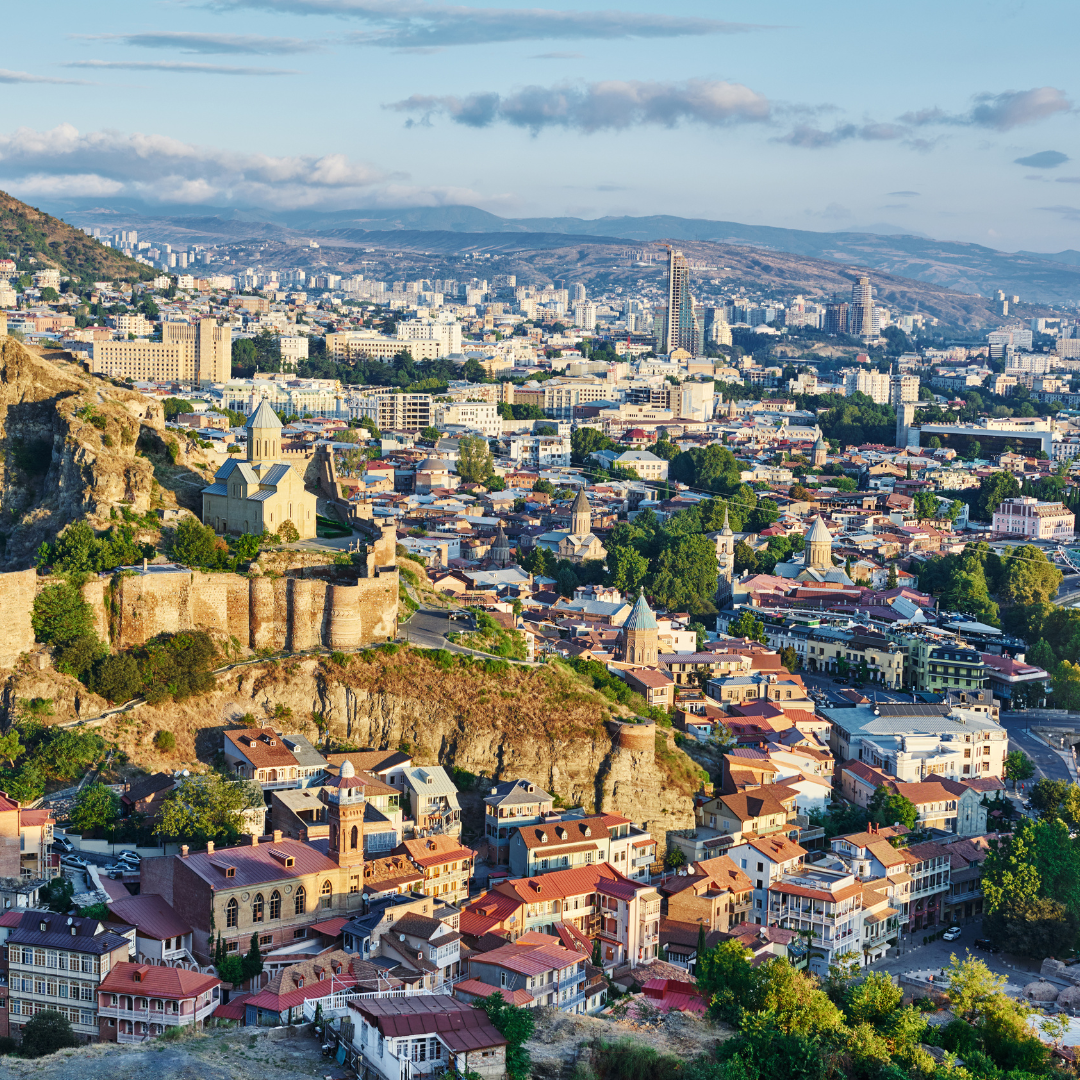
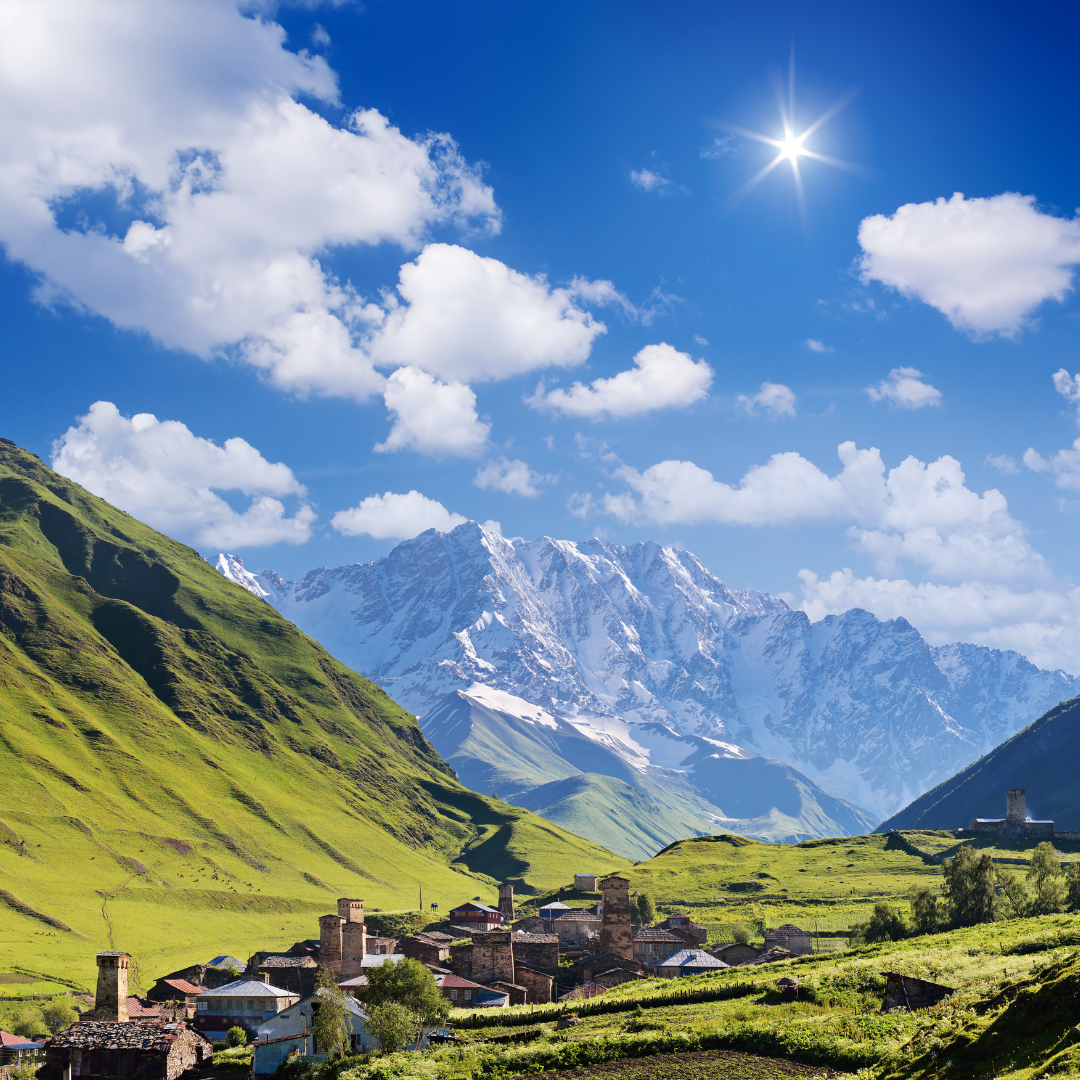
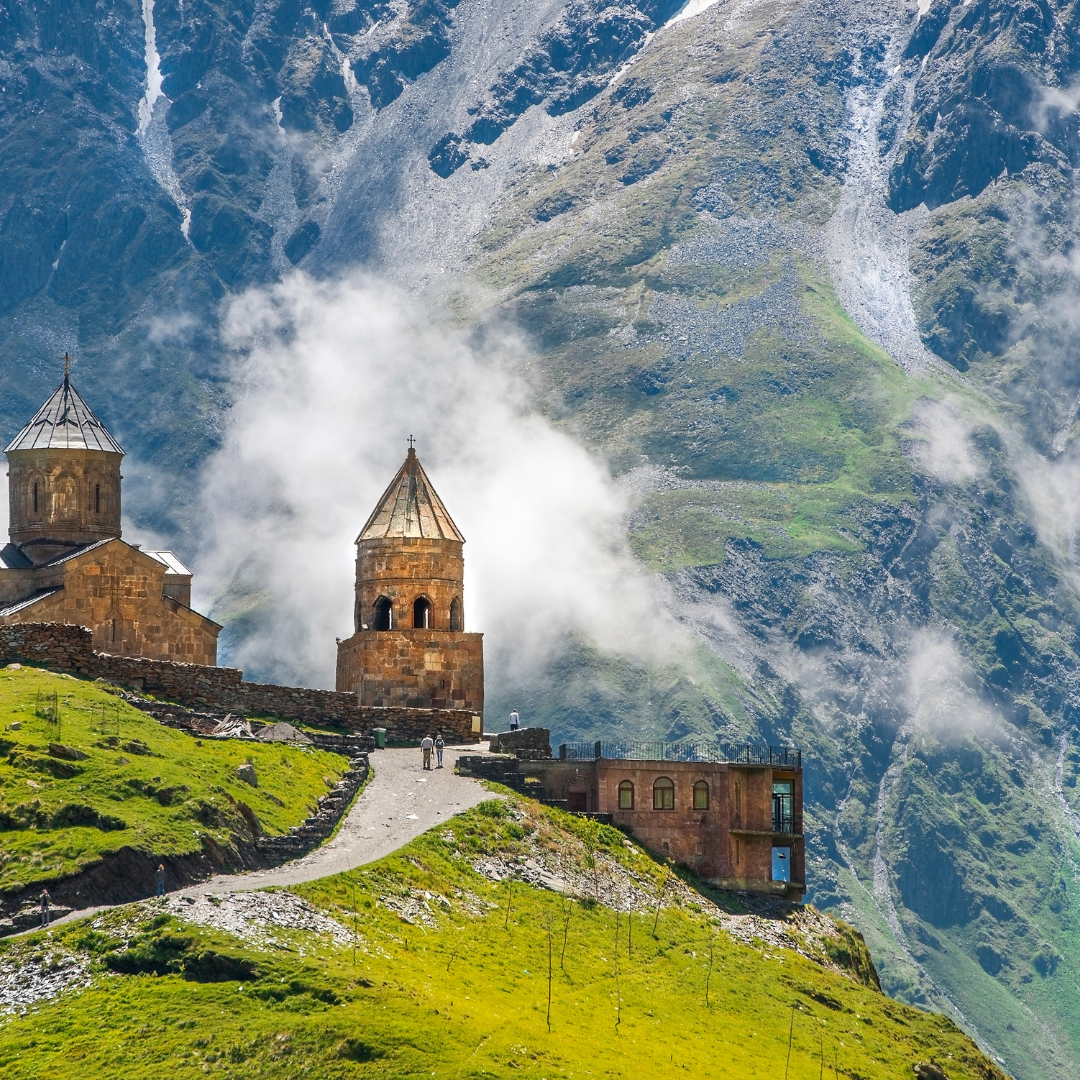
Georgia is famous for its hospitality, mountains, wine and food, and is one of the cheapest countries in Europe’s neighbourhood to live in. TLG placements in towns and villages offer deep cultural immersion with a host family, while Tbilisi and Batumi offer city life. Learning some Georgian or Russian makes daily life much easier, especially outside the capital.
Teaching in Georgia: read next
- Comparing the region? See our guides to Turkey, Uzbekistan and Cyprus.
- Teaching outside TLG? Read our guide to online English teaching jobs.
- Compare pay in our TEFL Salary Index and check entry rules on the Visa Desk.
Last updated: 2 October 2026. Pay figures are approximate ranges, not quotes, and TLG terms can change between intakes. Confirm current programme terms, work permit rules and travel advice before you travel.

Living costs
Georgia has one of the lowest costs of living in the region, though Tbilisi rents have risen sharply since 2022. Rent is the biggest cost, highest in central districts such as Vake, Vera and Saburtalo, and lower in Didube, Didi Digomi and other residential areas. Batumi on the Black Sea coast is a little cheaper. TLG volunteers live with a host family, which removes rent altogether.
Public transport is very cheap, with a single metro, bus or marshrutka ride costing about GEL 1, and local food and wine are good value. Imported goods and international restaurants cost more, and heating adds to bills in winter.
All figures below are in Georgian lari (GEL), converted from 2026 Numbeo-based averages for Tbilisi and checked on 2 October 2026. Prices change, so check a current source before you budget.
- One-bedroom flat, central Tbilisi: About GEL 1,500 to 2,600 a month
- One-bedroom flat, outer Tbilisi: About GEL 1,100 to 1,500 a month
- One-bedroom flat, central Batumi: About GEL 1,350 a month
- Utilities: About GEL 235 a month
- Metro, bus or marshrutka ride: About GEL 1
- Inexpensive restaurant meal: About GEL 25 to 30
- Gym membership: About GEL 180 a month
- Single person budget, excluding rent: About GEL 1,800 a month
TEFL jobs in Georgia : KEY POINTS

SALARY
TLG stipend about GEL 500–750 a month; private schools about GEL 1,500–2,600

EDUCATION
BA degree preferred

MAIN JOB TYPES
TLG public schools, private language schools, international schools

TEFL CERTIFICATION NEEDED
120 hours recommended; expected by private schools
KEY FACTS
- Popular locations for TEFL jobs: Tbilisi for most private and international school work; Batumi and Kutaisi have smaller markets; TLG places volunteers in public schools in towns and villages across the country.
- English teacher salaries in Georgia: TLG pays a modest monthly stipend, reported at about GEL 500 to 750, with host family housing. Private language and international schools commonly pay roughly GEL 1,500 to 2,600 a month, more for experienced teachers in Tbilisi. Figures are approximate.
- TEFL qualification requirements: A TEFL certificate of at least 120 hours is recommended for TLG and expected by private schools
- Prerequisite university degree: A bachelor's degree is preferred by TLG and most private schools; international schools want a teaching qualification.
- Term times: Schools run from mid-September to June in two semesters, with a winter break around New Year. TLG intakes usually follow the September and February starts.
- Currency: Georgian Lari
- Language: Georgian
- Teaching programmes: Teach and Learn with Georgia (TLG) in public schools, private language schools, international schools and private tutoring
- Age restrictions: None
- Previous teaching experience: is desirable for many roles but not essential
When to go
Climate and hiring in Tbilisi
Arrive in late August or early September: the summer heat is easing, and schools and TLG start the new year in mid-September. February is a smaller second window.
Summers are hot and sunny, around 89°F in July and August, and winters are cold, with nights near freezing (about 32°F) and occasional snow. Rainfall is modest at about 510 mm a year, wettest from April to June and driest in winter.
Average daily highs and lows, 1991 to 2020 station averages for Tbilisi. Hiring months are typical patterns, not guarantees.
Facts about Georgia

LANGUAGE
Georgian

POPULATION
3.7 Million

TEFL JOB DEMAND
Mid

CURRENCY
Georgian lari (GEL)

CAPITAL
Tbilisi

OUR GEORGIA TEFL RATING
3.5
TEFL jobs in Georgia : FAQS
How much can I earn as an English teacher in Georgia?
Through Teach and Learn with Georgia (TLG), volunteers receive a modest monthly stipend, reported at about GEL 500 to 750, plus host family housing and support. Private language and international schools commonly pay roughly GEL 1,500 to 2,600 a month, more for experienced teachers in Tbilisi. Figures are approximate, so confirm pay in writing.
Is Georgia expensive to live in?
No, it is one of the most affordable places to live in the region, though Tbilisi rents have risen since 2022. A central one-bedroom flat costs about GEL 1,500 to 2,600 a month, a metro or bus ride about GEL 1, and a single person spends about GEL 1,800 a month before rent. TLG volunteers live with a host family, so they pay no rent.
Can I teach English in Georgia without a degree?
Sometimes. TLG and most private schools prefer a degree, and international schools expect one, but some language schools hire strong teachers with a recognised TEFL certificate and confident English. See our guide to teaching English without a degree for countries with more flexible rules.
What is the best TEFL certificate for teaching in Georgia?
An accredited TEFL certificate of at least 120 hours is the best starting point for Georgia. It helps you stand out for TLG, prepares you to co-teach large primary classes, and is what private language schools expect. For international schools and the better paid private roles, an Ofqual-regulated Level 5 TEFL diploma or CELTA gives you a clear edge, and it sits on a public government register an employer can check. Our Level 5 TEFL Diploma meets the higher standard.
What is the Teach and Learn with Georgia (TLG) programme?
TLG is a long-running government programme run by Georgia’s Ministry of Education, Science and Culture and the National Centre for Teacher Professional Development. It places English speaking volunteers in public schools to co-teach with Georgian teachers, usually with primary pupils, and provides a monthly stipend, a host family, training and support. Volunteers are not allowed to take private tutoring for extra income, so check the current terms before you apply.
Is it safe to teach English in Georgia?
Most of Georgia is welcoming and generally safe, and Tbilisi has a lively international community. The UK and other governments advise against all travel to Abkhazia and South Ossetia, and there have been large political protests in Tbilisi since late 2024, so avoid demonstrations and read your government’s latest advice. Compare nearby options in our guide to teaching English in Turkey.
TEFL courses
Become a confident, qualified English teacher with flexible online, classroom or mixed learning.

TEFL internship
With accommodation, training and full in-country support sorted – it’s the hassle-free way to kick-start your TEFL career.

TEFL jobs
Check out new TEFL job listings on our sister company’s well-stocked jobs board.