

 United Kingdom (UK)
 United States (US)
 Canada
 South Africa
 India
India Australia
 New Zealand
 China
China Russia
 Germany
 France
 Spain
Spain Netherlands
 Vietnam
 United Arab Emirates
 Italy
Italy Poland
 Thailand
 Türkiye








 Algeria


Teach English in Dubai
Teaching Jobs In Dubai
TEFL jobs in Dubai are mostly at private and international schools, private language centres and universities, with the main hiring for an August or September start. Schools need a bachelor’s degree, attested documents and, for classroom teaching posts, a UAE teaching licence, while language centres usually ask for a degree and a recognised TEFL qualification. Pay is in UAE dirhams and tax free: roughly AED 8,000 to 12,000 a month at language centres and AED 12,000 to 22,000 or more at international schools, often with housing, flights and medical cover.
TEFL jobs in Dubai at a glance
| Main employers | Private and international schools, language centres, universities and colleges, corporate training |
| Typical pay | About AED 8,000 to 12,000 a month at language centres, AED 12,000 to 22,000 or more at international schools |
| Tax | No personal income tax in the UAE |
| Benefits | Schools commonly include housing or a housing allowance, an annual flight and medical insurance |
| Hiring | Schools recruit from October to April for an August or September start; language centres hire year round |
| Degree | A bachelor’s degree is required for the work visa, attested in the country that issued it and in the UAE |
| Teaching licence | Required for school classroom teachers, through the UAE Teachers Licensing System |
| Visa | Employer sponsored work permit and residence visa, usually valid for two years, plus an Emirates ID |
What kinds of TEFL jobs are there in Dubai?
Private and international schools. The largest and best paid part of the market. Schools follow British, American, IB, Indian and other curricula, and want qualified, experienced teachers. English and EAL posts sit alongside subject teaching roles.
Language centres. Teach adults, university applicants, exam candidates and children, often in the afternoon and evening. They are the most common entry point for TEFL qualified teachers without a teaching licence.
Universities and colleges. Foundation and English programmes pay well but usually expect a master’s degree and experience.
Corporate training and private students. Business English and IELTS preparation are in steady demand, often taken on alongside a main job where the visa allows it.
How much do TEFL teachers earn in Dubai?
Language centres commonly pay about AED 8,000 to 12,000 a month. International and private schools typically pay AED 12,000 to 22,000 or more, with senior and leadership posts higher. Salaries are tax free, and school packages often add housing or a housing allowance, an annual flight home and medical insurance, which changes the real value of the offer considerably. Rent is the biggest cost in Dubai, so compare packages on what is included, not the headline salary alone. The UAE does not set a general minimum wage for private sector workers, so read the contract carefully. Compare pay across countries on the TEFL Salary Index, and see our guide to teaching jobs in Dubai for more on packages.
What do you need to get a TEFL job in Dubai?
A bachelor’s degree is the legal gate: the UAE requires one for the work visa, and it must be attested first in the country where it was issued and then by the UAE authorities. Language centres usually add a recognised TEFL qualification, commonly 120 hours or more. School teaching posts go further and need a UAE teaching licence, obtained by passing the Teachers Licensing System assessments, and most schools also want a teaching qualification such as a PGCE or a state teaching licence plus experience. Our guide to the TEFL qualification you need for the UAE sets out what each employer type asks for, and teaching in Dubai without a degree explains why that route is almost always closed. The Ofqual-regulated Level 5 TEFL course can be verified on the Ofqual register.
Which visa and work permit do you need?
Your employer applies for your work permit and residence visa, so you need a job offer first. The usual sequence is an entry permit, a medical fitness test in the UAE, the residence visa stamp or record and then an Emirates ID. Residence visas for employees are usually issued for two years and renewed. Start the attestation of your degree and police certificate early, because it is the slowest part of the process and can take several weeks. Check current rules with the UAE embassy and our Visa Desk before you accept an offer.
Where are the TEFL jobs in the UAE?
Dubai has the largest number of private schools and language centres and the busiest social life, along with the highest rents. Abu Dhabi, the capital, has a large school sector and is slightly cheaper to live in. Sharjah is more conservative and noticeably cheaper, and many teachers who work in Dubai live there. Ras Al Khaimah, Ajman and Fujairah have smaller markets and a quieter pace.
What is it like teaching in Dubai?
Private schools in the UAE work Monday to Friday, with a shorter school day on Friday, and a school day typically runs from about 7.30am to 2.30pm or 3pm. Classes are often multinational, and expectations of planning, assessment and parent communication are high. Dubai is cosmopolitan and safe, but UAE law is stricter than in Europe on public behaviour, alcohol, drugs and relationships, and same sex relationships are illegal. Read current travel advice from your government before you go, and ask any employer about housing, contract length and end of service pay before you sign.
Teaching in Dubai: read next
- Check the qualification bar in what TEFL qualification you need for the UAE and teaching in Dubai without a degree.
- Comparing the Gulf? See our guides to Qatar and Saudi Arabia.
- Compare pay in our TEFL Salary Index and check entry rules on the Visa Desk.
Last updated: 2 October 2026. Pay figures are approximate typical ranges, not quotes. Visa, attestation and licensing rules change, so confirm current requirements with the UAE embassy, the relevant education authority and your employer before you accept an offer.




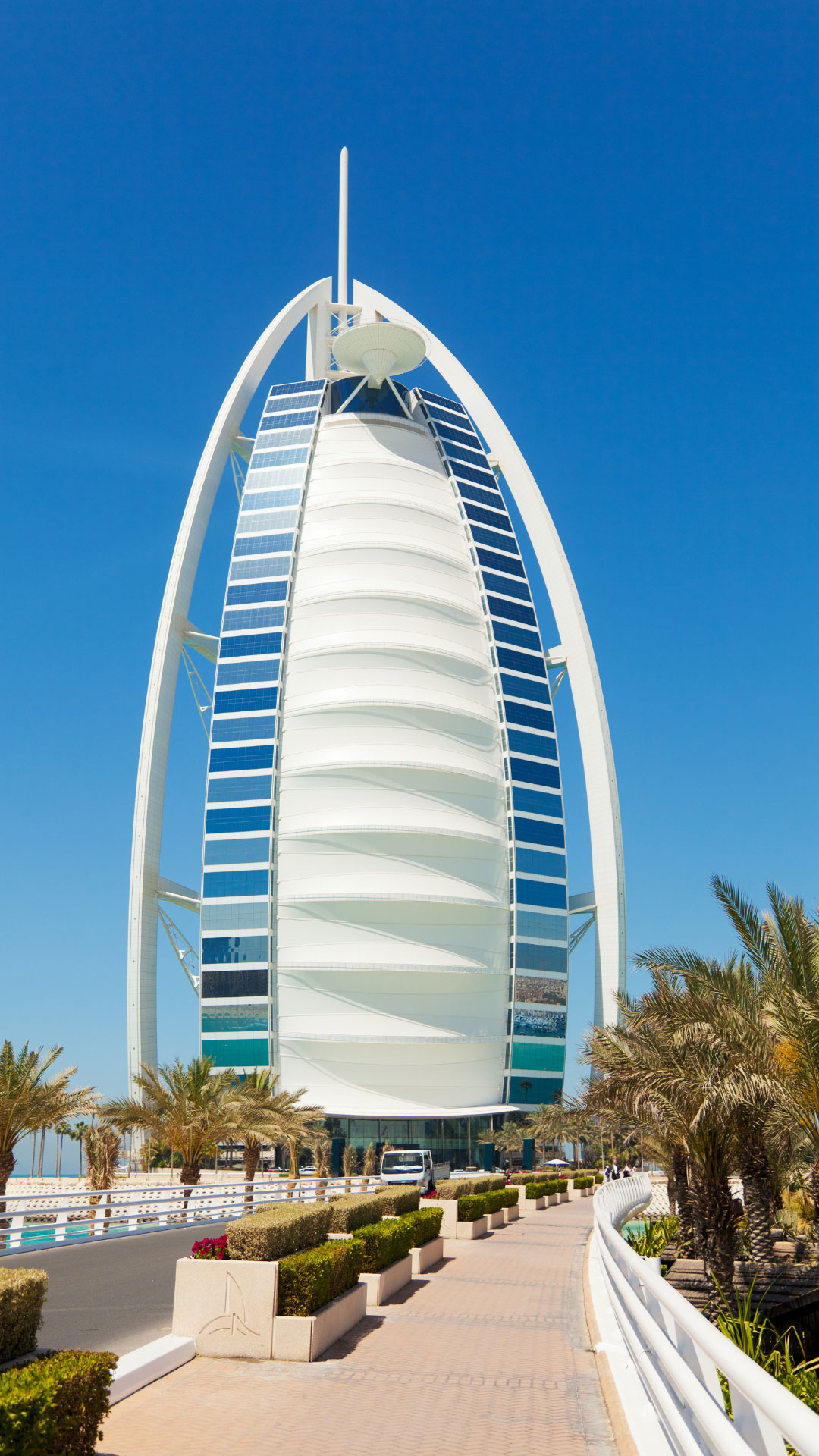
Living costs
Dubai is the most expensive place to live in the UAE, and rent is by far the biggest cost. Many school contracts include housing or a housing allowance, which makes a large difference to what you can save, so compare offers on the whole package rather than the salary alone. Teachers without housing often share a flat or live in Sharjah or in Dubai’s cheaper districts and commute.
Day to day costs are moderate by international standards. Groceries, local restaurants and the Metro are reasonably priced, while alcohol, imported food and nights out are expensive.
All figures below are in UAE dirhams (AED) and are Numbeo’s Dubai averages, checked on 2 October 2026. Prices change, so check a current source before you budget.
- One-bedroom flat: AED 5,500 to 8,975 a month
- Utilities: AED 895 a month
- Home internet: AED 338 a month
- Monthly transport pass: AED 275
- Mid-range dinner for two: AED 300
- Cappuccino: AED 23
- A pint of beer: AED 50
- 1 litre of milk: AED 6.60
Teaching Jobs In Dubai: KEY POINTS

AVERAGE SALARY
AED 8,000–22,000+ a month, tax free

EDUCATION NEEDED
Bachelor's degree required, attested

TEFL CERTIFICATE NEEDED
120 hours minimum; Level 5 preferred. School posts need a UAE teaching licence

MAIN JOB TYPES
Private and international schools, language centres, universities, corporate training
KEY FACTS
- Popular locations for TEFL jobs:: Abu Dhabi, Dubai and Sharjah.
- The average salary for EFL teachers: Language centres commonly pay about AED 8,000 to 12,000 a month. International and private schools typically pay AED 12,000 to 22,000 or more, tax free, often with housing or a housing allowance, an annual flight and medical insurance.
- TEFL qualification requirements: A recognised TEFL qualification of at least 120 hours for language centres, with a Level 5 TEFL or CELTA preferred. School classroom posts need a UAE teaching licence.
- Prerequisite university degree: A bachelor's degree is required for the UAE work visa and must be attested in the issuing country and in the UAE. Universities usually expect a master's degree.
- Currency: UAE dirham (AED)
- Language: Arabic
- Teaching programmes: Public School, Private Schools, Language Schools, International Schools, Bilingual Kindergartens, Freelance, IELTS, IB, Business English
Female teachers may be hesitant to apply for teaching positions in the UAE due to the strict dress code, but many ex-pats say it is actually more open than you think. Women are encouraged to cover their shoulders and knees in Dubai’s malls, and a similar dress code will almost certainly be demanded of you at work, although this is no more conservative than what would be expected of teachers anywhere else in the world. On the other hand, conservative laws should not be regarded lightly. Kissing in public is forbidden and can lead to deportation, and there are comparable prohibitions for swearing in public, even on Facebook or WhatsApp. In the UAE, homosexuality is outlawed and punished by law, and blasphemy is likewise prohibited.
These are all key factors to consider when evaluating whether or not Dubai is a place where you can live and work without feeling trapped by the country’s harsh restrictions. Dubai is undoubtedly the most liberal of the seven emirates, but you’ll likely encounter culture shock if you’re coming from the West.
Students in Dubai are keen to learn English, yet they take their classes with a laid-back attitude. Expect pupils to be late for class, hesitant to do homework, and even unwilling to participate in classroom activities that they dislike. Adult students are infamous for talking on their phones during class and not paying attention in class.
In this rigid culture, you’ll find your pupils to be polite and approachable while maintaining professional limits. Whether you’re teaching youngsters or adults, classrooms will often be equipped with cutting-edge technology, and you’ll have lots of resources at your disposal.
Facts about Dubai

LANGUAGE
Arabic

POPULATION
9.89 million

TEFL TEACHERS DEMAND
High

CURRENCY
UAE dirham (AED)

CAPITAL
Abu Dhabi

OUR DUBAI TEFL RATING
4 stars

Teaching Jobs In Dubai: FAQS
Can I teach English without a degree in Dubai?
Almost never. The UAE requires a bachelor’s degree for the work visa, and it must be attested in the country that issued it and in the UAE. No TEFL qualification replaces it. Our guide to teaching in Dubai without a degree explains the very narrow exceptions.
Can I teach English in the UAE without experience?
It is harder but possible. Schools usually want two or more years of classroom experience and a teaching licence. Language centres are the most realistic route without experience, provided you hold a degree and a recognised TEFL qualification, ideally at Level 5.
How much do English teachers make in Dubai?
Language centres commonly pay about AED 8,000 to 12,000 a month, and international schools AED 12,000 to 22,000 or more. Pay is tax free, and school packages often include housing or a housing allowance, an annual flight and medical insurance.
Is it expensive to live in Dubai?
Rent is high: a one-bedroom flat costs roughly AED 5,500 to 9,000 a month depending on the area. Day to day costs such as groceries, local food and the Metro are moderate. A school package that includes housing makes Dubai one of the best places to save on a teaching salary.
What is the best TEFL certificate for teaching in Dubai?
For language centres, an accredited TEFL certificate of at least 120 hours is the baseline, and an Ofqual-regulated Level 5 TEFL diploma or CELTA puts you ahead because employers can verify it. For school classroom posts, the UAE teaching licence matters more than any TEFL course. Our guide to the best TEFL certification for the UAE compares the options in detail.
When do schools in Dubai hire English teachers?
Most schools recruit between October and April for an August or September start, and the best posts fill early. Language centres hire year round. Allow several weeks after an offer for degree attestation and the work visa. See our guide to teaching jobs in Dubai for how to apply.
TEFL courses
Become a confident, qualified English teacher with flexible online, classroom or mixed learning.

TEFL internship
With accommodation, training and full in-country support sorted – it’s the hassle-free way to kick-start your TEFL career.

TEFL jobs
Check out new TEFL job listings on our sister company’s well-stocked jobs board.