

 United Kingdom (UK)
 United States (US)
 Canada
 South Africa
 India
 Australia
 New Zealand
 China
 Russia
 Germany
 France
 Spain
 Netherlands
 Vietnam
 United Arab Emirates
 Italy
 Poland
 Thailand
 Türkiye






 Algeria


Updated for 2027 intakes. Last reviewed: 12 November 2026
A master’s in TESOL is a graduate degree in teaching English to speakers of other languages, and it is worth it if you want a university, college or curriculum career or a US public school role, because those employers ask for a degree. It is not worth it if your goal is to start teaching English abroad or online within months, where an accredited 120-hour certificate is the faster and far cheaper route.
People searching for a master’s in TESOL are usually weighing two very different paths. One leads to higher education and leadership roles and takes years. The other leads to a first classroom within weeks. This guide explains the difference, who needs the degree, and how to avoid paying for a master’s when a certificate would do the job.
Key takeaways
- A master’s in TESOL typically takes one to two years and is awarded by a university, so its quality is checked through the university’s own accreditation rather than through the certificate system.
- It suits university teaching, program management, teacher training, curriculum design and, in many cases, a route into US public school ESL roles alongside a state license.
- It does not suit someone who simply wants to teach abroad soon. Most language institutes, online schools and many overseas employers ask for a certificate, not a master’s.
- Many people start with a certificate, teach for a year or two, then decide whether a master’s is worth the cost and time.
- A certificate does not replace a state teaching license, and a master’s alone may not either, so check your state education agency’s rules.
What is a master’s in TESOL?
A master’s in TESOL is a graduate program that covers language teaching methods, linguistics, second language acquisition, assessment and research, usually finishing with a thesis, portfolio or capstone project. It is an academic degree, which makes it a different kind of qualification from the practical certificates used for entry-level teaching.
Because it is a degree, its recognition depends on the awarding university. In the United States, the reliability of a degree rests on institutional accreditation by agencies recognized by the Department of Education, a system explained in this overview of accreditation of higher education. Check the university’s status before you apply.
Who needs a master’s in TESOL?
You are most likely to need one if you want to teach at a college or university, lead an English language program, train other teachers or design curriculum. These roles routinely ask for a graduate degree, and a certificate alone will not meet that requirement.
You may also need graduate study if you plan to teach in a US public school, but that is governed by each state’s license and endorsement rules, not by the degree title. Always confirm the requirement with your state education agency before you enrol.
Do you need a master’s to teach English abroad?
No. Most language institutes, private schools and online teaching platforms ask for a certificate of at least 120 hours, and many ask for a bachelor’s degree in any subject, not a master’s. Government programs such as JET and TAPIF set degree and age rules of their own, which we cover in our guide to teach English abroad programs.
A master’s can raise your pay and open university posts abroad, particularly in the Gulf and East Asia, but it is rarely the starting requirement. If your aim is to see whether you enjoy teaching, start with a certificate and test the work first.
When is a TEFL certificate enough?
A TEFL certificate is enough when you want to start teaching English abroad or online soon, when you are unsure whether you want a long-term career in the field, or when your target employer lists a certificate rather than a degree. It costs a fraction of a master’s and takes weeks rather than years. See our guide to TESOL certification online for how to choose a course you can verify.
Every TEFL opening, salary and deadline that matters.
In your inbox every two weeks. Free, no spam, unsubscribe any time.
Teacher pay by country
New TEFL openings
Programme and visa dates
If you want a stronger qualification without committing to a degree, a regulated Level 5 TEFL Diploma sits at the same RQF Level 5 as CELTA and can be checked on the Ofqual register. Our Level 5 TEFL Diploma is Ofqual-regulated, and our 120 Hour Advanced TEFL Course covers the standard entry level.
Start with the classroom, then decide on the degree
Ian O’Sullivan founded The TEFL Institute Group in 2017 to bring honesty to TEFL training. The group is Europe’s largest TEFL trainer by teachers certified, with 161,000 graduates in 80 countries. Many of them tried teaching first and only then decided whether a master’s was worth it.
How do you decide between a master’s and a certificate?
Ask three questions. Do the jobs you want ask for a graduate degree. Can you afford the time and tuition. Do you already know you want a long-term career in English language teaching. If the answer to the first is no, a certificate comes first.
If your goal is paid travel and a first teaching job, read our guide to teaching English abroad with expenses paid. For where the field is heading, see our look at TEFL trends for aspiring English teachers.
Ready to start teaching before you decide?
A certificate gets you into a classroom quickly and tells you whether further study makes sense. Every certificate from The TEFL Institute Group carries a number an employer can verify.
Last updated: 12 November 2026. Degree requirements, state licensing rules and program details change, so confirm them with the university and your state education agency before you enrol. This is general guidance.
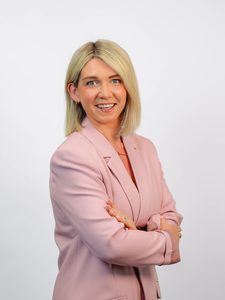
Katie Troy
Managing Director at The TEFL Institute Group. Katie has been with the team since 2018, is a qualified teacher with a degree in education and years of experience teaching abroad, and works closely with the academic team.
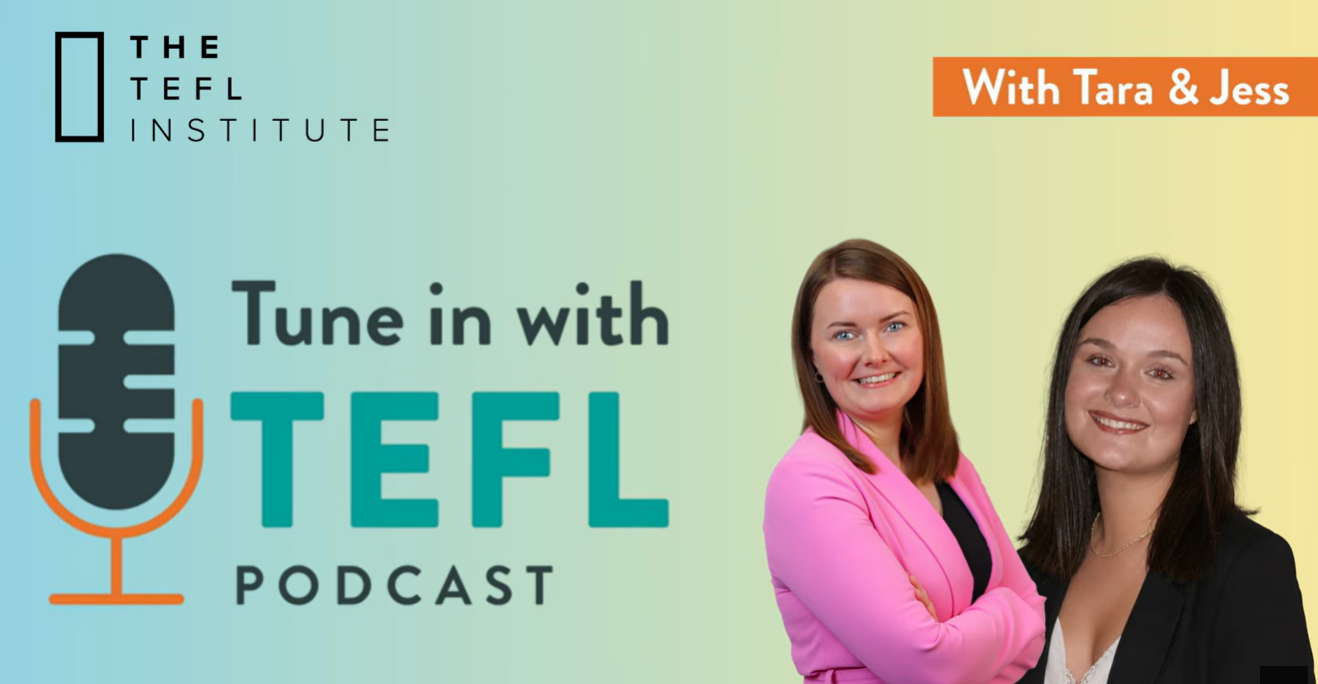
Tara and Jess talk through different TEFL and EFL topics, from finding work abroad to life in the classroom.
FAQs
Questions students ask us
It is a graduate degree covering language teaching methods, linguistics, second language acquisition and assessment, usually ending in a thesis or capstone project. It is awarded by a university and typically takes one to two years.
It is worth it if you want a university, curriculum, program management or teacher training career. It is rarely worth it if you only want to start teaching English abroad or online soon, where a certificate is faster and cheaper.
No. Most language institutes, private schools and online platforms ask for an accredited certificate of at least 120 hours, and many ask for a bachelor’s degree in any subject.
Not on its own in most cases. Public school teaching is governed by state license and endorsement rules, so check your state education agency before you enrol in a degree for that purpose.
Confirm the university’s institutional accreditation by an agency recognized by the US Department of Education, then ask the program how its graduates are placed and what licensure it supports.
Often yes. A certificate gets you into a classroom within weeks and shows whether you want a long-term career, so you can decide on a master’s with real experience behind you.
