United Kingdom (UK)
 United States (US)
 Canada
 South Africa
 India
 Australia
 New Zealand
 China
 Russia
 Germany
 France
 Spain
 Netherlands
 Vietnam
 United Arab Emirates
 Italy
 Poland
 Thailand
 Türkiye






 Algeria


Updated for 2027 intakes. Last reviewed: 6 November 2026
The best TEFL certification for Latin America is an accredited course of at least 120 hours, because it is the main hiring filter at the language institutes that employ most foreign teachers, and an Ofqual-regulated Level 5 TEFL Diploma for bilingual schools and universities. No country in the region writes TEFL into law, and several institutes hire without a degree.
Eight countries, the lowest pay of any TEFL region, and the loosest entry rules. This guide sets out what employers in Mexico, Chile, Colombia, Argentina, Brazil, Costa Rica, Peru and Ecuador actually ask for, which certificate level fits each type of job, the permit that makes the work legal, and the statutory minimum wage that sets the floor under every full time contract. Where a figure comes from a decree or a central bank, we name it. Where it is an advertised range, we say so, and where there is no reliable figure, we describe pay in words rather than invent a number.
Key takeaways
- A 120-hour accredited certificate is the hiring standard at language institutes in all eight countries. None of them sets a legal minimum number of hours.
- A degree is often not required by institutes in Mexico, Colombia, Argentina, Peru and Ecuador, but it is usually needed for bilingual schools, universities and a formal work visa, so it decides which tier you can reach rather than whether you can teach at all.
- Every country requires a residence status that allows employment. Tourist entry never does, and in Mexico, Chile and Colombia the application starts from outside the country or needs an employer registered with the immigration authority.
- All eight countries are parties to the Hague Apostille Convention, so a single apostille on your degree and police certificate replaces consular legalisation.
- Pay is hourly and low. Minimum wages run from about €223 a month in Argentina to €736 in Costa Rica at the rates of 6 November 2026, and institute rates sit close to them, so most teachers add online lessons for foreign students at around US$10 to US$25 an hour.
- A Level 5 TEFL Diploma does not change the visa rules, but it is what bilingual schools, IB schools and universities shortlist on, and those are the only employers in the region that pay well above the minimum.
What is the best TEFL certification for Latin America, country by country?
The short answer is the same across the region: a recognised certificate of 120 hours or more for institutes, a Level 5 Diploma for schools and universities. The detail that changes is the permit, whether a degree is needed to get it, and how far above the legal minimum the pay sits. The table sets out the position for teachers starting in 2027.
| Country | Degree needed? | TEFL legally required? | Hours employers expect | Status that allows work | Statutory minimum wage (full time) | Typical institute pay (approximate) |
|---|---|---|---|---|---|---|
| Mexico | Often not for institutes; usually for schools, universities and many visas | No | 120 hours | Temporary resident with work permission, sponsored by an INM registered employer | MXN 315.04 a day from 1 January 2026, about MXN 9,582 a month (about €459), set by CONASAMI | MXN 120 to 250 an hour (about €5.75 to €12) |
| Chile | Preferred; helps with residence | No | 120 hours | Temporary residence applied for from outside Chile; working holiday for Ireland, Australia, New Zealand, Canada | CLP 553,553 a month from 1 May 2026 (about €513), Law 21.830 | CLP 6,000 to 8,000 an hour (about €5.55 to €7.40) |
| Colombia | Often not for institutes; usually for schools, universities and the M visa | No | 120 hours | Migrant (M) worker visa tied to a Colombian employer, Resolution 5477 of 2022 | COP 1,750,905 a month from 1 January 2026 (about €486), Decree 1469 of 2025 | From the minimum to about COP 2 million a month at institutes; up to about COP 5 million (about €1,390) at IB schools |
| Argentina | Often not for institutes | No | 120 hours | Working holiday (Ireland, Australia, New Zealand and others) or Mercosur residence; employer sponsorship rare | ARS 391,200 a month from 1 October 2026 (about €223), Resolution 4/2026, rising monthly to ARS 437,000 by April 2027 | Hourly in pesos, adjusted often for inflation |
| Brazil | Preferred; generally needed for a work visa | No | 120 hours | Employer sponsored temporary work visa | R$1,621 a month from 1 January 2026 (about €264), Decree 12.797/2025 | R$30 to 60 an hour (about €4.90 to €9.75) |
| Costa Rica | Preferred; usually for bilingual schools | No | 120 hours | Residence with permission to work | Set by occupation, from ₡373,092 a month for the lowest category from 1 January 2026 (about €736), Decree 45303-MTSS | ₡500,000 to 800,000 a month full timetable (about €985 to €1,580) |
| Peru | Often not for institutes; usually for schools, universities and the work visa | No | 120 hours | Worker migratory status through Migraciones, based on a registered contract | S/1,230 a month from 1 October 2026 (about €319), Supreme Decree 015-2026-TR, rising to S/1,300 in the first half of 2027 | Hourly at institutes; monthly salaries at schools must meet the minimum |
| Ecuador | Often not for institutes; usually for schools, universities and the visa | No | 120 hours | Temporary residence visa that allows employment, with an employer contract | US$482 a month from 1 January 2026 (about €432), Ministerial Agreement MDT-2025-195 | US$5 to 10 an hour (about €4.50 to €9) at institutes |
Minimum wages and pay ranges come from our country guides, checked against the official decrees in October 2026. Euro equivalents use the European Central Bank reference rates of 6 November 2026 for the Mexican peso, Brazilian real and US dollar, and for the other currencies the dollar rate published by each central bank on 5 or 6 November 2026, converted through the ECB dollar rate. Argentina’s figure moves monthly and the peso is volatile, so treat it as a snapshot.
Is a 120-hour TEFL certificate enough for Latin America?
Yes. A 120-hour certificate from an accredited, verifiable provider is the qualification language institutes across the region ask for, and in several countries it is the only qualification they ask for. It is the entry ticket in Mexico City, Medellín, Buenos Aires, Lima and Quito alike.
What it will not do is get you into the employers that pay well. Bilingual and international schools, IB schools and universities want a degree, often a teaching qualification, and a regulated certificate they can check, because they are paying several times the institute rate and recruiting against licensed teachers. Our 120 Hour Advanced TEFL Course meets the institute standard, while the Level 5 TEFL Diploma sits on the UK’s regulated qualifications framework at the same level as CELTA, which is what a Bogotá IB school or a Lima university is checking when it asks whether your certificate is “Level 5”.
Can you teach English in Latin America without a degree?
At language institutes in Mexico, Colombia, Argentina, Peru and Ecuador, often yes, and that is the region’s real advantage over Asia and the Gulf. Chile, Brazil and Costa Rica prefer a degree, and every country requires one for bilingual schools, universities and most formal work visas.
The catch is the permit. A degree is frequently part of the file an employer submits for your work authorisation, so a school that is happy to hire you without one may still be unable to sponsor you legally. Teachers without a degree therefore tend to cluster in the countries with a non employer route: Argentina’s working holiday agreements, Colombia’s open hiring at institutes, and Mexico, where a registered employer can sponsor on the strength of the job offer rather than a qualification. Our guide to teaching English abroad without a degree lists the realistic countries worldwide.
What do you need to teach English in Mexico?
Mexico’s institutes ask for a 120-hour certificate and often no degree, while bilingual schools and universities expect a degree and a Level 5 Diploma. The legal route is a temporary resident visa with work permission, and it is employer led from the first step.
The school must hold an employer registration certificate from the National Migration Institute, the constancia de inscripción de empleador, before it can offer a job to a foreigner, and it files the work authorisation with the INM first. You then collect the visa at a Mexican consulate in your own country and exchange it for a resident card within 30 days of arrival. The INM’s guidance on visas by job offer sets out the sequence. Visitor status does not allow you to work for a Mexican employer, and small academies without the registration cannot hire you legally however much they want to. Institutes pay about MXN 120 to 250 an hour, with business English at MXN 250 to 400 and private lessons up to MXN 500, against a minimum wage of MXN 315.04 a day from 1 January 2026. Our guide to teaching English in Mexico covers Mexico City, Guadalajara, Monterrey and Querétaro, and the cost of living in Mexico for English teachers sets the hourly rate against rent.
Colombia or Mexico? Pay, living costs and visas compared
How do you get a work visa for Colombia?
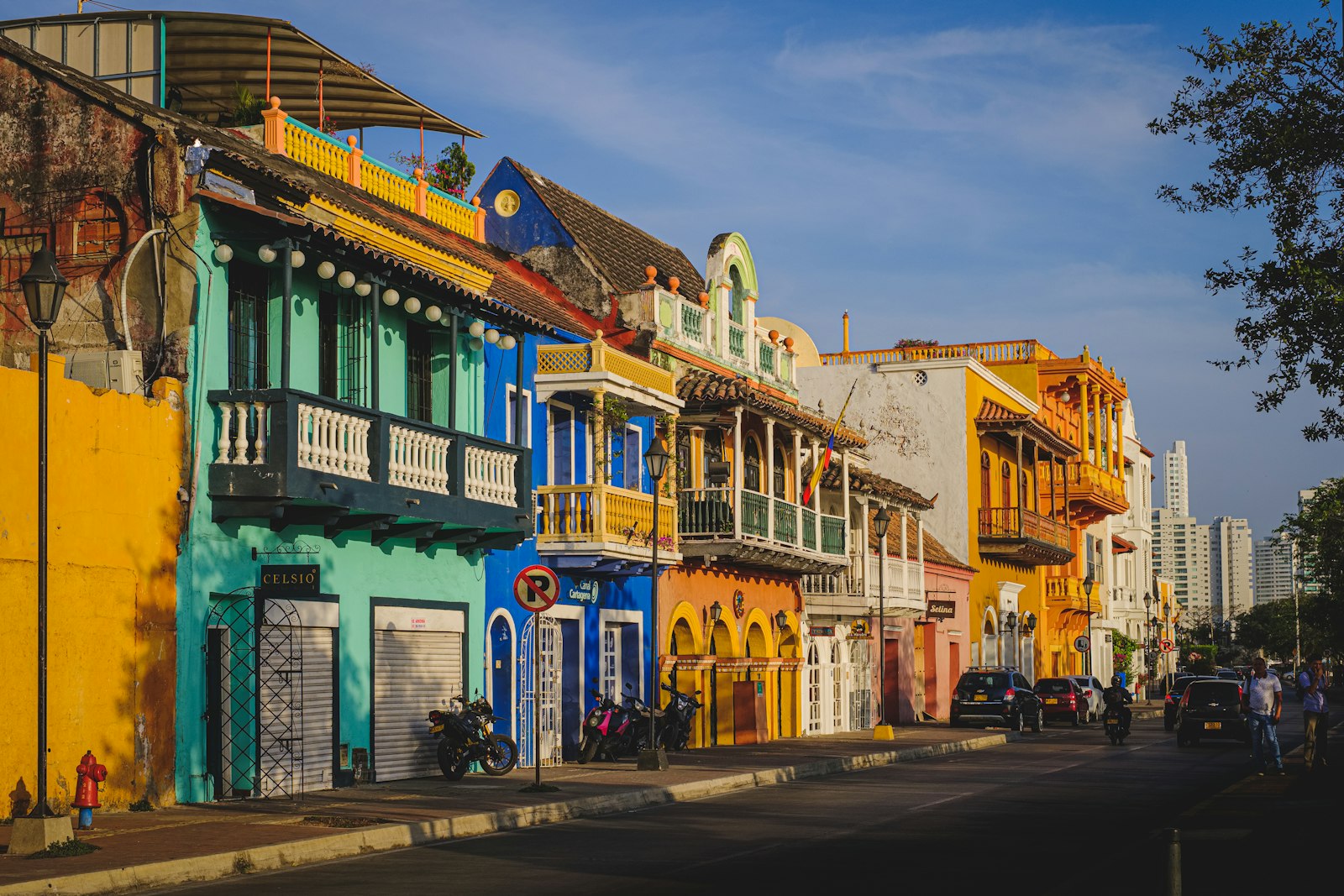
Colombia’s institutes hire on a 120-hour certificate, and the legal route is a Migrant visa in the worker category, tied to the Colombian employer that sponsors it, under Resolution 5477 of 2022. It is granted for up to three years, applied for online through the Ministry of Foreign Affairs, and followed by a cédula de extranjería from Migración Colombia within 15 days.
The employer carries most of the weight. It must show average monthly income of 100 times the minimum wage over recent bank statements, which rules out many small academies, and a degree is apostilled and translated where the role needs one. Teachers who entered on a tourist permit can apply from inside the country. Pay is hourly at institutes and monthly at schools, with full time contracts starting at the legal minimum of COP 1,750,905 a month in 2026 and experienced teachers at IB schools reaching around COP 5 million. Institutes are busiest in January, February and July, and calendar A schools in Bogotá start in January while calendar B schools start in August. The Cancillería visa page is the official door. Our guide to teaching English in Colombia covers Bogotá, Medellín and Cali, and the cost of living in Colombia for English teachers shows what the minimum wage buys.
What are the rules in Chile and Argentina?
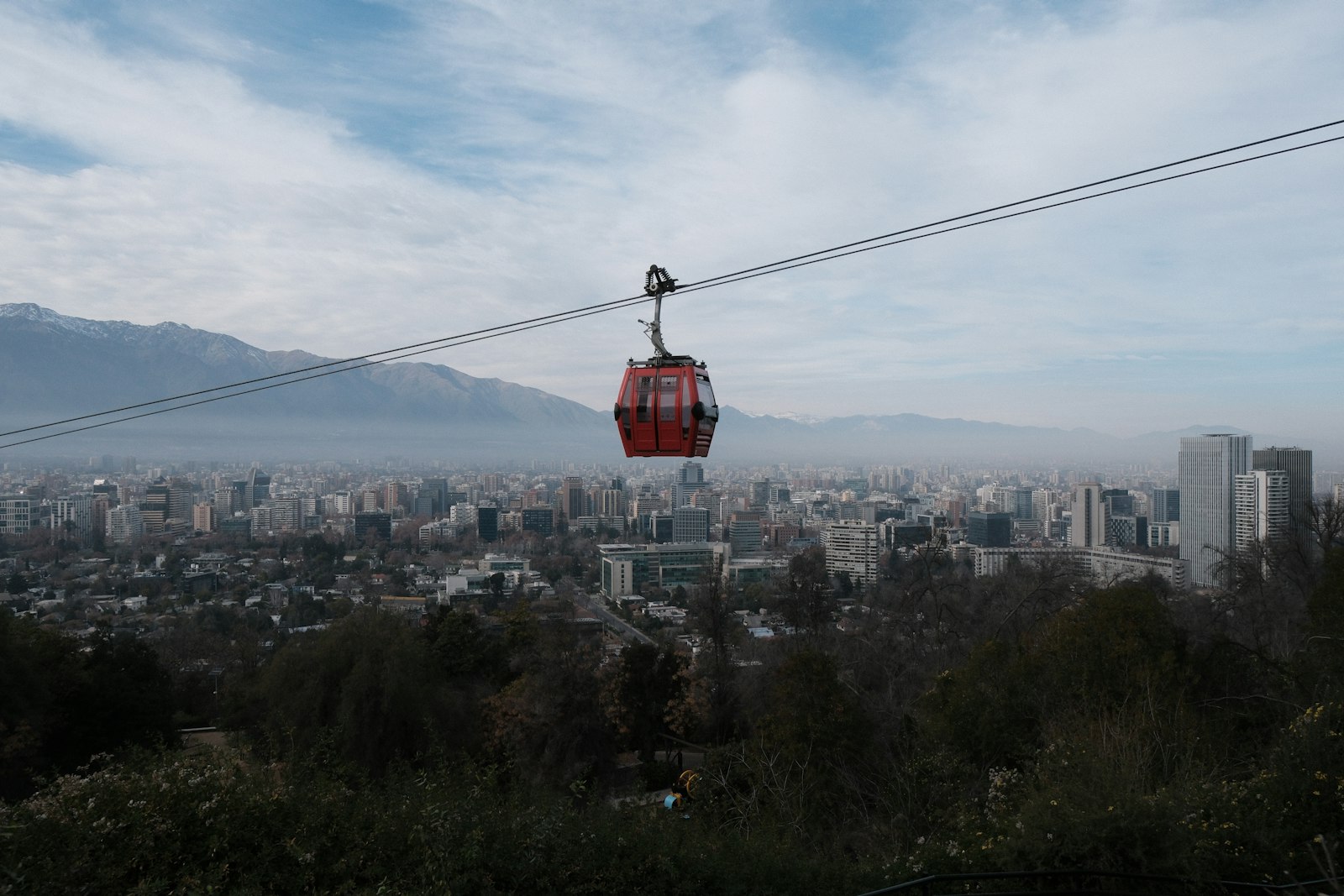
Both hire on a 120-hour certificate, run their main hiring round in February and March before the school year starts, and pay by the hour. What separates them is the permit, and neither makes it easy for a teacher without an employer or a working holiday agreement.
Chile requires a temporary residence permit applied for from outside the country before you travel, and tourist entry does not allow work. The exceptions are working holiday visas for younger applicants from Ireland, Australia, New Zealand and Canada, which is the route most of our Irish graduates use. Institutes pay about CLP 6,000 to 8,000 an hour, up to CLP 15,000 for private tutoring, against a statutory minimum of CLP 553,553 a month from 1 May 2026 under Law 21.830. The Ministry of Education’s English Opens Doors Program has placed volunteer assistants in state schools for years; its 2026 international call was for online workshop monitors with a bachelor’s degree, so check what the programme is offering before you plan around it. Our guide to teaching English in Chile covers Santiago, Valparaíso and Concepción.
Every TEFL opening, salary and deadline that matters.
In your inbox every two weeks. Free, no spam, unsubscribe any time.
Teacher pay by country
New TEFL openings
Programme and visa dates
Argentina rarely sponsors employer work visas for teachers from outside South America. The routes that work are working holiday agreements, which Argentina holds with Ireland, Australia, New Zealand and several other countries, and Mercosur residence for South American citizens. Institutes pay hourly in pesos and adjust often for inflation; the statutory minimum is ARS 391,200 a month from 1 October 2026 under Resolution 4/2026, rising monthly to ARS 437,000 by April 2027, and most teachers add online lessons for foreign students at US$10 to US$25 an hour. Our guide to teaching English in Argentina explains how pay works with inflation and the Buenos Aires hiring calendar.
What do you need to teach English in Brazil, Costa Rica, Peru and Ecuador?
All four ask for a 120-hour certificate at institutes and prefer a degree, and all four require a residence status that allows employment, which the employer initiates. The hiring calendars differ because the school years do.
Brazil’s language schools pay about R$30 to 60 an hour, business English R$60 to 120 and private lessons R$60 to 150, higher in São Paulo, against a minimum wage of R$1,621 a month from 1 January 2026 under Decree 12.797/2025. Working legally needs an employer sponsored temporary work visa, for which a degree is generally required, and the main hiring round runs from January to March before the February school year. Costa Rica’s institutes advertise about ₡500,000 to 800,000 a month for a full timetable, with minimum wages set by occupation from ₡373,092 under Decree 45303-MTSS, and legal work requires residence with permission to work; the digital nomad status does not cover a Costa Rican employer. Peru’s institutes pay hourly in soles, schools and universities pay monthly, and any employment contract must clear the minimum of S/1,230 a month from 1 October 2026 under Supreme Decree 015-2026-TR; the permit is a worker migratory status through Migraciones, based on a contract registered with the labour authorities. Ecuador uses the US dollar, pays about US$5 to 10 an hour at institutes against a minimum of US$482 a month from 1 January 2026, and issues a temporary residence visa that allows employment through its Ministry of Foreign Affairs, normally with an employer contract. Our guides to Brazil, Costa Rica, Peru and Ecuador carry the cities, the hiring months and the permit steps for each.
Is a Level 5 TEFL Diploma worth it for Latin America?
A Level 5 TEFL Diploma is worth it if you want to earn more than an institute pays, because the employers that do so, bilingual and IB schools, universities and corporate providers in São Paulo, Santiago and Mexico City, shortlist on a regulated qualification they can check, and often on a degree and experience beside it. It is not a legal requirement in any of the eight countries.
Be wary of anyone who promises a fixed salary uplift. Pay in Latin America is set by the employer and the city, and under every full time contract by a statutory minimum that applies whatever certificate you hold. What a longer qualification does reliably is widen the set of jobs you can apply for and make a visa file look stronger. Young learners dominate the region’s classrooms, which is why a specialism in teaching children is the one most institutes notice, and business English pays best in Brazil, Chile and Mexico’s corporate sector. Our Specialist Course Bundle covers young learners, business English, IELTS preparation and teaching online, which is the combination most teachers in the region end up using.
Regulated, registered and verifiable before you pay
Our Level 5 TEFL Diploma is Ofqual-regulated, qualification number 610/1571/4, awarded by Highfield Qualifications through Approved Centre 21335, and sits at the same RQF Level 5 as CELTA. You can look it up on the Ofqual register before you enrol, and an employer in Bogotá or São Paulo can do the same.
Which Latin American country is easiest to get a teaching job in with a TEFL certificate?
Colombia and Mexico, because both have large institute markets that hire on a 120-hour certificate and a defined employer led visa route that actually gets used. Argentina is the easiest for an Irish, Australian or New Zealand passport holder under 35, because the working holiday visa removes the employer from the equation.
Each country suits a different kind of teacher. Mexico suits those who want the biggest market and a visa process with a clear sequence. Colombia suits teachers who want to interview in person in Medellín or Bogotá and live well on the minimum wage. Argentina suits working holiday makers who can cope with inflation. Chile suits planners with a permit sorted before they fly. Brazil suits teachers with a degree who want the corporate English market. Costa Rica suits teachers who value the lifestyle over savings. Peru and Ecuador suit those who want low living costs and are happy to build a timetable across an institute and online students. Our guide to the South America region compares the markets side by side, and the Visa Desk keeps the entry rules current.
How do you prove your TEFL certificate is genuine to a Latin American employer?
You prove it by giving the employer a certificate they can check independently, ideally on a government register, and by having your degree and police certificate apostilled when a visa file asks for them. All eight countries in this guide are parties to the Hague Apostille Convention, from Argentina since 1988 to Chile and Brazil since 2016, so a single apostille from your home country is enough, and you can confirm each on the Hague Conference’s status table.
A regulated qualification can be looked up on the Ofqual register, which is why a Level 5 Diploma travels well in a market where institutes have seen every kind of certificate and schools verify documents before they sponsor a visa. Keep the original, a certified copy and the certificate number together, and budget for a sworn Spanish or Portuguese translation, which Colombia, Mexico and Brazil commonly require for a degree. Our explainer on accredited TEFL certification sets out what an employer is looking for.
Ready to get TEFL qualified for Latin America?
Start with the qualification every institute on this list recognises. The TEFL Institute Group is Europe’s largest TEFL trainer by teachers certified, with 161,000 teachers certified since 2017 who have gone on to teach in 80 countries, and every certificate carries a number an employer can verify. If you want the strongest file for bilingual schools, universities and the corporate market, the Level 5 Diploma is the one to choose.
Get TEFL qualified for Latin America
Last updated: 6 November 2026. Pay figures are approximate, not quotes, exchange rates move, and visa rules change. Always confirm the current requirements with your employer and the official source before you apply.

Olivia Klimczyk
Marketing Executive at The TEFL Institute Group and the creative heart of our social media. A marketing graduate, Olivia keeps students up to date through newsletters, blogs and reels.
Tara and Jess talk through different TEFL and EFL topics, from finding work abroad to life in the classroom.
FAQs
Questions students ask us
A 120-hour accredited certificate, because it is the main hiring filter at the language institutes that employ most foreign teachers in Mexico, Chile, Colombia, Argentina, Brazil, Costa Rica, Peru and Ecuador. An Ofqual-regulated Level 5 TEFL Diploma is the stronger choice for bilingual schools, IB schools and universities, which are the employers that pay well above the minimum wage.
Often, at language institutes in Mexico, Colombia, Argentina, Peru and Ecuador. Chile, Brazil and Costa Rica prefer a degree, and every country requires one for bilingual schools, universities and most formal work visas, so the degree decides which tier of job and which permit route you can reach rather than whether you can teach at all.
No. Every country in this guide requires a residence status that allows employment, and tourist or visitor entry never does. Mexico needs an employer registered with the INM to sponsor a temporary resident visa, Chile’s residence permit is applied for before you travel, and Colombia issues a Migrant worker visa tied to the employer. Argentina’s working holiday visa is the main exception to employer sponsorship.
In local currency, Costa Rica’s institutes advertise the highest monthly figures at about ₡500,000 to 800,000, roughly €985 to €1,580, and Colombia’s IB schools reach around COP 5 million a month. Elsewhere pay is hourly and sits close to the statutory minimum, from about €223 a month in Argentina to €513 in Chile at the rates of 6 November 2026, which is why most teachers add online lessons.
Yes. Mexico, Chile, Colombia, Argentina, Brazil, Costa Rica, Peru and Ecuador are all parties to the Hague Apostille Convention, so a single apostille from your home country on your degree and police certificate replaces consular legalisation. Budget for a sworn Spanish or Portuguese translation as well, which Colombia, Mexico and Brazil commonly require for a degree.
Mainly before the school year starts, which falls in February or March in Chile, Argentina, Peru and Brazil and in August in Mexico, with a smaller round in July. Colombia’s Bogotá schools follow two calendars starting in January and August, Ecuador’s highland and coastal schools start in September and April or May, and language institutes everywhere hire year round.