

 United Kingdom (UK)
 United States (US)
 Canada
 South Africa
 India
India Australia
 New Zealand
 China
China Russia
 Germany
 France
 Spain
Spain Netherlands
 Vietnam
 United Arab Emirates
 Italy
Italy Poland
 Thailand
 Türkiye











 Algeria


Budget roughly 700 to 950 euro a month outside central Athens, including rent, against typical school pay of 900 to 1,400 euro gross. Central Athens pushes that to about 1,000 to 1,200. Rent is the line that decides everything, and most teachers close the gap with private tutoring.
Cost of Living in Greece for English Teachers: A Full Budget Breakdown
The cost of living in Greece for English teachers is manageable but tight on a school salary alone. Budget roughly 700 to 950 euro a month outside central Athens, against typical pay of 900 to 1,400 euro gross. Rent is the variable that decides everything, and the ten month contract year matters more than the monthly figures.
Key takeaways
- A one bedroom flat commonly runs about 400 to 600 euro a month outside central Athens, and noticeably less in Thessaloniki and the mid sized cities
- Food, transport and eating out are all well below UK and Irish prices, which is what makes a modest salary workable
- Island rents spike hard in summer, and short winter lets can end abruptly in May
- Most frontistiria contracts run September to June, so you need to budget across ten months of income rather than twelve
- Private tutoring at 15 to 25 euro an hour is the difference between surviving and saving, and most established teachers do it
- All figures here are approximate typical ranges, not quotes, and vary by city, season and landlord
What does a month in Greece actually cost?
Enough that you will live comfortably, not enough that you will bank much from a school contract alone. That is the honest headline, and it is the same answer experienced teachers give when new arrivals ask.
The useful way to think about it is that Greece is cheap in the places that recur daily and normal in the places that recur monthly. A coffee, a meal out, a bus fare and a bag of groceries all cost visibly less than in Dublin, London or New York. Rent in a popular Athens neighbourhood and a winter electricity bill do not feel cheap at all, and they are where most teachers get caught out.
| Category | Typical monthly cost (EUR) | Notes |
|---|---|---|
| Utilities | 80 to 150 | Higher in winter, and heating is the swing factor |
| Groceries | 180 to 250 | Less again if you shop the weekly street market |
| Transport | 30 to 40 | Monthly city pass, cheaper outside Athens |
| Mobile and internet | 30 to 50 | Home broadband plus a modest mobile plan |
| Eating out and social | 100 to 200 | Entirely within your control, and the first thing to cut |
| Health and incidentals | 30 to 60 | Pharmacy, occasional private appointment, household bits |
Add rent to that, and you have your number. For a single teacher in a mid-sized city, total monthly outgoings typically range from 700 to 950 euros. In central Athens, assume 1,000 to 1,200 and plan accordingly.
How much is rent in Athens, Thessaloniki and the smaller cities?
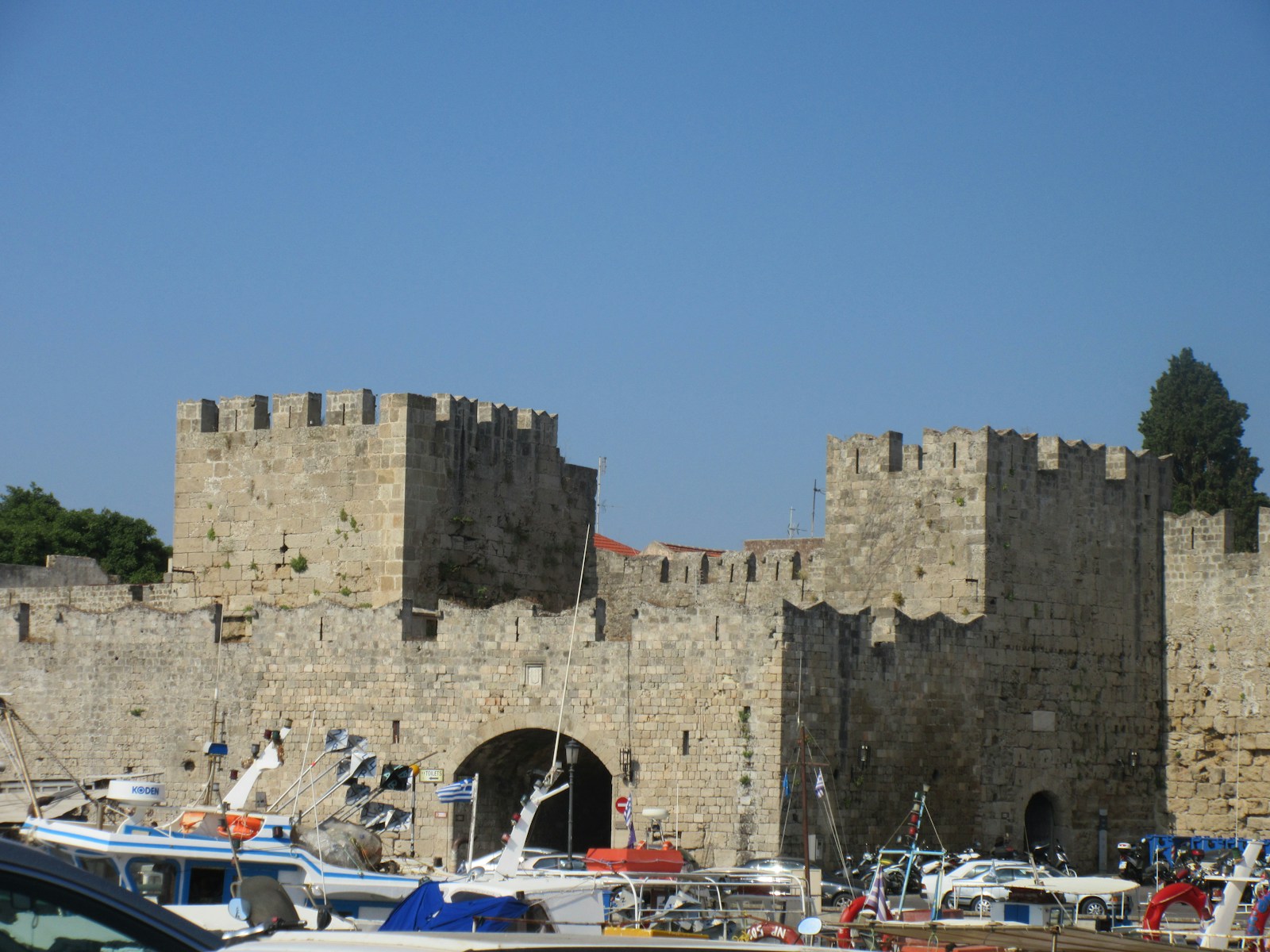
Rent is the single line that decides whether a Greek teaching salary feels generous or tight, and the spread across the country is wide enough to change your whole experience of the job.
In central Athens neighbourhoods, a one-bedroom flat will often ask 550 to 800 euros a month, and more in the areas teachers gravitate to. Move out to the suburbs and the outer metro area, and the same flat commonly drops to 400 to 550. Thessaloniki, which has a large student population and a high concentration of language schools, generally runs cheaper, with one-bedroom flats frequently in the 350 to 500 range.
The mid-sized cities are where the arithmetic turns genuinely comfortable. In places like Patras, Larissa, Ioannina or Volos, teachers regularly report 300 to 450 euros for a decent one-bedroom. On a frontistirio salary, that leaves real breathing room, and competition for teaching posts is thinner too, which is the argument for looking beyond the two big cities in the first place.
Two practical notes. Flatsharing is less established in Greece than in Spain or Italy, so do not assume you will halve your rent that way outside the student districts. And most landlords will want a deposit of one to two months plus the first month up front, so arrive with more cash than you think you need.
Why do island rents behave differently?
Because on an island you are not competing with other residents for a flat, you are competing with tourism.
Winter lets on the popular islands can be startlingly cheap, and a teacher arriving in October may be delighted with what they find. The catch arrives in spring. Many winter lets are priced precisely because the owner intends to put the property on the holiday market from May or June, and the lease ends accordingly. Summer rates on Crete, Rhodes, Corfu and the Cyclades can be two or three times the winter figure, and in August they bear no relation to a teaching wage at all.
If island life is the reason you are going, ask one question before you sign anything: is this a twelve-month lease? If the answer is vague, plan to move in the spring and factor the cost of that move into your budget. Teachers who do this deliberately manage it well. Teachers who discover it in April do not.
★★★★★Verified review
“Enjoyable Experience”
“I really enjoyed the experience learning with The TEFL Institute. I took the IELTS Teacher course and it was fantastic! Loved that it has audio, which, in my opinion, made it easier to study. It is interactive, which also helped me remember the main points. I totally recommend you take a course.”
Lyan · August 2026 · Read the full review · All our reviews
What do utilities and connectivity really cost?
Electricity is the bill that surprises people, and it surprises them more in winter than in summer.
Greek flats are built for heat, not for cold, and a great many have poor insulation and electric heating rather than central heating. A January electricity bill in a draughty older flat can run well past 150 euros, while the same flat in October costs a third of that. Ask what the heating system is before you take a place, and ask to see a previous winter bill if you can. A flat with gas central heating or a heat pump will usually cost less to run than one with electric convectors, whatever the rent difference suggests.
Water and building charges, the koinochrista, are often billed separately and cover shared lighting, cleaning and sometimes communal heating. They are modest, usually 20 to 50 euro a month, but they are real and new arrivals routinely forget to budget for them.
Mobile and broadband are straightforward. A home fibre connection plus a mobile plan with a reasonable data allowance will generally land between 30 and 50 euro a month combined, and prepaid mobile plans are easy to set up before you have a residence permit or a tax number.
How much should you budget for food?
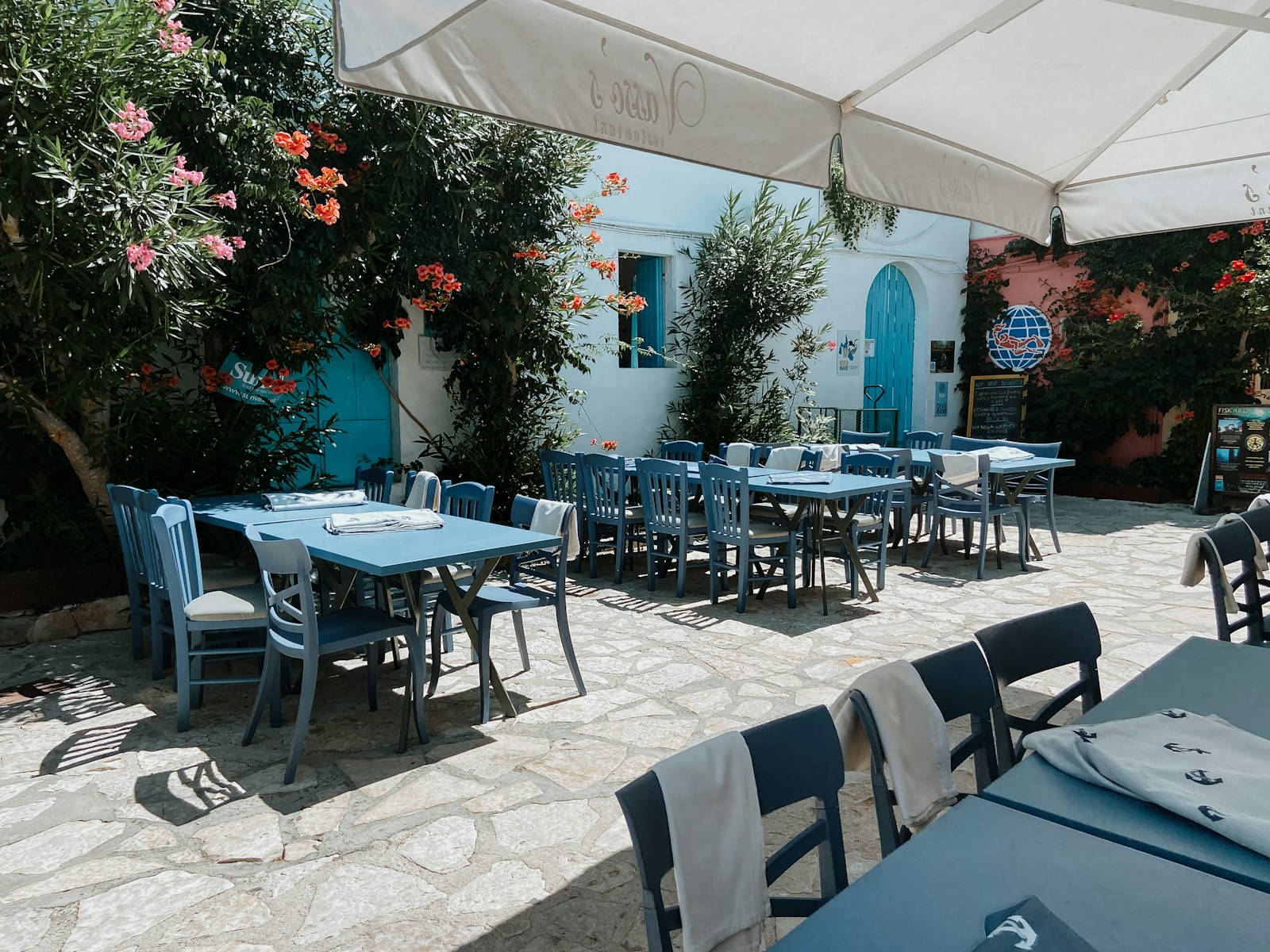
Less than you are used to, and the gap widens if you shop the way Greeks shop.
A single teacher cooking most meals at home will typically spend 180 to 250 euro a month on groceries. The weekly street market, the laiki agora, is where that figure drops: fruit, vegetables and fish are cheaper and better there than in the supermarkets, and going late in the morning gets you the best prices of the day. Olive oil, pulses, seasonal vegetables and bread are all inexpensive. Imported items, branded cereals and anything that had to travel are where Greek supermarket prices stop being a bargain.
Eating out is the genuine pleasure of the budget. A gyros costs a few euros, a coffee sitting down costs three to four euros, and a full meal with wine at a neighbourhood taverna commonly lands between 12 and 20 euros a head. That is why teachers on modest salaries in Greece report a social life that would be unaffordable on the same money in London or Dublin. It is also why the eating-out line quietly doubles if you are not watching it.
What does getting around cost?
Very little, provided you stay in a city with a transport network.
Athens has a monthly pass covering metro, bus, tram and trolley, generally around 30 euros, with a reduced rate for those who qualify. Thessaloniki runs on buses and costs less again. In smaller cities most teachers walk or cycle to work, because the frontistirio you teach in is often in the neighbourhood you live in, and that is one of the quiet advantages of the job.
Inter city travel is where costs appear. Ferries to the islands are seasonal and not cheap in summer, and the domestic flight network is efficient rather than inexpensive. If your plan involves regular island hopping, budget for it separately rather than assuming it fits inside a normal month.
A worked monthly budget on a frontistirio salary
Figures below assume a single teacher on a full-time school contract in a mid-sized Greek city, taking home the lower to middle part of the typical range.
| Line | Amount |
|---|---|
| Net monthly pay, school contract | Approximately 850 |
| Rent, one bedroom | 400 |
| Utilities and building charges | 120 |
| Groceries | 200 |
| Transport and phone | 70 |
| Social and incidentals | 130 |
| Left at month end | Approximately minus 70 |
That is the point of the exercise. On the school contract alone, in an average month, a teacher living normally is close to breaking even and can easily slip into the red. Nothing in that budget is extravagant. It simply shows why almost nobody in Greece teaches on the contract alone.
Academic
The TEFL Institute Group
Cost of Living in Greece for English Teachers
teflinstitute.comWatch on YouTube · The TEFL Institute Group
The ten-month problem nobody mentions
Most frontistiria contracts run from September to June, and July and August are unpaid.
This is the single most important thing in this article, and it is routinely left out of cost-of-living guides, which quietly assume twelve months of income against twelve months of costs. Your rent does not pause in July. Your bills do not pause. What pauses is your salary.
There are three standard answers, and most teachers use some combination. Summer camp work, which is concentrated along the coast and on islands from June to August and often includes accommodation and meals, removes both the income and rent problems at once. Keeping private students through the summer is easier than it sounds, because exam retakes and September resits create real demand. Or setting aside roughly 100 to 150 euros a month across the ten paid months, which is the least pleasant option and the one that works no matter what else happens.
Plan for this before you sign a contract, not in May. Teachers who leave Greece after one year usually cite the summer rather than the salary.
How much does tutoring change the picture?
Substantially, and that is not a rounding adjustment. It is the actual economics of the job.
Private tutoring in Greece commonly pays 15 to 25 euros an hour, with the higher end for exam preparation, and Greek families invest heavily in English certification for their children. Six hours a week at 20 euros adds roughly 480 euros a month, which converts the budget above from a small deficit into a comfortable surplus. Ten hours a week, which is a realistic load alongside an afternoon timetable, changes your situation entirely.
The work tends to find you rather than the other way round. Parents at your school ask, one recommends another, and within a term most teachers have as much as they want. That is one more argument for the smaller cities, where you become a known quantity faster than you would among the hundreds of foreign teachers in Athens.
Check your contract permits it before you start, since it generally does, and be aware that declared tutoring income has tax and insurance implications you should take local advice on.
So is a Greek teaching salary enough?
Yes, with two conditions attached, and no if you ignore them.
The first condition is that you treat the tutoring as part of the job rather than as an optional extra. The second is that you budget across ten months rather than twelve. Teachers who do both live well in Greece, travel domestically, eat out regularly and put a little aside. Teachers who do neither find themselves stretched by February and disillusioned by May, which is a shame, because the problem was arithmetic rather than the country.
Compared with its neighbours, Greece sits lower on pay than Spain or Italy, and lower on cost too; the net position outside the big cities is broadly similar. Our breakdown of the cost of living in Spain for English teachers is a useful comparison if you are weighing the two, and you can compare headline pay across markets on the TEFL Salary Index.
For current national price and inflation data rather than typical ranges, the Hellenic Statistical Authority publishes the official consumer price index, and Eurostat publishes comparative price levels across EU countries, which is the fairest way to sense-check any figure you read on a blog, including this one.
Ready to qualify for a teaching job in Greece?
The budget above assumes you have a contract that starts with a qualification a school can verify. Our Ofqual regulated Level 5 TEFL course is listed on the public register as 610/1571/4 and can be checked on the Ofqual register before an employer even interviews you. If you are still working out whether you can legally take a classroom job, read teaching English in Greece without an EU passport first, then follow the step-by-step guide to getting an English teaching job in Greece. The wider picture of pay, cities and requirements is in our full guide to teaching English in Greece.
Cost of living series: Spain · France · Germany · Poland · Morocco · Mexico · Colombia

Ian O’Sullivan
Founder of The TEFL Institute Group. Ian started the Institute in 2017 to bring honesty to TEFL training and has spent over twenty years in the field, with 161,000 graduates now teaching across 80 countries.
Reviewed 20 September 2026. All costs are approximate typical ranges gathered from teacher reports and market observations, not quoted prices, and they vary by season, city, and landlord. Confirm current figures locally before budgeting.
We love taking your call.

TEFL Institute guides
Plan for 2027
Vietnam
Work permits and requirements
Read the guide
Plan for 2027
Portugal
Jobs, pay and visa routes
Read the guide
Plan for 2027
Estonia
Jobs, pay and work routes
Read the guide
Plan for 2027
Thailand
Visas and teaching licences
Read the guide
Plan for 2027
Taiwan
Buxibans, pay and visas
Read the guide
A one bedroom flat commonly asks 550 to 800 euro in central Athens, 400 to 550 in the suburbs, 350 to 500 in Thessaloniki, and 300 to 450 in mid sized cities such as Patras, Larissa or Volos. Expect to pay a deposit of one to two months plus the first month up front.
Because island property competes with tourism rather than with residents. Winter lets can be very cheap, but many end in May when the owner moves the flat to the holiday market, and summer rates on popular islands can run two or three times the winter figure. Ask whether the lease runs a full twelve months.
Usually not. Most frontistiria contracts run September to June, so you need to budget across ten months of income against twelve months of costs. Teachers cover the gap with summer camp work, which often includes accommodation, by keeping private students, or by setting aside money through the paid months.
Private tutoring commonly pays 15 to 25 euro an hour, with the higher end for exam preparation. Six hours a week at 20 euro adds roughly 480 euro a month, which is usually the difference between breaking even and saving. Check your contract permits it, and take local advice on tax and insurance.
Greece pays less and costs less, so the net position outside the big cities is broadly similar to Spain. Food, transport and eating out are noticeably cheap, while winter electricity in a poorly insulated flat and rent in central Athens are the two costs that surprise new arrivals.