
 United Kingdom (UK)
 United States (US)
 Canada
 South Africa
 India
India Australia
 New Zealand
 China
China Russia
 Germany
 France
 Spain
Spain Netherlands
 Vietnam
 United Arab Emirates
 Italy
Italy Poland
 Thailand
 Türkiye










 Algeria



5 Blended Learning Examples That Boost TEFL Employability 20%
5 Blended Learning Examples That Boost TEFL Employability 20%
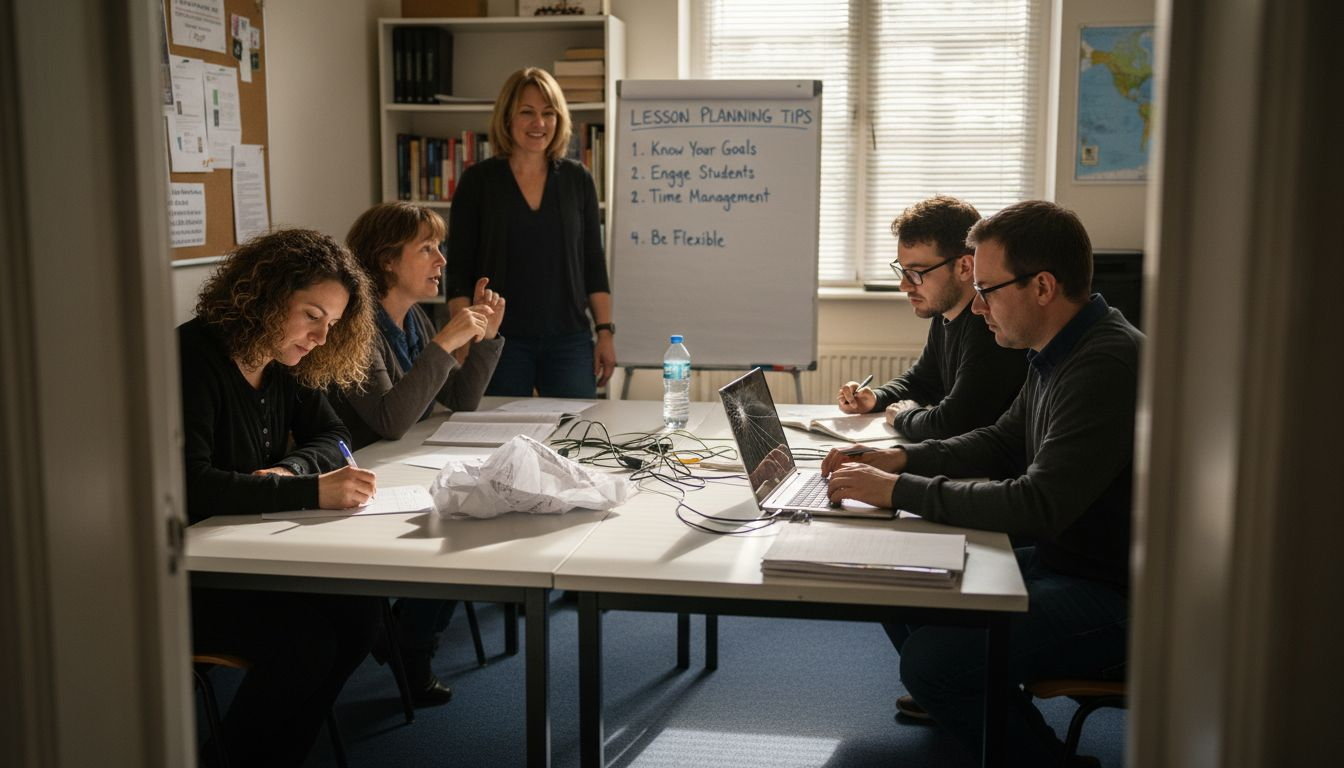
Choosing the right blended learning model can feel overwhelming when you’re trying to build a strong TEFL career. Many aspiring teachers struggle to identify which approaches genuinely enhance their teaching skills and increase job prospects in competitive international markets. This article presents five proven blended learning examples backed by real data, showing you exactly how to select models that boost employability by 20% and build the confidence you need to succeed in diverse teaching contexts.
Table of Contents
- How To Choose The Right Blended Learning Example For TEFL
- Flipped Classroom Models In TEFL
- Technology-Enhanced Blended Learning In TEFL
- Practicum-Based Blended Learning Models
- Hybrid Certification Blended Models
- Challenges In Blended Learning For TEFL Teachers
- Summary Comparison Of Blended Learning Examples For TEFL
- Situational Recommendations: Choosing The Best Blended Learning Pathway
- Boost Your TEFL Career With Our Certified Blended Courses
- Frequently Asked Questions About Blended Learning For TEFL
Key Takeaways
| Point | Details |
|---|---|
| Practicum models increase confidence | Blended learning with micro-teaching practicums raises pre-service teacher confidence by 35%. |
| Hybrid certifications boost employment | Hybrid TEFL certifications lead to 20% higher employment rates compared to fully online programs. |
| Flipped classrooms save time | Flipped classroom models reduce live session time by 30%, perfect for tech-limited environments. |
| Technology enhances engagement | Gamification and AI feedback improve learner engagement by up to 28% in blended TEFL courses. |
| Model selection depends on context | Choose based on your technology access, career goals, and schedule flexibility needs. |
How to Choose the Right Blended Learning Example for TEFL
Selecting an effective blended learning model requires matching the approach to your specific teaching goals and circumstances. Understanding what makes each model work helps you avoid wasting time on programs that don’t align with your needs.
Start by defining your TEFL teaching objectives clearly. Are you building foundational classroom management skills, or do you need advanced techniques for specialized learners? Your answer shapes which blended model delivers the most value. The role of a TEFL teacher varies significantly across contexts, so knowing your target teaching environment helps narrow your options.
Next, assess your technology access honestly. Do you have reliable high-speed internet, or will you depend on mobile data? Your digital literacy level matters too. If you’re comfortable with learning platforms and video conferencing, technology-enhanced models become viable. If not, simpler asynchronous models may serve you better.
Consider engagement and motivation potential carefully. Models incorporating interactive elements like gamification or peer collaboration tend to maintain your interest better than passive video lectures. Higher engagement translates directly to better skill retention and completion rates.
Evaluate practical experience opportunities within each model. Programs offering real teaching practice through practicums or micro-teaching sessions build confidence faster than theory-only approaches. This hands-on component significantly impacts your readiness for actual classroom challenges.
Finally, check scheduling flexibility and time commitments. Some blended models require synchronous attendance at specific times, while others allow completely self-paced progress. Match this to your work schedule, family obligations, and learning style preferences. Choosing your TEFL learning path becomes much clearer when you prioritize what fits your life realistically.
Pro Tip: Create a simple checklist rating each model against your top three priorities (cost, schedule, hands-on practice) to make comparison easier and avoid decision paralysis.
Flipped Classroom Models in TEFL
The flipped classroom approach reverses traditional instruction by delivering theory content asynchronously before live application sessions. You study grammar rules, teaching methodologies, or lesson planning concepts through recorded videos and readings at your own pace. Then you join scheduled online or in-person sessions focused entirely on practicing what you learned.
This model has gained serious traction in TEFL training. Approximately 60% of blended TEFL programs now use flipped classroom elements, reducing live instruction time by 30% compared to traditional formats. That time reduction creates significant flexibility for working adults balancing jobs with certification studies.
The structure works especially well for intermediate and advanced learners who bring some teaching experience or subject knowledge to the table. You need enough autonomy to engage with pre-class materials independently without constant guidance. This self-directed preparation phase builds the critical thinking skills essential for adapting lessons to diverse student needs.
Flipped classrooms shine in low-bandwidth environments because most content can be downloaded during high-connectivity periods or accessed offline. Video lectures compress well, and text-based materials require minimal data. This makes the model accessible even in regions with unreliable internet infrastructure.
The advantages of online TEFL courses amplify when combined with flipped classroom design. You gain scheduling freedom while still receiving guided practice during live sessions. The model balances independence with accountability effectively.
Pro Tip: Before live sessions, summarize your key questions from the asynchronous content in a personal document. This preparation maximizes your participation quality and ensures you address your specific confusion points during instructor-led time.
Technology-Enhanced Blended Learning in TEFL
Technology-enhanced blended learning integrates digital tools like gamification, artificial intelligence feedback, and mobile-optimized content to boost motivation and engagement beyond what traditional methods achieve. These innovations address the motivational challenges many adult learners face when juggling certification studies with full-time responsibilities.
Gamefication elements transform routine exercises into interactive challenges with points, badges, and progress tracking. Research shows gamification increases learner motivation and retention by 25% in TEFL contexts. Simple mechanics like unlocking new lesson modules after completing quizzes or competing on leaderboards make daily study sessions feel less tedious.
AI-powered feedback systems provide immediate responses to your teaching practice videos or written lesson plans without waiting for instructor availability. These tools boost asynchronous engagement by over 22% because you receive constructive criticism exactly when you need it. The algorithms identify patterns in your teaching approach, highlighting both strengths and improvement areas consistently.
Mobile-friendly content delivery addresses the reality that many learners access courses primarily through smartphones rather than computers. Mobile-optimized platforms increase learner satisfaction by 28% by enabling study during commutes, lunch breaks, or any spare moment throughout your day. Responsive design ensures videos, quizzes, and readings display properly on smaller screens.
This model suits tech-savvy adults who already use apps and digital tools regularly in daily life. If you’re comfortable navigating learning management systems and troubleshooting basic technical issues, these enhanced features become advantages rather than obstacles. The innovative technology tools in TEFL continue evolving to make learning more personalized and efficient.
Technology accessibility remains crucial. While these tools offer impressive benefits, they require stable internet and compatible devices. Assess your technical infrastructure honestly before committing to heavily tech-dependent models.
Practicum-Based Blended Learning Models
Practicum-based blended learning combines online theoretical instruction with supervised hands-on teaching practice through micro-teaching sessions. You study lesson planning, classroom management, and language teaching methodologies online, then apply those concepts by teaching short lessons to real learners under expert observation.

This integration delivers measurable confidence gains. Micro-teaching practicums increase pre-service TEFL teacher confidence by 35% compared to theory-only training. That confidence boost comes from experiencing actual classroom dynamics, receiving immediate feedback, and refining your approach iteratively before facing a full teaching load.
The practicum component typically follows a structured progression. You start with brief 5-10 minute micro-lessons focusing on single skills like explaining grammar points or managing classroom transitions. As competence grows, lesson length and complexity increase. Peer observation and facilitator coaching after each session help you identify specific improvements.
These models prove especially effective for building practical classroom skills that online theory alone cannot develop. Managing unexpected student questions, adjusting pacing based on learner comprehension, and projecting teacher presence all require direct experience. The benefits of hybrid TEFL programs become most apparent in practicum contexts where theory meets reality.
The stepwise feedback structure prevents overwhelming beginners. You master foundational techniques before tackling advanced challenges. Each micro-teaching cycle builds competence incrementally, preparing you for genuine teaching roles without the sink-or-swim stress of unprepared classroom entry.
“The practicum transformed abstract teaching theories into concrete skills I could actually use. Receiving specific feedback on my lesson delivery helped me understand what effective teaching actually feels like, not just what textbooks say it should look like.”
This model supports your transition to professional teaching environments by replicating real conditions in a lower-stakes setting. You develop reflexes and confidence that make your first actual teaching position far less daunting.
Hybrid Certification Blended Models
Hybrid certification models blend synchronous online learning sessions with in-person workshops or intensive training periods. You attend live virtual classes regularly for theory and discussion, then complete face-to-face components for hands-on practice, cultural immersion, or final assessments.
The employment impact of this format stands out clearly. Hybrid certification graduates achieve 20% higher employment rates post-certification compared to fully online program completers. Employers value the balanced skill development these programs provide, recognizing that graduates possess both theoretical knowledge and practical application experience.
Employer preference for hybrid credentials extends globally. Approximately 45% of ESL employers worldwide specifically favor candidates with hybrid certification backgrounds over purely online qualifications. This preference reflects confidence that hybrid graduates can adapt to diverse teaching environments more readily.
Cultural competence training embedded in hybrid models enhances preparedness significantly. In-person workshop components increase cultural readiness by 32% by exposing you to cross-cultural communication challenges and diverse teaching contexts firsthand. These experiences prove invaluable when you later teach international students or relocate abroad.
The format suits learners who prioritize job placement outcomes and employer recognition above maximum schedule flexibility. While hybrid programs require committing to specific workshop dates, that trade-off pays dividends in credential marketability. The complete guide to hybrid TEFL explains how to evaluate whether this balance matches your career timeline and constraints.
Hybrid models also foster stronger peer networks than fully online alternatives. In-person intensive periods create relationships with fellow teachers that often translate into ongoing professional support, job referrals, and collaborative opportunities throughout your career.
Challenges in Blended Learning for TEFL Teachers
While blended learning offers clear advantages, significant access barriers affect many aspiring TEFL teachers. Understanding these challenges helps you select models that work within your constraints rather than amplifying frustration.
The digital divide remains a substantial obstacle. Approximately 40% of learners in low-resource areas face reliable internet access and adequate digital literacy barriers that complicate blended learning participation. Inconsistent connectivity disrupts live sessions, and limited data plans make downloading course materials expensive. These technological constraints directly impact motivation, engagement, and ultimately course completion rates.
Device availability compounds access issues. Not everyone owns a computer with webcam and microphone capabilities required for synchronous components. Relying solely on smartphones limits functionality for complex tasks like creating lesson plans or reviewing detailed feedback. Platform compatibility problems arise when course systems don’t support older devices or operating systems.
Digital literacy gaps create additional friction. If you’re unfamiliar with video conferencing etiquette, learning management system navigation, or basic troubleshooting, you spend cognitive energy on technical struggles rather than learning content. This overhead reduces the efficiency gains blended models promise.
Practical solutions exist for mitigating these challenges. Look for programs offering mobile-optimized content designed specifically for smartphone access. Seek courses with downloadable materials you can access offline during connectivity windows. Asynchronous module options reduce dependence on stable real-time connections for live participation.
Pro Tip: Before enrolling, test the program’s platform on your actual devices during a free trial period. Verify that all features work properly with your internet speed and equipment to avoid mid-course technical disasters.
Equipping yourself with foundational digital skills before starting blended programs dramatically improves success rates. Many free resources teach basic video conferencing, file sharing, and learning platform navigation. Investing a few hours in these skills pays dividends throughout your certification journey. Understanding technology challenges in TEFL learning prepares you to troubleshoot issues independently rather than depending on technical support.
Summary Comparison of Blended Learning Examples for TEFL
Comparing blended learning models side by side reveals which approach matches your specific needs and constraints. This data-driven overview synthesizes the key differences across engagement effectiveness, employability outcomes, and practical requirements.
| Model Type | Engagement Impact | Employability Boost | Technology Needs | Best For |
|---|---|---|---|---|
| Flipped Classroom | Moderate | Moderate | Low to moderate | Limited tech access, autonomous learners |
| Technology-Enhanced | High (28% satisfaction increase) | Moderate | High | Tech-savvy adults seeking flexibility |
| Practicum-Based | High (35% confidence gain) | High | Moderate | Pre-service teachers needing hands-on experience |
| Hybrid Certification | High | Very High (20% employment increase) | Moderate to high | Career-focused learners prioritizing job placement |
The comparison shows distinct trade-offs between technology requirements and outcome metrics. Flipped classrooms offer accessibility with decent results, while hybrid certifications demand more resources but deliver superior employment outcomes.
Technology-enhanced models maximize engagement through interactive features but require reliable connectivity and compatible devices. If you have strong digital infrastructure, the motivation benefits justify the technical demands. Without stable access, the same features become frustrations that derail progress.
Practicum-based approaches balance hands-on skill development with manageable technology needs. The confidence gains prove particularly valuable for first-time teachers who need experience before accepting their initial positions. These models bridge the theory-practice gap most effectively.
Hybrid certifications command the highest employer preference and deliver measurable employment advantages. The in-person components add logistical complexity and cost but pay returns through credential marketability and networking opportunities. This hybrid learning guide explores the factors that make hybrid formats worthwhile investments.
Pro Tip: Weight employability impact most heavily if you’re career-switching or entering competitive job markets. Prioritize engagement features if you’ve struggled with course completion in the past. Match technology requirements to your actual access, not aspirational upgrades you hope to make.
Your personal constraints and objectives determine which model serves you best. No single approach works optimally for everyone, which explains why successful TEFL training programs offer multiple pathways.
Situational Recommendations: Choosing the Best Blended Learning Pathway
Matching blended learning models to your specific situation clarifies which path optimizes your investment of time and money. Consider these targeted recommendations based on common learner profiles and goals.
-
Pre-service teachers with limited classroom experience: Choose practicum-based blended learning models that integrate micro-teaching sessions. The 35% confidence boost and hands-on feedback cycles prepare you for real teaching roles more effectively than theory-only alternatives. Prioritize programs offering multiple practice opportunities with progressive complexity.
-
Career changers prioritizing immediate employability: Select hybrid certification models combining online learning with in-person intensive components. The 20% higher employment rate and strong employer preference justify the additional logistical requirements. Network-building during face-to-face sessions creates job referral pathways worth the commitment.
-
Learners in low-bandwidth or tech-limited environments: Opt for flipped classroom models with downloadable content and minimal synchronous requirements. The 30% reduction in live session time and offline-accessible materials accommodate connectivity constraints while maintaining quality instruction. Focus on programs explicitly designed for mobile-first access.
-
Tech-savvy adults seeking maximum flexibility: Embrace technology-enhanced blended learning with gamification, AI feedback, and mobile-optimized delivery. The 28% satisfaction increase and scheduling freedom align with busy professionals who learn effectively through self-directed digital platforms. Ensure your devices and internet meet technical specifications before enrolling.
-
Budget-conscious learners balancing cost and quality: Compare total investment across models, factoring travel costs for hybrid options against potentially longer timelines for flexible formats. Flipped classrooms often offer the best cost-benefit ratio for self-motivated learners, while practicum models justify higher prices through confidence and skill gains.
Conduct honest self-assessment of your technology resources, schedule constraints, learning style preferences, and career timeline. Choosing hybrid TEFL or fully online paths becomes clearer when you prioritize your top three non-negotiable factors and accept trade-offs on lower-priority dimensions. No model excels across all criteria simultaneously.
Boost Your TEFL Career with Our Certified Blended Courses
Ready to transform your teaching skills with proven blended learning that employers recognize and value? Our TEFL certification programs integrate the most effective models discussed here, combining hybrid formats, practicum components, and technology-enhanced delivery to maximize your career prospects.
We design courses specifically for aspiring teachers who need flexible schedules without sacrificing hands-on experience or credential quality. Our graduates achieve consistently higher employment rates because we balance theory with practical application that builds genuine classroom confidence. Whether you’re choosing between fully online convenience or hybrid programs with in-person intensives, we help you find which TEFL course to take based on your exact situation.
Our hybrid TEFL certification guide walks you through options matching different technology access levels, budget constraints, and career timelines. You’ll discover how TEFL skills and transferability extend beyond language teaching into diverse professional contexts, multiplying your career options.
Explore our course catalog today and start building the teaching confidence and credentials that open doors to international opportunities. Your future students are waiting for the skilled, well-trained teacher you’re about to become.
Frequently Asked Questions About Blended Learning for TEFL
What technology do I need for blended TEFL courses?
Most blended TEFL programs require a computer or smartphone with internet access, webcam, and microphone for live sessions. Minimum internet speeds around 5 Mbps ensure stable video conferencing. Many courses offer mobile-optimized content and downloadable materials for offline access, reducing bandwidth demands significantly.
How does blended learning improve TEFL employability?
Blended learning models, especially hybrid certifications, increase employment rates by 20% compared to fully online programs because employers value the balanced skill development. The combination of theoretical knowledge and practical application experience makes graduates more job-ready. Hands-on practicum components build confidence that translates directly into effective classroom performance.
Can I complete a TEFL practicum online?
Yes, many blended programs offer virtual micro-teaching practicums where you teach short lessons via video conferencing to real students while instructors observe and provide feedback. Some programs arrange local in-person practicum placements if you prefer face-to-face practice. Virtual practicums deliver comparable confidence gains to traditional formats when properly structured.
Which blended model is best for beginners?
Practicum-based blended learning works best for complete beginners because it provides guided hands-on experience alongside theory. The stepwise progression and immediate feedback help you build foundational skills before facing full classroom responsibilities. Flipped classroom models suit beginners with strong self-discipline who can engage independently with pre-class materials.
How flexible are hybrid TEFL certifications?
Hybrid certifications offer moderate flexibility, with online components typically allowing asynchronous study but in-person intensive periods requiring attendance on specific dates. Most programs schedule face-to-face workshops during weekends or condensed week-long sessions to accommodate working learners. Plan for 2 to 4 weeks of in-person time over a 3 to 6 month certification period depending on program structure.
Do employers prefer specific blended learning models?
Employers show strongest preference for hybrid certifications because approximately 45% of ESL employers worldwide specifically seek these credentials. The in-person components signal practical readiness and cultural competence that purely online certifications may lack. Practicum-based models also receive favorable recognition due to demonstrated teaching experience they provide.
Recommended
- 7 Best TEFL Specializations 2025 for Career Growth | TEFL Institute
- Benefits of Hybrid TEFL Programs for Future Educators
- 5 Effective TEFL Teaching Methods for Young English Learners
- ESL Teaching Tips 2025: Boost Oral Proficiency by 40% | TEFL Institute
- Resume Formatting for Career Changers: Proven Strategies | MatchJD
- Jeu de rôles en formation : Booster cohésion et leadership