United Kingdom (UK)
 United States (US)
 Canada
 South Africa
 India
India Australia
 New Zealand
 China
China Russia
 Germany
 France
 Spain
Spain Netherlands
 Vietnam
 United Arab Emirates
 Italy
Italy Poland
 Thailand
 Türkiye








 Algeria


Role of a TEFL Teacher: Impact on Learning Success
Role of a TEFL Teacher: Impact on Learning Success

More than one billion people are learning English worldwide, and American TEFL teachers are at the heart of this global movement. Teaching English as a Foreign Language is not just about grammar lessons. It is about creating opportunities, building cross-cultural understanding, and transforming students’ futures. This guide breaks down what it really means to be a TEFL teacher, shining a light on the skills, settings, and responsibilities that shape this rewarding career.
Table of Contents
- What A TEFL Teacher Means
- TEFL Contexts And Classroom Settings
- Core Teaching Responsibilities And Roles
- Required Qualifications And Professional Skills
- Challenges, Ethical Duties, And Best Practices
Key Takeaways
| Point | Details |
|---|---|
| Role of TEFL Teachers | TEFL Teachers are cultural ambassadors who empower non-native speakers through tailored language instruction and immersive experiences. |
| Classroom Settings | TEFL instruction occurs across diverse environments, from traditional schools to online platforms, requiring flexible teaching methods. |
| Core Responsibilities | Teachers must design engaging lesson plans that enhance listening, speaking, reading, and writing skills, addressing individual student needs. |
| Professional Skills | Successful TEFL educators embody emotional intelligence and adaptability, continuously refining their teaching practices to foster genuine communication. |
What A TEFL Teacher Means
A TEFL Teacher is a specialized educator dedicated to teaching English to non-native speakers in environments where English is not the primary language. Teaching English as a Foreign Language represents a dynamic professional pathway that goes far beyond traditional language instruction.
The role encompasses more than simply translating words and grammar rules. TEFL teachers are cultural ambassadors who help students develop comprehensive communication skills. Their responsibilities include designing engaging lesson plans, adapting teaching strategies to diverse learning styles, and creating immersive language experiences that transform students’ understanding of English. Whether working in language schools, universities, or through online platforms, these educators play a critical role in bridging linguistic and cultural gaps.
Successful TEFL teachers possess a unique blend of skills. They must be patient communicators, creative curriculum designers, and adaptive learners who understand the nuanced challenges of language acquisition. Exploring the skills needed for TEFL teaching reveals that effective instructors combine linguistic expertise with interpersonal intelligence, allowing them to connect with students from varied cultural backgrounds.
Ultimately, a TEFL teacher’s impact extends beyond language proficiency. They help students gain confidence, expand global communication capabilities, and open doors to international opportunities. By transforming language learning from a technical exercise into an engaging, meaningful journey, these educators do far more than teach English – they empower individuals to connect with the world in profound and transformative ways.
TEFL Contexts And Classroom Settings
TEFL classroom settings represent a dynamic and diverse landscape of educational environments where language instruction takes place. Teaching contexts vary widely, spanning from traditional public schools to cutting-edge online platforms, each presenting unique challenges and opportunities for English language educators.
Classroom settings can be categorized into several primary contexts. In-person environments include public and private schools, language institutes, universities, and corporate training centers. Each setting demands specialized instructional approaches. Public school classrooms might require structured curriculum adherence, while corporate training focuses on professional communication skills. Exploring classroom management techniques becomes critical in navigating these diverse educational landscapes.
TEFL teachers must also be prepared for technological transformations in language instruction. Online platforms and digital classrooms have expanded the traditional boundaries of language education. These virtual environments require sophisticated technological skills, interactive teaching methods, and the ability to engage students across digital interfaces. Virtual classrooms demand different engagement strategies compared to physical settings, emphasizing adaptability and technological proficiency.
Ultimately, successful TEFL instruction transcends physical spaces. Whether in a bustling urban language school or a remote digital classroom, effective teachers create meaningful learning experiences. They understand that language learning is fundamentally about connection – bridging cultural gaps, building communication confidence, and empowering students to express themselves authentically across linguistic boundaries.
Core Teaching Responsibilities And Roles
TEFL educators carry profound responsibilities that extend far beyond simple language instruction. Developing comprehensive language skills requires a multifaceted approach involving intricate understanding of linguistic and cultural nuances. These professionals must simultaneously act as language experts, cultural ambassadors, curriculum designers, and student motivators.
The core teaching responsibilities encompass several critical dimensions. TEFL teachers must design engaging lesson plans that target four primary language skills: listening, speaking, reading, and writing. This involves creating adaptive strategies that accommodate diverse learning styles and individual student needs. Exploring classroom management techniques becomes essential in maintaining an effective learning environment that encourages student participation and linguistic growth.

Beyond technical language instruction, TEFL teachers serve as critical cultural interpreters. They help students understand contextual language use, idiomatic expressions, and subtle communication norms that textbooks cannot fully capture. This role requires exceptional interpersonal skills, emotional intelligence, and the ability to create safe, inclusive learning spaces where students feel comfortable experimenting with new language skills.
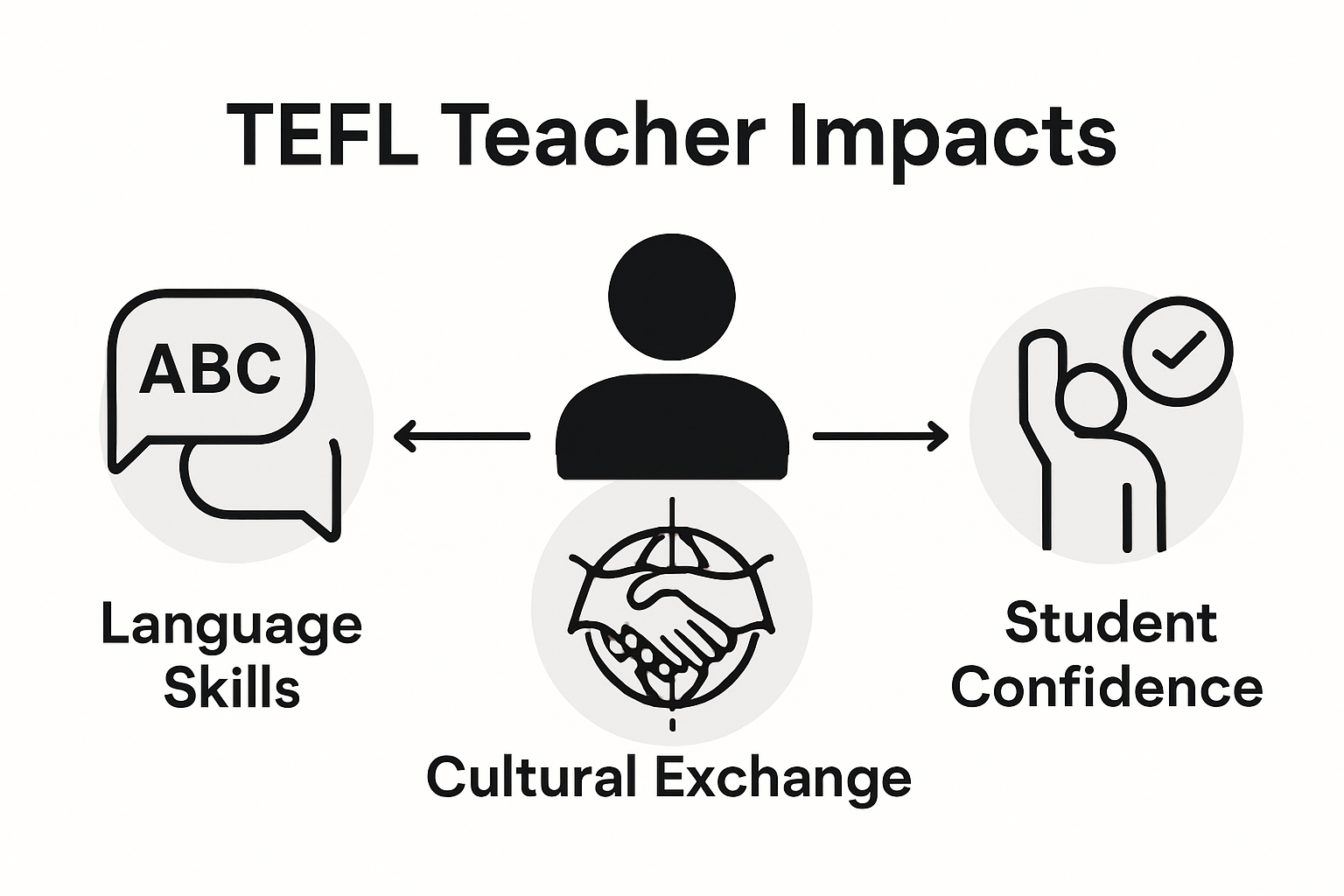
Ultimately, successful TEFL educators are transformative professionals who recognize that language learning transcends grammatical structures. They are architects of communication, building bridges between cultures, empowering students to express themselves authentically, and opening global opportunities through linguistic proficiency. Their impact extends far beyond the classroom, helping individuals connect, understand, and navigate an increasingly interconnected world.
Required Qualifications And Professional Skills
Becoming a successful TEFL professional requires a comprehensive set of academic and personal qualifications. TEFL teachers typically need specific educational credentials, including a bachelor’s degree and a specialized TEFL certification that demonstrates comprehensive language teaching competence. Most professional programs mandate a minimum of 100 hours of intensive training to ensure educators are fully prepared for the complexities of language instruction.
The professional skills required extend far beyond traditional academic qualifications. Effective TEFL teachers must cultivate a robust set of interpersonal and technical capabilities. These include exceptional communication skills, cultural adaptability, technological proficiency, and the ability to design dynamic, engaging lesson plans. Exploring professional development strategies reveals that successful educators continuously refine their instructional techniques, staying current with innovative teaching methodologies and emerging language learning technologies.
Critical professional competencies include emotional intelligence, cross-cultural communication, and adaptive teaching strategies. TEFL professionals must quickly assess individual student learning styles, create inclusive classroom environments, and develop personalized approaches that accommodate diverse linguistic backgrounds. This requires a nuanced understanding of language acquisition theory, psychological learning principles, and the ability to create supportive, motivational educational experiences.
Ultimately, becoming an exceptional TEFL teacher is a journey of continuous learning and personal growth. The most successful educators view their role not just as language instructors, but as cultural ambassadors and transformative learning facilitators. They understand that effective language teaching transcends grammatical instruction, focusing instead on building confidence, fostering genuine communication skills, and empowering students to connect authentically across linguistic and cultural boundaries.
Challenges, Ethical Duties, And Best Practices
TEFL educators navigate a complex landscape of professional challenges that demand exceptional skill and ethical commitment. Managing diverse classroom environments requires nuanced understanding of individual learning needs, cultural sensitivities, and adaptive teaching strategies. These professionals must consistently balance pedagogical effectiveness with deep respect for students’ unique backgrounds and learning trajectories.
Ethical responsibilities form the cornerstone of effective TEFL instruction. Teachers must proactively address potential cultural biases, create inclusive learning spaces, and ensure educational practices remain student-centered and respectful. Exploring professional development strategies reveals that the most successful educators approach their role as cultural ambassadors, committed to creating transformative learning experiences that transcend linguistic instruction.
Key challenges in TEFL include navigating technological disruptions, addressing varied student proficiency levels, and maintaining engagement in both physical and digital classrooms. This requires continuous professional development, technological adaptability, and a deep commitment to understanding emerging language learning methodologies. TEFL teachers must remain flexible, continuously updating their skills to meet the dynamic demands of global language education.
Ultimately, exceptional TEFL educators recognize that their impact extends far beyond language instruction. They are bridge builders, cultural interpreters, and catalysts for personal and professional transformation. By maintaining the highest ethical standards, embracing complexity, and approaching each teaching opportunity with empathy and intellectual curiosity, they create profound opportunities for cross-cultural understanding and personal growth.
Empower Your Career as a TEFL Teacher and Make a Lasting Impact
The role of a TEFL teacher requires more than just language knowledge. You face challenges like adapting to diverse learning styles, bridging cultural gaps, and creating engaging lesson plans that truly empower students. If you want to transform these challenges into strengths and become a confident, impactful educator, specialized training is essential. Our courses focus on critical skills such as cultural adaptability, classroom management, and dynamic curriculum design, helping you meet the evolving demands of TEFL instruction.
Discover how to build your expertise with flexible online programs designed for both aspiring and experienced teachers. Start your journey today at TEFL Institute and gain the professional qualifications and practical skills needed to succeed in varied classroom settings. Visit our course catalog to explore certifications that align with your career goals and join a community committed to transforming English language education worldwide.
Frequently Asked Questions
What is the primary role of a TEFL teacher?
The primary role of a TEFL teacher is to educate non-native speakers in English by developing their language skills in speaking, listening, reading, and writing, while also serving as a cultural ambassador.
What qualifications do I need to become a TEFL teacher?
To become a TEFL teacher, you typically need a bachelor’s degree and a TEFL certification that includes at least 100 hours of training in language instruction.
How do TEFL teachers adapt their teaching methods to different learning styles?
TEFL teachers adapt their teaching methods by designing engaging lesson plans that accommodate various learning styles, employing diverse instructional strategies, and creating inclusive classroom environments.
What challenges do TEFL teachers face in their classrooms?
TEFL teachers face challenges such as managing diverse student proficiency levels, addressing cultural sensitivities, and navigating technological changes in both physical and digital classrooms.
Recommended
TEFL Institute guides

Japan
JET, ALT and eikaiwa pay
Estonia
Jobs, pay and work routes
Mexico
Jobs, pay and cities
Italy
Jobs, pay and visa routes
Portugal
Jobs, pay and visa routes