
 United Kingdom (UK)
 United States (US)
 Canada
 South Africa
 India
India Australia
 New Zealand
 China
China Russia
 Germany
 France
 Spain
Spain Netherlands
 Vietnam
 United Arab Emirates
 Italy
Italy Poland
 Thailand
 Türkiye








 Algeria


What Can You Do With a TEFL Certificate in 2026?
What Can You Do With a TEFL Certificate in 2026?

TL;DR:
- A TEFL certificate is a widely recognized qualification for teaching English worldwide, opening opportunities in schools, online platforms, and governments. It qualifies teachers for roles in private and public schools, universities, corporate training, and online teaching, with many countries requiring it for visas. Experienced teachers can advance into curriculum design, teacher training, management, and specialized exam instruction.
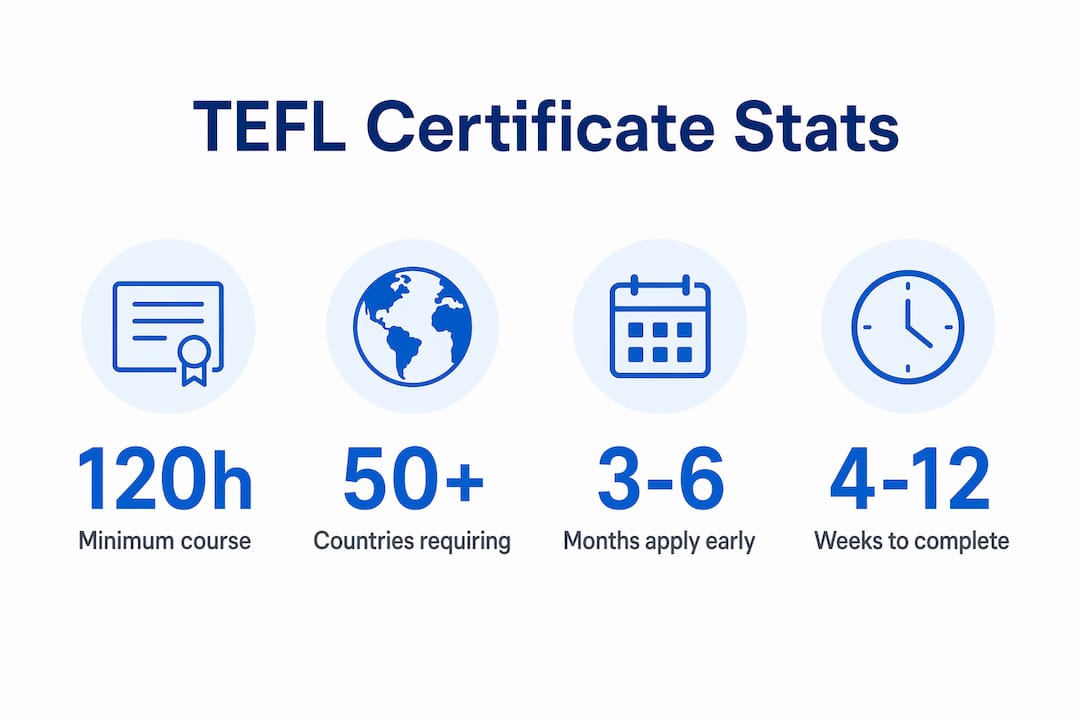
A TEFL certificate is a globally recognized credential that qualifies you to teach English to non-native speakers in schools, language centers, and online platforms worldwide. What can you do with a TEFL certificate goes far beyond standing in front of a classroom. The 120-hour accredited TEFL certification is the industry standard for entry-level teaching positions in 2026, and many countries legally require it for work visa eligibility. Whether you want to live abroad, work remotely, or build a long-term career in education, TEFL certification opens a wide range of doors.
What can you do with a TEFL certificate: jobs and roles
TEFL certification qualifies you to teach English in public schools, private language schools, universities, and online platforms. These settings each have different expectations, student profiles, and salary structures. Understanding the full range of roles helps you target the right opportunity from the start.
The most common positions for newly certified teachers include:
- Private language school instructor: These schools hire TEFL-certified teachers to deliver general English courses to adults and children. Class sizes are typically small, and lessons focus on conversation, grammar, and exam preparation.
- Public school English teacher: Many governments place foreign English teachers in state schools through official exchange programs. South Korea’s EPIK program and Japan’s JET program are two of the most recognized examples.
- University English lecturer: Some universities hire TEFL-certified teachers for English for Academic Purposes (EAP) courses. A degree is usually required alongside the TEFL certificate for these roles.
- Corporate English trainer: Companies hire TEFL-certified teachers to run business English sessions for employees. This role pays well and often involves flexible scheduling.
- Volunteer English teacher: Organizations in developing regions recruit TEFL-certified volunteers for community education projects. Pay is minimal, but the experience builds a strong teaching portfolio.
- Online English tutor: Platforms that connect students with teachers globally hire TEFL-certified instructors for one-on-one or group video lessons.
TEFL responsibilities include lesson planning, student assessment, classroom management, and applying ESL methodologies such as Communicative Language Teaching (CLT) and Task-Based Language Teaching (TBLT). These are transferable skills that carry value across every teaching context.
Pro Tip: Complete a TEFL course that includes an observed teaching practicum. Employers in competitive markets like Japan, South Korea, and the UAE consistently rank practical classroom experience above course hours alone.

Which countries require a TEFL certificate?
Many countries mandate a 120-hour TEFL certificate for work visa eligibility. Without it, legal employment at reputable schools is often unavailable. The table below outlines key markets and their general requirements.
| Country | TEFL Required | Degree Required | Notes |
|---|---|---|---|
| Spain | Yes | Preferred | Work visa typically requires both |
| Germany | Yes | Yes | Strong demand for business English |
| Czech Republic | Yes | Preferred | Active private language school market |
| South Korea | Yes | Yes | Government programs require both |
| Japan | Yes | Yes | JET program requires a degree |
| UAE | Yes | Yes | Competitive salaries; both required |
| Portugal | Yes | Preferred | Growing demand in Lisbon and Porto |
Countries like Spain, Germany, the Czech Republic, South Korea, Japan, and the UAE require TEFL certification for visa and work eligibility. Some employers in markets like Japan and South Korea will consider candidates without a degree if the TEFL certification is strong and includes a practical teaching component. Research the specific requirements of your target country before applying, because visa rules change and school policies vary.
For a detailed breakdown of European requirements, the TEFL certifications for Europe guide from Teflinstitute covers country-specific rules for Spain, Germany, France, Italy, and more.
Pro Tip: Apply for positions three to six months before your intended start date. Schools in South Korea and Japan often complete hiring cycles well in advance of the academic year.
Career advancement with a TEFL certificate
A TEFL certificate is an entry point, not a ceiling. Experienced teachers regularly move into roles that carry more responsibility and higher pay. The career paths available to TEFL-certified professionals extend well beyond the classroom.
Advancement opportunities include:
- Curriculum developer: Design course materials, syllabi, and assessment frameworks for language schools or educational publishers. This role suits teachers with strong writing skills and a deep understanding of second-language acquisition theory.
- Teacher trainer: Deliver training programs for newly certified TEFL teachers. Many training centers require candidates to hold a higher qualification such as the Cambridge DELTA or a master’s degree in TESOL.
- Academic manager or director of studies: Oversee teaching staff, manage timetables, and maintain academic standards at a language school. This is a natural progression for teachers with three or more years of classroom experience.
- IELTS or exam preparation instructor: Specialize in preparing students for high-stakes English proficiency exams. Teflinstitute offers a dedicated IELTS teacher training course for teachers who want to enter this niche.
- Educational resource creator: Write lesson plans, produce video content, or develop digital learning materials for publishers and online platforms.
- Language school manager: Move into operations, handling enrollment, marketing, and staff management for a private language school.
Experienced TEFL teachers commonly pursue continuing professional development through higher qualifications like the Cambridge DELTA or a master’s in TESOL. These credentials open doors to academic management and education policy roles that are not accessible with a 120-hour certificate alone.
How to use your TEFL certificate for online teaching
Online English teaching is a substantial segment of the global education market, and TEFL-certified teachers are well positioned to enter it. The demand for qualified online instructors has grown steadily, and the work-from-anywhere model attracts teachers who want flexibility without sacrificing professional credibility.
To build a successful online teaching career with your TEFL certificate, follow these steps:
- Identify the right platforms. Online teaching platforms hire TEFL-certified teachers for one-on-one and group video lessons. Entry-level platforms typically require a TEFL certificate and a stable internet connection. More specialized platforms may require subject expertise or exam preparation credentials.
- Build your digital skill set. Modern TEFL classrooms integrate technology including learning management systems and AI-assisted tools. Familiarity with platforms like Zoom, Google Classroom, and interactive whiteboard tools makes you a stronger candidate.
- Create a professional profile. Upload your TEFL certificate, record a short introduction video, and list your teaching specializations. Profiles with verified credentials and clear specializations attract more bookings.
- Set a competitive rate. New online teachers typically start at lower rates to build reviews and repeat students. Rates increase as you accumulate positive feedback and develop a niche, such as business English or exam preparation.
- Diversify your income. Many TEFL-certified online teachers combine platform work with freelance tutoring, content creation, or corporate training contracts. Teflinstitute’s resource on making money with TEFL online outlines seven practical approaches for building multiple income streams.
Some online employers hire teachers without degrees if the TEFL certification is strong and includes practical teaching experience. This makes online teaching one of the most accessible entry points for newly certified teachers who are still building their credentials. Flexible scheduling also allows teachers to run online sessions alongside in-person roles, which accelerates both income and experience.
Key Takeaways
A TEFL certificate is the industry-standard credential that qualifies you to teach English abroad and online, with a 120-hour accredited course meeting the legal and professional requirements of most countries in 2026.
| Point | Details |
|---|---|
| Industry standard certification | A 120-hour accredited TEFL certificate meets entry-level requirements in most countries and online platforms. |
| Visa and legal eligibility | Countries including Spain, South Korea, Japan, and Germany require TEFL certification for legal work authorization. |
| Diverse job roles | Certified teachers work in private schools, public schools, universities, corporate training, and online platforms. |
| Career progression | Experienced teachers advance into curriculum development, teacher training, academic management, and exam instruction. |
| Online teaching access | TEFL certification opens the online English teaching market, with some platforms hiring without a degree requirement. |
The reality of teaching English abroad that most guides skip
New TEFL teachers often focus entirely on the classroom and underestimate the administrative side of the job. TEFL teachers handle placement tests, progress reports, and ongoing communication with parents or corporate clients. These tasks are not optional extras. They are part of the job description at most reputable schools.
The teachers who advance fastest are not always the most creative lesson planners. They are the ones who show up prepared, communicate clearly with management, and treat the administrative work with the same professionalism as the teaching itself. Schools promote people they can trust with responsibility, not just people who run engaging classes.
Adaptability matters more than most candidates expect. A lesson plan that works perfectly with one group will fall flat with another. The ability to read a room, adjust your approach mid-lesson, and stay calm under pressure separates effective teachers from frustrated ones. This is exactly why TEFL programs that include observed teaching practicums produce more job-ready graduates than those that are purely theoretical.
My honest advice: treat your first year abroad as a learning contract, not a vacation with a paycheck. The teachers who thrive long-term are those who invest in professional development early, whether through a Cambridge DELTA, a TESOL master’s program, or specialized certifications in exam preparation. The TEFL certificate gets you in the door. What you do once you are inside determines how far you go.
— Muller
Teflinstitute courses for certified teachers
Teflinstitute offers accredited TEFL programs built to meet the 2026 industry standard, whether you are starting out or expanding your credentials.
The 120-hour TEFL course meets the legal and professional requirements for teaching in Europe, Asia, and online platforms. For teachers who want to move beyond entry-level roles, the 240-hour Master TEFL course provides externally accredited advanced training in pedagogy, curriculum design, and classroom management. Teflinstitute also offers in-person certification options in New York City and Texas for candidates who prefer a classroom-based learning environment. All programs include access to career support resources and verified digital certificates recognized by employers worldwide.
FAQ
What jobs require a TEFL certificate?
Private language schools, public school exchange programs, corporate English training roles, and most online teaching platforms require a TEFL certificate. Some positions also require a university degree alongside the certification.
Can you teach abroad with TEFL and no degree?
Some employers in markets like Japan, South Korea, and the UAE will hire TEFL-certified teachers without a degree if the certification includes practical teaching experience. Most government-sponsored programs, however, require both a degree and a TEFL certificate.
Do you need TEFL to teach English online?
Most reputable online teaching platforms require a TEFL certificate as a minimum qualification. Some entry-level platforms accept native English speakers without formal credentials, but certified teachers consistently earn higher rates and attract more students.
How long does it take to get TEFL certified?
A 120-hour accredited TEFL course typically takes four to twelve weeks to complete, depending on whether you study full-time or part-time. Online courses offer flexible scheduling that allows you to study around existing work or travel commitments.
What is the difference between TEFL and TESOL?
TEFL stands for Teaching English as a Foreign Language and refers to teaching English in countries where it is not the primary language. TESOL stands for Teaching English to Speakers of Other Languages and covers both foreign and second-language contexts. Employers and visa authorities generally treat both credentials as equivalent when the course meets the 120-hour accredited standard.
Recommended
TEFL Institute guides

Spain
Jobs, pay and visa routes
Estonia
Jobs, pay and work routes
Italy
Jobs, pay and visa routes
Portugal
Jobs, pay and visa routes
Czech Republic
Pay, visas and cities