United Kingdom (UK)
 United States (US)
 Canada
 South Africa
 India
 Australia
 New Zealand
 China
 Russia
 Germany
 France
 Spain
 Netherlands
 Vietnam
 United Arab Emirates
 Italy
 Poland
 Thailand
 Türkiye





 Algeria


Last reviewed: 6 November 2026
The best TEFL certification to teach English online is an accredited certificate of at least 120 hours, which is the minimum most online schools list, with an Ofqual-regulated Level 5 TEFL Diploma if you want the better paid adult, business and exam work. A few marketplaces ask for no certificate at all, and they pay accordingly.
This guide is written for two groups who make up a large share of the online English teaching workforce: South Africans, who are on most platforms’ native speaker lists but not all of them, and Americans, who can join almost anything but face a few state rules and a tax form at the end of the year. We went to each platform’s own tutor page or job listing, noted what it asks for and what it publishes about pay, and converted the figures to rand and dollars at the European Central Bank reference rates of 6 November 2026. Where a platform does not publish a rate, we say so rather than guess.
Key takeaways
- Most online English schools list a 120-hour accredited TEFL certificate as their minimum, and the ones that pay more than about US$15 an hour (R248) tend to ask for a certificate plus a degree or experience.
- Marketplaces such as Cambly and Preply do not require a certificate, but Cambly pays a fixed US$10.20 an hour for adult lessons and Preply takes 33 percent commission from a new tutor, so the certificate is what lets you move up from that tier.
- An Ofqual-regulated Level 5 TEFL Diploma sits on a government register that an employer can check in seconds, which matters most for business English, exam preparation and private clients who are paying US$25 an hour or more.
- South Africans are accepted on Cambly, NativeCamp, Engoo, Preply, italki and Cafetalk, and Korean company Carrot Global publishes a separate rand-equivalent rate for them. Open English hires native speakers from North America only, and Ringle recruits from a list of universities.
- Americans can teach on every platform in this guide, but Cambly does not allow tutoring from California, Massachusetts or New Jersey, and net self-employment income of US$400 or more means a Schedule SE at tax time.
- A 30-hour specialist course in teaching English online, business English or young learners is the cheapest way to raise your rate once the core certificate is in place.
What is the best TEFL certification to teach English online?
The best TEFL certification to teach English online is the one the platforms you are aiming at will accept and the students you want will pay for, and in practice that means a verifiable certificate of 120 hours or more for the schools and a Level 5 TEFL Diploma for the premium end. The online market is really three markets stacked on top of each other, and each one asks for something different.
At the bottom are the conversation marketplaces, which want a native or near native speaker, a webcam and a pleasant manner, and pay a flat rate or let you set one. In the middle are the online schools, which supply the students and the curriculum and in return ask for a certificate, often a degree, and fixed availability. At the top are the business English providers, the exam preparation specialists and your own private clients, who pay the most and check the most. The table shows what twelve of the most used platforms published when we checked them.
| Platform | Who the students are | Certificate required? | Degree? | Nationality or language rule | Published pay | Checked |
|---|---|---|---|---|---|---|
| Cambly | Adults worldwide, Cambly Kids for children | No | No | Native English speaker, 18 or over; cannot tutor from California, Massachusetts or New Jersey | US$0.17 a minute, US$10.20 an hour (about R169); Kids US$12 an hour; Pro US$15 an hour; paid on active minutes | 6 Nov 2026 |
| Preply | Adults and children worldwide | No | No | None | You set your rate; commission 100 percent on a trial, then 33 percent falling to 18 percent after 400 hours | 6 Nov 2026 |
| italki | Adults worldwide | No for community tutors; a teaching qualification for the professional teacher tier | No | None | You set your rate; commission 21 percent on single lessons, 15 to 19 percent on packages | 17 Sep 2026 |
| Engoo (DMM Eikaiwa) | Mostly Japanese adults | No | No | 18 or over, proficient in English; native speakers are paid on a higher scale | Not published on the tutor page | 17 Sep 2026 |
| NativeCamp | Mostly Japanese, plus Korea, Taiwan and elsewhere | Not for native speakers; 120 hours for everyone else | No | Accepts South Africa, the USA, UK, Ireland, Canada, Australia, New Zealand and more | 430 coins, about US$9 (R149), for a booked 25 minute class; 192 coins, about US$4, for a sudden lesson | 6 Nov 2026 |
| Novakid | Children aged 4 to 12, worldwide | Yes: a degree in education or an international certificate such as TEFL | Not if you hold the certificate | C1 English or above, online teaching experience | Not published, described as competitive | 17 Sep 2026 |
| Lingoda | Adults, mainly Europe | Yes | No | C2 in the language, 2 to 3 years’ experience | Not published | 17 Sep 2026 |
| Twenix | Adult professionals in Spain and Italy, 26 minute classes | Helpful, not required | No | Registered as a freelancer where you live | Set by country of residence, not published on the listing | 6 Nov 2026 |
| Ringle | Korean adult professionals, 20 or 40 minute lessons | No | Current students and graduates of leading universities, mostly in the USA | Native level English | Headline US$17 to US$22 an hour (about R281 to R364) | 6 Nov 2026 |
| Cafetalk | Adults in Japan, Korea, Taiwan and China | Yes for English | No, but not open to current students | Native or near native speakers | You set your price in yen points; tutor fee rises with lessons taught | 6 Nov 2026 |
| Carrot Global | Korean adult professionals, video and phone | Preferred | Yes | Native English speaker; 25 or more hours in Korean peak times | US$11 to 13 an hour for US and British nationals; KRW 13,000 to 14,000 an hour (about R158 to R170) for South Africans | Listing of Aug 2026 |
| Open English | Adults in Latin America | Preferred | Preferred | Native speakers from North America; 10 to 26 hours a week | Not published | 6 Nov 2026 |
Two things stand out. The platforms that skip the certificate also fix the pay, usually at or below US$12 an hour, and the only platforms in the table that publish a rate above that either recruit from a closed pool, as Ringle does, or let you set the price yourself and take a cut. The certificate is not what gets you onto a marketplace. It is what gets you off the bottom rung of one.
Do you need a TEFL certificate to teach English online?
Not on every platform, but you need one for most online schools and for every employer that pays above the conversation marketplace rate. Cambly’s own tutor FAQ says no teaching certificate, degree or experience is needed, and Preply says the same, which is why both are the usual first stop for a new teacher in Cape Town or Chicago.
The reason to get the certificate anyway is what happens next. Novakid asks for an international certificate or an education degree before it will interview you. Cafetalk’s English category is open only to native or near native speakers who hold a teaching certificate. Lingoda wants a certificate and two to three years’ experience. And on the marketplaces, where students choose from a list of profiles, a certificate is one of the few things that justifies a higher rate than the tutor above and below you. Our page on teaching English online walks through the full set of requirements, from equipment to payment channels; this guide is about the qualification alone.
Is a 120-hour TEFL certificate enough to teach English online?

Yes, for the great majority of online schools and marketplaces a 120-hour accredited certificate is the standard they list, and it is the qualification most new online teachers start with. It covers lesson planning, grammar, teaching speaking and listening, and the basics of managing a class through a screen, which is what a demo lesson tests.
What it will not do is open the doors that are marked by a different label. Lingoda’s requirement is experience as much as paper. Business English providers in Europe and the Gulf tend to shortlist on a regulated qualification because their corporate clients ask them to. Private clients paying for IELTS or TOEFL preparation want evidence you have been trained in exam teaching, not just in English. Our 120 Hour Advanced TEFL Course is built for the first tier and most of the second. For the third, read on.
One honest warning. The platforms that need no certificate have also been limiting intake. Cambly’s support pages say it is temporarily restricting the number of new tutors to protect existing tutors’ schedules, which means a profile with a verifiable certificate and a specialism is more likely to be approved than one with neither when places are rationed.
120 hours or the 180 hour Level 5 Diploma: which one fits your plan?
When is a Level 5 TEFL Diploma worth it for online teaching?
A Level 5 TEFL Diploma is worth it when you want online teaching to be a main income rather than a side one, because the work that pays a main income, business English for companies, exam preparation, academic English and private clients at US$25 to US$40 an hour, is bought by people who check qualifications. On a marketplace it is also the clearest reason a student can see for paying you more than the tutor next to you.
The difference is not the number of hours. It is who stands behind the certificate. Our 180 Hour Level 5 TEFL Diploma is regulated by Ofqual, the qualifications regulator for England, under qualification number 610/1571/4, awarded by Highfield Qualifications through Approved Centre 21335, and sits at the same RQF Level 5 as a CELTA. A corporate training manager in Frankfurt or a parent in Seoul can look it up on the Ofqual register without asking you anything. That is the practical meaning of regulated, and our explainer on what Ofqual regulated actually means covers the detail. If you plan to stay on Cambly for a few hours a week, the Diploma is more than you need. If you plan to build a timetable of adult professionals, it is the qualification that keeps paying for itself.
What do online platforms actually check when you upload a certificate?
They check that the certificate exists, that the provider exists, and that the hours on it match the hours they ask for, and the stricter ones check that the accrediting or regulating body is real. A screenshot of a PDF from a provider nobody can find does not pass that test, which is why so many applications stall at the document stage.
The useful habit is to make verification easy. Keep the certificate number, the awarding body and the regulator’s reference together in your profile, and link to the register where one exists. Online schools that interview in Asia, Europe and Latin America see every kind of certificate, and the ones that can be confirmed in a minute move through faster. Our guide to accredited TEFL certification explains the difference between a private accreditor and a government regulator, which is the distinction an employer is really asking about when they say accredited.
Every TEFL opening, salary and deadline that matters.
In your inbox every two weeks. Free, no spam, unsubscribe any time.
Teacher pay by country
New TEFL openings
Programme and visa dates
What should South Africans know before choosing a TEFL certificate for online work?

South Africans should know that the native speaker rule, not the certificate, is the first filter on most platforms, and that South Africa is on the accepted list more often than not. Cambly asks only for a native English speaker aged 18 or over. NativeCamp names South Africa among the countries it recruits from. Engoo, Preply, italki and Cafetalk have no nationality rule at all. Carrot Global, which hires tutors for Korean professionals, goes further and publishes a South African rate of KRW 13,000 to 14,000 an hour, which is about R158 to R170 at November 2026 exchange rates.
The exceptions are worth knowing before you apply. Open English recruits native speakers from North America. Ringle draws its tutors from current students and graduates of leading universities, most of them American. Neither is a comment on South African English; both are hiring rules written for a specific student market. Where South Africans do lose out is on the fixed rate platforms, where US$10.20 an hour is about R169 before you have paid for fibre and a backup power supply. The certificate matters more, not less, in that position, because it is the route to the schools and the private clients who pay in dollars at rates that make sense in rand. Our guides to teaching English online in South Africa and platforms and salaries for South African teachers cover the load shedding kit, the demo lesson and the rand figures in depth.
On tax, online teaching income is business income. For the 2027 year of assessment, which runs from 1 March 2026 to 28 February 2027, no income tax is payable below R99,000 for anyone under 65, according to the SARS rates of tax for individuals, and above that threshold a teacher earning from a foreign platform is normally a provisional taxpayer with returns due at the end of August and the end of February. Keep the platform statements; they are your records.
What should Americans know before choosing a TEFL certificate for online work?
Americans should know that every platform in this guide will take an application from the United States, that a US passport is the single most requested nationality on the Korean and Japanese platforms, and that the limits they will meet are about states, time zones and tax rather than eligibility. Cambly’s FAQ lists California, Massachusetts and New Jersey as places you cannot tutor from because of local rules. Carrot Global wants 25 or more hours a week inside Korean peak times, which fall between 4 pm and 8 pm and between 4 am and 10 am Eastern time in November, and Ringle’s busiest slots overlap the same early morning window.
The certificate question for an American is mostly about which market you want. Cambly and Preply need nothing and pay or charge accordingly. Ringle needs a university background rather than a TEFL. Carrot Global, Novakid and Cafetalk want a certificate or treat one as a strong preference, and the Latin American adult market through Open English prefers one. If you want the US$17 to US$22 an hour that Ringle publishes but do not have the university background it recruits from, the realistic route to that rate is a certificate, a specialism and your own students.
On tax, platforms pay American tutors as independent contractors, so net earnings from self employment of US$400 or more in a year mean filing Schedule SE and paying self employment tax at 15.3 percent on top of income tax, and the IRS self employment tax page explains the quarterly estimated payments that usually follow once you expect to owe US$1,000 or more. Half of the self employment tax is deductible, and a headset, a ring light and the share of your internet bill used for teaching are ordinary business expenses.
Do you need a degree to teach English online?
No, not for most platforms. Cambly, Preply, italki, Engoo, NativeCamp, Twenix and Lingoda do not require one, and Novakid accepts an international certificate in place of an education degree. Carrot Global and Qkids do require a degree, and Open English and Cafetalk prefer one. The full picture, including which platforms hire with no degree and no experience, is in our guide to teaching English online without a degree, so this guide does not repeat it.
Which specialist courses add the most for online teaching?
The specialism that adds most is the one that matches the students you want, and for online work that usually means one of three: teaching English online itself, business English, or young learners. A 30-hour course is small next to the core certificate, but it is the line on your profile that answers the question a parent or a professional is actually asking.
Our 30 Hour Teaching English Online course covers the platform tools, the screen based activities and the demo lesson that trips up most first applications. The 30 Hour Teaching Business English course is the one that moves you towards the corporate work on Twenix, Lingoda and your own client list. The Specialist Course Bundle adds young learners and IELTS preparation to those two. We have written separate guides to the markets where these specialisms pay off: teaching English online to Korean students, teaching English online to Japanese students, teaching English online to adults, and an honest look at whether teaching English online is worth it once the hours and the commission are counted.
How do you choose the right TEFL certification for online teaching, step by step?
Choose by working backwards from the students, because the students decide the platform and the platform decides the certificate. The sequence below is the one our academic team uses when a student in Durban or Denver asks which course to take.
First, decide who you want to teach: children, adult conversation, business professionals or exam candidates. Second, list the two or three platforms that serve those students and read their tutor pages, not a summary of them, because requirements change. Third, match the certificate to the strictest platform on your list: 120 hours for the schools and marketplaces, a Level 5 Diploma for business, exam and private work. Fourth, add the one specialist course that names your students. Fifth, build a profile that makes verification easy, with the certificate number and the regulator’s reference in plain sight. Sixth, check the tax position in your own country before the first payment arrives, so that the first SARS or IRS deadline is not a surprise. Teachers who follow that order rarely need to buy a second certificate, which is the most expensive mistake in this market.
Ready to get TEFL qualified to teach English online?
Start with the certificate every platform on this page recognises, then add the specialism your students will pay for. The TEFL Institute Group is Europe’s largest TEFL trainer by teachers certified, with 161,000 teachers certified since 2017 who have gone on to teach in 80 countries, and every certificate carries a number an employer or a platform can verify. If you want online teaching to be a real income rather than pocket money, the Level 5 Diploma is the one to choose.
Get TEFL qualified to teach English online
Last updated: 6 November 2026. Platform requirements and pay figures are taken from each platform’s own tutor pages and listings on the dates shown, are approximate, and change without notice. Exchange rates move. Always confirm the current requirements on the platform before you apply, and take tax advice for your own circumstances.

Ian O’Sullivan
Founder of The TEFL Institute Group. Ian founded the group in 2017 to bring honesty to TEFL training and has spent more than 20 years in the field. The group is Europe’s largest TEFL trainer by teachers certified, with 161,000 graduates teaching in 80 countries.
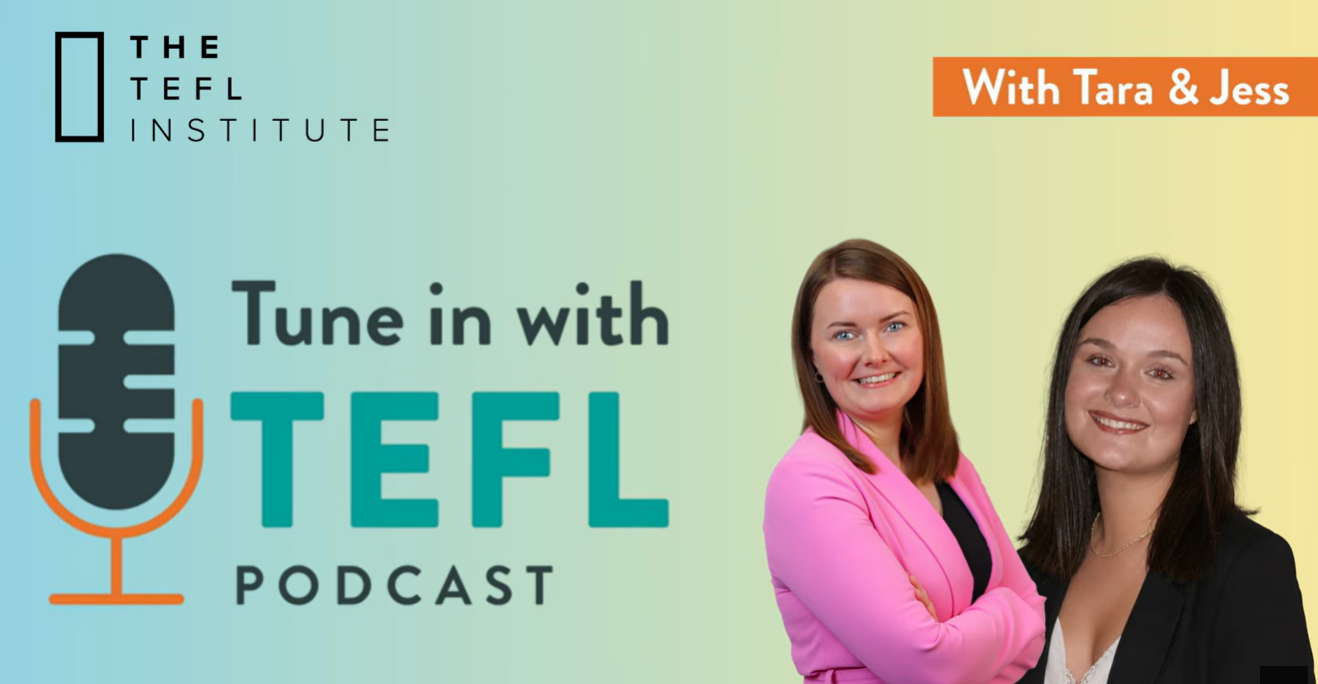
Tara and Jess talk through different TEFL and EFL topics, from finding work abroad to life in the classroom.
FAQs
Questions students ask us
An accredited certificate of at least 120 hours is the standard most online schools list, and an Ofqual-regulated Level 5 TEFL Diploma is the stronger choice for business English, exam preparation and private clients. Marketplaces such as Cambly and Preply need no certificate, but they also pay the least.
Not on every platform. Cambly and Preply accept tutors without one, but Novakid, Cafetalk and Lingoda require a certificate, and on the marketplaces a verifiable qualification is what justifies a higher rate. Treat the certificate as the route off the fixed rate tier rather than the ticket onto it.
Yes. Cambly, NativeCamp, Engoo, Preply, italki and Cafetalk all accept South African tutors, and Carrot Global publishes a South African rate of KRW 13,000 to 14,000 an hour. Open English hires native speakers from North America only, and Ringle recruits from leading universities, mostly in the United States.
Almost. Every platform in this guide accepts US applicants, but Cambly’s tutor FAQ says you cannot tutor from California, Massachusetts or New Jersey because of local rules. Platforms pay Americans as independent contractors, so net self employment income of US$400 or more in a year means filing Schedule SE with your return.
Yes for most online schools and marketplaces, which list 120 accredited hours as their minimum. It is not enough on its own for Lingoda, which wants two to three years’ experience, or for corporate and exam clients, who tend to shortlist on a regulated qualification such as the Level 5 TEFL Diploma.
Published rates run from about US$9 for a 25 minute NativeCamp class and US$10.20 an hour on Cambly to a headline US$17 to US$22 an hour at Ringle. Preply, italki and Cafetalk let you set your own price and take a commission or fee, and most other platforms do not publish a rate at all.