

 United Kingdom (UK)
 United States (US)
 Canada
 South Africa
 India
India Australia
 New Zealand
 China
China Russia
 Germany
 France
 Spain
Spain Netherlands
 Vietnam
 United Arab Emirates
 Italy
Italy Poland
 Thailand
 Türkiye








 Algeria


Thinking about teaching abroad but feeling stressed about the costs? You’re definitely not the only one.
Flights, visas, and finding a place to stay can make the whole idea feel a bit overwhelming. But here’s the great news: you can make it work—yes, even on a tight budget.
With some smart planning, a bit of creativity, and the right kind of support, you can go from saving up spare change to stepping into your new classroom overseas.
So, how do you actually fund your TEFL adventure?
Start by saving smart, earning as you learn, picking budget-friendly destinations, and looking into paid internships or scholarship options.
Yes, there are costs involved—like flights, visas, and your first few weeks abroad—but with the right approach, many of these can be reduced or even covered through TEFL programs.

Smart Ways to Fund Your TEFL Adventure
Saving for your TEFL journey doesn’t mean you have to give up everything fun—it just means getting a little more strategic with your money. A few small changes now can make a big difference later when you’re booking your flight or settling into a new country.
Here’s how to start building your teaching fund, step by step:
1. Open a Dedicated Travel Savings Account
One of the easiest (and most effective) ways to stay on track is to open a separate savings account just for your TEFL goals. This helps you avoid dipping into your travel fund for everyday expenses and gives you a clear picture of your progress.
Set up a monthly auto-transfer from your main account, even if it’s just €50–€100. Over a few months, it adds up faster than you think.
Tip: Name the account something motivational like “Thailand Fund” or “My TEFL Dream” to keep your goal top of mind.
2. Create a Simple, Realistic Budget
Take a good look at your income and spending habits. Where can you cut back without feeling deprived? Think meal prepping instead of eating out, swapping gym memberships for home workouts, or hitting pause on subscriptions you barely use.
Set a monthly savings target based on your timeline. Even setting aside €100–€200 a month could cover your flight, visa fees, or your first few weeks abroad.
Use budgeting apps like Revolut, YNAB (You Need A Budget), or even a simple spreadsheet to track your progress.
3. Declutter and Sell
Look around—chances are, you’ve got things lying around that you don’t use anymore. Clothes, old phones, unused electronics, books, and even furniture can be sold online or locally.
Apps like Depop, Vinted, Facebook Marketplace, and eBay make it easy to turn clutter into cash. Every sale brings you one step closer to your TEFL goal—and gives you less to pack when it’s time to go!
Extra Idea: Host a garage sale or market stall for a fun, one-day fundraising boost.
4. Say Yes to Extra Work
Even a few hours of extra work each week can really accelerate your savings. Look for weekend or evening shifts, freelance gigs, or casual work like babysitting, dog walking, tutoring, or delivery driving.
If you have a skill—writing, graphic design, language tutoring, social media—consider offering services online. Sites like Fiverr, Upwork, and Preply can help you earn from home on your own schedule.
Think of it this way: One weekend babysitting gig could pay for your visa fee. A month of freelancing might cover your flight.
Every TEFL opening, salary and deadline that matters.
In your inbox every two weeks. Free, no spam, unsubscribe any time.
Teacher pay by country
New TEFL openings
Programme and visa dates
5. Cut Costs Creatively
Get creative about saving without sacrificing your lifestyle. Swap nights out for free events, cook meals in batches, or challenge yourself to a “no-spend weekend.”
Team up with friends who are also saving for travel—motivate each other, share tips, and maybe even plan to TEFL abroad together!
Boost Your Income While You Learn
If you’re already enrolled in a course, why not earn while you learn? Here’s how:
1. Online Tutoring
With your TEFL training underway, you can start tutoring English online. It’s flexible, remote, and perfect for building confidence.
Consider upgrading to our 300 Hour Advanced TEFL Diploma to stand out on online platforms and gain specialist training in areas like Business English and IELTS prep.
2. Refer Friends and Earn
The TEFL Institute offers a generous referral program—you can earn online when friends sign up for a course using your link.
Choose a Destination That Fits Your Budget
Some countries are more financially accessible than others. Here are great picks for first-time teachers on a budget:
- Thailand—Affordable cost of living, especially outside Bangkok. Perfect for TEFL internships.
- Vietnam – High demand for teachers and a balance of low costs and good salaries.
- Mexico—Great lifestyle, low prices, and a relaxed teaching environment.
- Czech Republic—A budget-friendly European option with plenty of job opportunities.
Need help deciding where to teach? Check out our country guides for tips on salaries, visa requirements, and lifestyle insights.

Consider Funded TEFL Opportunities
If upfront costs feel overwhelming, consider applying for partially or fully funded TEFL programs, such as
- Paid Internships – With accommodation and ongoing support included, our paid TEFL internships are a great way to ease into teaching abroad while keeping initial costs low. You’ll gain classroom experience, cultural immersion, and valuable support as you transition to life overseas.
- TEFL Scholarships – Aspiring teachers can apply for a fully-funded 240 Hour Master TEFL Course, valued at €455, through the TEFL Scholarship Program. This advanced, accredited course qualifies you to teach both online and in classrooms worldwide—offering a strong foundation to start your TEFL journey.
TEFL Scholarships like this from TEFL Institute is the best option to fund your TEFL adventure.
Budget for Your First Few Months Abroad
Even if you’ve landed a job before you go, it may take a month or more to receive your first paycheck. Plan for:
- Rent (and possibly a deposit)
- Groceries and transport
- SIM card and internet
- Small daily expenses
- Unexpected admin or health costs
Having around €1,000–€2,000 in savings will give you a smooth landing, especially in countries without paid orientation periods.
Don’t Forget the Essentials
In addition to your financial plan, make sure you’re ticking off the basics:
- A recognised TEFL certification (minimum 120 hours)
- Teaching CV and intro video
- Valid passport and background checks
- Copies of your degree (if required)
Having everything organised upfront helps you secure a job faster—and shows schools you’re ready and reliable.
Final Thoughts: Make Your TEFL Dream a Reality
You don’t need thousands in the bank or years of experience to start teaching abroad. What you do need is a plan, a little persistence, and a willingness to take that first step.
By choosing affordable destinations, building a simple savings strategy, and taking advantage of TEFL support programs, you’ll be on your way to the classroom sooner than you think.
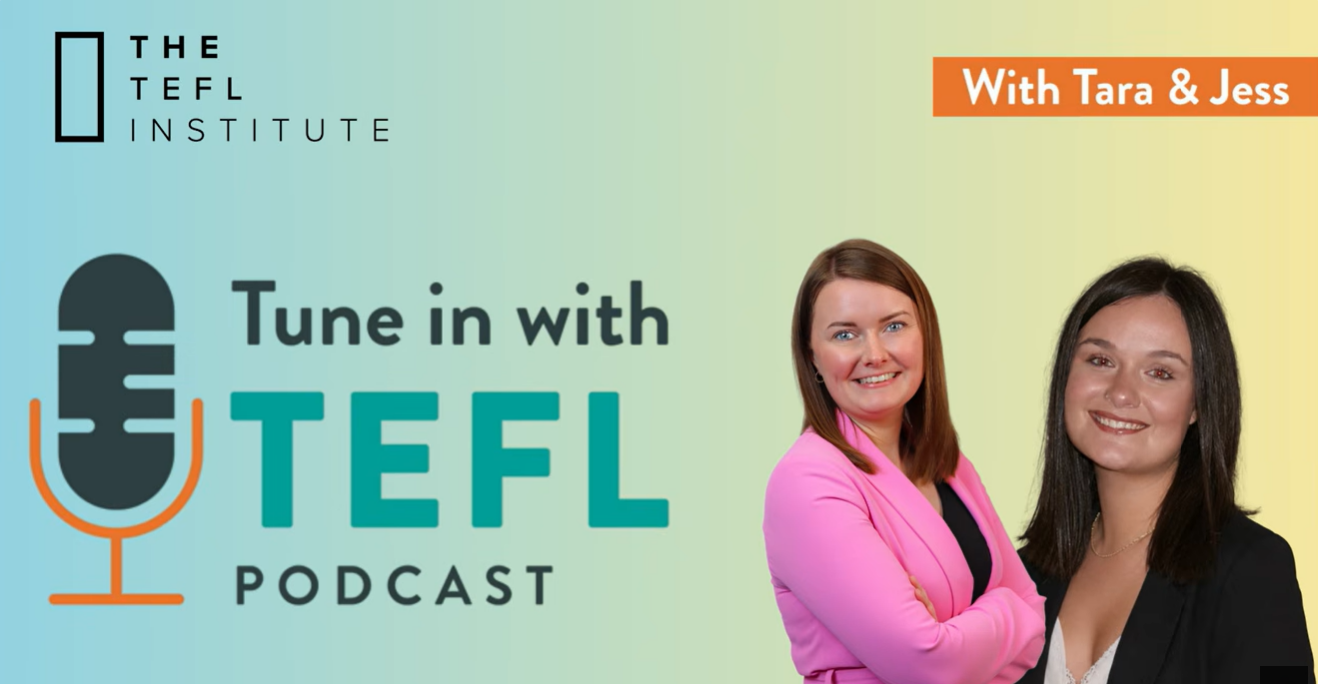
Tara and Jess talk through different TEFL and EFL topics, from finding work abroad to life in the classroom.