United Kingdom (UK)
 United States (US)
 Canada
 South Africa
 India
 Australia
 New Zealand
 China
 Russia
 Germany
 France
 Spain
 Netherlands
 Vietnam
 United Arab Emirates
 Italy
 Poland
 Thailand
 Türkiye






 Algeria


The number of TEFL hours employers want depends on the job. Online and overseas employers usually ask for at least 120 hours. UK accredited language centres ask for at least 100 hours of input plus six hours of observed teaching practice, and colleges ask for a different qualification altogether.
“How many hours” is the question our academic team is asked most, usually with the hope of one number. There is not one. There is a rule per employer type, and several of them are published, so this guide sets them side by side for the UK, online teaching and the main overseas programmes, so it is useful wherever you plan to teach.
Key takeaways
- Accreditation UK’s test for a first-level certificate is at least 100 hours of ELT input and at least six hours of supervised teaching practice, plus external validation or Ofqual regulation.
- Most overseas schools and online platforms ask for a certificate of at least 120 hours.
- AccessTEFL needs 30 hours of prior ELT study, then 80 teaching hours within nine months.
- Further education colleges in England ask for a teaching qualification, not a TEFL hour count.
- Hours are only half the story. Regulation and observed practice often matter as much.
How many TEFL hours do UK language centres want?
At least 100 hours of input, and the hours must sit inside a qualification that meets the rest of the test. The British Council’s Academic staff qualifications guidance, which supports Accreditation UK, says a certificate must be externally validated by a reputable examination body and/or regulated by a body such as Ofqual, contain at least six hours of supervised teaching practice with real students, and contain at least 100 hours of ELT input. The Scheme has also expected teachers to hold a degree or equivalent.

A 120 hour certificate with no observed practice therefore clears the input rule but not the practice rule. For the wider UK market, see our pillar guide to TEFL jobs in the UK.
How many hours do online and overseas employers want?
Most schools and online platforms still ask for a TEFL certificate of at least 120 hours as the minimum, and the better paid posts increasingly ask for an Ofqual-regulated Level 5. Each employer sets its own rule, so read the advert. Our guide to the best TEFL certification to teach English online covers what platforms ask for, and the Visa Desk shows whether a destination’s visa rules add their own requirements.
| Employer or route | Hours or practice asked for | Source |
|---|---|---|
| UK accredited language centre | 100 hours of input, six hours of observed practice, regulated or validated | British Council, Accreditation UK Handbook 4.2 |
| AccessTEFL | 30 hours of prior ELT study, then 80 teaching hours in up to nine months | English UK |
| Overseas schools and online platforms | Usually 120 hours or more, set by each employer | Set by each employer |
| South Korea (EPIK) | Degree plus teaching credential, TEFL of around 100 hours or more listed | EPIK eligibility page |
| Japan (JET) | Degree and interview, TEFL not the gate | JET Programme FAQ |
| China (Z visa) | Employers commonly ask for 120 hours plus a degree | Set by each employer |
| Further education ESOL | A teaching qualification, not an hour count | NATECLA |
Rules checked on 17 November 2026. Confirm with the employer before you enrol.
What do overseas programmes like EPIK, JET and China ask for?
The big government programmes publish their own rules, and they are not all about hours. South Korea’s EPIK programme sets eligibility criteria that include a degree and a teaching qualification, with TEFL certificates of around 100 hours or more among those it lists, so read the current criteria before applying. Japan’s JET Programme is selected mainly on a degree and interview, and a TEFL certificate is not the gate. For China, the Z work visa has its own paperwork, and employers commonly ask for a 120 hour certificate alongside a degree, so check the China teaching guide and each school’s advert. Online platforms such as Cambly and Preply set their own rules, which our guide to the best TEFL certification to teach English online covers.
What do 60, 120, 180 and 300 hour courses mean in practice?
Hour counts are a rough guide to depth, not a promise about jobs. Short courses of around 60 hours introduce the basics and rarely meet an employer’s minimum. A 120 hour certificate is the common entry point for online and overseas work. Higher tiers such as 180 and 300 hours add depth, and some include practical or specialist modules, which can help when you compete for better paid posts. Our Level 5 TEFL Diploma is Ofqual-regulated and goes well past the 120 hour minimum. Whatever the tier, none of these hours include observed practice with real students unless the course says so, and that is what UK accredited centres look for. Compare the options on our course pages and check each one’s regulation details.
Do hours matter more than regulation?
Not more, but not less. A high hour count from an unregulated provider can lose to a shorter regulated qualification, because employers and accreditation bodies look for external validation. Our guide to what Ofqual regulation means explains how to check the public register. For the college route, see ESOL jobs in the UK, and for a city example, TEFL jobs in London.
Every TEFL opening, salary and deadline that matters.
In your inbox every two weeks. Free, no spam, unsubscribe any time.
Teacher pay by country
New TEFL openings
Programme and visa dates
Real salaries, visa rules and hiring intel, before you apply
Compare take-home pay in the TEFL Salary Index and check the entry requirements for any country on the Visa Desk, so you know exactly what a destination offers before you commit.
How many TEFL hours should you take?
Take the number the employer you want has written down, and buy a regulated qualification that meets it. For online and overseas work, our Level 5 TEFL Diploma is Ofqual-regulated and goes beyond the 120 hour minimum. For a UK accredited centre, add observed practice. If you are comparing destinations first, the teach English abroad hub links to each country.
Get TEFL qualified with the Level 5 Diploma
Last reviewed: 17 November 2026
Sources: British Council, Accreditation UK Academic staff qualifications (February 2025); English UK AccessTEFL; NATECLA, ESOL teacher training qualifications explained; EPIK, Eligibility; JET Programme USA, FAQ.

Reviewed by Katie Troy
Managing Director of The TEFL Institute Group. Katie has been with the team since 2018. She is a qualified teacher with a degree in education and years of experience teaching abroad, and works closely with our academic team.
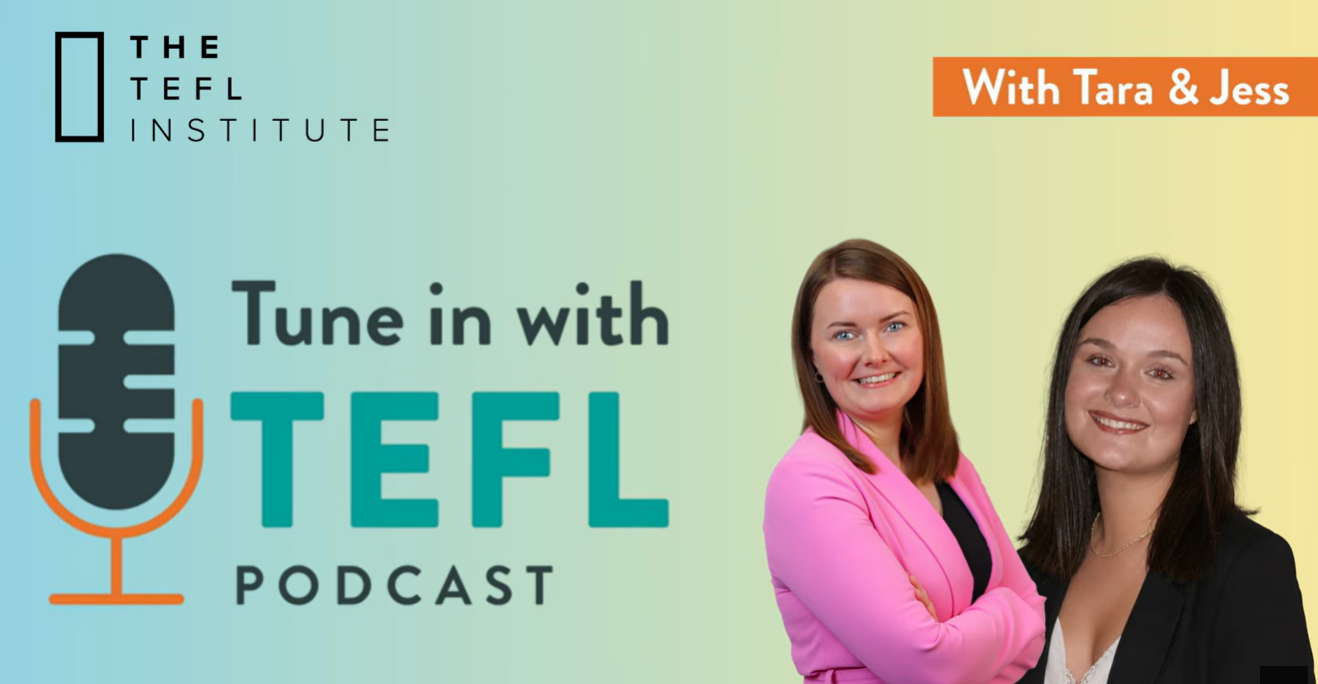
Tara and Jess talk through different TEFL and EFL topics, from finding work abroad to life in the classroom.
FAQs
Questions students ask us
Accreditation UK expects at least 100 hours of ELT input and at least six hours of supervised teaching practice, within a qualification that is externally validated or Ofqual-regulated.
For most online and overseas employers, yes, as a minimum. For a UK accredited centre it also needs observed practice and regulation or validation.
At least 30 hours of prior ELT study, then at least 80 teaching hours within nine months at an accredited centre.
No. Further education colleges in England normally ask for a teaching qualification, with an ESOL specialism preferred for ESOL posts.
No. A shorter regulated qualification can beat a longer unregulated one, because employers look for external validation and observed practice.
Read the advert’s person specification and ask the employer directly. Rules differ by employer and accreditation guidance is reviewed.