

 United Kingdom (UK)
 United States (US)
 Canada
 South Africa
 India
India Australia
 New Zealand
 China
China Russia
 Germany
 France
 Spain
Spain Netherlands
 Vietnam
 United Arab Emirates
 Italy
Italy Poland
 Thailand
 Türkiye




 Algeria


7 Effective ESL Teaching Methods for New TEFL Teachers
7 Effective ESL Teaching Methods for New TEFL Teachers
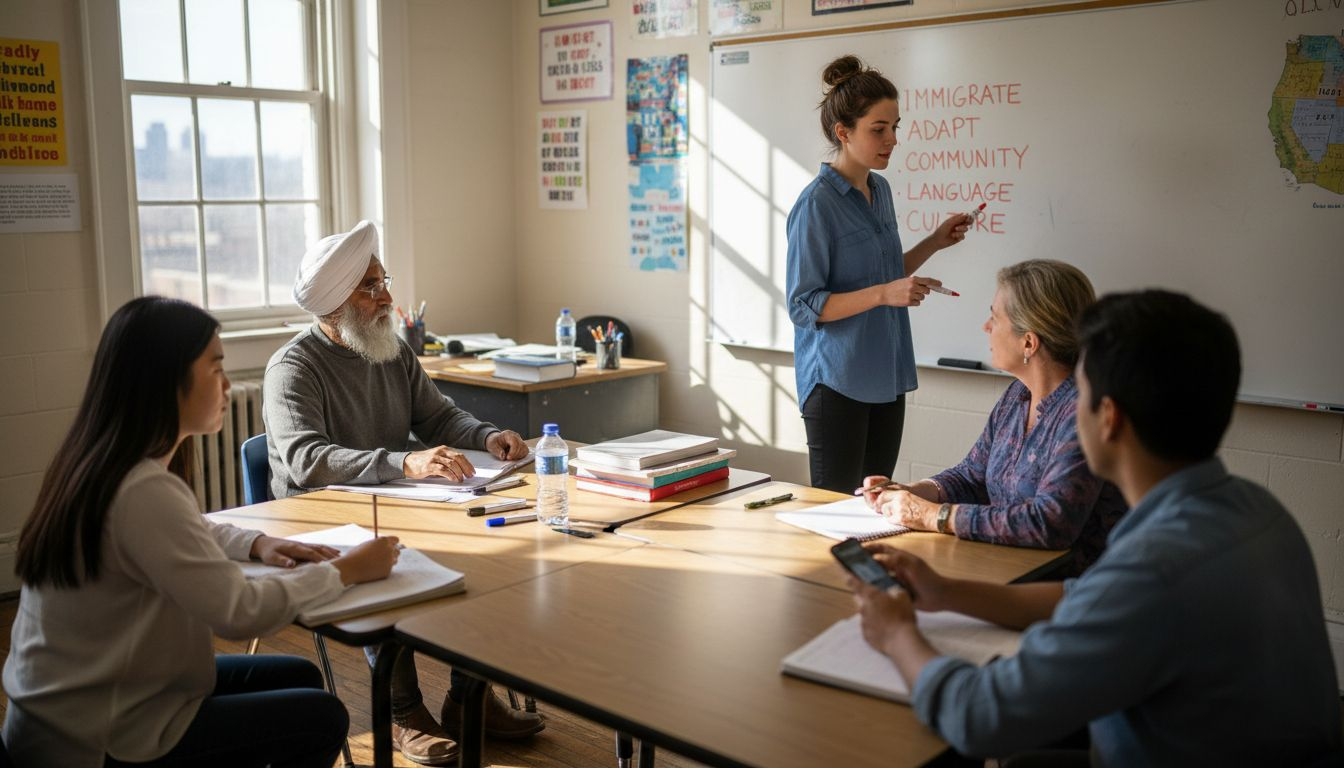
Mastering English as a foreign language can feel overwhelming with so many teaching methods available. You want real progress for your students, not just memorized grammar rules or disconnected vocabulary lists. The right approach can mean the difference between hesitant speech and confident communication.
This list breaks down effective, research-backed English teaching strategies that address real classroom challenges. Whether your goal is lively speaking practice or strong grammatical foundations, you’ll discover proven techniques that make a tangible difference. Get ready to uncover practical methods that can transform the way you teach and accelerate your students’ learning journey.
Table of Contents
- Communicative Approach for Real-Life Interaction
- Task-Based Learning for Active Engagement
- Total Physical Response to Boost Comprehension
- Grammar Translation for Foundational Understanding
- Audio-Lingual Method to Build Speaking Fluency
- Direct Method for Immersive Language Practice
- Blended Learning for Online and In-Person Flexibility
Quick Summary
| Key Insight | Explanation |
|---|---|
| 1. Focus on Real-Life Interaction | Practical communication over rote memorization fosters confident speaking and listening skills among students. |
| 2. Engage Through Task-Based Learning | Active involvement in real-world tasks enhances motivation and integrated language skill development. |
| 3. Utilize Total Physical Response | Physical actions connected with language improve comprehension and retention for learners. |
| 4. Balance Traditional and Modern Methods | Combining Grammar Translation with communicative techniques builds analytical and practical language skills. |
| 5. Embrace Blended Learning Flexibility | Integrating online and in-person activities accommodates diverse learning styles and needs. |
1. Communicative Approach for Real-Life Interaction
Mastering English communication requires more than just learning grammar rules. The Communicative Approach transforms language learning by focusing on practical, real-world interactions that prepare students to navigate actual conversations confidently.
Developed in the 1970s, this approach shifts away from traditional rote memorization towards meaningful communication strategies. Instead of drilling isolated grammar points, students engage in dynamic, interactive classroom experiences that simulate authentic language scenarios.
Key features of the Communicative Approach include:
- Emphasis on speaking and listening skills
- Interactive classroom activities
- Role-playing real-life situations
- Prioritizing fluency over perfect grammar
In practice, this means students spend more time practicing natural communication techniques. They might simulate ordering food in a restaurant, negotiate a business deal, or discuss travel experiences – all designed to build practical language skills.
The goal is not perfection but effective, confident communication.
Classroom activities typically involve:
- Pair and group discussions
- Problem-solving exercises
- Scenario-based role-playing
- Interactive language games
Pro tip: Practice active listening and focus on communication flow rather than worrying about making grammatical mistakes.
2. Task-Based Learning for Active Engagement
Task-Based Learning (TBL) revolutionizes language instruction by transforming passive learning into dynamic, interactive experiences. This innovative approach moves beyond traditional grammar drills to create meaningful language acquisition through practical, real-world tasks.
Unlike conventional teaching methods, TBL centers on authentic language communication strategies that engage students actively in their learning process.
Key characteristics of Task-Based Learning include:
- Student-centered instruction
- Authentic communication scenarios
- Intrinsic motivation development
- Holistic language skill integration
The primary goal is learning through doing, not memorizing.
Classroom implementation involves creating tasks that:
- Reflect real-world communication challenges
- Require active problem solving
- Encourage collaborative learning
- Provide meaningful language practice
For example, students might plan a mock international conference, negotiate a business deal, or create a travel podcast – all while naturally improving their English skills.
Pro tip: Design tasks that are slightly challenging but achievable, ensuring students remain motivated and engaged throughout the learning process.
3. Total Physical Response to Boost Comprehension
Total Physical Response (TPR) transforms language learning from a passive experience into an engaging physical adventure. This innovative teaching method harnesses the power of body movement to accelerate language comprehension and retention.
Researchers have demonstrated that vocabulary learning dramatically improves when students connect words with physical actions. By integrating movement and language, TPR creates a dynamic learning environment that activates multiple cognitive pathways.
Key benefits of Total Physical Response include:
- Enhanced student motivation
- Reduced learning anxiety
- Increased memory retention
- Active participation
- Kinesthetic learning support
Language learning happens through doing not just listening.
Take a language lesson about directions. Instead of simply explaining “turn left” or “walk forward,” students physically act out each command. This approach helps learners:
- Associate words with immediate physical experiences
- Create muscle memory for language patterns
- Engage multiple sensory learning channels
- Make learning interactive and fun
Pro tip: Start with simple, clear commands and gradually increase complexity to maintain student engagement and prevent overwhelming your learners.
4. Grammar Translation for Foundational Understanding
Grammar Translation Method (GTM) offers a structured approach to language learning that builds strong foundational understanding through systematic grammatical analysis. This traditional method provides students with a solid framework for comprehending language structures and complex linguistic patterns.
Historical language teaching approaches reveal GTM’s enduring significance in language education, particularly for developing analytical language skills.
Key characteristics of Grammar Translation include:
- Emphasis on reading and writing skills
- Detailed grammatical rule explanation
- Translation between native and target languages
- Systematic approach to language structure
- Focus on literary and academic language
Understanding grammar is the foundation of language mastery.
In practice, GTM involves:
- Analyzing complex grammatical structures
- Translating texts word by word
- Identifying linguistic patterns
- Developing precise language comprehension
While criticized for limited conversational effectiveness, GTM remains valuable for building robust linguistic foundation and analytical language skills.
Pro tip: Balance Grammar Translation techniques with communicative methods to develop both analytical understanding and practical language use.
5. Audio-Lingual Method to Build Speaking Fluency
The Audio-Lingual Method transforms language learning into a dynamic process of systematic speaking skill development. By leveraging repetition and structured practice, this method turns language acquisition into a predictable and measurable journey toward fluency.
Behaviorist psychology principles underpin the Audio-Lingual Method’s systematic approach to language learning.
Key characteristics of the Audio-Lingual Method include:
- Emphasis on oral language production
- Precise pronunciation training
- Minimal error tolerance
- Pattern-based language drills
- Listening and speaking prioritization
Fluency emerges through consistent, structured practice.
Classroom implementation involves:
- Listening to native speaker dialogues
- Repeating phrases with exact pronunciation
- Transforming learned patterns
- Building muscle memory for language structures
This method creates a structured pathway to language mastery by treating language learning as a skill to be methodically developed.
Pro tip: Record yourself practicing language patterns and compare your pronunciation with native speaker recordings to accelerate your learning progress.
6. Direct Method for Immersive Language Practice
The Direct Method transforms language learning into an intuitive, natural experience by eliminating translation and immersing students directly in the target language. This approach creates a dynamic learning environment where communication becomes the primary vehicle for linguistic development.
Researchers have documented practical language acquisition techniques that emphasize direct engagement and contextual learning.
Key characteristics of the Direct Method include:
- Complete target language immersion
- No use of native language
- Inductive grammar learning
- Context-based vocabulary introduction
- Emphasis on pronunciation
Language is learned through living it, not analyzing it.
Classroom implementation involves:
- Teaching vocabulary through physical demonstration
- Using gestures and visual aids
- Encouraging spontaneous conversation
- Correcting pronunciation immediately
This method creates a holistic language learning experience that mimics natural first language acquisition.
Pro tip: Create immersive environments by speaking exclusively in the target language and using creative visual demonstrations to convey meaning.
7. Blended Learning for Online and In-Person Flexibility
Blended learning represents a revolutionary approach to language education that seamlessly integrates digital and traditional teaching methods. By combining online resources with face-to-face instruction, this method creates a flexible and personalized learning experience.
Researchers have demonstrated innovative language learning strategies that enhance student engagement and performance.
Key advantages of blended learning include:
- Personalized learning pace
- Increased student autonomy
- Flexible learning environments
- Enhanced technological skills
- Diverse learning resources
Technology and tradition unite to transform language education.
Implementation strategies involve:
- Designing complementary online and offline activities
- Using digital tools to supplement classroom instruction
- Creating interactive multimedia learning experiences
- Providing flexible assessment methods
Blended learning addresses the complex needs of modern language learners by offering unprecedented educational flexibility.
Pro tip: Continuously evaluate and adjust your blended learning approach by gathering student feedback and monitoring engagement levels.
Below is a comprehensive table summarizing the main language teaching methods, their descriptions, and notable applications from the article.
| Method | Description | Key Applications |
|---|---|---|
| Communicative Approach | Focuses on real-world interactions and speaking confidence. | Role-playing scenarios like ordering food or holding discussions. |
| Task-Based Learning | Involves completing meaningful tasks to engage learners in active communication. | Preparing projects such as planning events or creating media like podcasts. |
| Total Physical Response | Utilizes physical actions to reinforce language comprehension and memory. | Acting out commands and scenarios to associate words with movements. |
| Grammar Translation | Emphasizes comprehensive grammatical understanding through systematic analysis of structures and translation. | Translating texts and analyzing grammatical rules to build a strong foundation. |
| Audio-Lingual Method | Builds speaking fluency through repetition, structured drills, and listening exercises. | Repeating phrases, listening to dialogues, and transforming learned structures. |
| Direct Method | Immerses learners in the target language, focusing entirely on natural language use without translation. | Conversational practice, use of visual aids, and spontaneous communication. |
| Blended Learning | Combines traditional teaching methods with digital resources for a flexible learning experience. | Designing complementary online-offline activities and using multimedia tools. |
Unlock Your Teaching Potential with Proven ESL Methods
Starting your journey as a new TEFL teacher can feel overwhelming when choosing the right ESL teaching methods to build student confidence and ensure effective learning. This article highlights key techniques like the Communicative Approach, Task-Based Learning, and Total Physical Response that focus on real-life interaction, active engagement, and kinesthetic learning. These methods address common challenges such as teaching speaking fluency and balancing grammar instruction with practical communication skills.
At TEFL Institute, we understand these challenges and have designed comprehensive online TEFL training courses that empower new teachers to master these essential methodologies. Whether you want to deepen your expertise in immersive language practice or blend traditional and modern teaching techniques, our flexible programs provide the tools to succeed.
Take the next step to become a confident and effective ESL instructor. Explore our online TEFL courses tailored to build your skills in the latest ESL teaching methods. Visit TEFL Institute now to start your certification journey and shape your career in teaching English abroad or online.
Frequently Asked Questions
What are the key features of the Communicative Approach in ESL teaching?
The Communicative Approach emphasizes natural communication, focusing on speaking and listening skills rather than rote memorization. To implement this, create interactive classroom activities where students engage in real-life scenarios, such as role-playing ordering food or discussing travel experiences.
How can Task-Based Learning enhance student engagement in ESL classrooms?
Task-Based Learning centers on practical tasks that reflect real-world communication challenges, making lessons more engaging. Design activities where students solve problems or plan projects, enabling them to apply their English skills in meaningful contexts.
What benefits does Total Physical Response (TPR) provide for ESL learners?
Total Physical Response enhances comprehension and retention by connecting language with physical actions, reducing anxiety and fostering participation. Incorporate movement into lessons by acting out commands or vocabulary, which can help students remember and internalize language patterns effectively.
How can new TEFL teachers use the Grammar Translation Method effectively?
The Grammar Translation Method provides a structured approach to language learning that focuses on grammar and translation. Use this method to analyze complex grammatical structures and ensure students develop a solid foundation in both reading and writing skills.
What steps can I take to implement the Direct Method in my classroom?
To utilize the Direct Method, immerse students in the target language without relying on their native language. Focus on teaching vocabulary through demonstrations and encourage spontaneous conversations, correcting pronunciation immediately to foster a natural learning environment.
How does blended learning improve language education for ESL students?
Blended learning combines online and face-to-face instruction, allowing for a personalized learning experience. Create a balance of digital and traditional activities, enabling students to learn at their own pace and enhance their engagement with diverse resources.
