Introduction
When people search for fun facts about South Korea, they often expect a short list about K-pop, kimchi or fast internet. While those topics matter, they only reveal part of the story. South Korea is equally shaped by respect for age, a carefully structured language, intense commitment to education, strong local traditions and a modern urban culture that moves at remarkable speed.
For TEFL teachers, this matters because understanding the social context behind the classroom helps you teach more effectively. A lesson on food becomes more meaningful when you understand why meals are often shared. A language warm-up becomes richer when you know that politeness levels affect everyday speech. Even a simple discussion about school life becomes more insightful when students can compare local expectations with those in other parts of the world.
This article brings together 25 fascinating South Korea fun facts across culture, language, daily life and education. It is written for readers who want useful detail rather than tourist clichés, and it is especially suitable for anyone planning to teach in Korea, support learners heading abroad, or create thoughtful classroom materials about East Asia.
Culture Facts About South Korea
South Korean culture combines old values and rapid modernisation in ways that can surprise first-time visitors. The country is highly connected and future-facing, yet many social habits are still shaped by hierarchy, courtesy and collective responsibility.
- Age often shapes social interaction.
In South Korea, age is more than a number. It can affect how people introduce themselves, how they speak to each other, and even how quickly they move from formal conversation to a relaxed tone.
- Respect is shown through behaviour as much as words.
A slight bow, receiving something with two hands, and speaking carefully in formal settings are all everyday signs of politeness.
- Hierarchy is still socially visible.
In schools, families and workplaces, seniority often influences decision-making. That does not mean every interaction is rigid, but it does mean people usually pay attention to status and roles.
- Confucian influence remains strong.
Many social expectations, including respect for parents, elders and teachers, reflect ideas historically associated with Confucian values.
- Collective harmony is often valued over individual display.
In many settings, it is considered more appropriate to support the group than to draw too much attention to oneself.
- Education carries real social weight.
Academic achievement is taken seriously by many families, and school life can strongly shape daily schedules and future plans.
- Major holidays bring tradition to the centre of family life.
Seollal, the Lunar New Year, and Chuseok, the autumn harvest holiday, are two of the most important celebrations. Travel, family gatherings and traditional food all play major roles.
- Gift-giving etiquette matters.
Small gifts are common in social and professional settings, and presentation is often part of the gesture.
- Beauty and presentation are culturally significant.
Personal appearance often receives careful attention, especially in cities, and neat presentation can be associated with professionalism and self-respect.
- South Korea has a strong global cultural presence.
Music, television, film, skincare, fashion and food have all helped shape the Korean Wave, making South Korean culture instantly recognisable well beyond Asia.
For classroom use, these culture facts work well as discussion prompts. Ask learners which social customs in South Korea feel similar to their own country, and which feel noticeably different.
Language and Writing: Understanding Hangul
One of the most interesting facts about South Korea is that its writing system is often admired for both clarity and design. Korean uses Hangul, which was created in the fifteenth century and is widely praised for being logical and learnable.
The Korean language also includes multiple politeness levels, and choices in grammar can reflect status, familiarity and formality in a conversation.[page:1]
- Hangul was intentionally created to improve literacy.
Rather than growing slowly over centuries in an unplanned way, Hangul was designed as a practical writing system for Korean speakers.[page:1]
- Hangul is phonetic.
Its letters represent sounds, which makes decoding words more manageable for beginners than many people expect.
- Letters are grouped into syllable blocks.
Instead of writing in a long horizontal string of letters like English, Korean combines characters into block-like units.
- Many learners can read basic Hangul quickly.
Fluency still takes time, but recognising the script can come surprisingly fast with guided practice.
- Politeness levels are built into speech.
Korean includes different speech levels, and speakers choose them according to relative status, intimacy and the formality of the situation.[page:1]
- Age and rank influence language choices.
Korean speakers often need to know whether someone is older, younger or of similar status in order to choose the most suitable level of speech.[page:1]
- Two higher speech levels are often safest for learners.
Foreign learners are commonly advised to stay with more polite forms until they fully understand context and relationships.[page:1]
- Korean has many loanwords.
English words appear in modern Korean, often adapted to fit Korean pronunciation.
For teachers, Hangul can become an excellent entry point into a wider lesson on writing systems. Pupils often enjoy comparing alphabets, sound-symbol relationships and the visual structure of scripts from different parts of the world.
Daily Life and Food in South Korea
Daily life in South Korea can feel fast, efficient and highly connected, particularly in major cities. At the same time, everyday routines still reflect social customs that place real value on community, shared experiences and respect.
- Public transport is a major part of city life.
Many residents rely on trains, buses and underground systems for daily movement, which helps make urban life highly organised and accessible.
- Convenience stores are more useful than many visitors expect.
They are not simply places for snacks. They often serve as easy stops for quick meals, drinks and small daily essentials.
- Kimchi appears at countless meals.
This fermented side dish is one of the best-known foods associated with Korea and comes in many varieties.
- Shared dining is common.
Instead of each person receiving a completely separate plated meal, dishes are often placed in the middle for everyone to enjoy together.
- Food is tied closely to social life.
Eating together can be an important way to build trust, celebrate milestones and strengthen relationships.
- Café culture is everywhere.
From minimalist urban coffee shops to themed cafés, these spaces are widely used for socialising, studying and meeting friends.
- Street food is part of the experience.
Foods such as tteokbokki, hotteok and fish cakes are often mentioned when discussing Korean daily life and local flavour.
- Technology is deeply woven into ordinary routines.
Mobile ordering, fast connectivity and digital convenience shape everything from transport to shopping and food delivery.
- Work and study schedules can be demanding.
Long days are often discussed in relation to both office culture and student life.
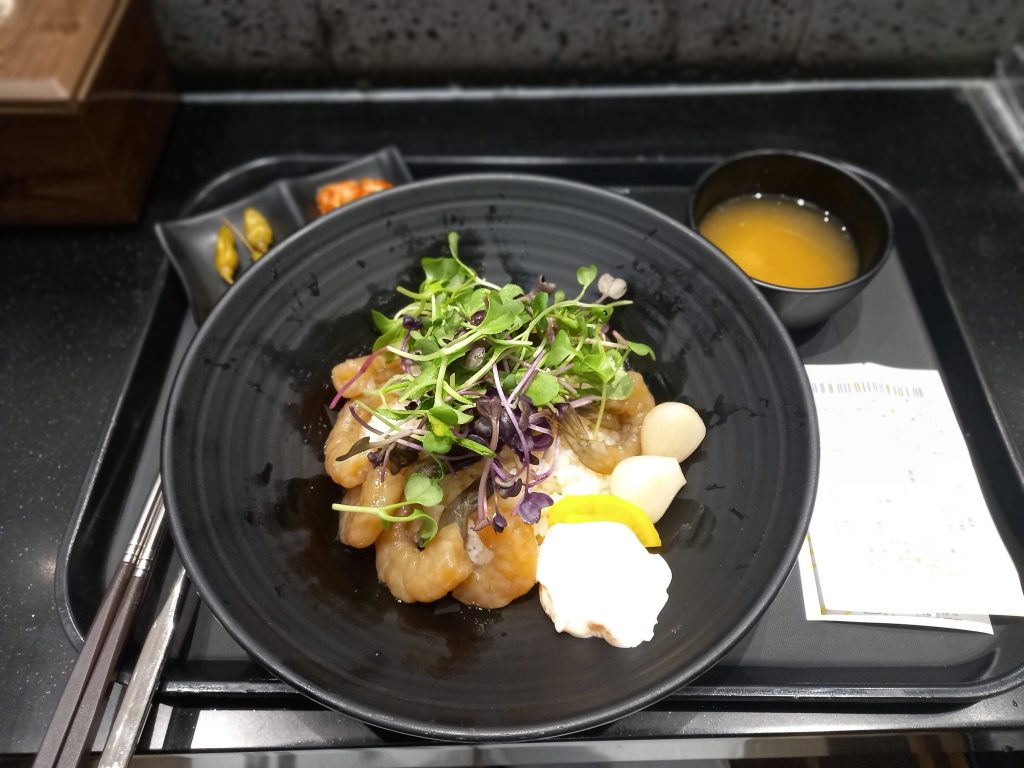
If you are planning lessons, food and daily routine are especially useful themes because they are concrete, visual and easy to compare across cultures. Learners can discuss breakfast habits, school lunches, commuting, favourite snacks or how often families eat together.
Facts for the Classroom
Some of the most useful South Korea facts for teachers are the ones that connect directly to school life. These details help turn a culture topic into an engaging, age-appropriate lesson.
- Students may spend long hours studying.
Regular school is often only one part of the day, with some learners also attending private academies known as hagwons.
- Teachers are generally treated with visible respect.
This can shape classroom tone, participation styles and student expectations.
- Students may appear quiet at first.
Silence does not always mean disengagement. In some contexts, learners may be listening carefully rather than volunteering instantly.
- Routine and structure are often important.
Clear lesson goals, organised tasks and consistent expectations can help a class run smoothly.
Classroom activity ideas
- Compare a school day in South Korea with a school day in your learners’ country.
- Create a food culture lesson using Korean side dishes, rice meals and café culture as prompts.
- Use Hangul as a starter activity when teaching world languages or global literacy systems.
- Ask pupils to sort facts into categories such as tradition, technology, language and education.
- Turn the article into a reading comprehension task with prediction, skimming and discussion stages.
These activities work especially well in EFL, geography, citizenship and intercultural communication lessons. They also help learners move beyond stereotypes and see South Korea as a complex, modern society with both continuity and change.
South Korea Classroom Comparison Table
A comparison table is useful when introducing cultural difference in a balanced and practical way. The goal is not to suggest that one system is better than another, but to show how expectations may differ across educational contexts.
| Area |
South Korea |
Typical UK or Western context |
What this may mean for teachers |
| Teacher role |
Often formal and clearly respected |
Often more conversational and visibly relaxed |
Authority may be assumed more quickly in Korea, but warmth still matters |
| Participation style |
Students may wait before speaking |
Students may be encouraged to volunteer quickly |
Build in thinking time and gentle prompting |
| Study hours |
Can extend beyond school through extra study |
Usually less centred on private evening academies |
Be aware of student fatigue and pressure |
| Classroom structure |
Often organised and routine-driven |
May vary widely by school and teacher style |
Clear sequencing is usually appreciated |
| Language etiquette |
Politeness and hierarchy strongly affect speech |
English generally uses fewer built-in speech levels |
Explain tone, register and classroom phrasing carefully |
| Family expectations |
Academic progress can carry significant family importance |
Expectations differ widely by region and household |
Parent communication and outcomes may feel high-stakes |
| Classroom atmosphere |
Respectful, sometimes reserved at first |
Often more informal from the start |
Do not mistake quietness for lack of interest |
Teaching in South Korea
South Korea remains a strong option for English teachers because it offers a combination of professional opportunity, cultural immersion and structured educational settings.
Why many teachers consider South Korea
- Demand for English teaching remains a major reason people look at Korea as a destination.
- Teachers often value the chance to experience a distinct culture while building practical experience.
- Structured schools and clear expectations can suit teachers who prefer organised working environments.
- Living in Korea also creates natural opportunities to build lessons around real local experiences, from food and festivals to transport and language.
What to keep in mind
Teaching in South Korea is rewarding, but success depends on cultural awareness as much as teaching skill. A teacher who understands classroom respect, communication style and local expectations will usually settle in more smoothly than one who relies only on generic travel advice.
The TEFL Institute presents itself as an internationally recognised and accredited TEFL course provider offering online TEFL certification, career support and job placement assistance for teaching abroad or online. Its website also highlights regulated and accredited training, including an Ofqual-regulated Level 5 TEFL Diploma and ongoing learner support.
Learn more on our YouTube channel.
▶ The TEFL Institute of Ireland
Professional Disclaimer
This article is intended for general informational and educational use only. Cultural norms, school expectations, daily routines and teaching conditions in South Korea can vary by city, school type, employer and individual experience.Readers should use this article as a starting point rather than a substitute for formal advice, employer guidance or professional relocation support. Anyone planning to teach in South Korea should confirm current visa, hiring, accommodation, salary and workplace information through appropriate official or professional channels.


 United Kingdom (UK)
 United States (US)
 Canada
 South Africa
 India
India Australia
 New Zealand
 China
China Russia
 Germany
 France
 Spain
Spain Netherlands
 Vietnam
 United Arab Emirates
 Italy
Italy Poland
 Thailand
 Türkiye









 Algeria