United Kingdom (UK)
 United States (US)
 Canada
 South Africa
 India
 Australia
 New Zealand
 China
 Russia
 Germany
 France
 Spain
 Netherlands
 Vietnam
 United Arab Emirates
 Italy
 Poland
 Thailand
 Türkiye









 Algeria


Teach English in Romania
TEFL jobs in Romania
You can teach English in Romania at private language schools, in business English, at international schools and with private students, mainly in Bucharest, Cluj-Napoca, Iași and Timișoara. Demand is driven by Romania’s large IT and outsourcing sector, and living costs are among the lowest in the EU. EU citizens can work freely, while UK, US and other non EU teachers need a work authorisation, a long-stay work visa and a residence permit arranged with an employer. A full-time contract must pay at least Romania’s minimum wage of RON 4,325 gross a month from 1 July 2026.
Teaching English in Romania at a glance
| Main employers | Private language schools, business English providers, international schools, universities, private students |
| Typical pay | Language schools often pay by the hour; international schools pay monthly salaries |
| Minimum wage | RON 4,325 gross a month from 1 July 2026 (RON 4,050 before that) |
| Hiring | Busiest from late summer for a September start, with a second intake in January |
| Minimum TEFL hours | 120 hours |
| Degree | Expected by most employers and usually needed for a non EU work authorisation |
| Right to work | EU and EEA citizens work freely; others need a work authorisation, work visa and residence permit |
| Main cities | Bucharest, Cluj-Napoca, Iași, Timișoara and Brașov |
Why teach English in Romania?
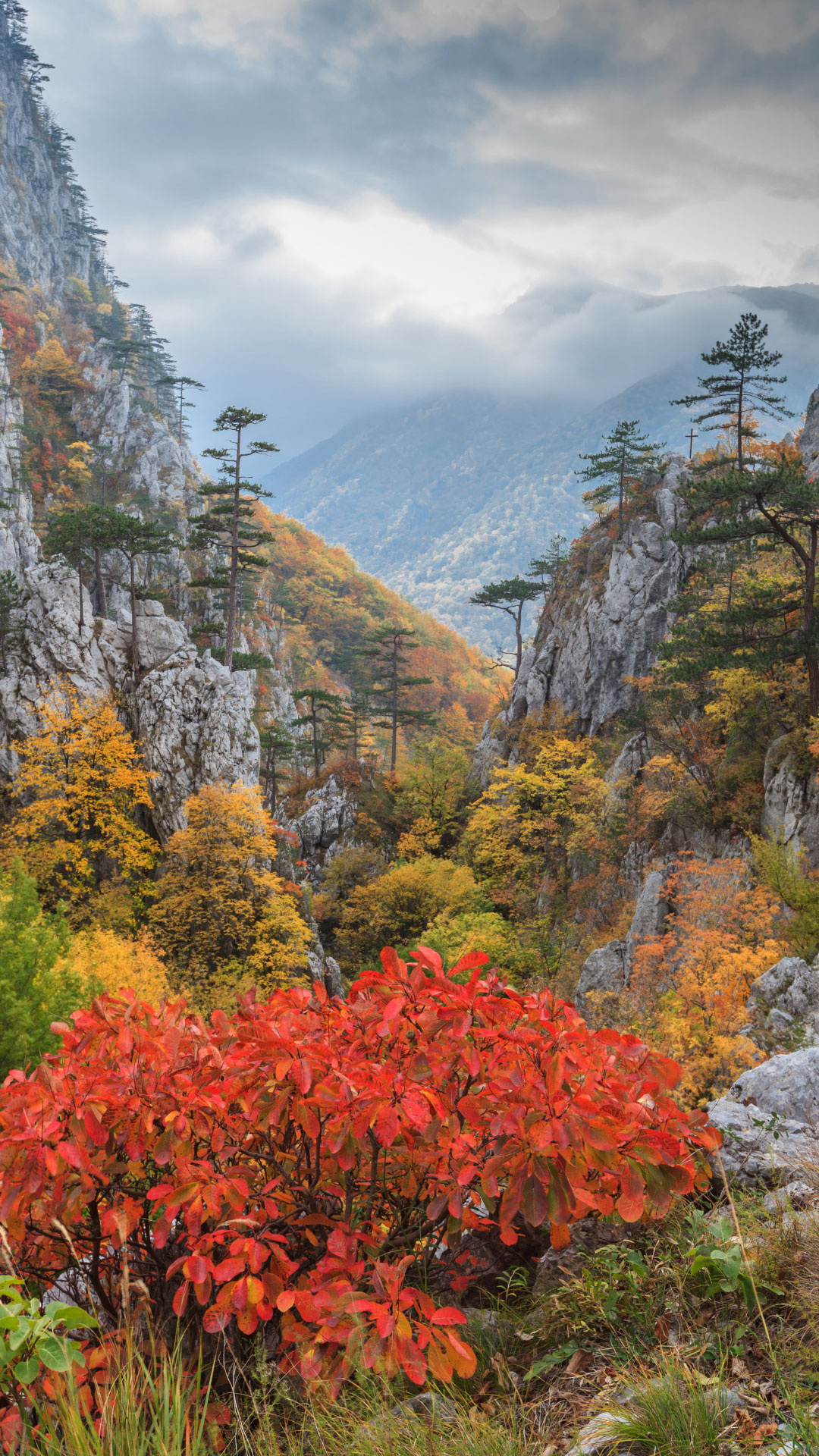
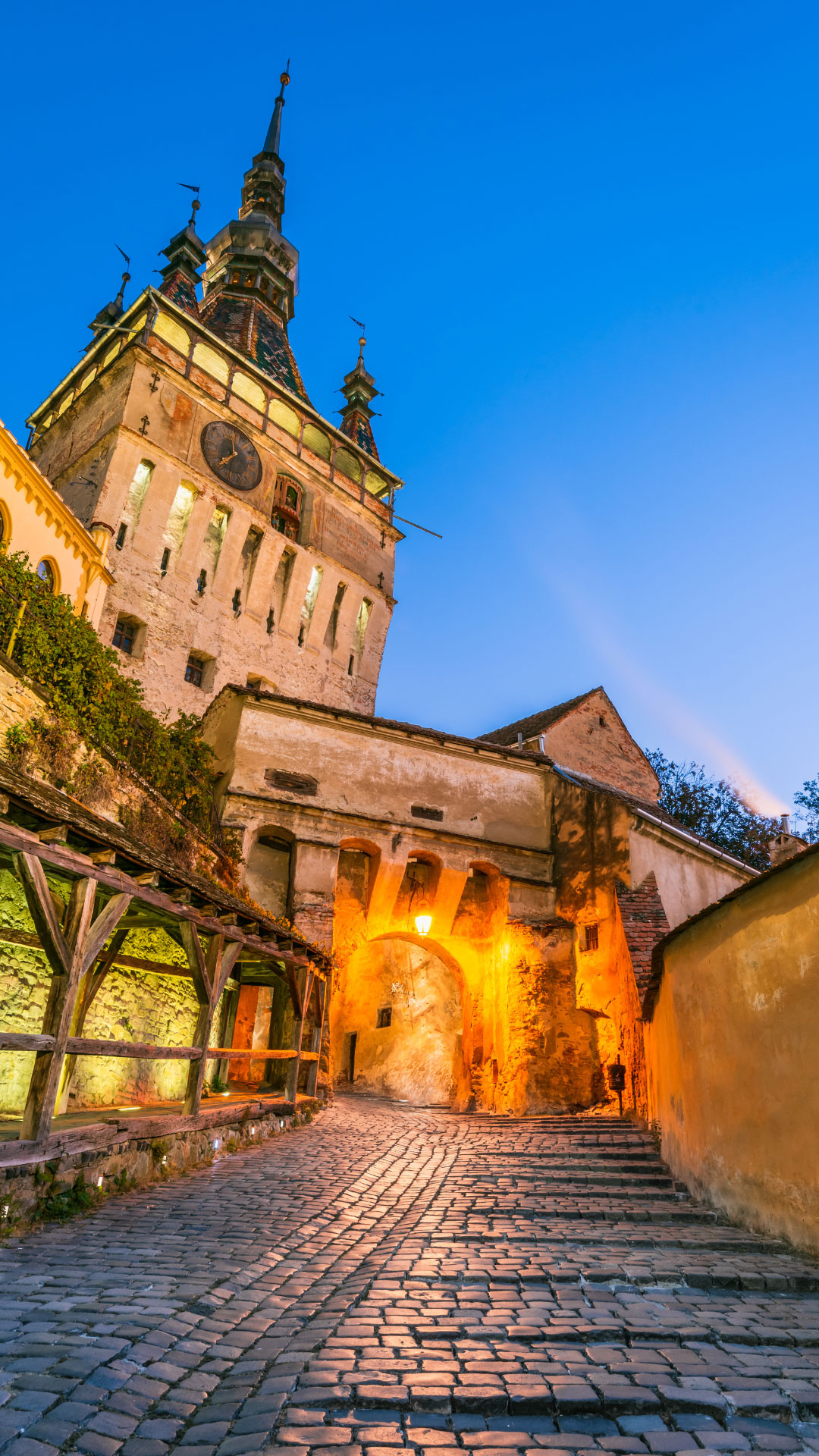
Romania combines one of the lowest costs of living in the European Union with fast internet, lively cities and spectacular countryside, from the Carpathian mountains and medieval Transylvanian towns to the Black Sea coast. Its booming IT and outsourcing sector, centred on Bucharest, Cluj-Napoca, Iași and Timișoara, creates steady demand for professional English. Romanians already have a good level of English, so most work focuses on business, exam and advanced English, and few foreign teachers know the market, keeping competition low.
What kinds of English teaching jobs are there in Romania?
Private language schools. The main employer of foreign English teachers, teaching children, teenagers and adults general, exam and business English. Cambridge exam preparation is especially popular.
Business English. Romania’s IT, outsourcing and shared service companies pay for in-company English training, often through language schools or freelance trainers, and this is the best-paid part of the market.
International schools. A number in Bucharest and some other cities follow British, American or IB curricula and want qualified teachers with a teaching licence.
Universities. Language centres and English-taught programmes, usually wanting a master’s degree and experience.
State schools. Romanian public schools employ Romanian-qualified teachers, so they are rarely an option for foreign TEFL teachers.
Private tutoring and online teaching. A common way to top up income, especially exam preparation for teenagers.
How much do English teachers earn in Romania?
Language schools often pay by the hour, with business English paying best, and international schools pay monthly salaries on their own scales. Romania’s minimum wage was RON 4,050 gross a month until 30 June 2026 and rose to RON 4,325 from 1 July 2026 under Government Decision 146/2026, so a full-time contract must pay at least that. Pay is modest by western European standards, but living costs are among the lowest in the EU, especially outside Bucharest. Check how many paid hours are guaranteed before you accept a part-time contract. Compare pay across countries on the TEFL Salary Index, or read how much TEFL teachers make.
What qualifications do you need to teach English in Romania?
Most employers expect a bachelor’s degree and a TEFL certificate of at least 120 hours. Business English and Cambridge exam preparation skills are especially useful, university posts need a master’s degree, and international schools want a teaching licence and experience. Our Ofqual-regulated Level 5 TEFL course can be verified on the Ofqual register.
Which visa do you need to teach English in Romania?
Romania is an EU member state, so EU, EEA and Swiss citizens, including Irish passport holders, can live and work there freely and register their residence. UK citizens lost that right after Brexit. UK, US and other non EU teachers need their employer to obtain a work authorisation from the General Inspectorate for Immigration, then apply for a long-stay work visa and, after arrival, a residence permit. Romania sets an annual quota for non EU workers, and the process takes time, so start early. Check current rules with the Romanian embassy and our Visa Desk before you accept an offer.
Where are the English teaching jobs in Romania?
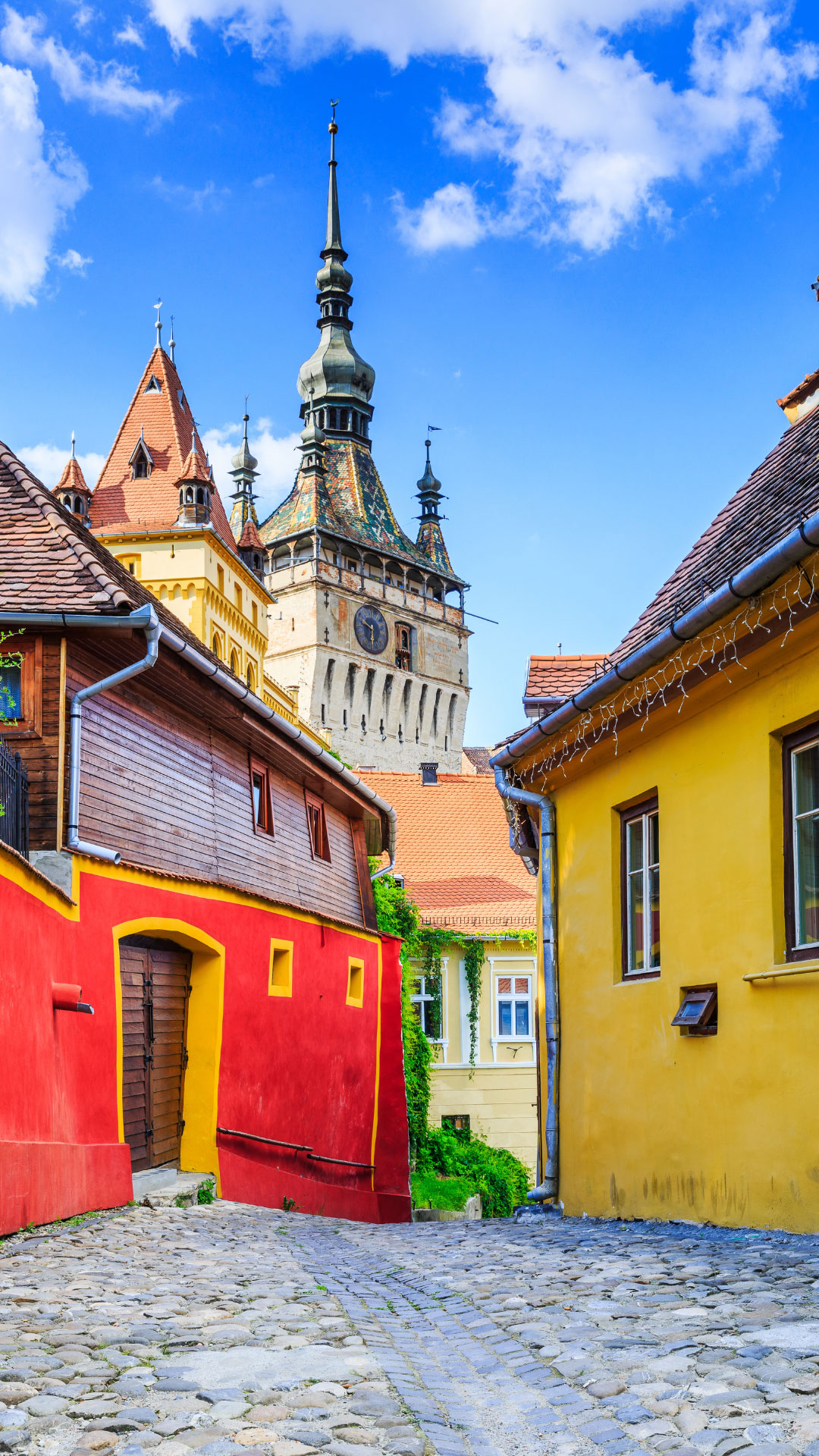
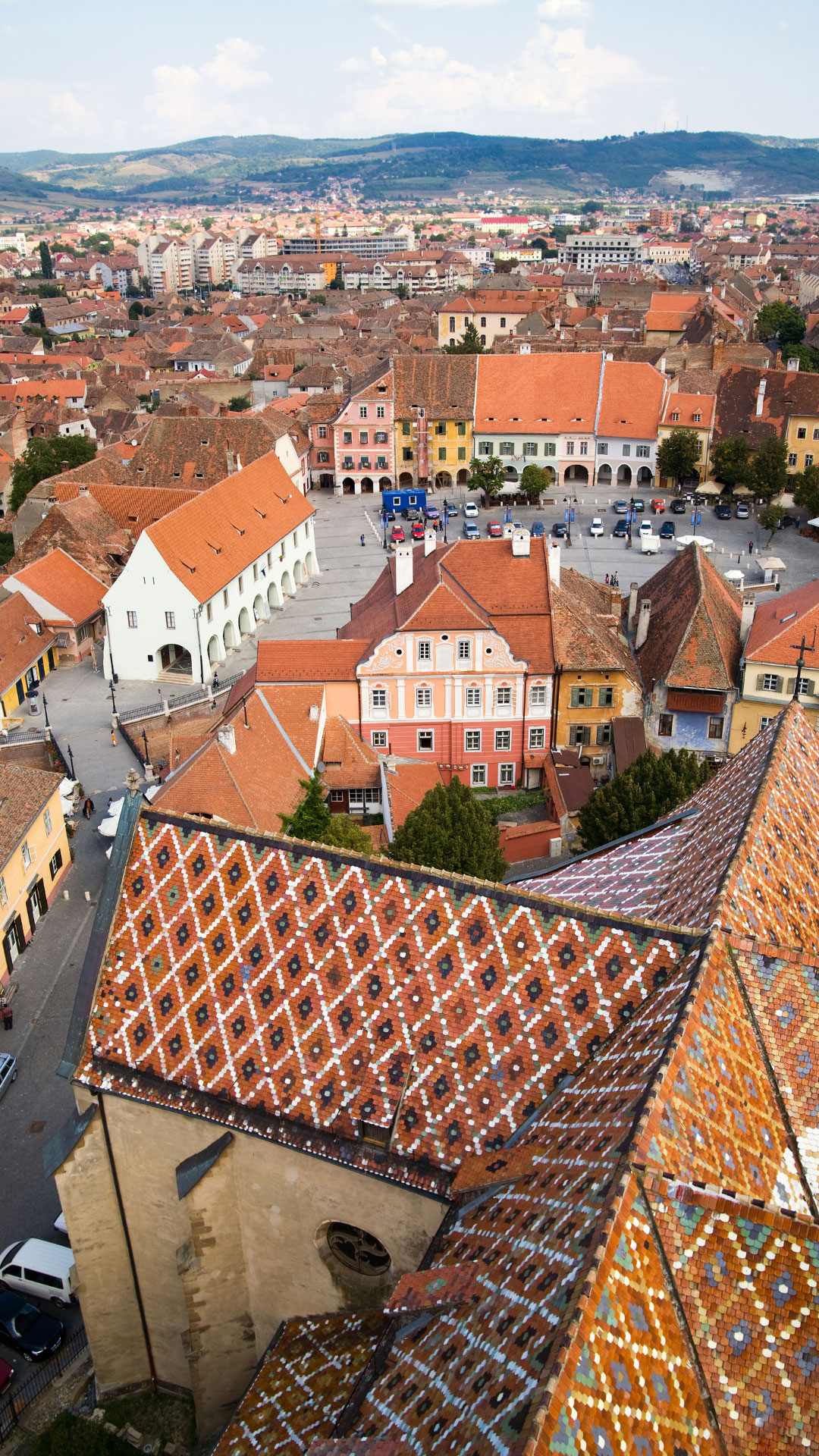
Bucharest, the capital, has most language schools, international schools and corporate work. Cluj-Napoca in Transylvania is a major university and tech city. Iași in the northeast and Timișoara in the west both have large IT sectors and universities, and Brașov, near the mountains, has a smaller market.
What is it like teaching and living in Romania?
Romanians are warm and sociable, and students are generally motivated, particularly adults learning for their careers and teenagers preparing for Cambridge exams. Romania is the only Romance-language country in Eastern Europe, so Romanian is easier to pick up than most of its neighbours’ languages for speakers of Spanish, French or Italian. Summers are hot, winters are cold and snowy, and the country is affordable to explore by train and bus.
Teaching in Romania: read next
- Comparing the region? See our guides to Hungary, Poland and Slovakia.
- Choosing a course? Read our guide to the best TEFL certifications for Europe.
- Compare pay in our TEFL Salary Index and check entry rules on the Visa Desk.
Last updated: 3 October 2026. Pay figures are approximate, not quotes. Work authorisation, visa and residence rules change, so confirm current requirements with Romania’s General Inspectorate for Immigration and your employer before you travel.
Living costs
Romania has one of the lowest costs of living in the EU, and Bucharest is among the cheapest EU capitals. Rent is the biggest cost, highest in central districts such as Dorobanți, Aviatorilor and the Old Town, and lower in residential areas such as Berceni, Militari and Titan. Cluj-Napoca is nearly as expensive as Bucharest, while Iași and Timișoara are noticeably cheaper.
Public transport is cheap and reliable, local food and markets are good value, and internet is fast and inexpensive. Many rental contracts are negotiated in euros even though rent is paid in lei, and utilities, especially winter heating, are usually extra.
All figures below are in Romanian lei (RON) and are typical 2026 rental and price data, checked on 3 October 2026. Prices change, so check a current source before you budget.
- One-bedroom flat, Bucharest: RON 1,790 to 3,140 a month (typically about RON 2,465)
- One-bedroom flat, Cluj-Napoca: About RON 2,245 a month
- One-bedroom flat, Timișoara: About RON 1,905 a month
- One-bedroom flat, Iași: About RON 1,570 a month
- Monthly metro, bus and tram pass, Bucharest: RON 196
- Home internet: RON 30 to 60 a month
- Groceries for one: RON 900 to 1,400 a month
- Single person budget in Bucharest, including rent: RON 5,000 to 8,000 a month
TEFL jobs in Romania: KEY POINTS

SALARY
Hourly at language schools; full time at least RON 4,325 a month

EDUCATION
BA degree preferred

MAIN JOB TYPES
Language schools, business English, international schools, universities

TEFL CERTIFICATION NEEDED
120 hour TEFL Training
KEY FACTS
- Popular locations for TEFL jobs: Bucharest for most language school, business English and international school work; Cluj-Napoca, Iași, Timișoara and Brașov have growing markets.
- Average salary for EFL teachers: Language schools often pay by the hour, with business English paying best; international schools pay monthly salaries on their own scales. A full-time contract must pay at least Romania's minimum wage of RON 4,325 gross a month from 1 July 2026 (RON 4,050 before that).
- Best-paid work: Business English and Cambridge exam preparation are the best-paid work, especially for IT and outsourcing companies in Bucharest, Cluj-Napoca and Iași.
- The hourly rate: Usually paid by the lesson or hour at language schools; check how many paid hours are guaranteed before you accept a part-time contract.
- TEFL qualification requirements: A 120-hour TEFL qualification is the standard minimum for most roles
- Prerequisite university degree: Most employers expect a bachelor's degree, and non EU teachers usually need one for a work authorisation. University posts need a master's degree.
- Term times: September to June
- Currency: Romanian leu (RON)
- Language: Romanian
- Teaching programmes: Private language schools, business English, international schools, universities and private tutoring. State schools rarely hire foreign TEFL teachers.
- Age restrictions: No general age limit; employers usually want graduates
- Previous teaching experience: Beneficial to most jobs
When to go
Climate and hiring in Bucharest
Arrive in late August or early September: language schools are filling timetables for the new term, and the summer heat is easing. Non EU teachers should start the work authorisation in spring. January is a smaller second window.
Bucharest has a continental climate: hot, sunny summers around 86°F in July and August, with heatwaves above 95°F, and cold, grey winters with nights around 23°F, snow and frost. Rain totals about 645 mm a year, wettest from May to July with afternoon thunderstorms.
Average daily highs and lows, 1991 to 2020 station averages for Bucharest. Hiring months are typical patterns, not guarantees.
Facts about Romania

LANGUAGE
Romanian

POPULATION
About 19 million

TEFL JOB DEMAND
Mid
CURRENCY
Romanian leu (RON)

CAPITAL
Bucharest

OUR ROMANIA TEFL RATING
3.8/5
TEFL jobs in Romania: FAQS
How much can I earn as an English teacher in Romania?
Language schools often pay by the hour, with business English paying best, and international schools pay monthly salaries on their own scales. A full-time contract must pay at least Romania’s minimum wage, which rose from RON 4,050 to RON 4,325 gross a month on 1 July 2026. Check how many paid hours are guaranteed before you accept a part-time contract.
Is Romania expensive to live in?
No, it is one of the cheapest countries in the EU. A one-bedroom flat in Bucharest typically costs about RON 2,465 a month, and less in Iași or Timișoara, while the monthly metro, bus and tram pass is RON 196. A single person spends around RON 5,000 to 8,000 a month in Bucharest including rent.
Can I teach English in Romania without a degree?
Sometimes, at private language schools, especially for EU citizens with a recognised TEFL certificate. Most employers prefer a degree, and non EU teachers usually need one for a work authorisation. See our guide to teaching English in Europe without a degree.
What is the best TEFL certificate for teaching in Romania?
An accredited TEFL certificate of at least 120 hours, such as our 120 Hour Advanced TEFL Course, is the standard for Romanian language schools. Because the best-paid work is business English for IT and outsourcing companies and Cambridge exam preparation, an Ofqual-regulated Level 5 TEFL Diploma or CELTA with business or exam training gives you the strongest application. Our guide to the best TEFL certifications for Europe compares the options.
Can UK citizens teach English in Romania after Brexit?
Yes, with a job offer, but allow time. Since Brexit, UK citizens need their employer to obtain a work authorisation from Romania’s General Inspectorate for Immigration, then a long-stay work visa and a residence permit. Romania sets an annual quota for non EU workers. Irish and other EU citizens can work freely and simply register their residence. Check current rules on our Visa Desk.
Do I need to speak Romanian to teach English in Romania?
No. Lessons are taught in English, and many younger Romanians, especially in the cities, speak good English. Learning some Romanian helps with daily life and paperwork, and as a Romance language it is easier than most of its neighbours’ languages for speakers of Spanish, French or Italian. Compare a nearby market in our guide to teaching English in Hungary.
TEFL courses
Become a confident, qualified English teacher with flexible online, classroom or mixed learning.

TEFL internship
With accommodation, training and full in-country support sorted – it’s the hassle-free way to kick-start your TEFL career.

TEFL jobs
Check out new TEFL job listings on our sister company’s well-stocked jobs board.