

 United Kingdom (UK)
 United States (US)
 Canada
 South Africa
 India
India Australia
 New Zealand
 China
China Russia
 Germany
 France
 Spain
Spain Netherlands
 Vietnam
 United Arab Emirates
 Italy
Italy Poland
 Thailand
 Türkiye








 Algeria


Teach English in Norway
TEFL jobs in Norway
Yes, you can teach English in Norway, but it is a niche market. Norwegians already speak excellent English, so most opportunities sit in international schools, private language institutes and business or one-to-one tutoring rather than mainstream state schools. Pay is high and so is the cost of living, and a degree, often with some classroom experience, makes you far more employable.
Teaching English in Norway at a glance
| Main employers | International schools, private language institutes, business English providers, private students |
| Typical pay | Language institutes often around NOK 300 to NOK 500 an hour; international schools pay annual salaries in line with Norwegian teaching scales |
| Minimum wage | Norway has no statutory national minimum wage; pay floors come from collective agreements in some sectors |
| Degree | Expected by most employers and needed for a skilled worker permit |
| Minimum TEFL hours | 120 hours for institutes; international schools usually want a teaching licence |
| Main cities | Oslo, Bergen, Stavanger and Trondheim |
Who can legally teach English in Norway?
EU and EEA citizens, including Irish passport holders. Norway is part of the European Economic Area, so you can live and work there and register your residence with the police or the immigration service.
UK, US, Canadian and other non EEA citizens. You usually need a residence permit for skilled workers from the Norwegian Directorate of Immigration (UDI). This generally requires a job offer, a degree or vocational qualification, and pay and conditions at least in line with Norwegian standards. Language institutes rarely sponsor permits, so international schools with qualified teachers are the most realistic route. Some nationalities, including Australians and New Zealanders, can apply for working holiday permits.
Check current rules on the UDI website and our Visa Desk before you apply.
What English teaching jobs are there in Norway?
International schools. The main source of full time, well paid positions. They usually require a teaching licence and experience, and teach the IB, British or American curriculum.
Private language institutes. Teach adults and some children, often part time and in the evenings, with demand for business English and exam preparation.
Business English and corporate training. Companies in Oslo, Stavanger’s energy sector and other cities hire trainers for specialist and professional English.
Private and online students. A common way to add income, especially for exam preparation and business clients.
Norwegian state schools teach English through Norwegian qualified teachers, so mainstream state school posts are not a realistic route for most TEFL teachers.
How much do English teachers earn in Norway?
Pay is among the highest in Europe, but so are living costs. Language institutes often pay around NOK 300 to NOK 500 an hour, usually for part time hours, so many teachers combine several employers or private clients. International schools pay annual salaries broadly in line with Norwegian teaching scales for licensed teachers. Because Norway has no statutory minimum wage, read your contract carefully and check how many paid hours it guarantees. Compare pay across countries on the TEFL Salary Index.
What qualifications do you need?
A degree is expected by most employers and is usually needed for a non EEA work permit. A TEFL certificate of at least 120 hours is the usual minimum for language institutes and business English, while international schools typically require a teaching licence. Our 120 Hour Advanced TEFL Course meets the standard requirement, and the Ofqual-regulated Level 5 TEFL course can be verified on the Ofqual register, which helps with business English and corporate clients.
What does it cost to live in Norway?
Norway is one of the most expensive countries in Europe. Rent in Oslo and Bergen is the biggest cost, and food, eating out and alcohol are notably expensive. Public transport is excellent and healthcare is good once you are registered. Most teachers who make Norway work have either a full time international school salary or a well filled timetable of institute, business and private teaching.
What is it like teaching in Norway?
Norwegian learners are typically confident, independent and already strong in English, so classes focus on fluency, professional and academic English and exam preparation rather than basics. Workplaces are informal and egalitarian, punctuality is expected, and a good work life balance is the norm. Learning some Norwegian helps with daily life and integration.
Where to find English teaching jobs in Norway now
Norway’s English teaching market is small and competitive, with most openings at language schools, corporate training providers and international schools in Oslo, Bergen and Trondheim. Schools recruit mainly in spring for an August start. These are the best ways to see what is open.
- Browse current vacancies on our TEFL jobs board, where partner schools post roles worldwide.
- Sign up for Deadline Alerts to hear about application windows before they close.
- Check residence permit rules on the Visa Desk before you plan your move.
- Use the Eligibility Checker to see which routes your passport and qualifications open.
Teaching in Norway: read next
- Comparing the region? See teaching English in Sweden and our guide to teaching English in Denmark.
- Add online income with our guide to online English teaching jobs.
- Compare pay in our TEFL Salary Index and check entry rules on the Visa Desk.
Last updated: 4 October 2026. Norway has no statutory national minimum wage; minimum pay is set by sector agreements. Pay figures are approximate typical ranges, not quotes. Immigration rules change, so confirm current requirements with the Norwegian Directorate of Immigration (UDI) before you apply.

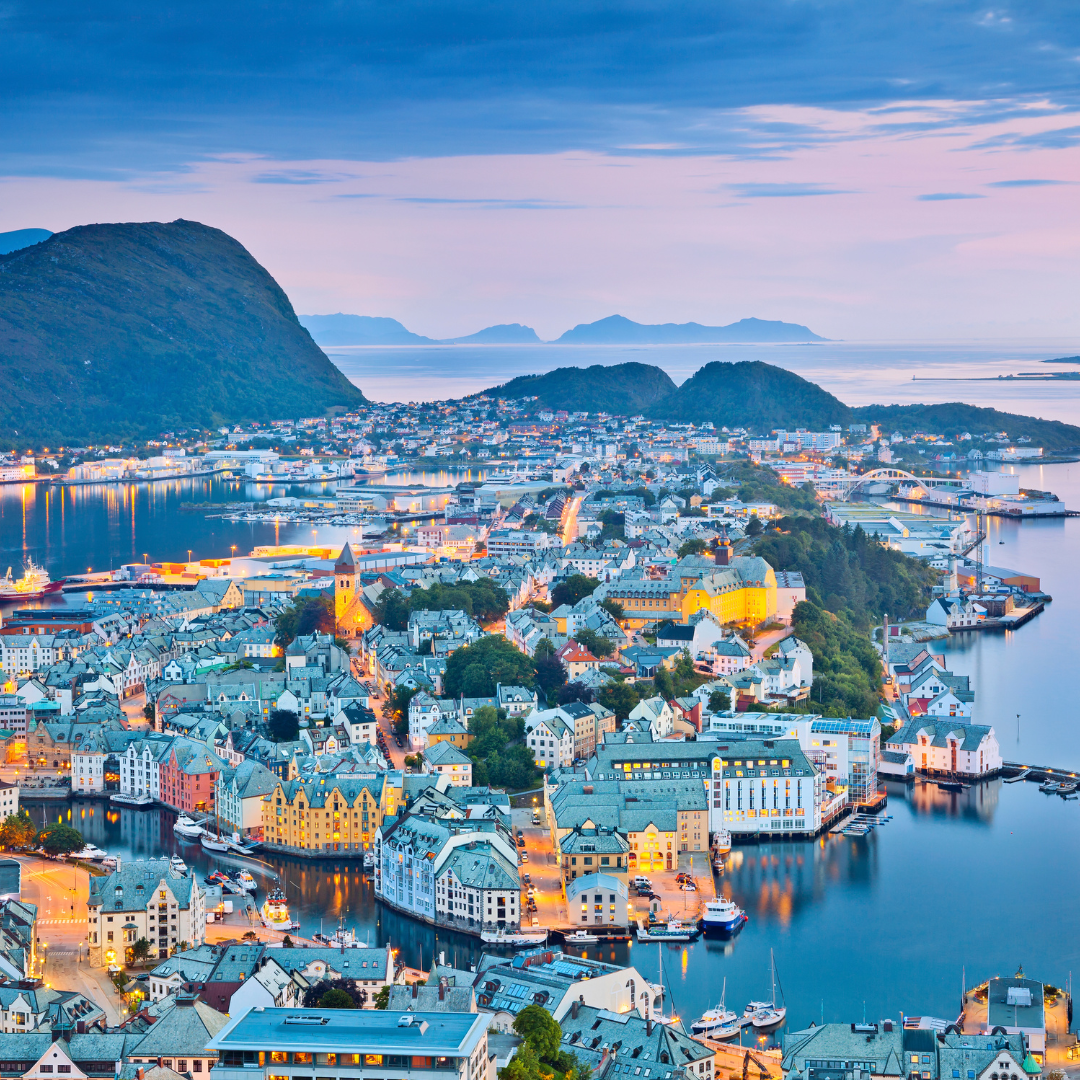

Living costs
Norwegian culture is influenced by its history, geography, and values. Here are some key cultural aspects to consider:
- Nature and Outdoors: Norwegians have a deep appreciation for their natural surroundings. Outdoor activities like hiking, skiing, and camping are an integral part of the culture.
- Work-Life Balance: Norwegians value a healthy work-life balance. The work environment is generally characterized by flexible work hours and a focus on productivity rather than long hours.
- Social Equality: Norway is known for its strong emphasis on social equality and welfare. The society is generally inclusive, and there’s a sense of collective responsibility for the well-being of all citizens.
- Reserved Nature: Norwegians are often perceived as reserved and private. It might take time to establish close relationships, but once you do, they tend to be genuine and deep.
- Cultural Heritage: Norway has a rich cultural heritage, including traditional music, art, and literature. Festivals and celebrations often revolve around cultural traditions.
Despite the high costs, Norway consistently ranks high in quality of life indexes due to factors such as excellent healthcare, education, social services, and overall safety.
To obtain the most up-to-date cost of living figures, we use the world’s biggest cost of living comparison website, Numbio.com.
- Accommodation: $600-$1,300
- Utilities: $206.67
- Health insurance: N/A
- Monthly transport pass: $75
- Basic dinner out for two: $94
- Cappuccino in an ex-pat area: $4.26
- A beer in a pub: $9.21
- 1 litre of milk: $1.96
TEFL jobs in Norway: KEY POINTS

SALARY
NOK 300–500 an hour at institutes

EDUCATION
BA degree preferred

MAIN JOB TYPES
Private schools, public schools, private tutoring, volunteering projects

TEFL CERTIFICATION NEEDED
180 hour TEFL Training
KEY FACTS
- Popular locations for TEFL jobs: Oslo: As the capital and largest city of Norway, Oslo offers a range of opportunities for TEFL teachers. It's home to numerous language schools, international schools, and universities. Bergen: Bergen is a picturesque city known for its cultural scene and natural beauty. It has several language schools and educational institutions that may offer TEFL positions. Trondheim: Trondheim is a historical city with a vibrant academic and cultural atmosphere. It's home to the Norwegian University of Science and Technology (NTNU) and various language centers.
- English teacher salaries in Norway: Generally, wages in Norway tend to be relatively high due to the country's strong economy and high cost of living. However, specific wage information can change over time. TEFL teachers in Norway might be employed by language schools, public schools, international schools, or other educational institutions. Additionally, freelance or self-employed TEFL teachers may have a different earning structure.
- TEFL qualification requirements: At least a 180-hour TEFL qualification
- Prerequisite university degree: A degree is usually required to teach in Norway but may find work without.
- Term times: In Norway, the school term times can vary slightly depending on the region and the level of education (primary, secondary, etc.), but generally, the academic year follows a pattern of three terms: autumn, spring, and summer. Here is a general overview of school term times in Norway: Autumn Term (Høstsemester): Typically starts in mid-August or early September. Runs until mid-December. Includes a week-long autumn break (høstferie) in October, which varies by region. Spring Term (Vårsemester): Generally starts in early to mid-January. Continues until late June. Includes a winter break (vinterferie) in February or March, which also varies by region. Summer Vacation (Sommerferie): The summer vacation in Norway is usually the longest break and extends from late June to mid-August.
- Currency: Norwegian Krone
- Language: Norwegian
- Teaching programmes: Teaching adults or children in private language schools as well as international schools or as a private tutor.
- Age restrictions: None
- Previous teaching experience: is desirable for many roles but not essential
When to go
Climate and hiring in Oslo
Apply in spring and arrive in early August: schools recruit from March to May for the school year starting in mid-August, and language schools fill autumn courses in August and September.
Oslo has cold, snowy winters with nights around 23°F and only about six hours of daylight in December, and mild summers around 73°F with very long days. Precipitation totals about 836 mm a year, wettest from June to November. Bergen on the west coast is milder but much wetter.
Average daily highs and lows, 1991 to 2020 normals for Oslo Blindern. Hiring months are typical patterns, not guarantees.
Facts about Norway

LANGUAGE
Norwegian

POPULATION
5.4 million

TEFL JOB DEMAND
Mid

CURRENCY
Krone

CAPITAL
Oslo

OUR NORWAY TEFL RATING
3.5

TEFL jobs in Norway: FAQS
How much can I earn as an English teacher in Norway?
Language institutes in Norway often pay around NOK 300 to NOK 500 an hour, usually for part time hours, so many teachers combine several employers or private clients. International schools pay annual salaries broadly in line with Norwegian teaching scales for licensed teachers. Norway has no statutory minimum wage, so check your contract carefully.
Is Norway expensive to live in?
Norway is generally considered to be an expensive country to live in. The high cost of living in Norway is influenced by several factors, including a strong economy, high wages, and a generous social welfare system.
Can I teach English in Norway without a degree?
Most English teaching jobs in Norway expect a degree, and international schools usually want a teaching licence. EU and EEA citizens, including Irish passport holders, may find some language institute or private teaching work without one. For UK, US and other non EEA teachers, a degree or vocational qualification is usually needed for the skilled worker permit.
What is the best TEFL certificate for teaching in Norway?
Norway’s market is small and competitive, so qualifications matter. An accredited TEFL certificate of at least 120 hours, such as our 120 Hour Advanced TEFL Course, is the minimum for language schools and corporate training, and an Ofqual-regulated Level 5 TEFL Diploma gives you a much stronger application. State schools require a recognised teaching qualification.
Can UK and US citizens teach English in Norway?
It is difficult. UK and US citizens need a residence permit for work from the Norwegian Directorate of Immigration (UDI), usually as a skilled worker with a qualifying job offer and Norwegian pay and conditions, and few language schools sponsor teachers. Irish and other EU and EEA citizens can work freely and register with the police. Check current rules on our Visa Desk.
Do I need to speak Norwegian to teach English in Norway?
Not to teach English, since Norwegians speak excellent English, but Norwegian helps a great deal with daily life, integration and longer term job prospects, and state school posts usually require it. Many teachers take free or low cost classes once they arrive. For a larger market in the region, see our guide to teaching English in Germany.
TEFL courses
Become a confident, qualified English teacher with flexible online, classroom or mixed learning.

TEFL internship
With accommodation, training and full in-country support sorted – it’s the hassle-free way to kick-start your TEFL career.

TEFL jobs
Check out new TEFL job listings on our sister company’s well-stocked jobs board.