

 United Kingdom (UK)
 United States (US)
 Canada
 South Africa
 India
India Australia
 New Zealand
 China
China Russia
 Germany
 France
 Spain
Spain Netherlands
 Vietnam
 United Arab Emirates
 Italy
Italy Poland
 Thailand
 Türkiye








 Algeria


Teach English in Uruguay
TEFL jobs in Uruguay
Yes, you can teach English in Uruguay, a small, stable and safe country with steady demand for English, mainly in Montevideo. Most work is at language institutes, private bilingual schools and in private and business lessons. A 120 hour TEFL certificate is the usual requirement, and Uruguay has the highest national minimum wage in South America in US dollar terms.
Teaching English in Uruguay at a glance
| Main employers | Language institutes, private bilingual schools, business English providers, private and online students |
| How pay works | Hourly in Uruguayan pesos at institutes, monthly salaries at schools |
| Minimum wage benchmark | UYU 25,383 a month from 1 July 2026, under Decree 319/025 |
| Hiring season | February to March, before the school year starts in March, with a smaller round in July |
| Minimum TEFL hours | 120 hours |
| Degree required | Preferred by schools, not always required by institutes |
| Main cities | Montevideo above all, then Punta del Este, Colonia and Salto |
Who can legally teach English in Uruguay?
Visiting. UK, Irish, EU, US, Canadian and Australian citizens can usually visit Uruguay without a visa for up to 90 days. Visitor entry does not allow you to work for a Uruguayan employer.
Legal residence. To work legally you need residence and a Uruguayan identity card, the cédula. Uruguay’s residence process is relatively accessible: applications are handled by the National Migration Directorate, and Mercosur nationals have a simplified route. Allow time for document checks, apostilles and appointments.
Working holiday visas. Uruguay has working holiday agreements with several countries, including Australia and New Zealand, which can allow younger applicants to work for up to a year. Check current eligibility with the Uruguayan embassy in your country.
Working informally on visitor entry is not legal, and we do not recommend it. See our Visa Desk for current entry rules.
How much do English teachers earn in Uruguay?
Uruguay is one of the higher wage countries in South America, but it is also one of the more expensive, particularly in Montevideo and Punta del Este. Most institute work is paid by the hour in pesos, private bilingual schools pay monthly salaries, and private and business lessons pay more per hour. A full time employment contract must pay at least the national minimum wage of UYU 25,383 a month from July 2026. Many teachers add online lessons for foreign students, which typically pay around US$10 to US$25 an hour. Compare pay across countries on the TEFL Salary Index.
Where are the English teaching jobs in Uruguay?
Montevideo, the capital and home to around half the population, has most of the language institutes, bilingual schools and business clients. Punta del Este has seasonal demand linked to tourism. Colonia del Sacramento and Salto have smaller markets. Uruguay’s English teaching market is small overall, so being in Montevideo and networking with schools in person makes a real difference.
What qualifications do you need?
A TEFL certificate of at least 120 hours is the practical minimum, alongside native or near native English. Bilingual schools usually prefer a degree and often a teaching qualification. Cambridge exam preparation is a common requirement at private schools, so exam teaching skills are valuable. Our 120 Hour Advanced TEFL Course meets the standard requirement, and the Ofqual-regulated Level 5 TEFL course is a regulated qualification employers can verify on the Ofqual register. Spanish helps a great deal in daily life.
What does it cost to live in Uruguay?
Uruguay is one of the more expensive countries in South America, with prices in Montevideo closer to southern Europe than to its neighbours. Rent is the biggest cost, especially in popular neighbourhoods such as Pocitos and Punta Carretas, while groceries, eating out and imported goods are also relatively expensive. Public buses are reliable and reasonably priced. Most new teachers share a flat and combine local teaching with online students to make the numbers work.
What is it like teaching in Uruguay?
Uruguayan learners are typically friendly, relaxed and well educated, and many already have a good grounding in English from school. Classes value conversation and practical English. Daily life is calm and unhurried, sharing mate with colleagues is part of the culture, and relationships matter for finding work. Expect a quieter pace than Buenos Aires or São Paulo, with a strong sense of safety and community.
Where to find English teaching jobs in Uruguay now
Uruguayan schools and institutes hire mainly in February and March, before the school year starts in early March, with a smaller round in July. The market is small and centred on Montevideo, so these are the best ways to see what is open and plan your timing.
- Browse current vacancies on our TEFL jobs board, where partner schools post roles worldwide.
- Sign up for Deadline Alerts to hear about application windows before they close.
- Compare Uruguay with its neighbours in the ultimate guide to where to teach in South America.
- Check entry rules on the Visa Desk before you plan your move.
- Use the Eligibility Checker to see which routes your passport and qualifications open.
Teaching in Uruguay: read next
- Comparing the region? See our South America country comparison.
- Considering Argentina too? See our guide to teaching English in Argentina.
- Or Chile? Read our guide to teaching English in Chile.
- Compare pay in our TEFL Salary Index and check entry rules on the Visa Desk.
Last updated: 4 October 2026. 2026 figures checked October 2026: national minimum wage of UYU 25,383 a month from 1 July 2026, up from UYU 24,572 in January, under Decree 319/025. The minimum wage figure is from Uruguay’s Decree 319/025. Pay and living costs are approximate. Immigration rules change, so confirm current requirements with Uruguay’s National Migration Directorate before you travel.

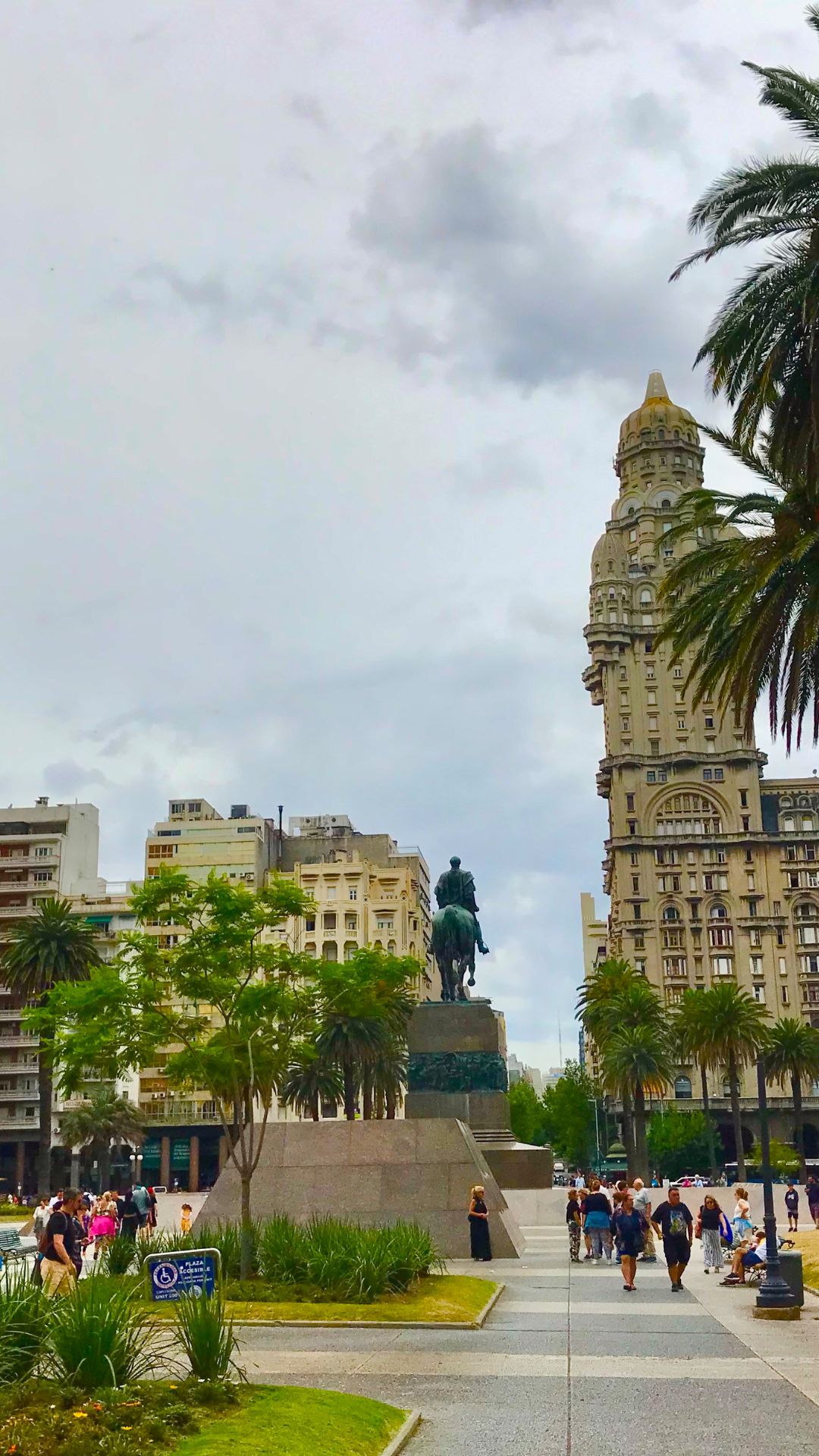

Living costs
Uruguay is one of the most expensive countries in South America, and Montevideo topped Numbeo’s 2026 ranking as the most expensive city in Latin America. It is still cheaper than most of Western Europe, but budget carefully. Here are the main costs:
- Accommodation: Rent is the biggest expense. Montevideo is the most expensive place to live, with neighbourhoods such as Pocitos and Punta Carretas at the top of the range. Most new teachers share a flat. Smaller towns are cheaper.
- Food: Supermarket prices are high by regional standards, and eating out costs more than in Argentina or Brazil. Local markets and set lunch menus keep costs down.
- Transportation: Montevideo’s buses are reliable and a monthly pass is good value. Fuel is among the most expensive in the Americas, so owning a car is costly.
- Healthcare: Most workers on a formal contract join a mutualista, a private healthcare provider funded through social security contributions.
All figures below are in Uruguayan pesos (UYU) and are Numbeo’s Montevideo averages, checked on 2 October 2026. Prices change quickly, so check Numbeo’s Montevideo page before you budget.
- One-bedroom flat: UYU 23,400 to 28,400 a month
- Utilities: UYU 7,600 a month
- Home internet: UYU 1,790 a month
- Monthly transport pass: UYU 3,000
- Mid-range dinner for two: UYU 2,750
- Cappuccino: UYU 184
- A pint of beer: UYU 198
- 1 litre of milk: UYU 54
TEFL jobs in Uruguay : KEY POINTS

SALARY
Hourly in pesos, minimum wage UYU 25,383 a month

EDUCATION
BA degree preferred

MAIN JOB TYPES
International schools and language schools

TEFL CERTIFICATION NEEDED
120 Hour TEFL Course
KEY FACTS
- Popular locations for TEFL jobs: Montevideo: The capital city and largest urban area in Uruguay, Montevideo, is a major hub for TEFL opportunities. It's home to numerous language schools, institutes, and international schools that hire English teachers. Montevideo's vibrant culture, urban amenities, and coastal location make it an attractive destination for many expatriates. Punta del Este: This resort city on the southern coast of Uruguay is known for its beautiful beaches, upscale lifestyle, and tourism industry. While TEFL opportunities may not be as abundant as in Montevideo, there is a demand for English instruction, especially during the peak tourist season. Colonia del Sacramento: A historic city with a charming atmosphere, Colonia del Sacramento is a UNESCO World Heritage site. While it may have fewer TEFL job options compared to larger cities, its unique appeal and tourist-oriented businesses could offer teaching opportunities. Maldonado: Located near Punta del Este, Maldonado is another coastal city with potential TEFL opportunities, particularly during the tourism season. It's a growing area with a mix of locals and expatriates.
- English teacher salaries in Uruguay : Language institutes usually pay by the hour in Uruguayan pesos, and private bilingual schools pay a monthly salary. A full-time employment contract must pay at least the national minimum wage of UYU 25,383 a month (from 1 July 2026). Pay depends on the employer, your hours and your qualifications, and many teachers add private or online students on top.
- TEFL qualification requirements: At least a 120-hour TEFL qualification
- Prerequisite university degree: Many employers, including language schools and international schools, may require TEFL teachers to have a bachelor's degree in a relevant field. However, the field of study may vary depending on the institution.
- Term times: March to December
- Currency: Uruguayan Pesos
- Language: Spanish
- Teaching programmes: Teaching adults or children in private language schools as well as international schools or as a private tutor.
- Age restrictions: None
- Previous teaching experience: is desirable for many roles but not essential
When to go
Climate and hiring in Montevideo
Arrive in February: schools and institutes hire in February and March, before the school year starts in early March. July, after the winter break, is a smaller window.
Montevideo has warm summers around 82°F, cooled by sea breezes off the Río de la Plata, and mild, damp winters around 57°F by day, when the humidity and wind make it feel colder. Rain totals about 1,165 mm a year, spread evenly through the year. Snow almost never falls.
Average daily highs and lows, 1991 to 2020 station averages for Montevideo. Hiring months are typical patterns, not guarantees.
Facts about Uruguay

LANGUAGE
Spanish

POPULATION
3.4 Million

TEFL JOB DEMAND
High

CURRENCY
Uruguayan Pesos

CAPITAL
Montevideo

OUR URUGUAY TEFL RATING
3.9

TEFL jobs in Uruguay : FAQS
How much can I earn as an English teacher in Uruguay?
Language institute work in Uruguay is usually paid hourly in pesos, and private bilingual schools pay monthly salaries. A full time employment contract must pay at least the national minimum wage of UYU 25,383 a month from 1 July 2026, the highest in South America in US dollar terms. Many teachers add online lessons, typically around US$10 to US$25 an hour.
Is Uruguay expensive to live in?
Yes, by South American standards. Uruguay is one of the more expensive countries in the region, with Montevideo prices closer to southern Europe than to its neighbours. Rent in popular neighbourhoods such as Pocitos is the biggest cost, so most new teachers share a flat and add online students.
Can I teach English in Uruguay without a degree?
Having a degree is often preferred by many employers and institutions when hiring English teachers in Uruguay. Having a degree can enhance your job prospects and increase your eligibility for obtaining a work visa.
However, it’s important to note that the requirements for teaching English in Uruguay can vary depending on the institution, location, and type of position. While some language schools or private tutoring opportunities might be more flexible with their requirements, others, especially those associated with formal education or established language institutes, may have stricter criteria.
What is the best TEFL certificate for teaching in Uruguay?
An accredited TEFL certificate of at least 120 hours, such as our 120 Hour Advanced TEFL Course, is what most Uruguayan institutes ask for. For bilingual schools and business English in Montevideo, an Ofqual-regulated Level 5 TEFL Diploma gives you a stronger application and is recognised wherever you teach, including online.
Can UK and US citizens teach English in Uruguay?
Yes. To work legally you need residence in Uruguay, usually temporary residence linked to a job, applied for through Uruguay’s National Directorate of Migration, and tourist entry does not allow paid work. Uruguay’s residence process is generally considered straightforward compared with many countries in the region. Check current rules on our Visa Desk.
Do I need to speak Spanish to teach English in Uruguay?
Not to teach, since lessons are in English, but Spanish makes daily life, renting and paperwork much easier, and Uruguayan Spanish shares the distinctive accent and vos forms of Buenos Aires. Many teachers take classes once they arrive. For a nearby market, see our guide to teaching English in Argentina.
TEFL courses
Become a confident, qualified English teacher with flexible online, classroom or mixed learning.

TEFL internship
With accommodation, training and full in-country support sorted – it’s the hassle-free way to kick-start your TEFL career.

TEFL jobs
Check out new TEFL job listings on our sister company’s well-stocked jobs board.