

 United Kingdom (UK)
 United States (US)
 Canada
 South Africa
 India
India Australia
 New Zealand
 China
China Russia
 Germany
 France
 Spain
Spain Netherlands
 Vietnam
 United Arab Emirates
 Italy
Italy Poland
 Thailand
 Türkiye








 Algeria


Teach English in the Netherlands
TEFL jobs in the Netherlands
You can teach English in the Netherlands at private language schools, in business English, at international schools, in university language centres and with private students, mainly in Amsterdam, Rotterdam, The Hague and Utrecht. The Dutch already speak excellent English, so most work is specialist: business, exam and academic English. EU citizens can work freely, while most non EU teachers find the Netherlands hard to enter, with the main exceptions being US citizens self-employed under the Dutch-American Friendship Treaty and young people on working holiday schemes. The minimum wage is €14.99 an hour from 1 July 2026.
Teaching English in the Netherlands at a glance
| Main employers | Private language schools, business English providers, international schools, university language centres, private students |
| Typical pay | Much work is hourly or freelance; international schools pay salaries on Dutch scales |
| Minimum wage | €14.99 an hour gross from 1 July 2026, adjusted every January and July |
| Hiring | Schools recruit in spring for an August or September start; language schools and companies hire year round |
| Minimum TEFL hours | 120 hours, with a Level 5 TEFL or CELTA a real advantage |
| Degree | Expected by most employers; international schools want a teaching qualification |
| Right to work | EU and EEA citizens work freely; US citizens can use the DAFT self-employed route; some nationalities have working holiday schemes |
| Main cities | Amsterdam, Rotterdam, The Hague, Utrecht and Eindhoven |
What kinds of English teaching jobs are there in the Netherlands?
Language schools. Many language schools teach English to children, teenagers and adults, full time or part time, covering general English, business English and exam preparation such as IELTS, TOEFL and Cambridge.
Business English. The largest part of the market. Companies in Amsterdam, Rotterdam and Eindhoven pay for in-company training, presentation skills and specialist English, often through freelance trainers.
International schools. The Netherlands has a large network of international schools, especially around The Hague and Amsterdam. They follow English-medium and IB curricula and want qualified, licensed teachers rather than TEFL holders alone.
University language centres. Universities offer academic English, English for specific purposes and language support for international and Dutch students, usually wanting a master’s degree and experience.
Private tutoring. Conversation, exam preparation and business communication for individuals and small groups, often alongside other work.
How much do English teachers earn in the Netherlands?
Much English teaching in the Netherlands is paid by the hour, often on freelance contracts, with business English and exam classes paying best. International schools pay salaries on Dutch or international scales for qualified teachers. The statutory minimum wage is €14.99 an hour gross from 1 July 2026 for employees aged 21 and over, among the highest in the EU, and it is adjusted every January and July. Housing in the big cities is scarce and expensive, so check guaranteed hours carefully before you commit. Compare pay across countries on the TEFL Salary Index, or read how much TEFL teachers make.
What qualifications do you need to teach English in the Netherlands?
Most employers expect a degree and a TEFL certificate of at least 120 hours, and because Dutch learners already speak good English, a Level 5 TEFL or CELTA plus business English or exam teaching experience makes a real difference. International schools want a teaching licence such as a PGCE, and university roles usually a master’s degree. Freelancers need to register with the Dutch Chamber of Commerce (KVK). Our Ofqual-regulated Level 5 TEFL course can be verified on the Ofqual register.
Which visa do you need to teach English in the Netherlands?
EU, EEA and Swiss citizens, including Irish passport holders, can live and work in the Netherlands freely and register with their local municipality. UK citizens lost that right after Brexit. For most non EU teachers the Netherlands is hard to enter: the highly skilled migrant route has salary thresholds most TEFL jobs do not meet. The main exceptions are US citizens, who can apply for self-employed residence under the Dutch-American Friendship Treaty (DAFT), and young people from countries with a Dutch working holiday agreement, such as Canada, Australia and New Zealand. Residence permits are handled by the IND. Check current rules on our Visa Desk before you plan a move.
Where are the English teaching jobs in the Netherlands?
Amsterdam has the most language schools and business English work, and the highest rents. The Hague has the largest concentration of international schools and organisations. Rotterdam, Europe’s biggest port, has strong corporate demand. Utrecht and Eindhoven, the tech hub, have growing markets and slightly lower costs.
What is it like living and teaching in the Netherlands?
The Netherlands is known for its high quality of life, efficient public services, excellent English proficiency and a vibrant, international culture, all of which make it a comfortable base. Cycling is the normal way to get around, and the train network makes the whole country easy to reach. Students are confident and direct and expect practical, discussion-led lessons. The main challenge is housing, which is scarce in the big cities, so start your search early.
Teaching in the Netherlands: read next
- Comparing nearby countries? See our guides to Belgium, Germany and Denmark.
- Wondering about pay? Read how much TEFL teachers make, and if you will teach exams, everything you need to know for teaching IELTS.
- Compare pay in our TEFL Salary Index and check entry rules on the Visa Desk.
Last updated: 2 October 2026. Pay figures are approximate, not quotes. Residence and work rules change, so confirm current requirements with the IND and your employer before you plan a move.

Living costs
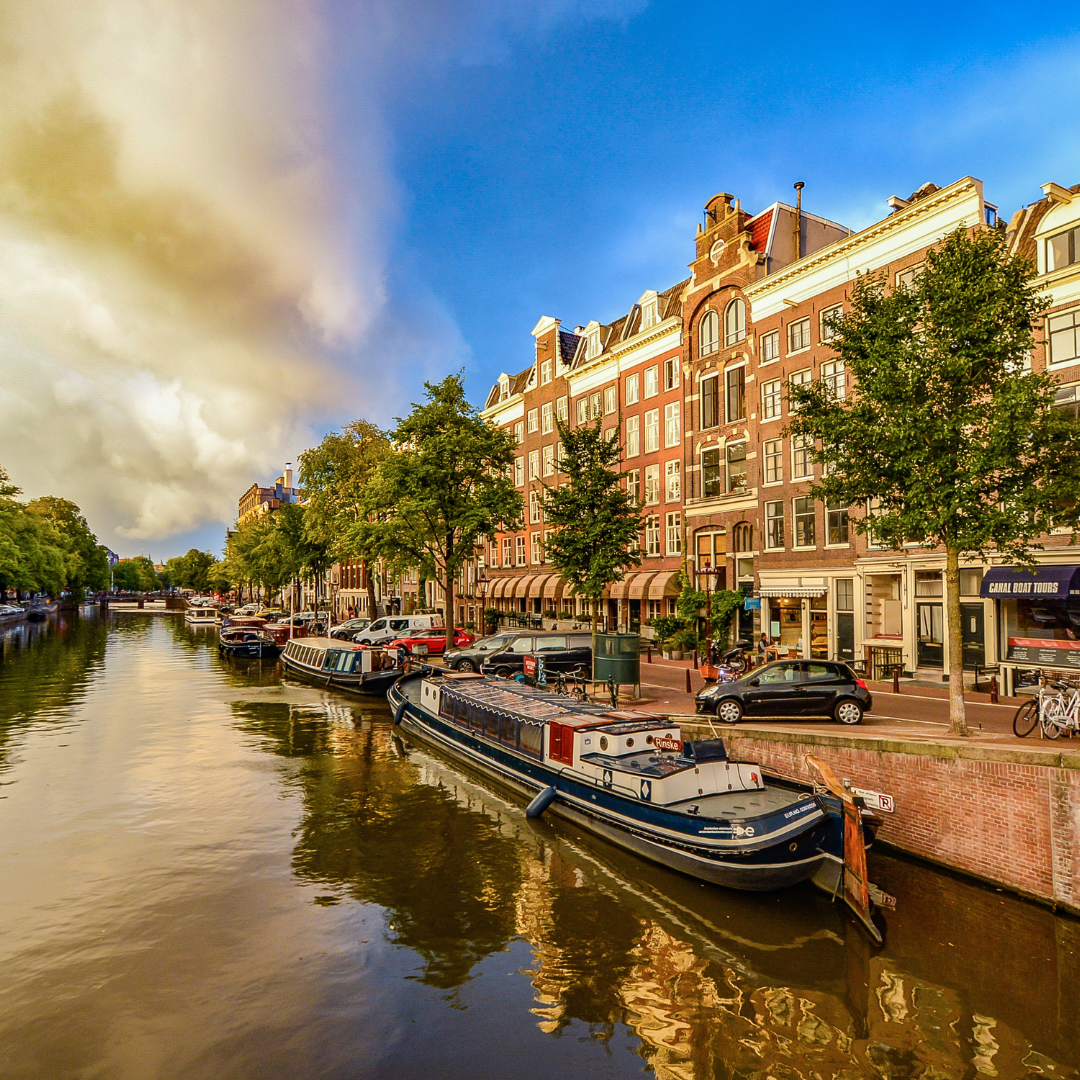
The Netherlands is one of the more expensive countries in Europe to live in, and Amsterdam is its priciest city. Housing is the real challenge: rents are high, demand far exceeds supply, and many landlords want proof of income of around three times the monthly rent. Rotterdam, Eindhoven and smaller cities are noticeably cheaper.
Cycling keeps transport costs low, and supermarkets are reasonably priced. Basic health insurance is compulsory for anyone working in the Netherlands, so add it to your budget alongside rent.
All figures below are in euros and are typical 2026 rental listings and price data for Amsterdam and other Dutch cities, checked on 2 October 2026. Prices change, so check a current source before you budget.
- One-bedroom flat, Amsterdam (cheapest areas): About €1,300 a month
- One-bedroom flat, Amsterdam (typical): About €1,850 a month
- One-bedroom flat, Amsterdam (Oud-Zuid): About €3,000 a month
- One-bedroom flat, Rotterdam or Eindhoven: €950 to €1,300 a month
- Compulsory health insurance: €140 to €170 a month
- Monthly transport pass, Amsterdam: About €105
- Single ticket (one hour): About €3.40
- Groceries for one: About €400 a month
TEFL jobs in the Netherlands: KEY POINTS

SALARY
Mostly hourly or freelance; minimum wage €14.99 an hour

EDUCATION
Degree expected by most employers

MAIN JOB TYPES
Business English, language schools, international schools, university language centres

TEFL CERTIFICATION NEEDED
120 hours minimum; Level 5 TEFL or CELTA a real advantage
KEY FACTS
- Popular locations for TEFL jobs: Amsterdam: The capital city of the Netherlands is a major hub for international businesses and tourism. This vibrant and diverse city offers a range of TEFL opportunities, including language schools, international schools, and corporate language training. Rotterdam: As one of the largest port cities in Europe, Rotterdam has a dynamic and multicultural population. TEFL teachers may find positions in language schools, international schools, and companies requiring English language training. The Hague (Den Haag): This city is known for its role as the seat of the Dutch government and international organizations. TEFL teachers might find opportunities in language schools, diplomatic institutions, and international schools.
- English teacher salaries in the Netherlands: Much English teaching is paid by the hour, often on freelance contracts, with business English and exam classes paying best. International schools pay salaries on Dutch or international scales. The statutory minimum wage is €14.99 an hour gross from 1 July 2026 for employees aged 21 and over.
- TEFL qualification requirements: At least a 120-hour TEFL qualification; a Level 5 TEFL or CELTA plus business English experience is a real advantage
- Prerequisite university degree: Many employers, including language schools and international schools, may require TEFL teachers to have a bachelor's degree in a relevant field. However, the field of study may vary depending on the institution.
- Term times: Schools run from late August or early September to mid-July; language schools and corporate training run year round.
- Currency: Euro
- Language: Dutch
- Teaching programmes: Business English, private language schools, international schools, university language centres and private tutoring, often freelance
- Age restrictions: None
- Previous teaching experience: is desirable for many roles but not essential
When to go
Climate and hiring in Amsterdam
Arrive in August: schools and language centres are filling timetables for the new term, and the mild summer gives you time to find housing, which is the hardest part of moving. January is a smaller second window.
Summers are mild, around 72°F in July and August, with occasional hot spells, and winters are cool, damp and windy, with nights around 34°F and occasional light snow. Rain falls all year, about 850 mm in total, wettest from July to December.
Average daily highs and lows, 1991 to 2020 station averages for Amsterdam. Hiring months are typical patterns, not guarantees.
Facts about The Netherlands

LANGUAGE
Dutch

POPULATION
About 18 million

TEFL JOB DEMAND
Mid

CURRENCY
Euro

CAPITAL
Amsterdam

OUR NETHERLANDS TEFL RATING
3.8
TEFL jobs in the Netherlands: FAQS
How much can I earn as an English teacher in the Netherlands?
Much English teaching in the Netherlands is paid by the hour, often on freelance contracts, with business English and exam classes paying best, and international schools pay salaries on Dutch or international scales. The statutory minimum wage is €14.99 an hour gross from 1 July 2026 for employees aged 21 and over. Check how many paid hours are guaranteed before you commit.
Is the Netherlands expensive to live in?
Yes, especially Amsterdam. A one-bedroom flat there typically costs about €1,850 a month, and many landlords want proof of income of around three times the rent. Rotterdam and Eindhoven are cheaper at roughly €950 to €1,300, and compulsory health insurance adds €140 to €170 a month. Cycling keeps transport costs low.
Can I teach English in the Netherlands without a degree?
It is harder. Most employers expect a degree, and international schools and universities require one, but freelance business English and private tutoring are more flexible for EU citizens with a strong TEFL qualification. See our guide to teaching English in Europe without a degree.
What is the best TEFL certificate for teaching in the Netherlands?
Because Dutch learners already speak excellent English, the best TEFL certificate for the Netherlands is one that shows you can teach specialist English: an Ofqual-regulated Level 5 TEFL Diploma or CELTA, ideally with business English or exam preparation training. An accredited 120 hour certificate is the minimum for language schools. Our guide to the best TEFL certifications for Europe compares the options.
Can Americans teach English in the Netherlands?
Yes, often more easily than other non EU citizens. Under the Dutch-American Friendship Treaty (DAFT), US citizens can apply for residence as self-employed people, which suits freelance English teachers and business English trainers. You register a business with the Chamber of Commerce (KVK) and invest a set amount in it. Check the current requirements with the IND and on our Visa Desk.
Do I need to speak Dutch to teach English in the Netherlands?
No. Lessons are taught in English, and English is spoken almost everywhere in the Netherlands, especially in the big cities. Learning some Dutch helps with paperwork, renting a flat and making friends, and is appreciated. Compare a nearby market in our guide to teaching English in Belgium.
TEFL courses
Become a confident, qualified English teacher with flexible online, classroom or mixed learning.

TEFL internship
With accommodation, training and full in-country support sorted – it’s the hassle-free way to kick-start your TEFL career.

TEFL jobs
Check out new TEFL job listings on our sister company’s well-stocked jobs board.