Best Cities and TEFL Certification to Teach English in Poland (2026 Guide)

Best Cities and TEFL Certification to Teach English in Poland: Authoritative 2026 Guide

Published: 12 January 2026
Updated: 12 January 2026
Author: Dr Peter Roberts

About the Author

Dr Peter Roberts is a Senior Academic Advisor at The TEFL Institute, with 20 years of experience in international education. He specialises in European TEFL markets and has guided over 2,000 teachers through certification and placement in Poland and across Central Europe. Her expertise in Polish education regulations and employer requirements makes him a trusted authority for aspiring TEFL professionals.

Poland has emerged as one of Europe’s most attractive destinations for qualified English teachers, offering a unique combination of high demand for English instruction, affordable living costs, and a rich cultural heritage. With over 38 million inhabitants and a rapidly growing economy, the country presents exceptional opportunities for TEFL-certified professionals seeking to launch or advance their teaching careers in Central Europe.

Why Poland Stands Out for TEFL Professionals

The Polish government has prioritised English language education as part of its global economic integration strategy, creating sustained demand across multiple sectors. English teachers in Poland benefit from competitive salaries relative to local living costs, extensive holiday periods for European travel, and the opportunity to work with motivated students ranging from young learners to business professionals.

Poland’s education system encompasses public schools, private language academies, international schools, universities, and corporate training centres, each offering distinct teaching environments and requirements. The country’s EU membership ensures that recognised qualifications are transferable, whilst its strategic location provides easy access to neighbouring European nations.

Essential TEFL Certification Requirements for Poland

Minimum Qualification Standards

Polish employers maintain consistent standards for TEFL certification, with the 120-hour TEFL qualification serving as the universal baseline requirement across all teaching sectors. This certification must be awarded by an accredited provider and should include practical teaching methodology, grammar instruction, and classroom management techniques.

The TEFL Institute’s 120-hour accredited TEFL course meets and exceeds these baseline requirements, providing comprehensive preparation that Polish employers recognise and trust. For teachers seeking enhanced career prospects, the 180-hour Level 5 regulated TEFL qualification offers advanced training equivalent to CELTA standards, opening doors to premium positions in international schools and universities.

Advanced Certification Advantages

Whilst 120 hours satisfy minimum requirements, Poland’s competitive urban markets increasingly favour candidates with Level 5 regulated qualifications. The TEFL Institute’s 300-hour Level 5 regulated TEFL course provides CELTA-equivalent certification that distinguishes applicants in Warsaw, Krakow, and Wroclaw, where top-tier language schools and international institutions actively recruit.

These advanced qualifications demonstrate a commitment to professional excellence and equip teachers with specialised skills for teaching business English, exam preparation (Cambridge and IELTS), and young learners—sectors experiencing particular growth in Poland.

Degree Requirements and Visa Considerations

Most Polish employers prefer candidates with bachelor’s degrees, though requirements vary by institution type. Language schools may accept applications from final-year university students, whilst international schools and universities typically require completed degrees. Non-EU citizens must obtain a Type D visa, a process that requires employer sponsorship and documentation of qualifications.

The TEFL Institute’s certification includes guidance on Polish visa procedures and document legalisation, ensuring teachers navigate bureaucratic requirements efficiently. This support is invaluable, as visa processing can take from 6 to 12 weeks depending on nationality and application timing.

Best Cities to Teach English in Poland

Warsaw: The Dynamic Capital

Warsaw dominates Poland’s TEFL job market, offering the highest concentration of teaching opportunities and competitive salaries. As Poland’s economic and political centre, Warsaw hosts numerous international corporations, diplomatic missions, and multinational companies, generating substantial demand for business English instruction.

English teachers in Warsaw have access to diverse employment options across private language schools, corporate training centres, and international schools. The city’s cosmopolitan atmosphere attracts expatriates and international businesses, creating a sophisticated market for specialised English courses. Warsaw’s modern infrastructure, extensive public transport, and vibrant cultural scene make it ideal for teachers seeking urban excitement alongside professional development.

Living costs in Warsaw exceed those in other Polish cities, yet remain substantially lower than Western European capitals. Teachers typically earn between 3,000 and 5,000 PLN monthly in Warsaw, with experienced professionals commanding higher rates in corporate and specialised roles.

Kraków: Cultural Heritage Hub

Kraków’s UNESCO World Heritage-listed Old Town and prestigious universities create a distinctive teaching environment combining historical charm with academic excellence. The city hosts Jagiellonian University, Poland’s oldest higher education institution, as well as numerous private language schools serving students and professionals.

Teaching opportunities in Krakow concentrate on academic English, exam preparation, and business communication. The city’s tourism industry generates seasonal demand for hospitality English, whilst its growing tech sector attracts startups requiring English-proficient staff. Kraków’s international atmosphere and English-friendly environment ease cultural adaptation for foreign teachers.

Salaries in Krakow range from 2,500 to 4,500 PLN per month, and accommodation costs are generally lower than in Warsaw. The city’s compact layout and excellent public transport facilitate easy navigation, whilst its cultural festivals and vibrant nightlife provide rich recreational options.

Wroclaw: Emerging Economic Powerhouse

Wroclaw has transformed into a major business-process outsourcing and shared-services centre, hosting international companies such as Google, Amazon, and Nokia. This economic evolution has created exceptional demand for business English teachers, particularly those with corporate training experience.

The city’s numerous language schools cater to professionals seeking career advancement through English proficiency. Wroclaw’s lower cost of living compared to Warsaw and Krakow allows teachers to achieve comfortable lifestyles whilst saving money. The city’s picturesque market square and extensive network of islands and bridges create a uniquely attractive living environment.

English teachers in Wroclaw typically earn 2,800 to 4,200 PLN per month, with corporate trainers earning higher compensation. The city’s growing expatriate community and international events calendar ensure teachers enjoy active social lives.

Gdansk: Coastal Opportunity

Gdansk’s strategic Baltic Sea location and thriving shipbuilding industry create specialised English teaching opportunities in maritime communication, international trade, and logistics. The city’s historic port status attracts international business, whilst its proximity to Baltic resorts offers recreational advantages.

Teaching positions in Gdansk include roles at language schools, corporate training for shipping companies, and tourism-related English instruction. The city’s Tricity metropolitan area (Gdansk, Sopot, Gdynia) expands employment possibilities across multiple municipalities.

Salaries in Gdansk average 2,500 to 4,000 PLN monthly, with maritime and corporate specialists earning premium rates. The coastal climate and beach access provide lifestyle benefits unavailable in inland cities.

Poznan: Business and Education Centre

Poznan’s reputation as a commercial and academic hub generates steady demand for English teachers. The city hosts numerous international trade fairs, business conferences, and multinational corporations that require English training for their staff. Poznan’s universities and colleges create additional opportunities in academic English and exam preparation.

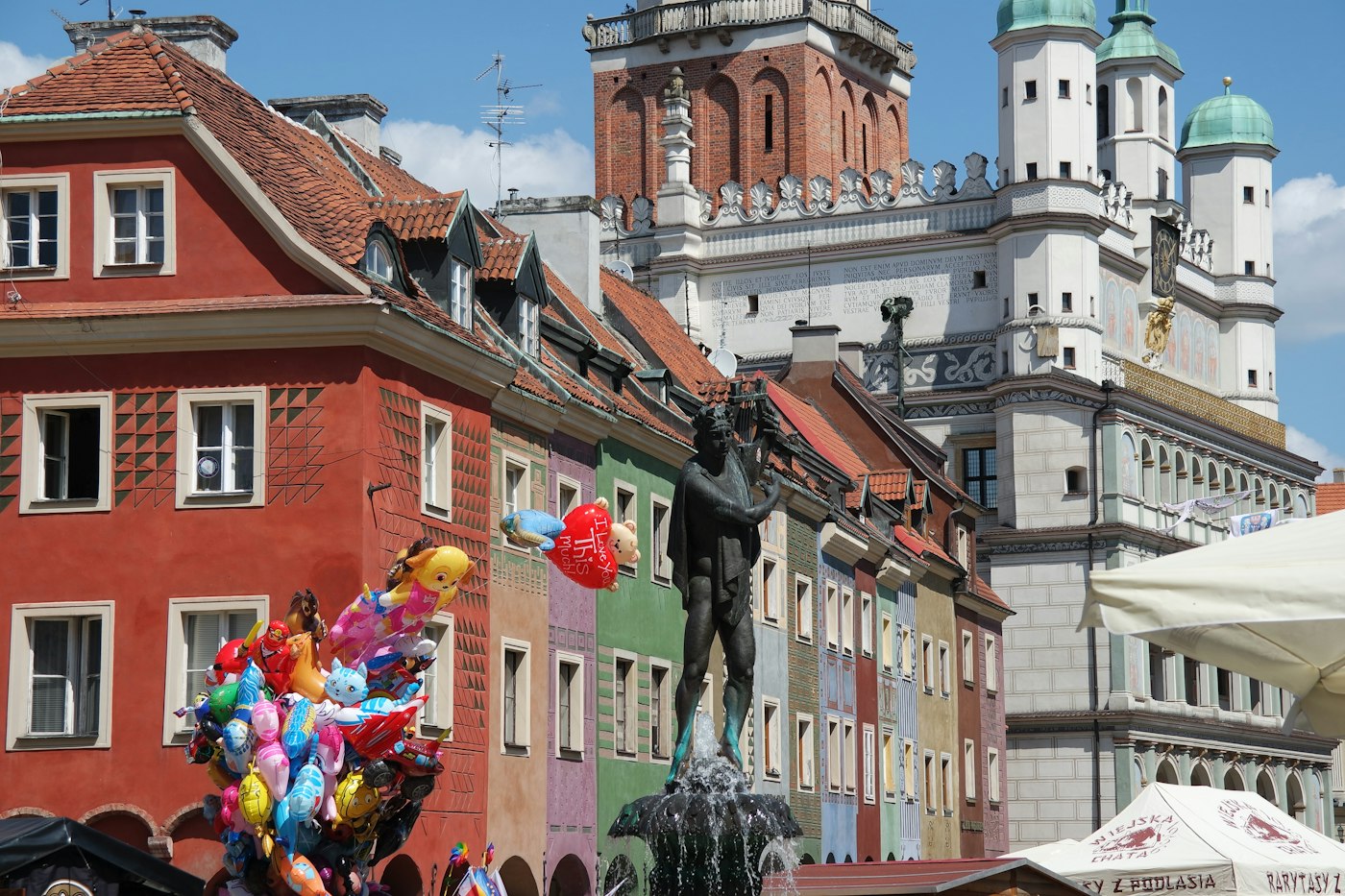
The city’s well-preserved Renaissance architecture and vibrant cultural scene attract teachers seeking medium-sized urban environments with strong professional prospects. Poznan’s central location makes it easy to travel throughout Poland and Europe.

English teachers in Poznan earn 2,600 to 4,000 PLN monthly, with business English specialists commanding higher rates. The city’s moderate living costs and high quality of life make it attractive for long-term teaching careers.

Lodz: Revitalised Industrial City

Lodz has undergone a remarkable transformation from an industrial centre to a creative industries hub, attracting film studios, design companies, and tech startups. This regeneration has created new English-teaching opportunities in the creative and digital sectors.

The city’s affordable living costs and developing infrastructure appeal to teachers seeking authentic Polish experiences away from tourist circuits. Lodz’s numerous universities and language schools provide steady employment, whilst its unique architecture and cultural festivals offer distinctive lifestyle benefits.

Salaries in Lodz range from 2,200 to 3,500 PLN monthly, with lower living costs enabling comfortable lifestyles. The city’s central location and improved transport connections enhance its accessibility.

Comparison Table: Polish TEFL Cities at a Glance

City Average Monthly Salary (PLN) Cost of Living Job Market Strength Specialisation Opportunities Expat Community Size
Warsaw 3,000–5,000 High Excellent Business English, Corporate Training Large
Krakow 2,500–4,500 Medium-High Very Good Academic English, Exam Preparation Medium-Large
Wroclaw 2,800–4,200 Medium Excellent Business English, BPO Sector Medium
Gdansk 2,500–4,000 Medium Good Maritime English, Tourism Medium
Poznan 2,600–4,000 Medium Good Business English, Trade Fair Preparation Medium
Lodz 2,200–3,500 Low-Medium Moderate Creative Industries, General English Small-Medium

Salary data based on 2025-2026 market analysis from multiple TEFL job boards and recruitment agencies.

Strategic Timing: When to Apply for TEFL Jobs in Poland

Primary Hiring Season (May–August)

Poland’s academic year commences in September, triggering intensive recruitment from May through August. Language schools and educational institutions finalise staffing during this period, making it the optimal time to apply. Teachers securing positions in early summer benefit from wider choice and streamlined visa processing.

The TEFL Institute recommends initiating applications in May, allowing three to four months for interview processes, contract negotiation, and visa arrangements. This timeline is particularly crucial for non-EU citizens seeking Type D visas, which require extensive documentation and employer sponsorship.

Secondary Recruitment Period (December–January)

Schools experiencing teacher turnover or expanding programmes recruit during the winter holiday period, creating opportunities for mid-year appointments. Whilst fewer positions become available than during the summer surge, competition decreases as many teachers remain committed to academic-year contracts.

This period suits teachers seeking immediate employment or those whose certification timelines align with winter completion. However, visa processing during holiday periods may experience delays, requiring proactive document preparation.

Year-Round Opportunities

Corporate training centres and private language schools hire year-round based on client demand. Business English specialists and teachers offering niche skills (exam preparation, young learners) find continuous opportunities, particularly in Warsaw and Wroclaw’s dynamic markets.

Teachers already residing in Poland gain significant advantages, as employers prefer candidates available for immediate interviews and classroom demonstrations. The TEFL Institute’s job placement assistance includes guidance on establishing Polish residency to maximise employment prospects.

Where to Find TEFL Jobs in Poland

  • Direct School Applications: Identifying language schools in target cities and submitting direct applications proves highly effective. Major Polish language school chains and locally established academies welcome applications. The TEFL Institute maintains partnerships with vetted Polish schools, providing graduates with direct application channels and priority consideration.
  • Online TEFL Job Boards: Specialised TEFL job platforms list numerous Polish positions and offer filters for city, salary, and contract type. These boards enable efficient application processes and provide market insights regarding prevailing salaries and requirements.
  • Recruitment Agencies: Reputable TEFL recruitment agencies specialising in Central Europe offer valuable services, including school vetting, contract negotiation, and visa support. The TEFL Institute collaborates with trusted recruitment partners to ensure graduates have access to legitimate, well-compensated positions.
  • Networking and Professional Associations: Joining TEFL professional groups, attending language-teaching conferences in Warsaw and Krakow, and connecting with existing expatriate teachers uncover hidden opportunities. Many positions are filled through referrals before public advertisement, making professional networking essential.
  • On-the-Ground Job Searching: Teachers able to relocate to Poland before securing employment gain substantial advantages. Physical presence enables direct school visits, immediate interview availability, and familiarity with the local market. The TEFL Institute’s comprehensive destination guides support teachers undertaking proactive job searches.

The TEFL Institute Specialist Courses for Poland

120-Hour Accredited TEFL Course

This foundational qualification meets Polish employer baseline requirements, providing comprehensive training in teaching methodology, language awareness, and classroom management. The course’s accredited status ensures recognition across Polish educational institutions and language schools.

The 120-hour TEFL course includes practical teaching assessments and portfolio development, demonstrating readiness for Polish classroom environments. This qualification provides cost-effective entry into Poland’s TEFL market.

180-Hour Level 5 Regulated TEFL Course

This government-regulated qualification exceeds Polish employer expectations, providing advanced training in teaching methodology, language awareness, and classroom management. The course’s Level 5 status aligns with the European Qualifications Framework, ensuring recognition across Poland and the EU.

Specialist modules covering business English and exam preparation directly address Poland’s market demands, particularly in Warsaw and Wroclaw’s corporate sectors. The qualification includes practical teaching assessments and portfolio development, demonstrating readiness for premium Polish positions.

300-Hour Level 5 Regulated TEFL Course

Offering CELTA-equivalent certification, this comprehensive Level 5 programme prepares teachers for Poland’s most prestigious positions. The extensive curriculum includes advanced grammar, phonology, and specialist teaching contexts relevant to Polish educational settings.

Graduates access premium roles in international schools, university preparatory programmes, and corporate training centres, commanding higher salaries and enhanced benefits. The qualification’s worldwide recognition facilitates career mobility beyond Poland.

Specialist Polish Market Modules

The TEFL Institute integrates Poland-specific content across all courses, including cultural awareness training, Polish language basics for teachers, and insights into the national education system. This specialised preparation ensures teachers understand classroom expectations, student motivations, and administrative procedures unique to Poland.

Courses include guidance on obtaining Polish work permits, navigating bureaucratic processes, and understanding tax obligations for foreign teachers. This practical support proves invaluable during relocation and initial employment phases.

Benefits of The TEFL Institute Certification for Poland

  • Accreditation and Employer Recognition: The TEFL Institute’s accreditation by recognised awarding bodies ensures Polish employers accept qualifications without hesitation. Government regulation of Level 5 courses adds credibility, particularly for prestigious positions that require enhanced credentials.
  • Job Placement Support: Graduates access dedicated job placement assistance including Polish school directories, recruitment agency partnerships, and application guidance. The TEFL Institute’s established reputation within Poland’s TEFL community opens doors to exclusive opportunities unavailable to uncertified applicants.
  • Flexible Study Options: Online course delivery enables teachers to complete certification whilst managing existing commitments, with flexible study periods accommodating varied schedules. This flexibility is ideal for university students completing degrees before entering Polish teaching careers or for professionals transitioning into TEFL.
  • Ongoing Professional Development: The TEFL Institute provides continuous support throughout teachers’ Polish careers, offering advanced training modules, teaching resources, and professional networking opportunities. This commitment ensures teachers remain competitive in Poland’s evolving TEFL market.
  • Financial Accessibility: Competitive pricing and payment plans make quality TEFL certification affordable, and regular promotions further reduce costs. The TEFL Institute’s Polish-focused courses deliver exceptional value, combining comprehensive training with specialised market insights.
  • Comprehensive Destination Support: Beyond certification, The TEFL Institute provides detailed guidance on Polish culture, visa procedures, accommodation, banking, and community resources, facilitating smooth relocation and successful integration.

Practical Success Strategies for Poland

Document Preparation

Compile essential documents before applying: a valid passport, a degree certificate, a TEFL qualification, a criminal background check, and health insurance documentation. Having these materials ready accelerates application processes and demonstrates professionalism to Polish employers.

Cultural Adaptation

Learning basic Polish phrases and understanding cultural norms enhances classroom effectiveness and daily life. Polish students appreciate teachers’ efforts to foster cultural understanding, and basic language skills facilitate administrative interactions and social integration.

Financial Planning

Whilst Polish living costs remain low by Western standards, initial relocation expenses require careful budgeting. Teachers should prepare funds covering three months’ living costs whilst establishing themselves and receiving their first salaries.

Professional Networking

Joining the TEFL teacher groups in Warsaw and Krakow, attending industry events, and connecting with alumni provides invaluable support. The TEFL Institute’s graduate network offers mentorship and practical advice for navigating Poland’s teaching landscape.

Continuous Skill Development

Poland’s competitive markets reward teachers pursuing additional qualifications in business English, young learner specialisation, or exam preparation. The TEFL Institute’s advanced modules enable skill enhancement whilst teaching, maintaining career momentum.

Ready to Teach English in Poland?

Start your TEFL journey with recognised qualifications and dedicated support. Visit The TEFL Institute to explore specialist Polish-focused courses and begin your teaching career in one of Europe’s most dynamic destinations.

Finally:

Poland offers exceptional opportunities for TEFL-certified teachers seeking European experience, professional growth, and cultural enrichment. Success requires appropriate certification, strategic timing, and targeted job searching in cities aligning with personal and professional goals.

The TEFL Institute’s specialised Polish-focused courses provide optimal preparation, combining recognised qualifications with market-specific insights and job placement support. Whether targeting Warsaw’s corporate sector, Krakow’s academic environment, or Wroclaw’s emerging markets, proper certification and preparation ensure rewarding teaching experiences in one of Europe’s most dynamic TEFL destinations.

Teachers who invest in quality TEFL certification, strategic timing of application, and comprehensive preparation position themselves for successful, fulfilling careers teaching English in Poland. The combination of personal reward, professional development, and financial security makes Poland an exceptional choice for TEFL professionals launching international teaching careers.

© 2026 The TEFL Institute.  All content is protected under copyright law.

Published: 12 January 2026 | Author: Dr Peter Roberts


The minimum TEFL certification required is 120 hours, awarded by an accredited provider. This baseline qualification must include practical teaching methodology, grammar instruction, and classroom management techniques.

The TEFL Institute’s 120-hour accredited course meets and exceeds these requirements, ensuring Polish employers recognise your credentials immediately. However, to gain a competitive advantage in major cities like Warsaw, Krakow, and Wroclaw, consider upgrading to a 180- or 300-hour Level 5 regulated qualification, which opens doors to premium positions and higher salaries.

Level 5 regulated qualifications provide CELTA-equivalent certification, particularly valued by international schools and university programmes. If you’re primarily targeting private language schools or corporate training, the 120-hour course provides sufficient entry credentials.

Most Polish employers prefer or require a bachelor’s degree, though requirements vary significantly by institution type. Here’s the breakdown:

Private Language Schools: Often accept final-year university students or those without degrees if you have strong experience and proven teaching ability.

International Schools: Typically require completed bachelor’s degrees as part of standard employment conditions.

Universities: Require bachelor’s degrees, often preferring graduate qualifications for higher-level teaching positions.

Corporate Training Centres: Flexible requirements, prioritising business experience and English fluency over formal degree requirements.

If you lack a degree, consider targeting corporate training roles or securing a teaching position first, then pursuing a degree through distance learning while employed. Many successful teachers in Poland have built their careers without degrees by demonstrating exceptional teaching ability and securing initial employment in flexible institutions.

The optimal application window is May through August, coinciding with Poland’s intensive recruitment season before the September academic year commences. This timing offers several advantages:

Maximum job availability across all cities and institution types
Wider selection of positions and competitive salaries
Three to four months for interviews, negotiations, and visa processing
Streamlined visa procedures before holiday periods

The TEFL Institute recommends submitting applications in May, allowing adequate time for interviews, contract negotiation, and comprehensive visa arrangements. This timeline is particularly crucial for non-EU citizens seeking Type D visas, which require extensive documentation and employer sponsorship.

A secondary opportunity exists in December-January when schools experience teacher turnover or expand programmes. Whilst fewer positions become available than during the summer surge, competition decreases significantly as many teachers remain committed to academic-year contracts. However, visa processing during holiday periods may experience delays, requiring proactive document preparation.

Corporate training centres and private language schools hire year-round for business English specialists and teachers offering niche skills (exam preparation, young learners), particularly in Warsaw and Wroclaw’s dynamic markets.

English teacher salaries in Poland vary significantly by city, experience level, and institution type. Average monthly salaries range from 2,200 to 5,000 PLN:

Warsaw: 3,000–5,000 PLN (highest demand, highest salaries, premium corporate rates)
Krakow: 2,500–4,500 PLN (strong market, cultural appeal, academic opportunities)
Wroclaw: 2,800–4,200 PLN (excellent corporate sector, BPO companies)
Gdansk: 2,500–4,000 PLN (maritime specialisation premium, coastal lifestyle)
Poznan: 2,600–4,000 PLN (business English opportunities, trade fairs)
Lodz: 2,200–3,500 PLN (lower living costs offset lower salaries)

Corporate trainers, business English specialists, and teachers with Level 5 regulated qualifications command the highest rates. Polish living costs remain low, particularly outside Warsaw, allowing teachers to save significantly whilst enjoying comfortable lifestyles.

Experienced teachers with five or more years of teaching experience earn premium rates, particularly in Warsaw and Wroclaw’s corporate sectors. Specialisations in exam preparation (Cambridge, IELTS) and business English attract higher compensation across all cities.

Poland’s best TEFL destinations vary based on your specialisation and lifestyle preferences:

Warsaw: Dominant job market, highest salaries (3,000–5,000 PLN), extensive corporate opportunities, large expat community, modern infrastructure, multiple institution types.

Krakow: Academic English opportunities, exam preparation demand, cultural appeal, UNESCO heritage site, prestigious universities, strong language school network, vibrant student community.

Wroclaw: Booming tech and BPO sectors (Google, Amazon, Nokia), excellent business English demand, affordable living costs, picturesque market square, islands and bridges, growing expatriate community.

Gdansk: Maritime specialisation (shipping, international trade), coastal lifestyle, tourism industry opportunities, Tricity metropolitan area expansion (Gdansk, Sopot, Gdynia), beach access.

Poznan: Commercial hub with international trade fairs, business conference opportunities, multinational corporate presence, university partnerships, Renaissance architecture, and a central European location.

Lodz: Creative industries hub (film studios, design companies), authentic Polish experience away from tourist circuits, most affordable living costs, university employment, cultural festivals, tech startups.

First-time teachers typically succeed best in Warsaw or Krakow due to higher demand and established support networks. Experienced professionals seeking specific specialisations (business English, exam preparation) should target Wroclaw or Warsaw.

Non-EU citizens require a Type D long-term employment visa to teach in Poland. This is the standard work visa for foreign professionals requiring substantial documentation and employer sponsorship throughout the process.

Key requirements include:

Valid passport with at least 18 months remaining validity
Employment contract from a Polish employer (essential document)
TEFL certification (120-hour minimum)
University degree (often required by employers)
Criminal background check legalised and translated into Polish
Health insurance documentation
Proof of financial solvency (bank statements)
Completed visa application forms
Employer’s sponsorship letter

Processing times typically range from 6 to 12 weeks, depending on your nationality, the completeness of your documentation, and the consulate’s workload. Start applications in May to complete procedures before the September academic year commencement.

The TEFL Institute provides detailed guidance on document legalisation and visa procedures as part of their comprehensive job placement support. This includes advice on obtaining certified translations, understanding Polish consulate requirements for your specific nationality, and managing application timelines effectively.

EU citizens enjoy simplified residency procedures through EU freedom of movement, requiring only registration with local authorities and proof of employment.

Multiple effective channels exist for finding TEFL positions in Poland:

Direct School Applications: Identify and contact language schools directly through their websites and social media. The TEFL Institute maintains partnerships with vetted Polish schools offering priority consideration to graduates. This direct approach often yields positive responses and demonstrates proactive initiative to employers.

Specialised Job Boards: TEFL-specific platforms list Polish positions with filters for city, salary range, contract type, and institution category. These boards provide market insights regarding prevailing salaries and requirements across different Polish cities.

Recruitment Agencies: Reputable Central European TEFL recruitment agencies specialise in Poland placement, offering school vetting, contract negotiation assistance, and comprehensive visa support. Agencies screen positions carefully, protecting teachers from potentially problematic employers.

Professional Networks: Join TEFL teacher groups, attend Warsaw and Krakow language teaching conferences, connect with alumni, and participate in online TEFL communities. Many positions are filled through referrals before public advertisement, making professional networking essential for discovering premium opportunities.

On-the-Ground Searching: Physical presence in Poland enables direct school visits, immediate interview availability, and local market familiarity. Teachers able to relocate before securing employment gain substantial advantages through spontaneous networking and direct visibility.

The most effective approach combines multiple channels: begin online applications in May, attend industry events, and network with existing Polish-based teachers to maximise access to opportunities.

The choice depends on your career goals and target market segment:

120-Hour Course (Sufficient for):

  • Entry-level positions in private language schools

  • General English teaching across all proficiency levels

  • Cost-effective career entry (lower fees, faster completion)

  • Teaching in secondary cities (Gdansk, Poznan, Lodz)

  • Initial career exploration and testing

  • Quick market entry

180-Hour or 300-Hour Level 5 Regulated (Advantages):

  • Access to premium positions in international schools and universities

  • Higher salaries (typically 500–1,500 PLN monthly premium)

  • Competitive advantage in Warsaw, Krakow, Wroclaw markets

  • Specialisation opportunities: business English, exam preparation, young learners

  • CELTA-equivalent recognition worldwide

  • Enhanced career mobility and advancement

  • Preferred by top-tier employers

The TEFL Institute recommends a Level 5 qualification for career-focused professionals seeking long-term advancement and premium positions. 120-hour courses suit those testing the field for the first time or targeting secondary-city opportunities.

Many successful graduates complete 120 hours, teach for one or two years, then upgrade to Level 5 for salary advancement and access to better positions. This sequential approach allows income generation whilst building teaching experience and industry knowledge.

Yes, many teachers secure positions remotely, though having an established presence in Poland significantly improves employment prospects and accelerates decision timelines.

Securing Jobs Remotely:

  • Attend online interviews with Polish employers starting in May

  • Provide video teaching demonstrations during the application process

  • Secure preliminary employment agreements before relocating

  • Arrange employer sponsorship for Type D visa applications

  • Negotiate contract terms and salary arrangements virtually

On-the-Ground Advantages:

  • Direct school visits and immediate face-to-face interviews

  • Classroom teaching demonstrations with real students

  • Local market knowledge and networking opportunities

  • Faster decision timelines (same-day offers possible)

  • Ability to evaluate school facilities and teaching environment

  • Immediate cultural and social orientation

Optimal Strategy: Secure provisional employment remotely for September commencement, then relocate in August for finalisation and housing arrangements. This approach balances planning security with employment flexibility and reduces relocation risk.

Teachers physically present in Poland report securing positions within one to two weeks through spontaneous direct applications and networking, compared to four to eight weeks for remote applicants.

The TEFL Institute offers comprehensive support beyond certification, including:

Job Placement Assistance: Dedicated graduate job board, Polish school directories, recruitment agency partnerships, and personalised application guidance. Graduates receive priority consideration from partner schools and access to exclusive opportunities unavailable to uncertified applicants.

Visa and Documentation Support: Detailed guidance on obtaining Type D visas, document legalisation procedures, Polish work permit acquisition, and tax obligation understanding. This reduces bureaucratic complexity and accelerates the commencement of employment.

Insights into the national education system and understanding of classroom expectations unique to Polish institutions. This preparation ensures effective classroom management and student engagement.

Relocation Resources: Accommodation guidance including recommended websites and neighbourhoods, banking and financial services information, healthcare navigation, and community resources. Comprehensive destination guides support smooth physical and social integration.

Ongoing Professional Development: Advanced training modules in business English, young learners instruction, exam preparation, and specialised teaching contexts. This enables skill enhancement whilst teaching, maintaining career momentum and earning potential.

Alumni Network: Access to experienced Poland-based teachers providing mentorship, practical advice, and emotional support during transition. Alumni connections facilitate social integration and professional networking within Poland’s TEFL community.

These comprehensive support structures ensure successful integration into Poland’s TEFL community and facilitate rewarding, sustainable teaching careers. Graduates consistently report that Institute support proves invaluable during relocation and initial employment phases.


    0
      0
      Your Cart
      Your cart is emptyBrowse Courses