
 United Kingdom (UK)
 United States (US)
 Canada
 South Africa
 India
India Australia
 New Zealand
 China
China Russia
 Germany
 France
 Spain
Spain Netherlands
 Vietnam
 United Arab Emirates
 Italy
Italy Poland
 Thailand
 Türkiye










 Algeria


Job Hunter’s Pack
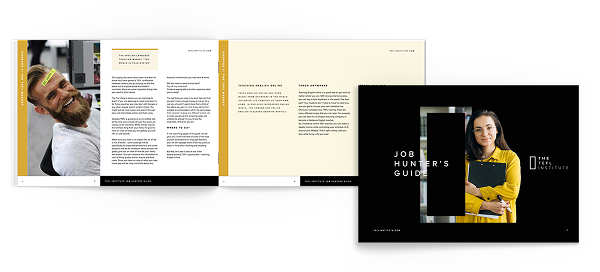
Job Hunter’sGuide
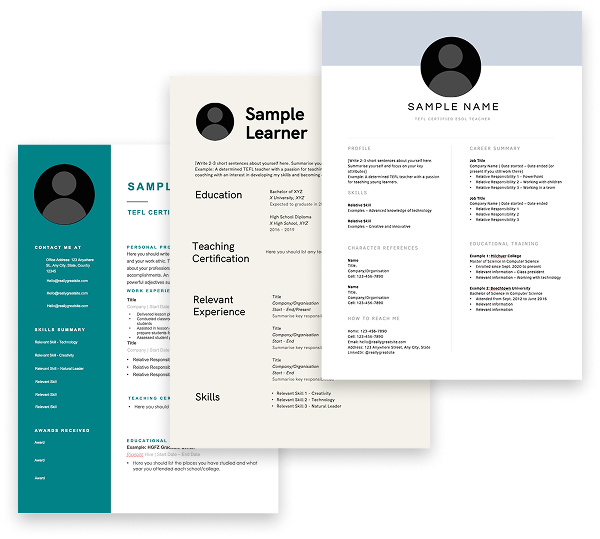
CV/Resume &Cover Letter Templates
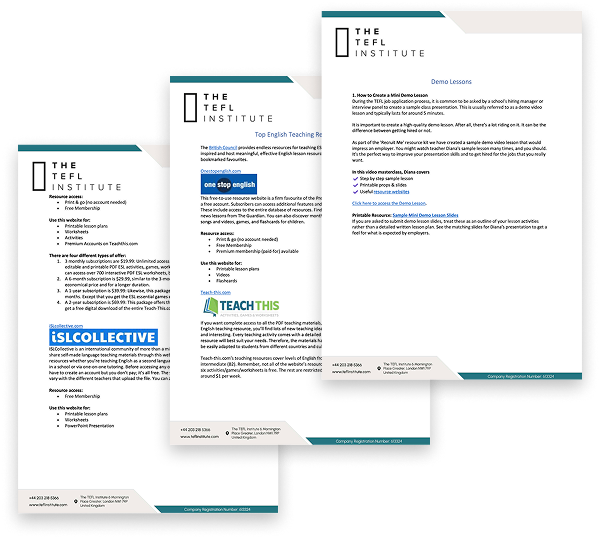
Demo Lessons &Useful Resources
Comparative employment guide for TEFL teachers
Download your copy












Question? get in touch

faqs
TEFL, or Teaching English as a Foreign Language, refers to teaching English to non-native speakers in countries where English is not the primary language. It is a popular career choice for those who want to travel while earning an income or work remotely as an online English teacher. While some countries require a degree to teach English, many places and online platforms accept a TEFL certification alone, making it accessible to a wide range of people. A standard TEFL course typically consists of 120+ hours of training, which can be completed in 4 to 12 weeks, depending on whether it is an online, in-person, or hybrid course.
You do not need a degree to teach English online. We don’t require a degree in any subject or even English to complete the courses that we offer. Once you have become qualified as a TEFL teacher, you’ve got two main routes you can explore. You can either be a remote teacher working in a school somewhere in South Africa, or you can be a freelance teacher who needs to find clients. If you do online work, you may find that remote positions still need a degree – check out Latin Hire and Cambly for options which don’t need one.
As is the case with any job, the amount of money that you can make will vary depending on your experiences and ability as a teacher. If you’re a new teacher, you’ll be making the equivalent of around $10 – $12 per hour. As your reputation improves and you grow in experience, you may find that you can get a pay bonus and move up the ranks within the place you’re working at. Freelancing affords you more freedom to pick your own hours and decide how you want to work – which is good if you have a steady stream of people happy to pay the rates – and some freelancers earn up to $35 an hour.
All of the TEFL courses we offer are going to give you the tools and experience necessary to teach English online or abroad in South Africa. However, we recommend that you look at the 180-hour course in most cases as it is feasible for someone with few qualifications, but it will give you access to as many opportunities as possible.
Yes, our qualifications are approved by regulatory bodies in the UK. They are also recognised globally as authentic qualifications for employers. In the UK, we work with Ofqaul and their partner Highfield, and in the US, the DEAC offers an AQC status for our courses.
We have a range of TEFL courses which are all approved under the DEAC AQC Curriculum Approval Scheme. These include our 180-hour, 4 x 60-hour and 300-hour courses.
These are all courses which have met DEAC approval, which means that they are entitled to AQC status. They’ve been judged on numerous occasions to retain their status, and are held to the same standards which are used by the US Department of Education. That is your indicator that the course is going to help give you a proper education because not only are we currently enjoying our AQC status, but we will be subject to ongoing retesting to maintain the quality needed.
When you look for a TEFL course, you need to make sure that the course you do take has an Ofqual-regulated TEFL certification, much like our Level 5 course. This is a guarantee that the course you are trying to take has been carefully approved and considered which helps you to make the right decisions involving your training. You also need to ensure you have at least 120 hours of training to help secure a certification recognised globally.
There are no entry requirements for people who want to take a TEFL course from South Africa. If you are over the age of 18 and have a C1 level of proficiency in English, you can complete the courses we offer.
You don’t need a specific TEFL diploma to teach English abroad in South Africa. What you’ll find in most cases is that the 120 hours of TEFL training will serve as a good benchmark for employers. It is worth noting that a more advanced qualification like a diploma will help you to apply for more jobs and get better employment options, but you can get started with less.
Anybody who wants to take a TEFL course and become a teacher needs to be naturally confident and preferably outgoing. You will be working extensively with kids who need a good education. You’ll learn how to teach with confidence during the qualification, but obviously, we can’t teach you character traits.
Our TEFL teachers need to be at least 16 to be able to work in their home country, and you will need to be at least C1 proficient in English. You’re welcome to take our free English test to assess your level of fluency.
You can take a lot of different qualifications and courses with us. If you want to pick the right one for your needs, you’ll need to know what the available options are. If you meet the specific criteria that we’re about to list, then we think you’d be best suited to the 120-hour course instead of the Level 5 qualification:
- You are at least trained to a degree level in a subject.
- You have a passport from an English-speaking country like Canada, South Africa, New Zealand, the US or UK, Ireland and Australia.
- You want to work in a country where there is a higher demand for good TEFL teachers.
On the other hand, if you meet these criteria instead, we’d recommend you go in for the Level 5 course:
- You don’t have a degree or any previous teaching experience.
- You’re not a native English speaker, and you have not got a passport from one of the countries we mentioned.
- You want to build a career in a country where the industry is pretty competitive, but you don’t feel confident about your teaching skills.
Your TEFL qualifications will last for a lifetime
You don’t need to speak another language to teach English abroad in South Africa or other countries. It might be required for a handful of jobs, but most positions won’t ask for it.
If you want to kick off a brand-new career teaching English abroad, or you just like travelling, then getting a TEFL certificate gives you the freedom to do this. You can study from anywhere and explore the world at your leisure. This gives you plenty of time to pick and choose what you want from life.
Yes, you can teach English abroad even if you’re not a native English speaker. You’ll need to take a quick look at the visa requirements for your destination, though. Most places give a visa to an English speaking country resident, but the rules are different for non-native speakers.