United Kingdom (UK)
 United States (US)
 Canada
 South Africa
 India
 Australia
 New Zealand
 China
 Russia
 Germany
 France
 Spain
 Netherlands
 Vietnam
 United Arab Emirates
 Italy
 Poland
 Thailand
 Türkiye









 Algeria


Teach English in Malta
TEFL jobs in Malta
You can teach English in Malta at its many private English language schools, which teach adults and young learners from across Europe and beyond, with the busiest season in summer. Every English teacher in Malta needs an ELT Permit from the ELT Council. EU citizens can work freely, while non EU teachers need a Single Permit through their employer. Language schools usually pay by the hour, and a full-time contract must pay at least Malta’s 2026 minimum wage of about €994 a month.
Teaching English in Malta at a glance
| Main employers | Licensed English language schools, summer schools and junior camps, private students |
| Typical pay | Language schools commonly pay by the lesson or hour; full-time contracts must meet the minimum wage |
| Minimum wage | About €994 a month for full-time work in 2026 |
| Peak season | June to September, with year round work for adults at larger schools |
| Permit to teach | ELT Permit from the ELT Council, required for every English teacher |
| Qualifications | English at A level or the TELT test plus an approved TEFL certificate, or an approved Level 5 ELT certificate |
| Right to work | EU and EEA citizens work freely; others need a Single Permit |
| Main areas | St Julian’s, Sliema, Valletta and Gozo |
What kinds of English teaching jobs are there in Malta?
Adult language schools. Malta is one of Europe’s leading English learning destinations, and its licensed schools teach general, business and exam English to adults who come for one to several weeks.
Summer and junior schools. The peak of the year. From June to September, schools take on extra teachers for young learners, often combining lessons with activities and excursions.
Private students. One to one lessons for visitors and locals, usually alongside a school timetable.
How much do English teachers earn in Malta?
Language schools commonly pay by the lesson or hour, with more hours and the best rates in summer. A full-time employment contract must pay at least Malta’s minimum wage, about €994 a month in 2026, which is set as a weekly rate. Rent in St Julian’s and Sliema has risen sharply, so many teachers share a flat or live in cheaper towns and commute by bus. Compare pay across countries on the TEFL Salary Index.
What qualifications do you need to teach English in Malta?
Every English teacher in Malta needs an ELT Permit, issued by the ELT Council under Legal Notice 221 of 2015. There are two main routes. The first is an MQF Level 4 qualification in English, such as an A level at grade C or above, or a pass in the Council’s Test for English Language Teaching (TELT), together with a TEFL certificate from an ELT Council approved centre. The second is an international certificate at MQF Level 5 or higher in English language teaching from an approved institution. A full permit also needs a pass in the spoken English test known as SEPTT and a clean police record, while temporary permits are being issued without SEPTT because of a teacher shortage. Check that any course you choose is on the ELT Council’s approved list before you book. A degree is not legally required but helps.
Please note: The TEFL Institute’s courses, including our Ofqual-regulated Level 5 TEFL course, are not currently on the ELT Council’s approved list, so on their own they will not qualify you for a Maltese ELT Permit. If Malta is your goal, choose a course from the Council’s approved list. Our qualifications are recognised for teaching in many other countries, including Spain, Italy and Greece.
Which visa do you need to teach in Malta?
EU, EEA and Swiss citizens, including Irish passport holders, can live and work in Malta freely. UK citizens lost that right after Brexit, so UK, US, Canadian and South African teachers need a Single Permit, a combined residence and work permit applied for with the employer through Identità, Malta’s identity and residence agency. You will still need the ELT Permit on top. Check current rules with Identità and our Visa Desk before you travel.
Where are the English teaching jobs in Malta?
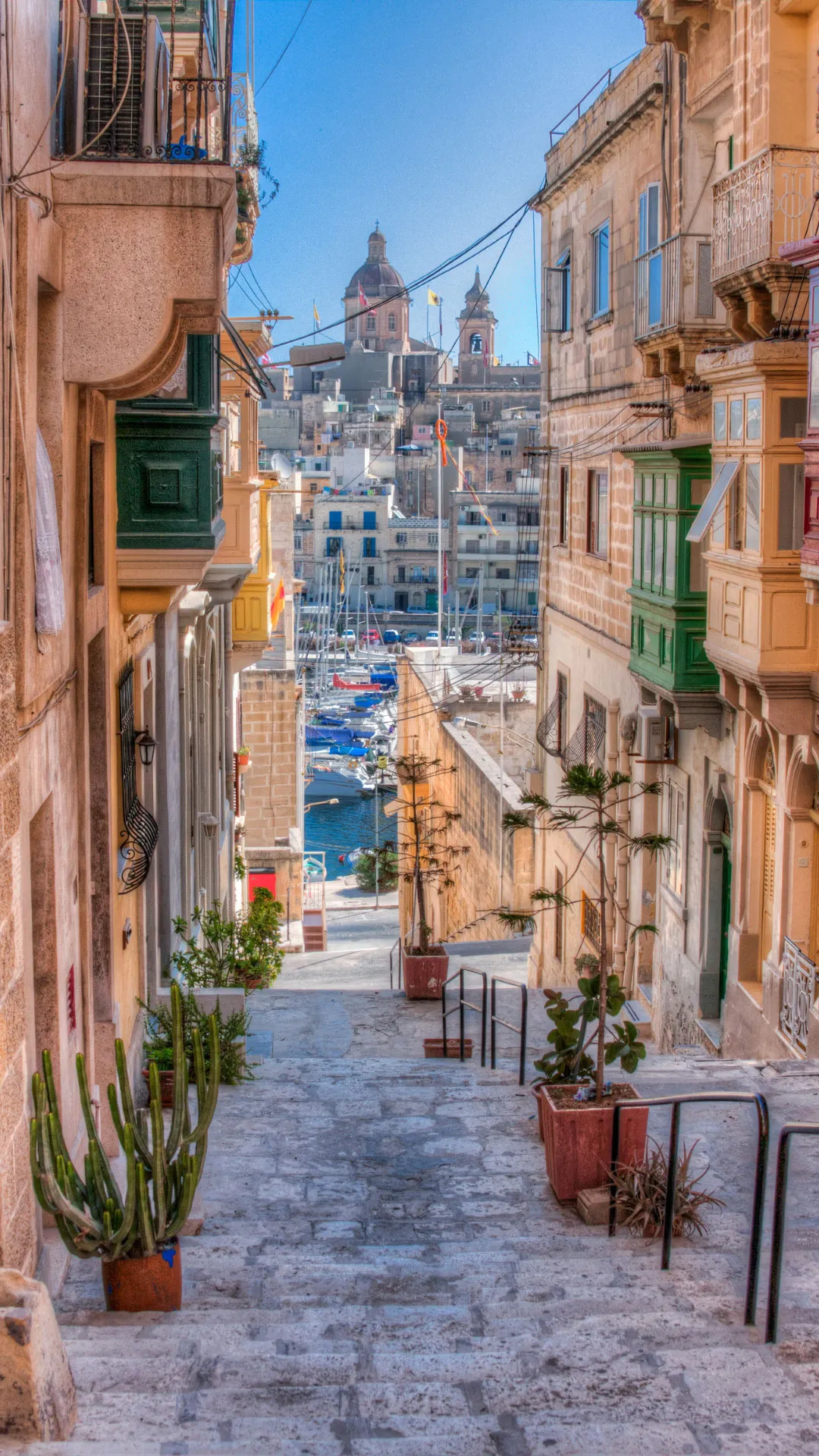
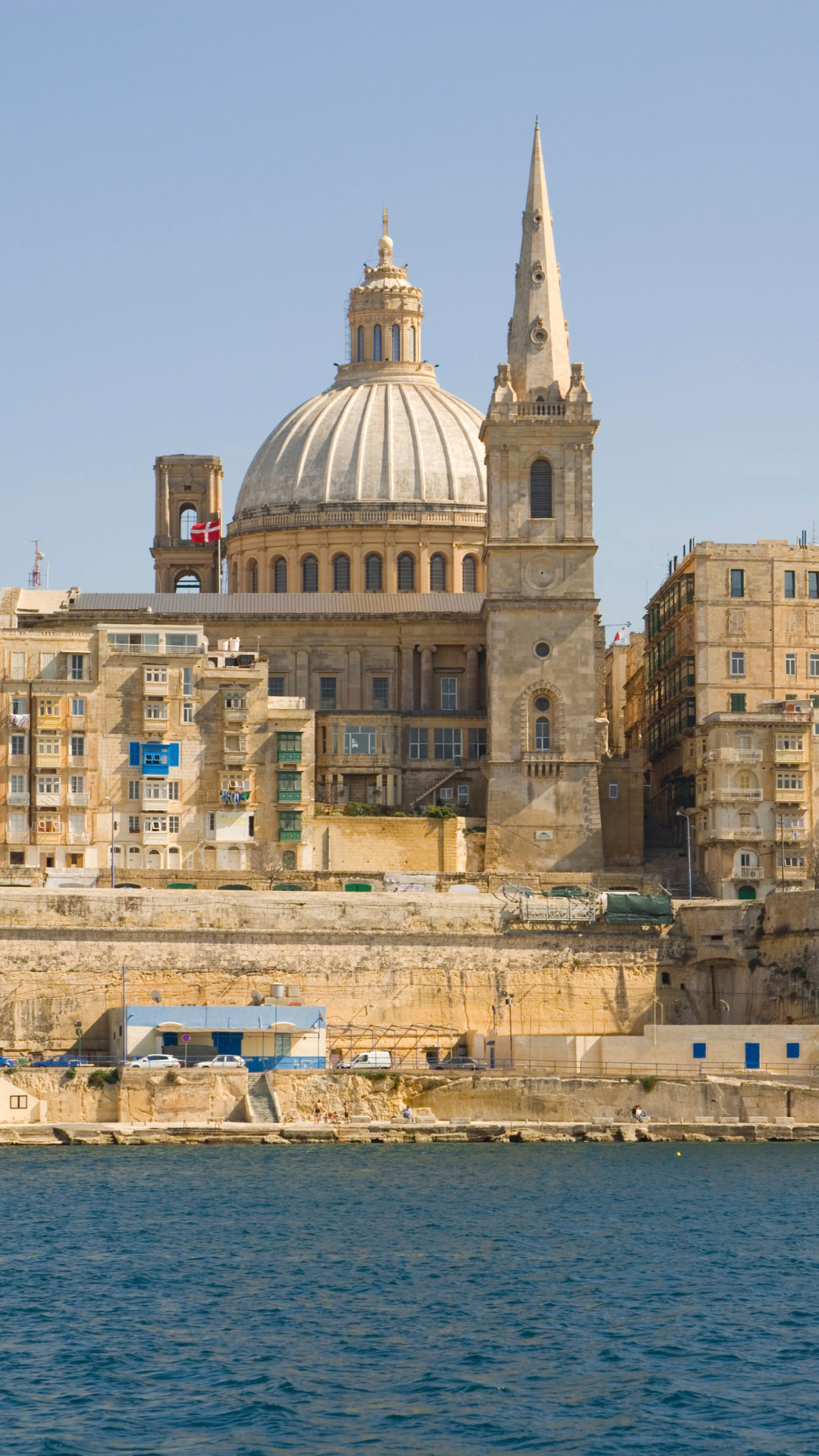
St Julian’s and Sliema have the largest concentration of language schools, along with the busiest nightlife and the highest rents. Valletta, the capital, and nearby towns have several schools and lower costs. Gozo, Malta’s quieter sister island, has a small number of schools.
What is it like teaching in Malta?
English is an official language of Malta alongside Maltese, so daily life is easy for English speakers. Classes are often multinational and short term, so you meet new students every week, and summer timetables are busy. The climate is warm, the sea is never far away, and the islands are small enough to cross by bus. Winters are quieter, with fewer students and fewer hours.
Teaching in Malta: read next
- Comparing the Mediterranean? See our guides to Greece, Italy and Spain.
- Choosing a course? Read our guide to the best TEFL certifications for Europe.
- Compare pay in our TEFL Salary Index and check entry rules on the Visa Desk.
Last updated: 2 October 2026. ELT Permit and Single Permit rules change, so confirm current requirements with the ELT Council and Identità before you apply.
Living costs
Malta is cheaper than the UK or Ireland, but rent has risen sharply and is now the biggest cost for teachers. Sliema and St Julian’s, where most language schools are, have the highest rents, so many teachers share a flat or live in Gzira, Msida or further inland and take the bus.
Buses are free for residents with a personalised Tallinja card, and local food and markets are good value. Summer is peak season for schools and for tourists, so short lets cost most from June to September.
All figures below are in euros and are typical 2026 rental listings and Numbeo averages, checked on 2 October 2026. Prices change quickly, so check current listings before you budget.
- One-bedroom flat, Sliema or St Julian's: €1,100 to €1,500 a month
- One-bedroom flat, Gzira or Msida: €800 to €1,100 a month
- Room in a shared flat: €400 to €700 a month
- Utilities: About €85 to €120 a month
- Internet and mobile: About €34 a month
- Bus travel: Free with a resident Tallinja card
- Restaurant meal: €15 to €30
- Takeaway: €6 to €20
TEFL jobs in Malta: KEY POINTS

SALARY
Paid by the lesson or hour; minimum wage about €994 a month

EDUCATION
Degree preferred, not legally required

MAIN JOB TYPES
Licensed language schools, summer and junior schools, private students

PERMIT NEEDED
ELT Permit from the ELT Council
KEY FACTS
- Popular locations for TEFL jobs: Valletta, Sliema and St Julian’s
- The average salary for EFL teachers: Language schools commonly pay by the lesson or hour, with the most hours in summer. A full-time employment contract must pay at least Malta's minimum wage of about €994 a month in 2026.
- TEFL qualification requirements: An ELT Permit is required. Qualify with English at A level or the TELT test plus an ELT Council approved TEFL certificate, or with an approved international ELT certificate at MQF Level 5 or higher.
- Prerequisite university degree: Not legally required for the ELT Permit, but preferred by many schools
- Term times: The school year starts in Mid September
- Currency: Euro (€)
- Language: Maltese and English
- Teaching programmes: Language Schools, Summer Camps, Private, Higher Education Facilities, Private Lessons
- Age restrictions: At least 18 for an ELT Permit, with extra requirements for applicants under 21
- Previous teaching experience: Not required for most language school posts. International and private schools usually want a teaching qualification and experience.
- Religion: Roman Catholic
- Population: About 560,000
- Climate: Mediterranean
If you are going to teach English in Malta, you will find the locals are warm and welcoming, so fitting in won’t be a problem. They are hospitable and enjoy sharing their local cuisine delights. You will also find the cost of eating out in cafes and restaurants very reasonable. It is always advisable to live like a local, so get your shopping in small off-beat stores and stay away from imported goods as these will be more expensive. The local markets are popular and sell everything you could need from local producers.
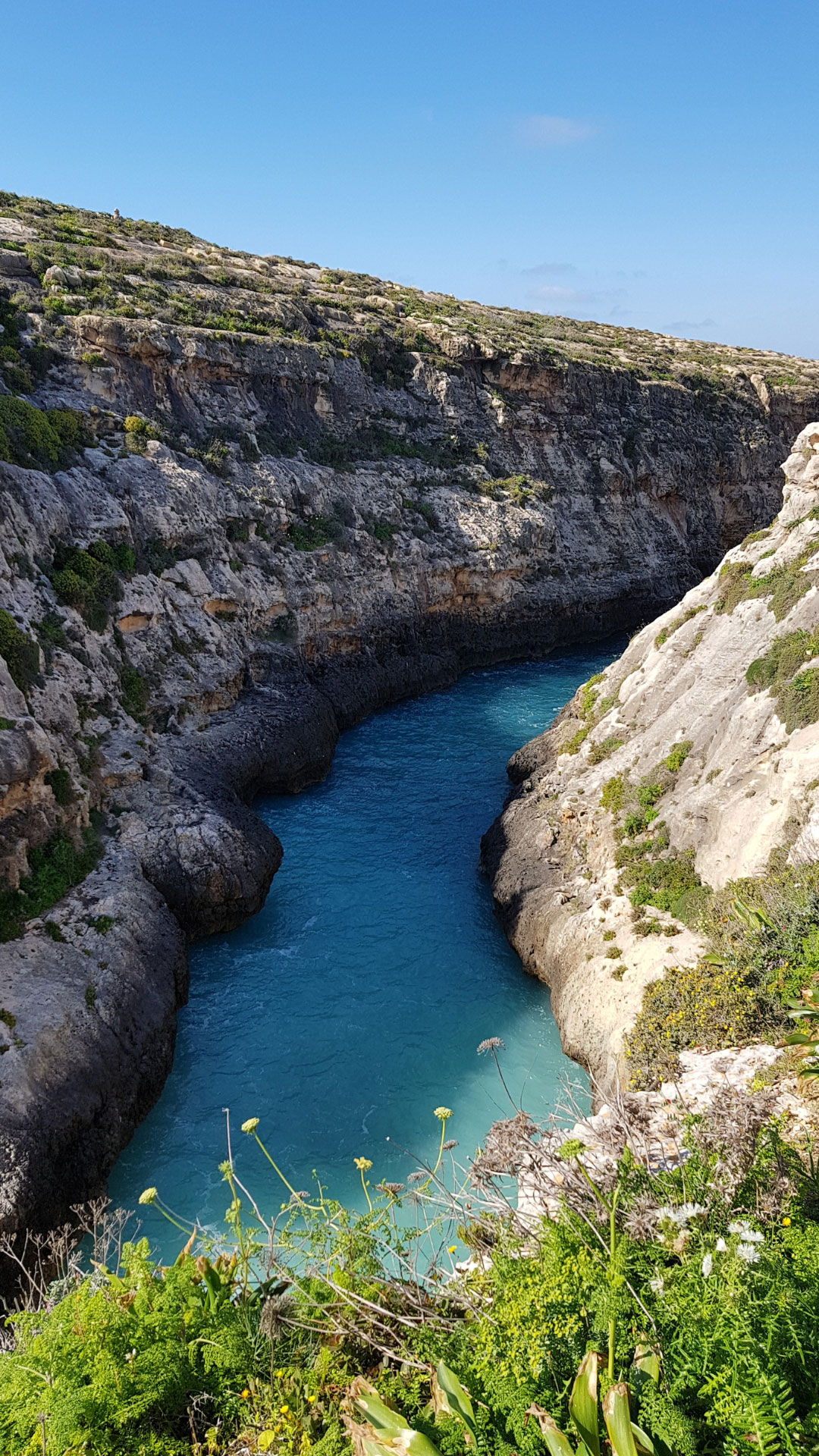
Be sure to take time to explore the local area when you are not teaching English in Malta. There are many different activities, including a range of supervised water sports such as snorkelling and diving. If you like chilling on the beach, you will find some delightful sandy spots where you can while away the day. The island of Comino is famed for the Blue Lagoon, so make time to visit and also explore the historical remains of medieval towns, temples and Roman catacombs. There are over 7,000 years of history, so while you are working as an English teacher in Malta, be sure to spend some downtime as a tourist.
Malta is also home to a rare bee that does not live anywhere else; therefore, it is a honey producer. The country was also named after honey, as Malta is the Greek word for honey. Be sure to try it while you are there as it is delicious.
Facts about Malta

LANGUAGE
Maltese and English

POPULATION
About 560,000

TEFL JOB DEMAND
Mid
CURRENCY
Euros

CAPITAL
Valletta

OUR MALTA TEFL RATING
3.8/5
TEFL jobs in Malta: FAQS
How much can I earn as an English teacher in Malta?
Language schools in Malta commonly pay by the lesson or hour, and summer brings the most hours. A full-time employment contract must pay at least Malta’s minimum wage, about €994 a month in 2026. Rent in Sliema and St Julian’s is high, so most teachers share a flat.
Is Malta expensive to live in?
Less cheap than it used to be. A one-bedroom flat in Sliema or St Julian’s now costs about €1,100 to €1,500 a month, and a room in a shared flat €400 to €700. Buses are free for residents and local food is good value, so sharing and living in Gzira or Msida keep costs manageable.
Can I teach English in Malta without a degree?
Yes. A degree is not part of the ELT Permit requirements. You need English at A level or a pass in the TELT test plus an ELT Council approved TEFL certificate, or an approved international ELT certificate at MQF Level 5 or higher. Some schools still prefer graduates. See our guide to teaching English in Europe without a degree.
What is the best TEFL certificate for teaching in Malta?
In Malta the best TEFL certificate is one the ELT Council accepts, because every English teacher needs an ELT Permit. That means either a TEFL certificate from an ELT Council approved centre, combined with English at A level or the TELT test, or an approved international ELT certificate at MQF Level 5 or higher, such as a CELTA or a regulated Level 5 TEFL diploma. Check the Council’s approved list before you book any course. Our guide to the best TEFL certifications for Europe compares the wider options.
What is an ELT Permit and how do I get one?
The ELT Permit is the licence every English language teacher in Malta needs, issued by the ELT Council under Legal Notice 221 of 2015. You apply online with copies of your certificates and a fee. A full permit needs your qualifications, a pass in the SEPTT spoken English test and a clean police record. Because of a teacher shortage, temporary permits are also issued without SEPTT. Your school can usually help with the application.
Can UK citizens teach English in Malta after Brexit?
Yes, but you now need a Single Permit, a combined residence and work permit applied for with your employer through Identità, as well as the ELT Permit. Irish and other EU citizens can work freely and only need the ELT Permit. Check current rules on our Visa Desk, or compare nearby options in our guide to teaching English in Greece.
TEFL courses
Become a confident, qualified English teacher with flexible online, classroom or mixed learning.

TEFL internship
With accommodation, training and full in-country support sorted – it’s the hassle-free way to kick-start your TEFL career.

TEFL jobs
Check out new TEFL job listings on our sister company’s well-stocked jobs board.