
 United Kingdom (UK)
 United States (US)
 Canada
 South Africa
 India
India Australia
 New Zealand
 China
China Russia
 Germany
 France
 Spain
Spain Netherlands
 Vietnam
 United Arab Emirates
 Italy
Italy Poland
 Thailand
 Türkiye








 Algeria


Thinking about teaching English overseas or online and wondering which TEFL course is right for you as an Australian or New Zealander? You are not alone. Every year, thousands of Aussies and Kiwis get TEFL‑certified so they can travel, work abroad, or teach English from home.
In this guide, you will learn what TEFL is, how TEFL courses in Australia, New Zealand and online work, what you need to get started, where Australians and New Zealanders are teaching now, and the exact steps to go from your first course search to landing a job in your dream destination.
What Is TEFL and Why Does It Matter for Australians and New Zealanders
TEFL stands for Teaching English as a Foreign Language. It is the training that prepares you to teach English to non‑native speakers in language schools, public schools, private academies, and online.
For Australians and New Zealanders, a TEFL certificate is usually the key requirement to teach English abroad or to get hired by reputable online teaching companies. Degrees, passports, and experience all help, but TEFL is often the minimum qualification employers ask for.
TEFL vs TESOL vs CELTA in Australia and New Zealand
- TEFL: Most widely used for teaching English abroad and online.
- TESOL: Teaching English to Speakers of Other Languages, often used in more academic or domestic contexts.
- CELTA: A specific, intensive qualification from Cambridge, usually more expensive and classroom‑based.
For most Aussies and Kiwis who want flexibility, online work options, and a lower upfront cost, an accredited online TEFL course is enough and gives a strong return on investment.
Who Are TEFL Courses in Australia and New Zealand For?
- Australians and New Zealanders who want to work and travel in Asia, Europe, the Middle East, or Latin America.
- People planning to teach English online from home in Australia or New Zealand.
- Those looking for a side income while studying or working another job.
- Career changers interested in education or international work.
You do not need to be a qualified school teacher already. Good English skills, motivation, and time to study are usually enough to get started.
Types of TEFL Courses in Australia, New Zealand and Online
You will find many options when you search for TEFL courses in Australia, New Zealand and online. The main differences are hours, level, format, and support.
Online TEFL Courses for Aussies and Kiwis
Online TEFL courses have become the default choice for most Australians and New Zealanders because they are flexible and affordable. Common formats include:
- 120‑hour foundational TEFL courses.
- Advanced Level 5 TEFL diplomas (roughly equivalent to higher‑level vocational study).
- Specialist add‑on modules, such as teaching young learners or teaching online.
With online learning, you can study from anywhere in Australia or New Zealand, fit lessons around work or university, and move at your own pace.
In‑Person and Mixed‑Mode TEFL Courses
Some providers offer weekend classroom workshops, short practical sessions, or mixed‑mode courses in major cities across Australia and New Zealand. These can be helpful for confidence and classroom practice, but they are not essential for everyone.
If you live far from major cities, a fully online course with tutor support and observed teaching practice via video calls can be just as useful.
How Many Hours Do You Need?
Most employers look for at least 120 hours of TEFL training. For more competitive markets or better pay, a Level 5 TEFL course of 180–300+ hours is a stronger choice.
A simple rule:
- 120 hours: Good starting point for many entry‑level jobs.
- Level 5 / 180–300+ hours: Better for visa‑sensitive markets, higher pay, and long‑term career plans.
Entry Requirements for TEFL Courses in Australia and New Zealand
You do not need to be a teacher to enrol in a TEFL course. However, most reputable providers have some basic requirements.
Education and English Level
- Minimum age is usually 18.
- High school completion (Year 12 in Australia, NCEA Level 3 or equivalent in New Zealand) is preferred.
- Strong written and spoken English is essential.
If English is your first language, you already meet the language requirement. If it is not, many providers will ask for evidence of proficiency or a short language assessment.
Do You Need a Degree?
You do not always need a degree to enrol in a TEFL course. Many Australians and New Zealanders without degrees complete a TEFL course and find jobs in countries and on online platforms that accept non‑degree teachers.
However, some countries and employers do prefer a bachelor’s degree for visa reasons, so having a degree can open more doors, especially in parts of East Asia and the Middle East.
Where Aussies and Kiwis Are Teaching with TEFL: Hot Spots
One of the biggest attractions of TEFL courses in Australia, New Zealand and online is the freedom to work almost anywhere in the world. Here are some of the hottest destinations for Australian and New Zealand teachers right now.
East and Southeast Asia
These regions remain at the top of the list for Aussies and Kiwis because of high demand, competitive salaries, and cultural appeal.
- Japan: Popular for stable contracts, modern cities, and strong demand for English teachers.
- South Korea: Attractive salaries, paid housing in many contracts, and generous benefits for long‑term teachers.
- Thailand: Lower salaries but affordable living costs and a relaxed lifestyle; ideal for first‑time teachers.
- Vietnam: Growing demand, vibrant cities like Ho Chi Minh City and Hanoi, and improving salary options.
With an accredited TEFL course and a clean background check, many Australians and New Zealanders successfully move into these markets each year.
Europe
Europe is more competitive but still very accessible for Aussies and Kiwis with strong TEFL qualifications and flexibility.
- Spain: Language academies and summer camps often hire non‑EU citizens, especially with good TEFL training and some savings.
- Italy and Portugal: Smaller markets but attractive for lifestyle; jobs can often be found in private language schools.
Work visas can be more complex in Europe, so many teachers choose short‑term contracts, summer schools, or combine TEFL with study programs or working holiday options where available.
Latin America
Latin American countries offer warm climates, friendly cultures, and flexible teaching opportunities.
- Mexico: Large network of language schools and growing online‑teaching demand.
- Chile, Colombia, and Costa Rica: Popular options for adventure‑minded Aussies and Kiwis happy with moderate salaries and rich cultural experiences.
The Middle East
For experienced teachers with strong TEFL qualifications and sometimes degrees, the Middle East offers some of the highest salaries.
- United Arab Emirates, Saudi Arabia, Qatar: Higher entry requirements but attractive pay, benefits, and savings potential.
Teaching English Online from Australia or New Zealand
Many Australians and New Zealanders use TEFL to work online rather than move overseas. With reliable internet, you can:
Every TEFL opening, salary and deadline that matters.
In your inbox every two weeks. Free, no spam, unsubscribe any time.
Teacher pay by country
New TEFL openings
Programme and visa dates
- Teach students in Asia or Europe from home in Australia or New Zealand.
- Work as a contractor for online platforms.
- Build your own client base as a freelance online English tutor.
Online teaching can be full‑time or a flexible side income that you fit around other work, study, or family.
TEFL Salaries for Australian and New Zealand Teachers
Salaries vary by country, your qualifications, and the type of employer. A TEFL course is not just a credential; it can also influence how much you earn.
Typical Salary Ranges Abroad
As a rough guide (before tax and depending on experience):
- East Asia: Often enough to cover living costs comfortably and still save.
- Southeast Asia: Lower salaries but cheaper living; many teachers break even and enjoy a comfortable lifestyle.
- Europe: Moderate salaries with higher living costs; savings depend on lifestyle choices.
- Latin America: Modest salaries, more suited to lifestyle and cultural experience than big savings.
- Middle East: Some of the highest packages, especially for those with strong qualifications and experience.
Online Teaching Income
Online TEFL salaries depend on the platform or your own rates. Teachers with accredited TEFL certificates and specialist training (for example, business English or exam preparation) can often charge more per hour or get better contracts.
How to Choose the Right TEFL Course as an Aussie or Kiwi
With many TEFL courses in Australia, New Zealand and online, it is important to choose one that will genuinely help you find work and feel confident in the classroom. Some of the best TEFL courses combine strong accreditation, flexible online study, and solid job‑search support.
A popular starting point is the 120‑hour Premier TEFL course, which is widely recognised by employers and gives you enough hours to be competitive for many entry‑level jobs abroad and online.
If you want a more advanced qualification with deeper methodology and classroom practice, the 300‑Hour Level 5 TEFL Institute diploma is an excellent choice, as it typically includes specialist modules that appeal to employers in higher‑paying markets and build stronger teaching confidence. For those who also want an Irish‑accredited option, the 180‑Hour TEFL Institute of Ireland diploma strikes a strong balance between practical training and international recognition, making it a smart pick for Aussies and Kiwis who value both flexibility and credentials that resonate with schools and recruitment partners worldwide.
Check Accreditation and Recognition
Look for:
- Recognised accreditation from reputable bodies, such as Highfield (UK), Ofqual (UK) and AQC (USA)
- Clear information about course level and learning outcomes.
- Transparent policies on tutor support, assessments, and certification.
Strong accreditation helps reassure both you and future employers that your training meets international standards.
Look at Support and Job Help
A quality TEFL course does more than give you theory. It should also:
- Provide tutor support and feedback on assignments.
- Offer job search guidance, CV help, and interview tips.
- Share real job leads, recruitment partners, or job boards.
Good support can make the difference between having a certificate and actually landing a job.
Consider Your Goals and Budget
When comparing TEFL courses in Australia, New Zealand and online, think about:
- Your main goals: travel, online work, and a long‑term career.
- How quickly do you want to start teaching?
- How much time and money can you invest now?
For many Aussies and Kiwis, starting with an advanced online TEFL course that includes job support is the most efficient path from “thinking about it” to actually teaching.
Step‑by‑Step Pathway: From Australia or New Zealand to Your TEFL Destination
To make your plan concrete, here is a simple pathway Australians and New Zealanders can follow to go from zero to teaching in their chosen hotspot.
Step 1: Decide How and Where You Want to Teach
First, decide your top priority:
- Teaching abroad in a specific region (for example, Japan, South Korea, Spain, Thailand).
- Teaching online from home in Australia or New Zealand.
- Combining both (start online, then move overseas later).
Knowing your main goal helps you pick the right level of TEFL course and target job markets.
Step 2: Enrol in an Accredited TEFL Course
Choose a TEFL course in Australia, New Zealand or online that is:
- At least 120 hours, ideally Level 5 for more competitive destinations.
- Fully online or mixed‑mode, depending on your schedule.
- Backed by strong accreditation and positive reviews.
Set a realistic study schedule. Many Aussies and Kiwis working full‑time complete TEFL by studying a few evenings per week, plus some time on weekends.
Step 3: Build Your Teaching Profile
While you study, start preparing your teaching profile:
- Write an education‑focused CV or resume, highlighting communication, leadership, and any tutoring or volunteer experience.
- Prepare a short personal statement about why you want to teach.
- If you plan to teach online, think about a quiet teaching space, basic equipment, and a stable internet connection.
This preparation makes the job search smoother once you complete your course.
Step 4: Shortlist Hotspots and Employers
Based on your interests and budget, shortlist 2–3 main hotspots:
- For high savings, consider parts of East Asia or the Middle East.
- For lifestyle and culture: consider Southeast Asia, Latin America, or Southern Europe.
- For flexibility: plan to start with online teaching while you explore options.
Research typical contracts, visa requirements, and living costs in each place. Many TEFL providers share destination guides to help you compare.
Step 5: Apply for Jobs and Interviews
Once you are close to finishing your TEFL course:
- Start applying for jobs in your chosen countries or with online teaching platforms.
- Use job boards, recruitment partners, or your TEFL provider’s network.
- Prepare for video interviews by practising answers to common questions and testing your tech setup.
Many Australians and New Zealanders secure contracts before they leave home, especially in East Asia and online teaching roles.
Step 6: Prepare for Departure or Set Up Online
For overseas roles:
- Organise visas, medical checks if needed, and key documents like degree certificates and TEFL certificate copies.
- Plan your flights, initial accommodation, and budget for the first 1–2 months.
For online roles:
- Set up your teaching space with good lighting, a reliable webcam, and a headset.
- Ensure your internet connection is stable and fast enough for video calls.
- Familiarise yourself with the platform’s teaching tools and class format.
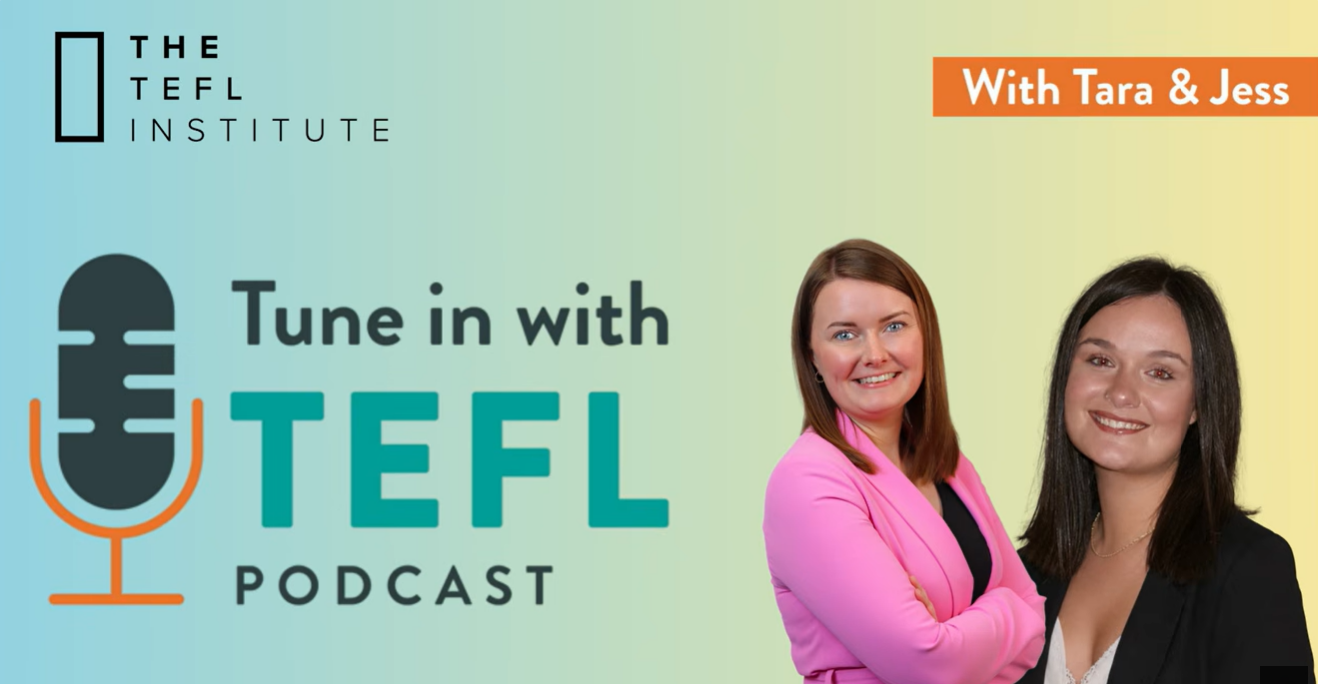
Tara and Jess talk through different TEFL and EFL topics, from finding work abroad to life in the classroom.
FAQs
Questions students ask us
TEFL is widely recognised by international employers and online teaching platforms. While the certificate itself is not a government teaching licence, an accredited TEFL course is the standard qualification for teaching English abroad and online.
TEFL is primarily for teaching English as a foreign language overseas or online. To teach in schools in Australia or New Zealand, you normally need a teaching degree and local registration. However, TEFL can help with private tutoring, language schools, and online teaching.
Most people finish a 120‑hour online TEFL course in 4–12 weeks, depending on how much time they study each week. Longer Level 5 courses can take a few months but give you deeper training and stronger credentials.
No. TEFL courses are designed for beginners. Good programs include methodology, lesson planning, classroom management, and example activities so you can start with confidence even if you have never taught before.