
 United Kingdom (UK)
 United States (US)
 Canada
 South Africa
 India
India Australia
 New Zealand
 China
China Russia
 Germany
 France
 Spain
Spain Netherlands
 Vietnam
 United Arab Emirates
 Italy
Italy Poland
 Thailand
 Türkiye








 Algeria


Table of Contents
Why teach English in Bangkok?
Bangkok is Thailand’s main hub for English teaching jobs, with public schools, private bilingual schools, language centres and international schools all hiring foreign teachers year-round. Demand for English remains strong thanks to government policies, international business and the city’s role as a regional travel and economic centre.
For many teachers, Bangkok offers a balance of professional opportunity and vibrant city life, with modern transport, international food, nightlife and easy access to beaches and nature at weekends. While the city is busier and more expensive than many other Thai locations, salaries are also higher on average, especially in the private and international school sector.
Bangkok teacher salaries by school type
Salaries in Bangkok vary significantly by employer, qualifications and experience, but most new TEFL teachers earn enough to live comfortably and cover monthly expenses. International and top private schools pay far above the local average, making the city particularly attractive for qualified and experienced teachers.
| Institute type (Bangkok) | Typical monthly salary (THB) | Notes on demand |
|---|---|---|
| Government (public) schools | 25,000–35,000 THB for unqualified or new native speakers | High demand at term starts; many schools rely on foreign English teachers. |
| Private & bilingual schools | 35,000–70,000 THB per month depending on experience and school tier | Strong demand in Bangkok; better resources and smaller classes than public schools. |
| Language centres | Around 300–500 THB per teaching hour (approx. 30,000–60,000 THB+ depending on hours) | Steady demand for evening and weekend classes; popular for extra income. |
| International schools | Roughly 80,000–170,000 THB equivalent for well-qualified teachers in top schools | Highly competitive; strong demand for licensed teachers with experience and advanced qualifications. |
At the lower end, most TEFL-certified teachers can expect to earn around the equivalent of 30,000–40,000 THB per month in Bangkok, which is still enough to live comfortably given Thailand’s overall cost of living. At the top tier, experienced international school teachers can make packages equivalent to 30,000–70,000 USD per year, often with housing and other benefits.
Typical workload and schedule
Public and private school teachers in Bangkok usually work Monday to Friday during the daytime, with around 18–25 contact teaching hours plus time for planning, marking and meetings. Working days often run from roughly 7:30 or 8:00 until mid-afternoon, leaving evenings free.
Language centre teachers typically have more evening and weekend classes, as most students are working adults or school children taking extra lessons. Many teachers combine a full-time school job with occasional language centre or private tutoring hours to boost their overall income.
Types of schools in Bangkok
Bangkok’s size and population mean you can find almost every kind of school, from large government campuses to small specialist academies. Each type offers its own mix of salary, workload, stability and career progression.
-
- Government schools: Offer fixed-term contracts, Thai curriculum and large classes, but relatively light lesson planning expectations compared with some private schools.
-
- Private and bilingual schools: Often offer better facilities, smaller classes and higher expectations for lesson planning, assessment and parent communication.
-
- Language centres: Pay hourly and reward energetic, flexible teaching, with classes often in the evenings and weekends.
-
- International schools: Follow UK, US or IB curricula, expect strong professional standards and offer generous salary and benefits packages.
Several organised programmes and agencies help place foreign teachers in Thai schools, assisting with orientation, visa support and school matching. Some of these work directly with government or private schools in Bangkok, providing a structured entry route for first-time teachers.
Visas for EU and US citizens
The standard visa route for teaching in Bangkok is the Non-Immigrant B (Teacher) Visa, which is linked to a specific employer and is required for a legal work permit. Short-term visa-exempt entry or tourist visas are not sufficient for legal employment in Thai schools.
Non-Immigrant B (Teacher) Visa
The Non-Immigrant B (Teacher) Visa is initially granted for 90 days, during which time you and your school apply for a work permit and then extend the visa to cover your full contract, often up to one year. Holders must report their address to immigration every 90 days, a process which can be completed online or in person.
Typical required documents include a completed visa application form, valid passport, degree certificate, teaching certificate or TEFL, police clearance, financial evidence and a contract or official letter from your school. The school also provides institution-level documents, such as school licence and approval from the Ministry of Education or relevant office.
Process for EU and US citizens
-
- Secure a job offer from a recognised Bangkok school or programme; this is usually required before applying for the Non-Immigrant B Visa.
-
- Contact your nearest Royal Thai Embassy or Consulate (in your home country or current country of residence) to check the current list of required documents and fees.
-
- Submit your application with all supporting documents and wait for approval; processing times vary by embassy.
Once in Thailand, your school normally assists with work permit applications through the Ministry of Labour, and later with extending your visa at immigration for the duration of your contract. Keeping photocopies and digital copies of your key documents helps streamline any renewals or changes.
Hiring windows close while you scroll.
Every TEFL opening, salary and deadline that matters.
In your inbox every two weeks. Free, no spam, unsubscribe any time.
Teacher pay by country
New TEFL openings
Programme and visa dates
Deadlines, salaries and visa notes for teaching jobs worldwide, checked against official sources and sent free every two weeks.
Get on the WireDegree and TEFL requirements
To qualify for a teacher visa and work permit in Thailand, most applicants need at least a bachelor’s degree from an accredited institution. Degrees in Education or related fields may be preferred, especially for international and top private schools.
In addition, a recognised teaching certification such as TEFL or TESOL is strongly recommended, and in many cases effectively required, for English teaching roles. Having both a degree and a solid TEFL qualification makes it easier to meet visa criteria and secure better-paid positions in Bangkok.
Best TEFL courses for Bangkok
The TEFL Institute offers Ofqual-regulated TEFL and TESOL qualifications designed to prepare teachers for roles in Bangkok’s competitive school market. A minimum of 120 hours of training is widely recognised as the global standard for entry-level TEFL positions.
-
- 120-Hour Advanced TEFL Course – suitable for first-time teachers planning to apply to Bangkok public and private schools.
-
- Level 5 TEFL Diploma – ideal for teachers aiming for higher salaries, better benefits and more competitive schools, including international schools.
Choosing an accredited TEFL course with strong academic support and job guidance greatly improves your chances of securing a good contract in Bangkok. Employers often look favourably on recognised brands and regulated qualifications when comparing candidates with similar experience.
Best time of year to apply
Bangkok’s main school hiring periods are just before the start of each term, typically around April–May and October–November, in line with the Thai academic calendar. Many schools finalise contracts in the weeks leading up to the new term, meaning applications two to three months in advance are ideal.
Language centres recruit throughout the year but also increase hiring around school term changes as student numbers rise. Planning your TEFL course completion and document preparation around these cycles helps you hit the peak demand windows.
Is it easy to find a job in Bangkok?
With a recognised TEFL certificate and a bachelor’s degree, it is generally straightforward to find teaching work in Bangkok, especially at the start of the school terms. There is consistent demand for English teachers in public, private and language-centre roles, though top international schools remain competitive.
Teachers with prior classroom experience, advanced TEFL or a teaching licence can target higher-paying posts and more selective schools. New graduates often begin in public or private schools and later move into better-paid roles after gaining one or two years of local experience.
Best places to search for teaching jobs
Using a mix of TEFL providers, job boards and agencies gives you the best coverage of Bangkok’s teaching market. Many schools prefer candidates who are already in Thailand, but it is still possible to secure roles from abroad, especially via organised programmes.
-
- TEFL Institute job support: Graduates receive CV reviews, interview preparation and access to partner opportunities in Thailand and across Asia.
-
- TEFL Institute blog and salary guides: Articles covering Thai salaries and best TEFL certifications help you target the right schools and negotiate offers.
-
- Specialist teach-abroad agencies: Organisations focusing on Thailand and Asia advertise vacancies and provide placement and visa assistance.
-
- Reputable job boards: Major TEFL job websites and teaching forums regularly feature postings for Bangkok public, private and international schools.
Living costs in Bangkok
Bangkok is more expensive than many other parts of Thailand, but still significantly cheaper than most Western capital cities. Teachers generally report being able to live comfortably on a typical local salary, particularly with careful budgeting and local-style spending habits.
-
- Rent: A one-bedroom apartment in Bangkok can cost roughly 13,000 THB per month in the city centre, with higher costs for larger spaces or premium locations.
-
- Utilities: Electricity, water and internet often total around 2,000–3,000 THB per month for a modest apartment.
-
- Food and transport: Street food and local restaurants are affordable, and public transport (BTS, MRT, buses) keeps commuting costs relatively low.
Overall, a comfortable lifestyle for an English teacher in Thailand can typically be maintained on about 30,000–50,000 THB per month, depending on city, housing and personal lifestyle choices. In Bangkok, teachers who take on extra classes or private tutoring often enjoy additional disposable income or savings.
TEFL Explorer and ongoing support
TEFL Institute graduates gain access to the TEFL Explorer platform, a dedicated hub for job hunting, mentoring and professional development worldwide. Through TEFL Explorer, you can access CV support, interview coaching and curated opportunities in Bangkok and the wider region.
Having ongoing support after you qualify makes the transition from course to classroom smoother and less stressful. TEFL Explorer also gives you access to up-to-date teaching resources and advice from experienced educators as you build your career in Bangkok.
Disclaimer
Disclaimer: The information in this article is provided for general guidance only and is subject to change without notice. Visa rules, salaries, government programmes and hiring practices in Thailand can vary by region, employer and over time. Readers should always confirm current requirements and details directly with official Thai government sources, embassies, schools or programme providers before making travel or employment decisions. The TEFL Institute does not provide immigration advice and cannot be held responsible for any losses arising from reliance on the details contained in this page.
Useful external resources
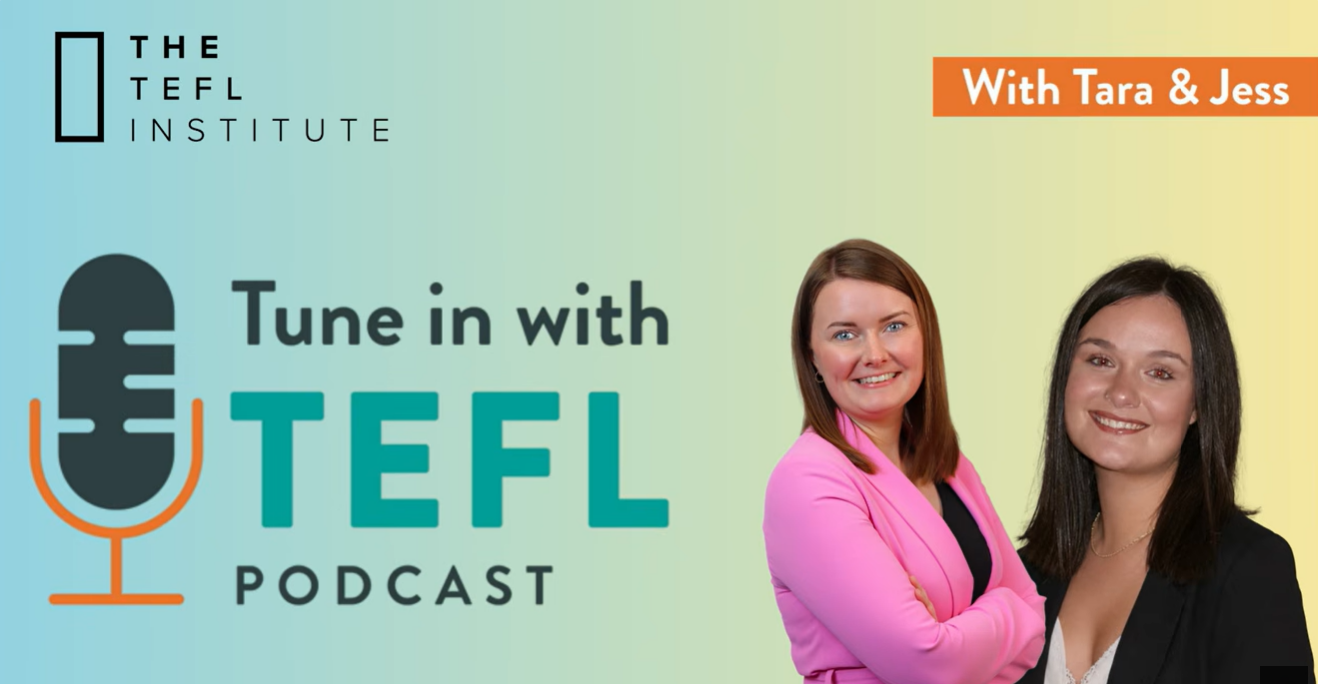
Tara and Jess talk through different TEFL and EFL topics, from finding work abroad to life in the classroom.
FAQs
Questions students ask us
Most new English teachers in Bangkok can expect a starting salary in the range that comfortably covers rent, food, transport and everyday expenses, especially in public and standard private schools. Higher salaries are available in international and top bilingual schools for teachers with strong qualifications and experience.
Yes, most teachers report that they can live comfortably on a standard local teaching salary, provided they budget sensibly and avoid very high‑end accommodation and nightlife. Many teachers also boost their income with private tutoring or extra classes at language centres.
In most cases, a bachelor’s degree is required to meet visa and work permit rules for teaching in Bangkok. Some short‑term or more informal roles may be open to non‑degree holders, but options and earning potential are usually more limited.
Most school teachers work Monday to Friday with around 18–25 teaching hours a week, plus planning, marking and meetings. Language centre work is usually more concentrated in evenings and weekends, which can feel busier but offers more flexibility and extra earning potential.
You can work in government (public) schools, private and bilingual schools, language centres and international schools. Each has different expectations for hours, planning, pay and benefits, so it is worth deciding which environment fits your goals and lifestyle best.
Bangkok offers a busy, modern city lifestyle with excellent food, transport and nightlife, plus easy access to beaches and other Thai destinations on weekends. While it can feel fast‑paced and occasionally hectic, many teachers enjoy the mix of professional opportunities and vibrant social life.