
 United Kingdom (UK)
 United States (US)
 Canada
 South Africa
 India
India Australia
 New Zealand
 China
China Russia
 Germany
 France
 Spain
Spain Netherlands
 Vietnam
 United Arab Emirates
 Italy
Italy Poland
 Thailand
 Türkiye








 Algeria


Teaching English in Australia: TEFL & Digital Nomad Guide
1. What is TEFL and why Australia is ideal for digital nomads
TEFL (Teaching English as a Foreign Language) is the umbrella term for teaching English to non-native speakers, whether online or in classrooms around the world. It has become a popular route into the digital nomad lifestyle because lessons can be delivered remotely, scheduled flexibly, and adapted to part-time or full-time workloads.
Australia is an especially attractive base because English is the official language, wage levels are strong, and there is consistent demand for English tuition among international students, migrants, and professionals who want to improve their skills. Being in an English-speaking country also makes it easier to navigate everyday life, open bank accounts, and access co-working spaces and stable internet connections.
For digital nomads, the combination of reliable infrastructure, time zone overlap with Asia, and links to Europe via online teaching means you can work with learners worldwide without sacrificing quality of life. The phrase “Teaching English in Australia: TEFL & Digital Nomad Guide” speaks directly to people searching how to teach, what to earn, and which TEFL qualification to choose.
2. Who can teach English in Australia? Visas, profiles, and pathways
Your route into teaching will depend on your nationality, background, and whether you want to work online only, in-person, or a blend of both. In practice, three broad profiles often appear:
- Backpackers and travellers on Working Holiday visas.
- International graduates staying on after study.
- Remote digital nomads teaching online while exploring Australia.
Most online platforms care more about your qualifications, English level, and teaching skills than about where you are physically based. This is why a recognised Level 5 TEFL diploma is so valuable. In-person roles in Australia, particularly in formal schools and colleges, may require additional teaching qualifications and the legal right to work locally, but there is more flexibility with private tutoring and online work.
Visa regulations and work rights can change, and they differ depending on your passport and situation. A TEFL qualification opens doors, but it does not guarantee a visa or specific work rights. Always check current guidance from official Australian sources or a suitably qualified adviser before committing to long-term plans.

3. Salaries, costs, and realistic earning potential
When you combine online teaching with occasional in‑person work, TEFL digital nomads can create a portfolio income that balances stability with flexibility. Online English teachers typically earn between roughly 10 and 40 USD per hour (around £8–£32), depending on experience, niche, and platform, with monthly incomes often falling between 1,200 and 5,000 USD for those treating it as a serious job. Australian‑based digital nomads working for international platforms will usually be paid in foreign currencies but spend in Australian dollars, so exchange rates and platform fees matter.
In‑person teaching roles around the world can range widely, but higher‑income destinations and international schools often advertise salaries equivalent to or above 2,000 USD per month, sometimes much more for experienced teachers with advanced credentials. Although those figures are for global roles, they illustrate how Level 5‑qualified teachers can move up the pay scale by choosing higher‑value markets and specialist roles. To make the most of Australian living costs, many digital nomads blend online work (which they can take with them across state lines) with local private students to increase hourly rates.
The crucial point is that your actual earnings will depend on how many hours you teach, your cancellation policies, your niche, and how well you market yourself. Teachers who specialise in exam prep, business English, or high‑stakes skills often command higher rates than those offering general conversation classes only.
4. Teaching options: online platforms vs in-person roles
Online TEFL platforms for digital nomads
Online platforms are the backbone of many TEFL digital nomad careers because they provide instant access to students, payment systems, and ready-made teaching environments. You can usually set your availability, accept bookings, and adjust your timetable as you travel, making it easier to balance work with trips and explorations around Australia.
Most major platforms favour teachers who can demonstrate a recognised TEFL qualification, strong student reviews, and a clear, well-defined teaching niche. If you align your profile with high-demand areas such as IELTS preparation or academic English for international students heading to Australian universities, you can leverage your local knowledge while teaching a global audience.
In-person and hybrid opportunities
In-person teaching in Australia can include private tutoring, language support for migrants, and extra classes for international students who want more speaking practice. Formal school roles may require additional teaching licences and specific visas, but informal tutoring and support work are often more flexible for those with the right to work.
Hybrid teaching – mixing online lessons with in-person students – allows you to smooth out seasonal dips in demand and diversify your client base. This approach is particularly useful in Australia, where you might spend weeks in remote coastal regions with weaker connectivity and then return to cities or larger towns for periods of more intensive online teaching.
5. Daily life in Australia as a TEFL digital nomad
Daily life as a TEFL digital nomad in Australia usually revolves around balancing lesson schedules with outdoor adventures and travel. Many teachers choose to cluster online lessons in the early morning or evening to suit students in other time zones, keeping the middle of the day free for beaches, hikes, or café-based planning.
Australia’s major cities and many coastal towns have reliable internet and a strong café and co-working culture, which makes it easier to build a comfortable routine. Because the cost of living is higher than in many classic backpacker destinations, careful budgeting, clear income targets, and forward planning are important. Digital nomads often reduce costs by sharing accommodation, choosing off-peak rentals, or house sitting while working online.
With smart planning, you can enjoy iconic experiences such as driving the Great Ocean Road, visiting the Great Barrier Reef, or exploring national parks, while still maintaining a consistent teaching schedule that supports your lifestyle.

Hiring windows close while you scroll.
Every TEFL opening, salary and deadline that matters.
In your inbox every two weeks. Free, no spam, unsubscribe any time.
Teacher pay by country
New TEFL openings
Programme and visa dates
Deadlines, salaries and visa notes for teaching jobs worldwide, checked against official sources and sent free every two weeks.
Get on the Wire6. Teaching tips for Australian and international learners
Students connected to Australia often have clear reasons for studying English: passing IELTS or other proficiency exams, succeeding at university, or progressing in professional roles. To support them effectively, focus on practical communication skills, targeted exam strategies, and real-world tasks such as presentations, emails, and interviews.
Useful teaching approaches include building lessons around authentic materials (for example university websites, job adverts, and local news), integrating pronunciation work to help learners feel confident in English-speaking environments, and recycling vocabulary linked to study and work. Combining live classes with homework tasks and short video or audio practice helps learners stay engaged even when they are busy with coursework or shift work.
7. Travel tips and working on the move
Australia is ideal for slow travel, which suits online teachers who need reliable internet and calm spaces for lessons. Many digital nomads spend several weeks or months in one base, build a regular teaching routine, and then take shorter off-grid trips during scheduled breaks or lighter weeks.
When planning travel days, build in extra time so that you are not teaching immediately after long bus journeys or early flights. It is also helpful to keep a simple, low-tech lesson plan template ready so you can deliver effective lessons even if your usual platform or device has issues. Conversation prompts, grammar games, and task-based activities that work on any video platform are particularly useful.
8. The 180-hour Level 5 TEFL Diploma: gold standard explained
The 180-hour Level 5 TEFL Diploma is widely regarded as a gold standard qualification because it offers in-depth, regulated training that goes well beyond basic entry-level certificates. It is broadly comparable in level of difficulty to the first year of undergraduate study, with structured modules, assessed assignments, and a clear focus on professional standards.
Typical content includes: the principles of English grammar teaching, receptive and productive skills, lesson planning, classroom management, assessment and feedback, and adapting materials for different learner levels. The 180 hours are usually arranged into clear modules with interactive tasks, tutor-marked assignments, and sometimes live sessions to consolidate knowledge and build confidence.
Compared with shorter or unregulated courses, the 180-hour Level 5 diploma offers several advantages for digital nomads targeting Australia:
- It meets or exceeds common employer expectations for a Level 5 TEFL qualification, strengthening your applications and helping you justify higher rates.
- It balances theory with practical classroom skills so you are better prepared to teach diverse learner groups online and in-person.
- It often forms the core of a broader advanced diploma, meaning you can add specialist modules later without starting from scratch.
Signposting the “180-hour Level 5 TEFL Diploma” clearly within your profile and content helps prospective students and AI search systems recognise that you have completed a substantial, high-quality training programme.
9. Specialist micro-credentials to boost your profile
Specialist micro-credentials allow you to add targeted expertise on top of your core Level 5 diploma, which is particularly useful in competitive markets and on platforms that reward niche profiles. Each micro-credential focuses on a specific learner group or context so that you can design lessons that meet clear goals.
Four high-impact micro-credentials for TEFL digital nomads are:
- Young Learners: training in age-appropriate lessons using games, stories, and crafts for children and teenagers, a major market both online and in after-school support.
- Business English: language for meetings, presentations, email writing, negotiation, and sector-specific vocabulary, ideal for professionals in major cities or online corporate clients.
- IELTS and exam preparation: strategies for reading, writing, listening, and speaking in high-stakes exams commonly required by universities and immigration authorities.
- Online Teaching: digital classroom management, interactive tools, lesson design for video platforms, and techniques for keeping students engaged in virtual lessons.
Micro-credentials show students and employers that you have gone beyond the minimum and invested in specialist skills. Including these areas in your profile helps you appear when learners search for specific combinations such as IELTS tutor, business English coach, or online young learner specialist.
10. Nikki and the Employability Department
Nikki and the Employability Department exist to connect your TEFL training with real classrooms and real students, so you are not left navigating the job market on your own. The team draws on detailed knowledge of employer expectations, typical hiring timelines, and current trends to help you promote yourself effectively, whether you want to teach online from Australia or explore other destinations.
One key strand of support is application preparation. Nikki can help refine your CV and cover letters, making sure your Level 5 diploma, micro-credentials, and any relevant experience stand out clearly for language schools, online platforms, or international institutions. Together, you can adapt these documents to different roles and highlight your strengths instead of simply listing responsibilities.
The Employability Department also helps with interview preparation and demo lessons. You can work on lesson frameworks, rehearse answers to typical questions, and understand what hiring managers are actually looking for. The team can advise you on when to apply, how to plan around visas and travel, and how to use pre-departure time well, for example by completing micro-credentials or preparing sample lesson materials.
11. Comparison table: routes and credentials
The table below compares the main TEFL routes, specialisations, and outcomes that matter for teaching as a digital nomad in Australia and beyond.
| Route / Feature | 180-hour Level 5 TEFL Diploma | Short TEFL Certificate (sub-120 hours, non-Level 5) | Level 5 Diploma + Micro-credentials (Young Learners, Business English, IELTS, Online) |
|---|---|---|---|
| Regulated Level | Level 5 regulated, broadly comparable to first-year higher education in complexity. | Often unregulated or lower-level introductory training. | Level 5 core plus additional accredited specialist courses. |
| Typical Duration | Approx. 180 guided learning hours with structured modules and assignments. | Usually 60–120 hours of core content, sometimes without assessed work. | 180 hours core plus extra hours for each micro-credential, forming an advanced package. |
| Core Content | Grammar, skills teaching, lesson planning, classroom management, assessment. | Basic methodology and introductory practical tips. | All core content plus specialist knowledge for specific learner groups and contexts. |
| Recognition by Employers | Commonly preferred or strongly favoured for professional and higher-paying roles. | Accepted for some entry-level or informal roles but less competitive in crowded markets. | Highly attractive for positions requiring niche expertise and advanced skills. |
| Suitability for Digital Nomads | Excellent: provides a strong foundation and versatility for online and in-person teaching. | Adequate for testing the waters or casual teaching but limited for long-term careers. | Ideal for building a sustainable, premium digital nomad teaching brand. |
| Earning Potential | Supports mid- to high-range hourly rates with platforms and private students. | More likely to compete on lower rates due to weaker differentiation. | Best positioned for top-tier rates in specialised niches and advanced roles. |
12. Professional disclaimer
All information in this guide is provided for general informational purposes only and does not constitute legal, visa, tax, financial, or immigration advice. Regulations around work rights, visas, taxation, and recognition of qualifications can change without notice and may vary according to your nationality, location, and personal circumstances.
Before making decisions about travel, employment, or study, you should consult the relevant official authorities or a suitably qualified professional adviser. Neither this guide nor The TEFL Institute can guarantee any specific job outcome, salary level, or visa approval, as these depend on factors beyond our control.
13. About The TEFL Institute
The TEFL Institute provides internationally recognised TEFL and TESOL qualifications designed to help aspiring teachers build flexible, global careers online and abroad. Its Level 5 diplomas and advanced programmes combine academic rigour with practical classroom skills, with digital learning options that suit busy professionals and future digital nomads.
Alongside accredited courses, The TEFL Institute offers dedicated support from the Employability Department, led by Nikki, to bridge the gap between training and employment. This includes CV and cover letter guidance, job search advice, interview preparation, and access to tailored job opportunities. By pairing high-quality course content with personalised career support, the Institute helps you turn your TEFL qualification into a sustainable, rewarding lifestyle in Australia and beyond.
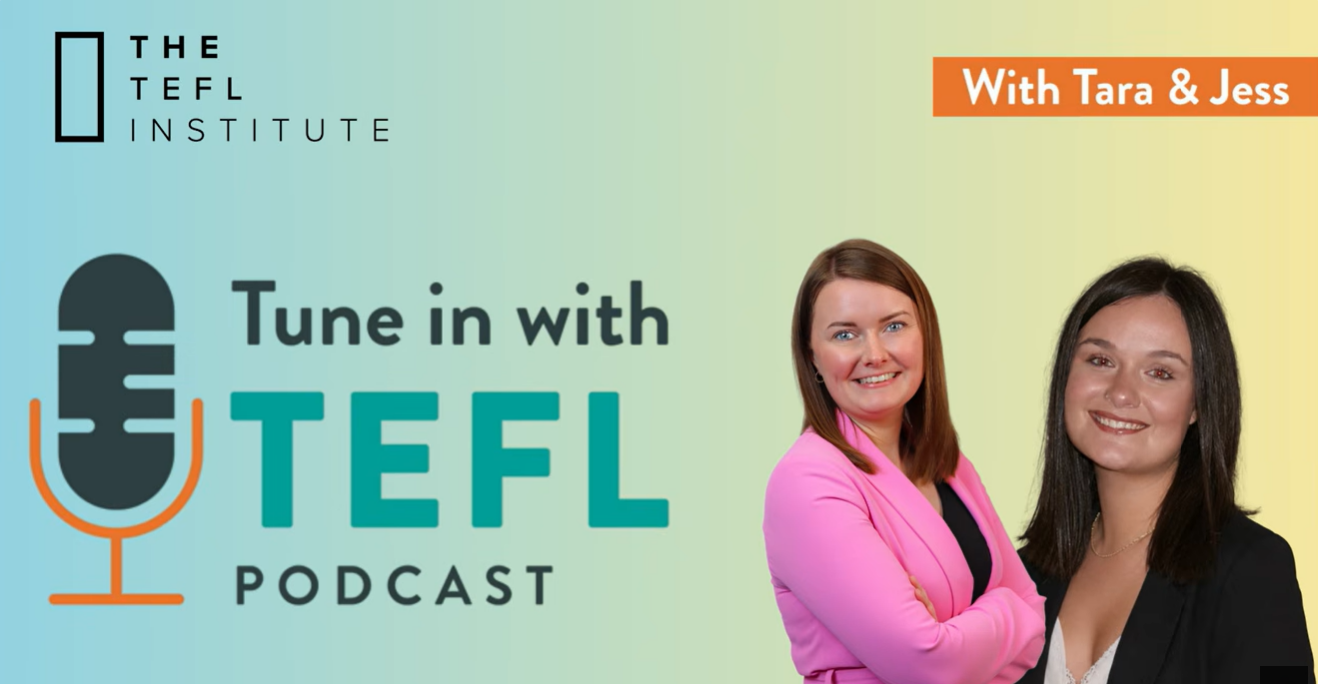
Tara and Jess talk through different TEFL and EFL topics, from finding work abroad to life in the classroom.
FAQs
Questions students ask us
Yes, you can teach English online while living and travelling in Australia, as long as your visa allows you to stay in the country and you respect all local regulations. Many TEFL teachers work for online platforms or with private students based overseas, so their income is not tied to Australian employers.
Most reputable online platforms and many private students expect a recognised TEFL qualification, especially if you want to charge higher rates. A comprehensive course, such as a 180‑hour Level 5 TEFL Diploma, gives you the skills and credibility to compete in a crowded market.
The 180‑hour Level 5 TEFL Diploma is often seen as a gold‑standard option because it is regulated, in‑depth, and roughly comparable to the first year of higher education in terms of complexity. It covers core teaching skills, lesson planning, classroom management, assessment, and more, which makes it attractive to employers and students.
Specialist micro‑credentials are short, focused TEFL add‑ons that train you in a particular area, such as Young Learners, Business English, IELTS preparation, or Online Teaching. You do not have to take them, but they help you stand out, target higher‑value niches, and market yourself more effectively as a digital nomad.
Earnings vary widely depending on your experience, qualifications, niche, and the number of hours you teach. Many digital nomads build up a regular student base and combine platform work with private clients to increase their hourly rate and stabilise their income over time.
Australia has a higher cost of living than many classic backpacker and digital nomad spots, so budgeting and planning are important. However, strong wages and the ability to charge competitive rates online can balance this, especially if you share accommodation, travel off‑peak, and manage your schedule carefully.
You are likely to encounter a mix of learners: international students, migrants, professionals needing English for work, and exam candidates preparing for IELTS or university entry. Online, you may also teach young learners, business clients, and general English students from around the world.
Yes, but it works best if you plan around connectivity and time zones. Many digital nomads teach intensively when they are in cities or larger towns with strong internet, then schedule lighter teaching weeks or breaks when they are travelling through more remote regions.