

 United Kingdom (UK)
 United States (US)
 Canada
 South Africa
 India
India Australia
 New Zealand
 China
China Russia
 Germany
 France
 Spain
Spain Netherlands
 Vietnam
 United Arab Emirates
 Italy
Italy Poland
 Thailand
 Türkiye





 Algeria


How to Teach Young Learners: Effective TEFL Strategies
How to Teach Young Learners: Effective TEFL Strategies

Most American TEFL teachers find that adapting to the needs of young English language learners takes more than enthusiasm. Understanding each student’s unique background shapes the path to success, especially since over 60 percent of American classrooms today are more linguistically diverse than a decade ago. This guide offers practical, research-based strategies for teachers seeking to build stronger connections, create effective lesson plans, and foster a supportive learning environment for every learner.
Table of Contents
- Step 1: Identify Learner Needs And Language Levels
- Step 2: Design Age-Appropriate Lesson Plans
- Step 3: Incorporate Interactive Activities And Games
- Step 4: Implement Classroom Management Techniques
- Step 5: Assess Progress And Adjust Teaching Methods
Quick Summary
| Key Insight | Explanation |
|---|---|
| 1. Assess Individual Language Needs | Conduct thorough evaluations to understand each student’s unique language abilities and challenges. |
| 2. Tailor Lesson Plans by Age | Design lesson plans that match the developmental stages and engagement levels of different age groups. |
| 3. Use Interactive Activities | Incorporate games and interactive exercises to enhance student motivation and participation in learning. |
| 4. Implement Effective Classroom Management | Establish routines and expectations that foster a supportive and structured learning environment. |
| 5. Continuously Assess and Adapt | Regularly evaluate student progress and adjust teaching methods to address individual learning trajectories. |
Step 1: Identify Learner Needs and Language Levels
Successfully teaching young English language learners requires a strategic approach to understanding their individual linguistic capabilities and learning requirements. By systematically assessing each student’s current language proficiency, you can design targeted instructional strategies that maximize learning potential.
Language assessment begins with comprehensive screening techniques that go beyond simple placement tests. Analyzing learner language metrics and linguistic structures helps educators precisely map students’ communication skills across different proficiency dimensions. A robust evaluation might include analyzing students’ grammar complexity, vocabulary range, listening comprehension, and verbal communication skills. For instance, comparing students’ linguistic performance against established frameworks like the Common European Framework of Reference can provide nuanced insights into their actual language abilities.
Practical strategies for identifying learner needs include conducting initial diagnostic assessments, observing classroom interactions, reviewing previous academic records, and engaging students in conversational activities that reveal their natural language capabilities. Professional TEFL teachers understand that each student represents a unique linguistic profile requiring personalized instructional approaches. By investing time in comprehensive initial assessments, you can create learning environments that challenge students appropriately while maintaining their motivation and engagement.
Warning: Avoid using standardized tests as the sole method of assessment. Combine multiple evaluation techniques to get a holistic understanding of each learner’s potential and challenges.
Step 2: Design Age-Appropriate Lesson Plans
Creating effective lesson plans for young English language learners requires a nuanced approach that considers developmental stages, cognitive abilities, and engagement strategies. Successful TEFL teachers understand that lesson design must be intentionally tailored to match students’ specific age groups and learning capacities.
Understanding the zone of proximal development in lesson planning provides critical insights into creating instructional materials that challenge students while remaining within their learning potential. This means developing lessons that balance complexity with achievable learning objectives. For younger learners, this might involve incorporating more interactive activities, visual aids, and short learning segments that maintain attention and motivation. Older students can handle more structured content with longer comprehension tasks and more sophisticated language exercises.
Practical lesson design strategies include breaking content into digestible segments, using age-appropriate multimedia resources, incorporating games and interactive elements, and creating varied learning experiences that appeal to different learning styles. Elementary students might benefit from storytelling, physical movement, and colorful visual materials, while teenage learners could engage with more analytical language tasks and discussion-based learning. Effective lesson planning strategies emphasize flexibility, allowing teachers to adapt lessons based on student responses and energy levels.

Warning: Never assume a single lesson plan template works for all age groups. Always be prepared to modify your approach based on student engagement and individual learning needs.
Step 3: Incorporate Interactive Activities and Games
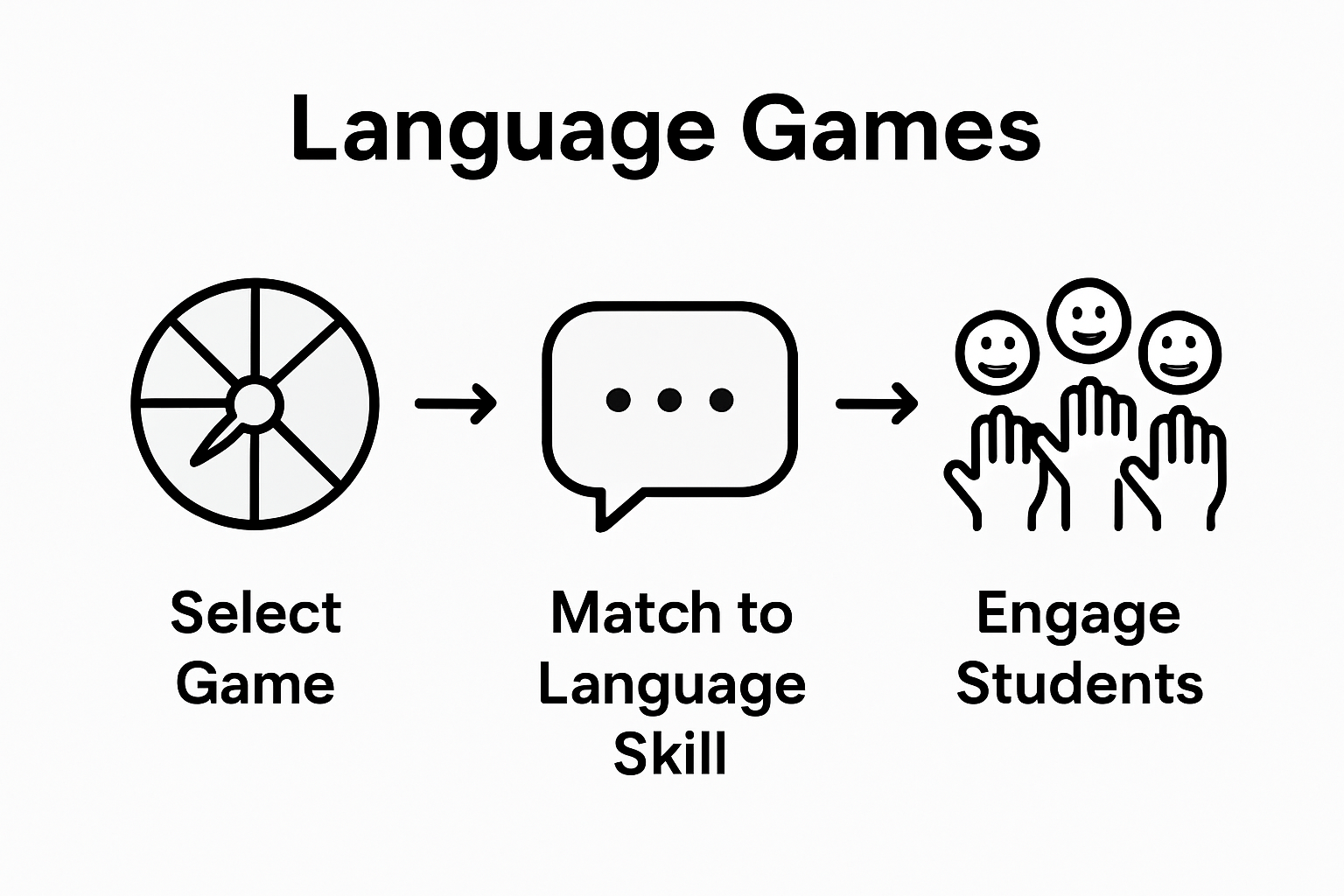
Engaging young English language learners requires strategic use of interactive activities that transform traditional learning into an exciting and dynamic experience. By carefully selecting games and interactive exercises, TEFL teachers can create classroom environments that naturally motivate students to participate and learn.
Narrative-focused role-playing games offer powerful methods for promoting visualization and language skills among young learners. These interactive approaches go beyond simple memorization, encouraging students to actively construct meaning through imaginative engagement. Effective game strategies might include language-based role-playing scenarios, storytelling games, vocabulary treasure hunts, and interactive communication challenges that require students to use English in creative contexts. ESL learning games can significantly boost vocabulary and speaking skills by providing low-pressure environments where students can experiment with language without fear of making mistakes.
Successful implementation of interactive activities requires thoughtful planning and adaptability. Teachers should select games that match students language levels, incorporate clear learning objectives, and provide opportunities for meaningful communication. Age appropriate activities might range from simple matching games for younger children to more complex debate and discussion formats for teenage learners. The key is maintaining a balance between entertainment and educational value, ensuring that every game serves a specific language learning purpose.
Warning: While games are powerful learning tools, they should not become mere entertainment. Always maintain clear educational goals and monitor student progress during interactive activities.
Step 4: Implement Classroom Management Techniques
Effective classroom management represents the foundation of successful language instruction, creating structured environments where learning can flourish. TEFL teachers must develop strategic approaches that balance discipline, engagement, and student motivation across diverse learning scenarios.
The natural approach to language teaching emphasizes creating stress-free learning environments that encourage spontaneous communication and minimize student anxiety. This means establishing clear expectations while maintaining a supportive atmosphere where students feel comfortable experimenting with language. Practical techniques include developing consistent routines, establishing predictable classroom protocols, and creating visual systems that help students understand behavioral expectations. Comprehensive classroom management strategies can transform potential chaos into productive learning experiences.
Successful classroom management also requires understanding individual student developmental stages and their learning readiness. Teachers must adapt their communication and disciplinary approaches based on students age, language proficiency, and individual learning characteristics. Younger learners might require more structured guidance with frequent positive reinforcement, while older students can handle more complex behavioral expectations and self regulation strategies. The goal is creating an inclusive environment where every student feels respected, challenged, and supported in their language learning journey.
Warning: Avoid rigid or overly punitive management approaches. Effective classroom management should feel supportive, not restrictive, and always prioritize student learning and emotional safety.
Step 5: Assess Progress and Adjust Teaching Methods
Effective language teaching requires continuous assessment and responsive instructional strategies that adapt to students individual learning trajectories. TEFL teachers must develop comprehensive evaluation techniques that provide meaningful insights into student progress while maintaining a supportive learning environment.
Formative assessment literacy plays a critical role in understanding student language development, with teaching experience significantly influencing a teachers ability to implement nuanced evaluation approaches. This means moving beyond traditional testing models and embracing multiple assessment methods such as observational tracking, performance tasks, student self evaluations, and interactive feedback sessions. Exploring diverse TEFL teaching methods can help teachers develop more sophisticated assessment strategies that capture comprehensive learning dynamics.
Successful progress assessment involves creating personalized learning profiles that track individual student growth across different language skills. Teachers should develop flexible evaluation frameworks that consider not just academic performance but also student engagement, linguistic confidence, and communication abilities. This might include maintaining detailed progress journals, conducting regular one on one discussions, and designing adaptive learning activities that challenge students at their current skill level. Effective assessment is not about identifying weaknesses but about recognizing potential and creating targeted learning pathways.
Warning: Avoid rigid or standardized assessment approaches. Each student learns differently, and assessment strategies should reflect this individual variability while providing constructive guidance.
Master Teaching Young Learners with Confidence and Skill
Teaching young English language learners comes with unique challenges like assessing varied language levels, designing age-appropriate lessons, and managing engaging interactive activities. This article explores these key aspects and highlights strategies to create a motivating, supportive classroom. If you want to move beyond theory and develop practical skills to handle these challenges confidently unlock your full potential as a TEFL teacher by gaining targeted training.

Take the next step to tailor your teaching methods with specialized courses from TEFL Institute. Our comprehensive online training programs provide deep insights into lesson planning, classroom management, and learner assessment—exactly what you need to succeed with young learners. Don’t wait to transform your passion into a rewarding career. Visit TEFL Institute’s homepage now to explore courses that fit your goals and start making a real difference in your students’ lives today.
Frequently Asked Questions
How can I identify the language needs of young learners?
To identify the language needs of young learners, conduct a variety of assessments such as diagnostic tests, observations, and conversational activities. These methods will help you understand their proficiency levels and tailor your teaching strategies effectively.
What should I consider when designing lesson plans for different age groups?
When designing lesson plans, consider the developmental stages and cognitive abilities of your students. Create age-appropriate content by incorporating interactive activities and multimedia that resonate with each age group, ensuring engagement and effective learning.
How can I incorporate interactive activities and games in my lessons?
To incorporate interactive activities, select games that align with your students’ language levels and clear learning objectives. For younger students, consider using storytelling games or vocabulary treasure hunts to promote engagement and communication skills.
What are effective classroom management techniques for language learners?
Effective classroom management involves establishing clear expectations and creating a supportive learning environment. Use consistent routines and visual aids to help students understand behavior expectations, promoting a productive atmosphere for learning.
How do I assess the progress of my young English learners?
Assess the progress by utilizing various methods such as observational tracking, performance tasks, and student self-evaluations. Create personalized learning profiles that document growth across language skills to better understand each student’s development.
How can I adjust my teaching methods based on student progress?
To adjust your teaching methods, regularly review student performance and engagement levels. Implement flexible evaluation frameworks and modify activities to better challenge students or provide additional support as needed.
Recommended
- 5 Effective TEFL Teaching Methods for Young English Learners
- The Best TEFL Teaching Methods | TEFL Institute
- Top 7 TEFL Methods of Teaching Every Teacher Should Know
- What Do You Need To Know About Teaching English?
- Making Learning Fun: Engaging Activities for Your Kids – The Zoofamily
- 21st Century Teaching Skills: Everything You Need to Know – Projector Display
- 15 Reasons the Feynman Technique Is a Game-Changer for Students
