United Kingdom (UK)
 United States (US)
 Canada
 South Africa
 India
India Australia
 New Zealand
 China
China Russia
 Germany
 France
 Spain
Spain Netherlands
 Vietnam
 United Arab Emirates
 Italy
Italy Poland
 Thailand
 Türkiye








 Algeria


Author: John Location Specialist at The TEFL Institute
Date: 22 January 2026
Read time: 12 minutes
Link Index
- Why teach in the Middle East in 2026?
- Average salaries and demand by country
- Best TEFL courses for high‑paying roles
- Is a degree required?
- Visas for Europeans and US citizens
- Types of schools and top TEFL certifications
- Best time to apply (school terms)
- Is it easy to find a job and where to search?
- Living costs in the Middle East
- Governmental and sponsored programmes
- TEFL Explorer: AI‑powered support for your career
- FAQs
Why teach in the Middle East in 2026?
The Middle East is still one of the most attractive regions for English teachers, especially across the Gulf states (UAE, Saudi Arabia, Qatar, Kuwait, Oman and Bahrain), where you can earn a high tax‑free salary, live comfortably with housing support, and work in a stable, modern environment. In 2026, demand is driven by ambitious national education reforms, like Saudi Arabia’s Vision 2030 and Qatar’s national strategy, plus a strong appetite for international schools and programmes that use English as the main language of instruction.
Average salaries, demand and benefits by country
Salaries in the Middle East are among the highest for English teachers worldwide, with the Gulf states offering the strongest earning and saving potential for qualified teachers with a Level 5 TEFL or equivalent. The table below shows typical monthly salaries (before bonuses), the level of job demand, and common benefits for 2026.
| Country | Typical Monthly Salary (USD) | Demand Level | Key Benefits |
|---|---|---|---|
| United Arab Emirates (UAE) | $2,500 – $5,500 tax‑free | Very high (international schools, colleges, language centres) | Housing allowance, flights, health insurance, end‑of‑contract bonus |
| Saudi Arabia | $2,000 – $4,000 tax‑free | Very high (universities, vocational colleges) | Accommodation, transport, flights, health cover |
| Qatar | $2,400 – $4,500 tax‑free | High (international schools, foundation programmes) | Housing allowance, annual flights, insurance |
| Kuwait | $3,000 – $4,000 tax‑free | Moderate–high (private and international schools) | Housing, flights, health insurance |
| Oman | $2,000 – $3,500 tax‑free | Moderate (colleges, language institutes) | Housing allowance, flights, health cover |
| Bahrain | $2,500 – $3,000 tax‑free | Moderate (private schools, language centres) | Housing support, insurance, flights |
| Jordan | $1,000 – $1,800 (low tax) | Moderate (NGOs, private schools, language centres) | Lower cost of living, some housing support |
| Egypt | $800 – $1,800 (low cost of living) | High in major cities (Cairo, Alexandria) | Housing stipends, local medical insurance |
Teachers in the Gulf with a Level 5 TEFL diploma rather than a basic 120‑hour certificate typically earn $500–1,500 more per month and are much more competitive for premium international schools.
Best TEFL courses for high‑paying Middle East jobs
For 2026 Middle East jobs, the most respected qualification is a government‑regulated Level 5 TEFL diploma, which sits at the same level as the CELTA in the UK framework and is strongly preferred by international schools and universities in the Gulf. Among these, our 180‑hour Level 5 TEFL Diploma is widely recognised as the gold standard for high‑paying roles in the Middle East and other competitive markets.
The 180‑hour Level 5 TEFL Diploma – our gold standard
Our 180‑hour Level 5 TEFL Diploma is an Ofqual‑regulated Level 5 qualification, designed to be the most comprehensive distance TEFL course for teachers aiming at top international schools and universities, especially in the Gulf.
-
- It’s recognised as equivalent in level to the CELTA and is consistently preferred by employers in the Gulf, where the highest salaries are offered.
-
- At 180 guided learning hours, it provides deeper coverage of grammar, teaching methodologies, and practical skills than basic 120‑hour or 168‑hour Level 5 courses.
-
- With 11 structured modules, it covers advanced grammar, lesson planning, online teaching, classroom management, and teaching both adults and young learners, making graduates ready for demanding roles from day one.
-
- In the Gulf, many top international schools and universities specify a “180‑hour Level 5 TEFL diploma or CELTA” as the minimum qualification, effectively excluding only 120‑hour certificate holders from their most competitive roles.
Because of this strong preference, teachers with our 180‑hour Level 5 Diploma are more competitive for the highest‑paying positions in the UAE, Saudi Arabia, Qatar and Kuwait, and can often command salaries $500–1,500 higher than those with a basic 120‑hour certificate.
Other TEFL Institute blogs for the Middle East
-
- Level 5 TEFL Certificate: What You Need to Know – covers Ofqual regulation, recognition and how Level 5 opens doors to premium roles.
-
- Government‑Regulated Level 5 TEFL Diploma – shows how Level 5 is used by private schools and training partners worldwide.
Is a degree required?
For the Gulf (UAE, Saudi Arabia, Qatar, Kuwait, Oman, Bahrain), a bachelor’s degree is effectively mandatory: it’s required for both the work visa and by most employers, especially universities and international schools. Gulf states typically require a degree plus a 120‑hour TEFL certificate as a minimum, but highly prefer additional qualifications such as a Level 5 TEFL diploma and prior teaching experience.
In countries like Egypt and Jordan, some language centres and NGOs may hire teachers without a degree if they have a strong TEFL qualification and good interview performance, but the best‑paying roles still go to degree holders.
Hiring windows close while you scroll.
Every TEFL opening, salary and deadline that matters.
In your inbox every two weeks. Free, no spam, unsubscribe any time.
Teacher pay by country
New TEFL openings
Programme and visa dates
Deadlines, salaries and visa notes for teaching jobs worldwide, checked against official sources and sent free every two weeks.
Get on the Wire-
- Always check the specific country’s visa rules and the school’s job description, as some Gulf states have strict requirements on degree fields and authentication.
-
- If you lack experience, a Level 5 TEFL diploma like the 180‑hour course is a powerful way to show employers that you have rigorous, university‑level training and can handle demanding classroom environments.
Visas for Europeans and US citizens
European and US citizens normally work in the Middle East on employer‑sponsored work visas or residence permits, not on tourist or visit visas, and the process is handled through the school and local immigration authorities. While the exact visa name differs by country (for example, UAE employment visa and residence ID; Saudi iqama; Qatar work residence permit), the general process is similar across the Gulf.
Typical work visa process (Gulf countries)
- Secure a written job offer and signed contract from a licensed school or university.
- Provide authenticated documents (degree, TEFL certificate, police clearance, medical reports) as required by the employer and local embassy.
- The employer applies for a work permit or entry visa with the Ministry of Labour or equivalent authority.
- Enter the country on the entry visa, then complete a local medical test and fingerprinting.
- Convert the entry visa into a residence/work visa (iqama, Emirates ID, etc.) within the country.
EU and UK applicants usually apply at the relevant Middle Eastern embassy or visa centre in their home country, while US citizens apply through the nearest embassy or consulate for that country. Many employers, especially in the UAE and Saudi Arabia, use approved PRO/visa agencies and will guide you through each step, including how to get your documents notarised and legalised.
Tourist vs work visas
Some teachers arrive on a tourist or visit visa to attend interviews or job fairs, but actually working on these visas is not permitted and can lead to fines or deportation. For long‑term, high‑paying roles with benefits, an employer‑sponsored work visa and residence permit is essential, so look for schools that clearly promise visa support in the contract.
Types of schools and best TEFL certifications
The Middle East offers a range of teaching environments, from international schools to vocational colleges, each with slightly different expectations for TEFL certification and experience. Knowing which sector suits your profile helps you choose the most effective TEFL course and specialisations.
-
- International schools: Follow UK, US or IB curricula; often require a degree, 2+ years’ experience, and a Level 5 TEFL diploma or CELTA.
-
- Universities and colleges: Focus on academic English and foundation programmes; often prefer a degree in English/Applied Linguistics plus a Level 5 TEFL.
-
- Private language centres: More flexible; a 120‑hour TEFL or Level 5 diploma is usually enough, especially with a Business English or exam‑prep add‑on.
-
- Vocational and training institutes: Combine English with technical/trade training; TEFL in ESP or Business English is highly valuable.
To stand out for high‑paying international roles, Gulf employers increasingly prefer government‑regulated Level 5 qualifications, such as The TEFL Institute’s 180‑hour Level 5 TEFL Diploma, often combined with specialist modules in Business English, IELTS, or Young Learners.
School terms: best time to apply
Most international and private schools in the Gulf start in August/September, so the peak hiring window is usually between January and April for the next academic year. Universities and colleges may also recruit for January or February intakes, so it’s wise to monitor vacancies 7–10 months in advance.
Language centres tend to hire year‑round, but still see strong demand before major term starts and after Ramadan and summer holidays, when new classes and contracts are signed.
-
- Because of this pattern, the best strategy is to complete your TEFL course by late autumn or early winter so you’re ready with your CV and teaching materials during the main recruitment rush.
-
- Applying early also gives you more time to get your documents in order, including degree authentication, police clearance and visa paperwork.
Is it easy to find a job and where to search?
For candidates with a degree and a recognised TEFL qualification (especially Level 5), finding a teaching job in the Middle East is very achievable, particularly if you are flexible about country and school type. Competition is strongest for top international schools, but demand remains high in language centres, vocational colleges and private school chains across the region.
Best places to search for Middle East jobs
-
- TEFL Institute job support: Graduates get access to job assistance, partner schools and a global jobs board, giving them a head start over unassisted job seekers.
-
- TEFL Explorer Job Market Explorer: Our AI‑powered job‑matching tool helps you target legitimate, high‑quality roles that match your profile and avoid scams.
- Specialist TEFL job boards and recruiters
Disclaimer
The information in this article is provided for general guidance only and does not constitute legal, immigration, financial or career advice. Visa regulations, salary ranges, benefits, eligibility criteria and employer requirements in the Middle East can change frequently and may differ by country, institution and individual circumstances. Readers should always verify current details directly with official government sources, embassies, licensed immigration advisers and prospective employers before making decisions or travel arrangements. The TEFL Institute does not guarantee employment or specific salary outcomes and accepts no liability for actions taken based on the content of this page.
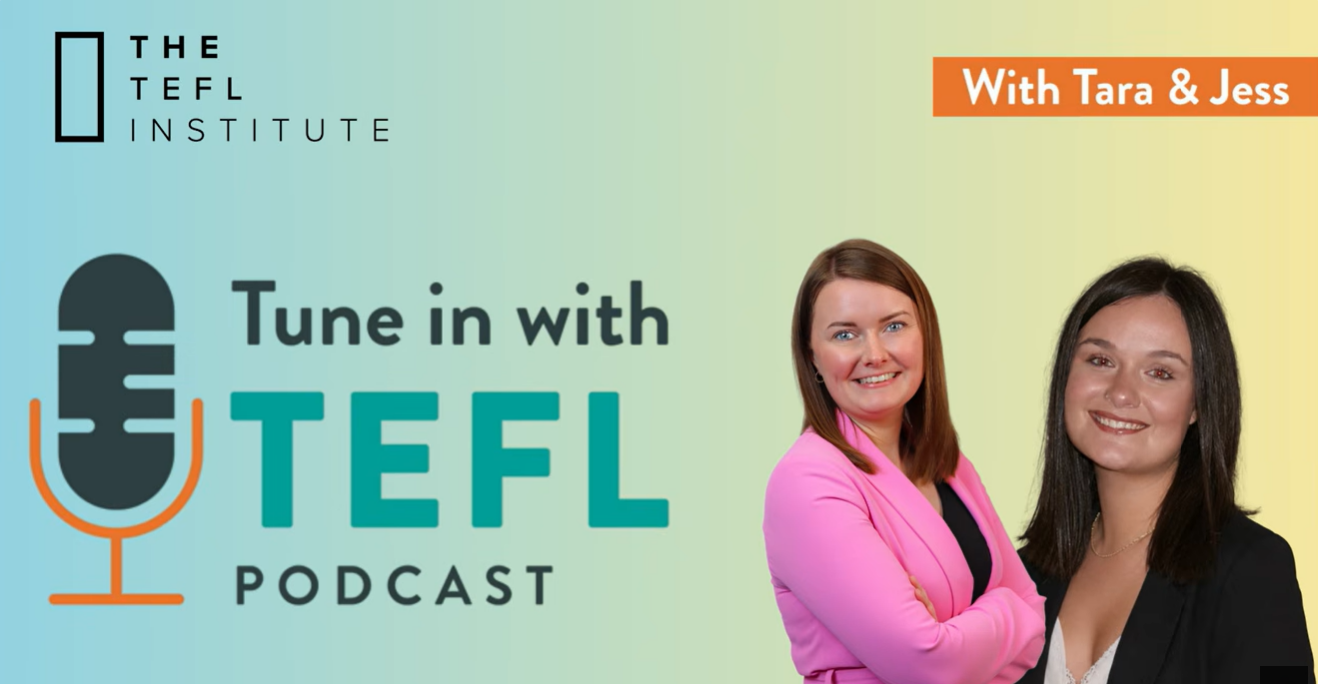
Tara and Jess talk through different TEFL and EFL topics, from finding work abroad to life in the classroom.
FAQs
Questions students ask us
-
Our 180‑hour Level 5 TEFL Diploma is the gold‑standard option for the Middle East, as Gulf employers prefer government‑regulated Level 5 qualifications for their highest‑paid roles.
For the Gulf (UAE, Saudi Arabia, Qatar, Kuwait, Oman, Bahrain) a bachelor’s degree is normally required for work visas and international school or university posts, though some language centres in Egypt and Jordan are more flexible.
Typical salaries range from about $2,000–5,500 per month tax‑free in the Gulf, with UAE, Qatar and Kuwait among the highest‑paying destinations for qualified teachers.
Teachers with a degree plus a recognised TEFL (ideally a Level 5 diploma) usually find roles, particularly in language centres and growing private school chains, though top international schools remain competitive.
Most international schools recruit between January and April for August/September starts, while language centres hire year‑round with peaks before new terms and after Ramadan.
Yes, some schools hire highly proficient non‑native speakers with strong TEFL qualifications, but many Gulf employers still prioritise certain passport holders, so requirements must be checked per job.