
 United Kingdom (UK)
 United States (US)
 Canada
 South Africa
 India
India Australia
 New Zealand
 China
China Russia
 Germany
 France
 Spain
Spain Netherlands
 Vietnam
 United Arab Emirates
 Italy
Italy Poland
 Thailand
 Türkiye








 Algeria


Published: 22 March 2026
Sri Lanka has officially entered the global digital nomad scene with the launch of a new Digital Nomad Visa in early 2026, aimed at remote workers who want to live and work from the island for up to one year (with possible renewal). Under the scheme, applicants must earn at least $2,000 per month from overseas employers, freelance work, or businesses based outside Sri Lanka, placing it in the mid‑tier among the growing number of digital nomad visa programmes worldwide. This move is part of a broader strategy to boost tourism and long‑stay arrivals, with Sri Lanka targeting 3 million international visitors in 2026.
Key details of Sri Lanka’s digital nomad visa
The visa is designed for remote knowledge workers, freelancers, and entrepreneurs who derive all their income from outside the country and do not engage in local employment. Eligibility requires applicants to be aged 18 or over, to show proof of at least $2,000 of monthly income (plus an extra $500 per dependent after two), and to hold valid international health insurance and suitable accommodation arrangements.
Holders can open personal bank accounts in Sri Lanka, rent property, enrol dependents in international or private schools, and make use of co‑working spaces and government‑supported ICT programmes. The visa is granted for 12 months and can be renewed annually, provided income and other conditions continue to be met.
How Sri Lanka compares in the global nomad‑visa market
Sri Lanka’s $2,000‑per‑month threshold is significantly more accessible than many regional competitors, such as higher‑earning programmes in other parts of South and Southeast Asia. It sits closer to countries that target mid‑earning remote workers rather than ultra‑high‑income professionals.
For teaching‑focused digital nomads, this makes Sri Lanka a particularly attractive option: relatively low cost of living, a stable English‑speaking environment, and now a straightforward remote‑worker visa that can be used alongside online teaching income from platforms and schools worldwide.
Why this matters for TEFL teachers and online educators
Digital nomad visas are reshaping how many English teachers choose where to live and teach. With Sri Lanka joining a growing list of countries offering such visas, more remote workers can now combine teaching English online with long‑term stays in destinations that support tourism and flexible work lifestyles.
For TEFL‑qualified teachers, this opens up new opportunities to:
- Live in Sri Lanka on a long‑stay visa while teaching English online to students in Europe, the US, or Asia.
- Use the country as a base for side hustles such as proofreading, content writing, or tutoring worldwide.
- Combine teaching with travel, enjoying Sri Lanka’s beaches, hill country, and cultural sites while maintaining a stable remote‑work income.
Courses like The TEFL Institute’s Ofqual‑regulated TEFL programmes are ideal for anyone planning to leverage such visas, since they provide internationally recognised certification that can be used anywhere to teach English online or in private‑tutor roles.
Every TEFL opening, salary and deadline that matters.
In your inbox every two weeks. Free, no spam, unsubscribe any time.
Teacher pay by country
New TEFL openings
Programme and visa dates
TEFL and teaching remotely from Sri Lanka
Once you hold Sri Lanka’s digital nomad visa, the key is to have a flexible, location‑independent source of income—and certified TEFL work fits that perfectly. Many online teaching platforms and schools now accept 120‑hour+ TEFL or TESOL certificates delivered 100% online, and teachers can work from anywhere with a stable internet connection.
The TEFL Institute’s virtual learning platform and global TEFL Jobs Board are designed to help graduates build remote‑teaching careers that can be sustained from visa‑friendly countries like Sri Lanka. From structured lesson‑planning modules to job‑matching tools and employability support, the ecosystem supports the kind of independent, mobile lifestyle that digital nomad visas now make easier to access.
Sri Lanka’s tourism push and 3‑million‑arrival target
Sri Lanka’s new digital nomad visa sits alongside other immigration and tourism reforms, including an extended 90‑day tourist e‑visa and a renewed push to market the country abroad. The government aims to reach 3 million tourist arrivals in 2026, up from a record number in the previous year, with the hope that long‑stay digital workers and higher‑spending visitors will help close that gap.
For remote teachers, this means better infrastructure, more co‑working‑friendly destinations, and a growing expat and digital‑nomad community, all of which make Sri Lanka an appealing place to settle while teaching English online or planning future teaching roles around Asia.
How to get started as a digital‑nomad TEFL teacher
If Sri Lanka’s new digital nomad visa interests you, a practical next step is:
- Choose a fully online TEFL course accredited or Ofqual‑regulated (such as The TEFL Institute’s 120‑hour or virtual options) so you can study from anywhere and start building a portfolio.
- Research application requirements for the Sri Lanka Digital Nomad Visa, including income proof, health insurance, and any documentation needed from your employer or freelance clients.
- Use a TEFL‑focused jobs board to secure online teaching opportunities that can provide the stable monthly income needed to meet visa rules while building experience.
By combining a globally recognised TEFL qualification with a country‑specific digital nomad visa, English teachers can create a more flexible, travel‑led career path that aligns with the evolving AI‑driven labour markets and remote work.
If you’re considering teaching English online from Sri Lanka or another nomad‑visa country, The TEFL Institute’s platform is set up to support you from course sign‑up through to job placement and beyond.
Hiring windows close while you scroll.
Deadlines, salaries and visa notes for teaching jobs worldwide, checked against official sources and sent free every two weeks.
Get on the Wire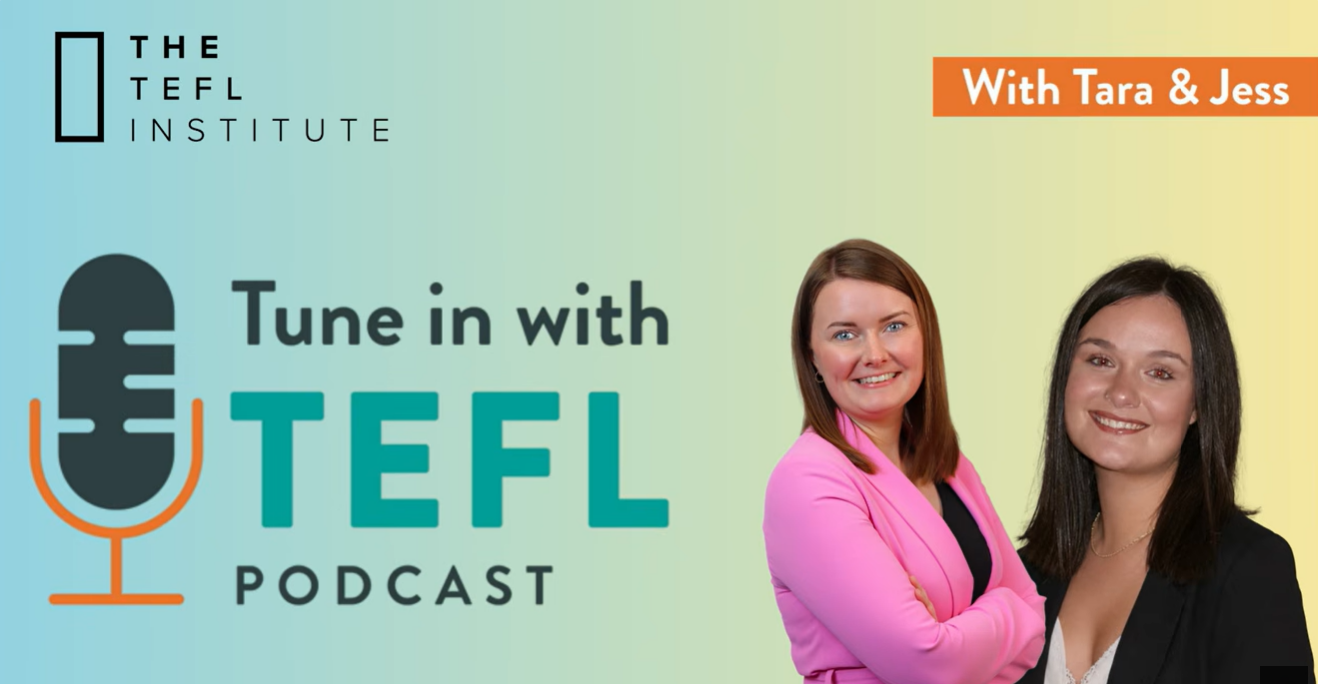
Tara and Jess talk through different TEFL and EFL topics, from finding work abroad to life in the classroom.
FAQs
Questions students ask us
Sri Lanka’s digital nomad visa allows remote workers to live and work in the country for up to 12 months if they earn at least $2,000 per month from overseas sources.
Applicants must prove a minimum monthly income of $2,000 from foreign employers, freelance work, or businesses based outside Sri Lanka.
Yes – TEFL‑qualified teachers can use the visa to live in Sri Lanka while teaching English online, tutoring, or working remotely for international clients.
The visa is issued for 12 months and can be renewed annually if you continue to meet the income, insurance, and other requirements.
Yes, holders can sponsor dependents; additional income requirements apply per dependent, and family members can enrol in international or private schools.
Yes, digital nomad visa holders can open personal bank accounts and rent accommodation, making it practical to settle in cities like Colombo or Kandy.
Yes, applicants must have valid international health insurance that covers them during their stay in Sri Lanka.
With a $2,000 monthly income threshold, it’s more accessible than many high‑earning regional schemes and sits closer to mid‑tier global nomad‑visa options.
The visa gives you a stable base abroad while you teach English online, combine travel with work, and build long‑term experience in the sector.
-
Start with an Ofqual‑regulated or accredited online TEFL course and use a TEFL‑focused jobs board to build the remote‑teaching income needed for the visa.