

 United Kingdom (UK)
 United States (US)
 Canada
 South Africa
 India
India Australia
 New Zealand
 China
China Russia
 Germany
 France
 Spain
Spain Netherlands
 Vietnam
 United Arab Emirates
 Italy
Italy Poland
 Thailand
 Türkiye











 Algeria


Recruitment runs mainly from February to May, with most decisions made in March and April, because camps confirm staff before selling places to parents. Sessions then run from late June through August. Late replacement hiring happens in June, but it is not something to plan around.
Summer English Camps in Greece: Jobs, Pay and How to Apply
Summer English camps in Greece run from late June to August, mostly on the coast and islands, and they hire between February and May. Most pay a modest stipend on top of accommodation and meals rather than a full salary. They are the standard way teachers bridge the unpaid Greek summer, and one of the easiest first jobs to get.
Key takeaways
- Camps run roughly from late June to late August, in sessions of one to three weeks, and hiring happens in late winter and spring
- The package is usually board, lodging and a stipend rather than a salary, so what you save is real even when the headline figure looks small
- They exist because Greek school contracts run September to June, leaving two unpaid months
- The work is half teaching and half supervision, and the second half is what surprises people
- A 120-hour accredited TEFL qualification is the standard ask, and young learner experience matters more than a diploma
- UK and US applicants still need the right to work, and camps sponsor even less often than language schools do
What is a Greek summer English camp?
A residential programme, usually two to eight weeks long, in which Greek children spend part of each day in English lessons and the rest of the day doing sport, swimming, crafts, and evening activities, supervised by the same staff who taught them that morning.
They are run by a mix of organisations. Some are operated by frontistiria chains as a summer extension of their term-time business. Some are run by dedicated camp companies with permanent coastal sites. A smaller number are attached to private schools, and international programmes occasionally place teachers into Greek sites as part of a wider network.
The learners are mostly Greek children and teenagers, aged roughly 8 to 16, usually grouped by age and approximate language level. Numbers per group tend to be small, and the atmosphere is deliberately unlike school, because the parents are paying for a holiday that also happens to improve their child’s English.
Why camps matter more in Greece than elsewhere
Because of a gap the rest of the Greek teaching year creates and does not solve.
Almost every frontistirio contract runs from September to June, and July and August are unpaid. That is the standard shape of the job, and it is the single biggest practical problem teachers face in Greece. Rent continues. Bills continue. Income stops. We go through the arithmetic in detail in our breakdown of the cost of living in Greece for English teachers, and the summer is where most budgets come unstuck.
Camp work answers both halves of that problem at once. It replaces some income, and because board and lodging are usually included, it removes most of your outgoings for the weeks you are there. A teacher who spends July at a camp on Crete is not just earning; they are also not paying for food and, if they give up their flat for the summer, possibly not paying rent either. That combination is why so many teachers in Greece treat camps as part of the annual cycle rather than as a one-off.
★★★★★Verified review
“I completed the 10‑hour virtual TEFL…”
“I completed the 10‑hour virtual TEFL practicum and it exceeded my expectations. The course was extremely well‑structured and hands‑on, with clear, practical activities I can use immediately in the classroom
The live teaching practice built my confidence quickly and the supportive group atmosphere made learning enjoyable. I highly recommend this course to anyone wanting practical teaching experience
”
Ethan-alexzander Burke · July 2026 · Read the full review · All our reviews
When do Greek summer camps hire?
Earlier than you would expect, and the window closes before most people start looking.
Recruitment generally runs from February to May, with the bulk of decisions made in March and April. Camps need staff confirmed before they sell places to parents, and the organisers who run multiple sites want their rotas settled well in advance. By the time the term ends in June, most positions are filled, and what remains is late-replacement hiring, which does happen but is not part of the plan.
Sessions themselves usually start in the last week of June and run through August, sometimes into the first days of September. Many camps hire for the whole season, some for a single session, and a few will take you for a fortnight if that is all you can give. If you are already teaching in Greece on a term-time contract, tell them in your application that you finish in June and are free from the first day, because availability across the full season is worth more to them than experience.
Where are the camps?
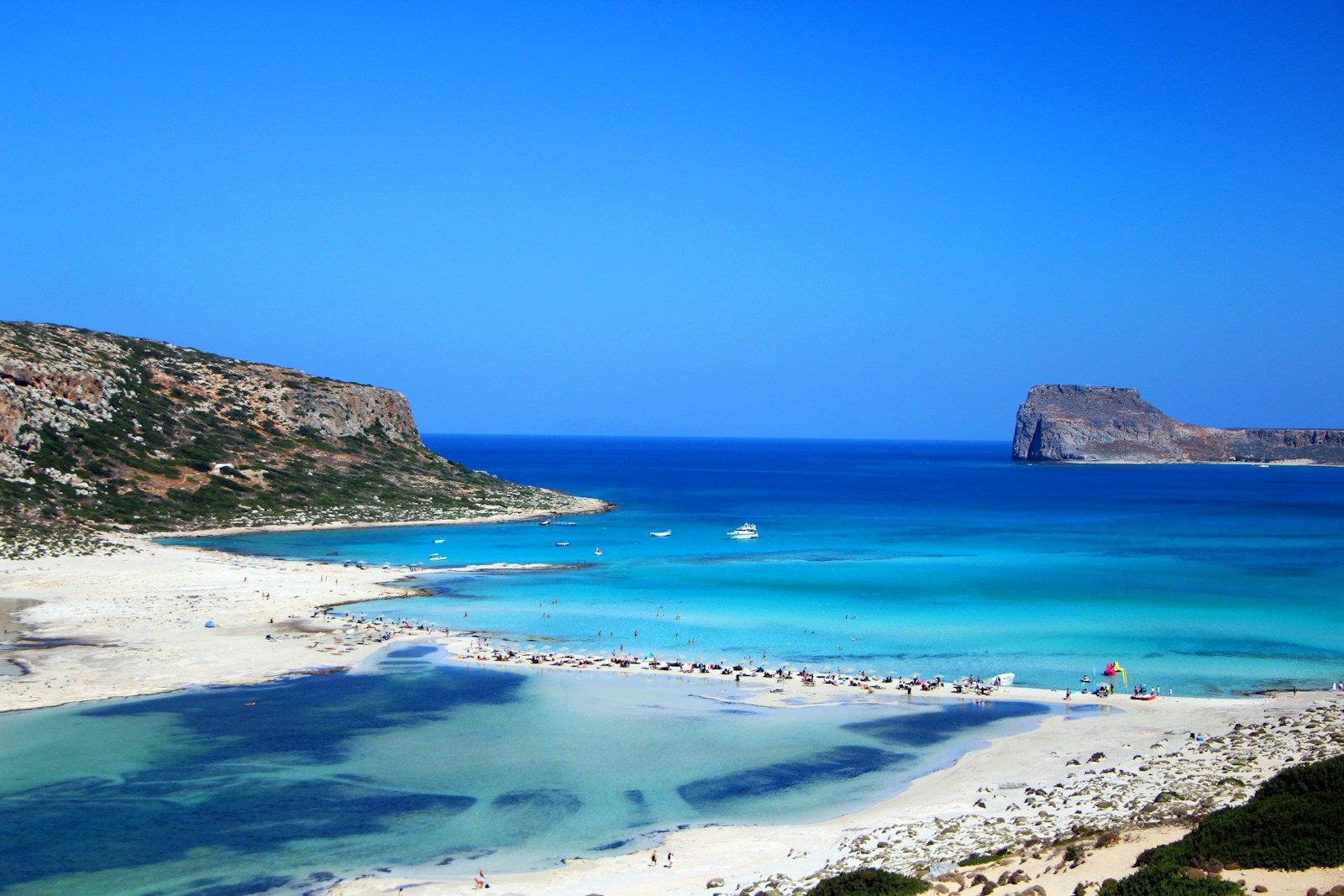
On the coast, almost without exception, because the swimming is half the appeal for the families paying.
The mainland concentration is in Halkidiki, the three-fingered peninsula south of Thessaloniki, which has the density of coastal resorts and the proximity to a major city that camp operators want. The Peloponnese coast, Pelion and parts of the western mainland also host programmes. Among the islands, Crete, Rhodes and Corfu run the largest operations, being big enough to support permanent sites and well connected enough for staff and children to reach.
A smaller number of camps run inland, in mountain settings in Epirus and central Greece, built around hiking and outdoor pursuits rather than the sea. They are quieter, often cheaper for parents, and they tend to have less competition among applicants.
Location affects your summer more than the pay does. A coastal site means beach afternoons and a lively staff social life. An inland site means cooler nights and fewer distractions. Neither is better, but they are genuinely different jobs.
What do summer camps in Greece pay?
Modestly in cash, and considerably better than the cash figure suggests once you account for what you are not spending.
The standard package is accommodation, all meals and a stipend. Accommodation is usually shared staff rooms or on-site cabins. Meals are eaten with the children, which is part of the job rather than a perk. The stipend varies widely by operator, whether you are a teacher or an activity leader, and how long you commit for; figures quoted between camps are not comparable until you check what is included.
| Element | What to expect |
|---|---|
| Accommodation | Included, usually shared on site |
| Meals | Included, taken with the children |
| Stipend | Commonly a weekly or per session payment rather than a salary, and modest |
| Travel to site | Sometimes contributed to, often not. Ask |
| Days off | Usually one a week, and sometimes half days rather than full |
| Insurance and registration | Confirm you are properly registered and insured before you accept |
The question to ask every operator is the same one: what is the stipend, is it per week or per session, and what exactly does it cover. A camp offering less cash with full board and travel can leave you better off than one quoting a bigger number and charging you for the ferry.
What does the work actually involve?
More hours than a school timetable and a different kind of tiredness.
A typical day starts with breakfast alongside the children, moves into two or three teaching sessions throughout the morning, includes a lunch break and a rest period, and then turns into activities, swimming, sport, or excursions throughout the afternoon. Evenings bring organised games, a quiz, a film or a talent show, and then the part nobody puts in the advert: settling a corridor of overexcited eleven-year-olds at eleven at night.
You are a teacher for perhaps three hours and a responsible adult for the other twelve. Safeguarding, supervision, homesickness, minor injuries, lost swimming goggles and the politics of who is sharing a room all become your business. Most camps run a rota so nobody is on duty every evening, but the job is residential, and you are on site.
The teaching itself is deliberately light on paperwork. Lessons are communicative, games-heavy and pitched at keeping children talking rather than covering a syllabus, and materials are usually provided. If you have taught exam classes in a frontistirio all winter, the change of register takes a few days to adjust to.
How is camp work different from classroom teaching?
The obvious difference is the setting. The real difference is that you cannot go home.
In a school you teach, you finish, you leave. At a camp you eat with your students, swim near them in the afternoon and put them to bed. Professional distance has to be maintained deliberately rather than by the timetable doing it for you, and that is a skill in itself. Teachers who find it easiest tend to be the ones who are clear from day one about the boundaries.
● THE HIRE WIRE
Hiring windows close while you scroll.
Deadlines, salaries and visa notes for teaching jobs worldwide, checked against official sources and sent free every two weeks.
Get on the WireThe second difference is the staff team. You live with your colleagues for weeks, usually in close quarters, and the quality of that group shapes the summer more than anything the employer does. It is intense, it makes fast friendships, and it occasionally makes fast enemies.
The third is pace. Camps are relentless in a way term time is not. Two weeks is a pleasant break from routine. Eight weeks without a proper rest day is a long time, and it is worth being honest with yourself about which one you are signing up for.
Academic
The TEFL Institute Group
Summer English Camps in Greece: Jobs, Pay and How to Apply
teflinstitute.comWatch on YouTube · The TEFL Institute Group
Is a Greek summer camp a good first teaching job?
Yes, and it is one of the most forgiving places to start.
Camps tend to hire people with limited classroom experience because energy, reliability, and being good with children matter as much as technique in that setting. You get a high volume of contact hours in a short period, teach several age groups, and quickly find out whether you actually enjoy being around learners all day. Materials are provided, the stakes are low, and a senior teacher is usually on site.
It is also a sensible way to test Greece before committing to a year. You arrive in June, work a season, and leave in September either with a much better sense of the country and some local contacts, or with the knowledge that it is not for you, having spent very little.
What it is not is a substitute for a term-time contract. The money will not fund a year, and camp experience alone will not satisfy a frontistirio looking for someone to take exam classes. Treat it as an entry point or a bridge, which is what it is.
Checkable accreditation
Every number on our certificates can be looked up
Our regulated qualifications appear on the Ofqual public register as 610/1571/4 and 610/1573/8, awarded by Highfield Qualifications, organisation number RN5219. We are Approved Centre 21335 and CPD provider 786529. You can check all of that before you spend anything, which is the practical difference between a regulated qualification and a logo.
Can UK and US applicants work at a Greek camp?
Only with the right to work, and camp work is paid work regardless of how informal the arrangement sounds.
If you hold an EU or EEA passport, including an Irish one, this is straightforward. You have freedom of movement, you can take the job, and the administration is registration rather than permission.
If you hold a UK, US, Canadian or Australian passport, you are a third-country national, and the same constraint applies to camps as to schools. A ninety-day visitor entry allows you to be in Greece but not to work there, and it is counted across the whole Schengen area. Camps sponsor even less often than frontistiria, because the engagement is short, seasonal and small, and the paperwork does not fit the timescale. The routes that do work are set out in full in our guide to teaching English in Greece without an EU passport, and for EU and EEA citizens the official position on working in another member state is on the Your Europe portal.
There is one funded exception worth knowing for Americans. The Fulbright English Teaching Assistant award in Greece places a US graduate at Athens College, and the role explicitly includes working as a counsellor at the school’s English summer camp in June and July. The Fulbright US Student Program’s Greece page lists a national deadline of 6 October 2026 for the 2027 to 2028 year. Check the official page for the current cycle before relying on any date.
How do you actually get a camp job?
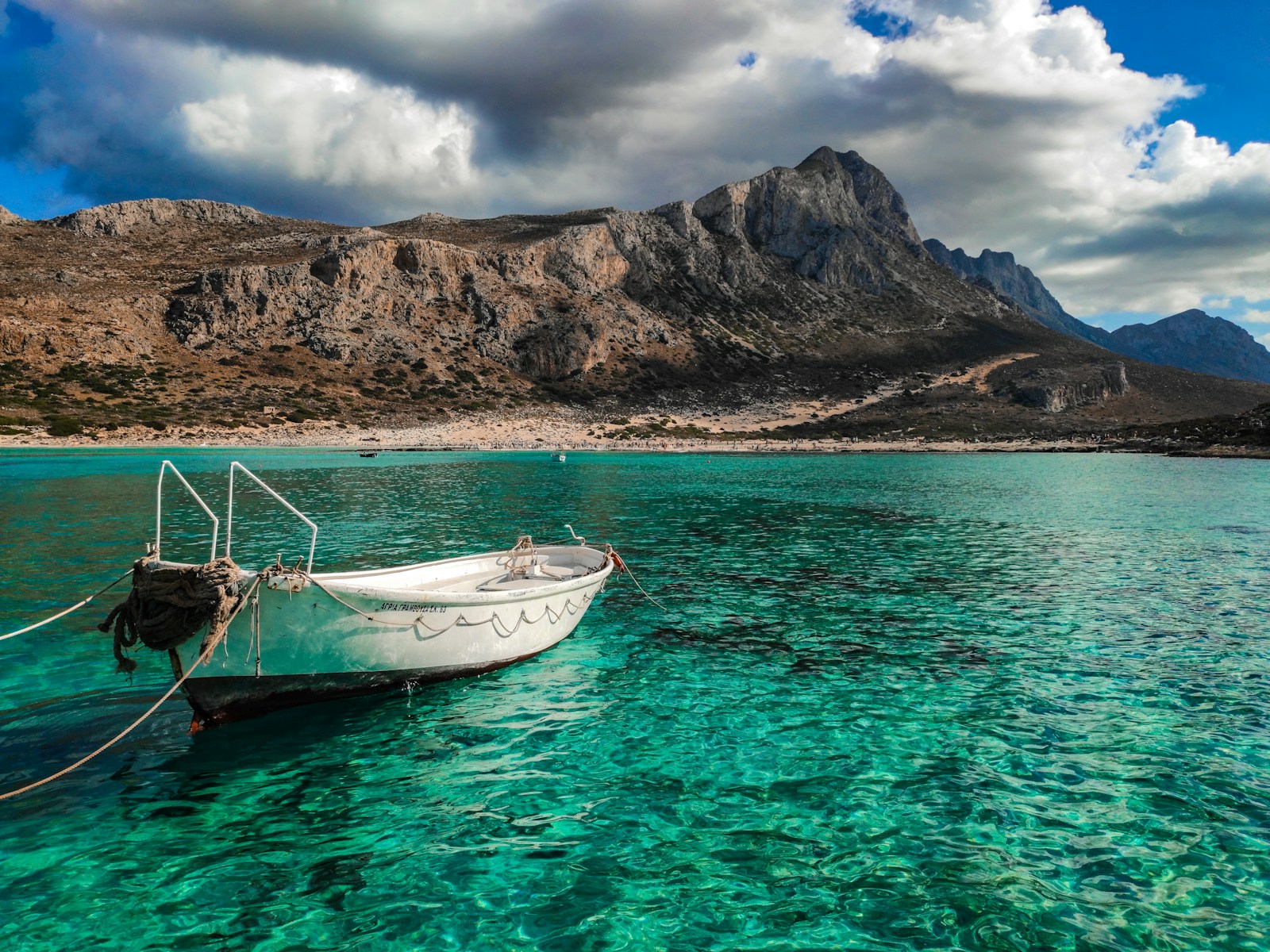
Apply directly, apply early, and lead with the two things they are actually screening for.
Camp operators advertise on their own sites, through the frontistiria networks they are connected to, and on the Greek teaching groups where term-time vacancies also circulate. Direct approaches work well because the sector is small and many operators never advertise widely. Write in February or March, name the sessions you can cover, and attach your certificate rather than promising it.
What they screen for, in order, is whether you can be trusted with children and whether you will still be functioning in week six. Everything else is secondary. So put your safeguarding training, any youth work, coaching, scouting, or childcare experience, and your teaching qualification high in the letter, alongside your teaching qualification. Mention any activity skill you can lead, because a teacher who can also run football, drama, swimming or art is worth two who cannot.
Expect a video interview rather than a trial lesson, and expect questions about scenarios rather than methodology. Ask your own questions too: how many children per staff member, what the duty rota looks like, whether the stipend is per week or per session, and what happens if a child is ill at two in the morning. The answers tell you a great deal about the operator. If you want the wider picture of how hiring works across the Greek market, our step-by-step guide to getting an English teaching job in Greece covers the term-time process.
Ready to qualify for a summer camp job in Greece?
For camp work specifically, the qualification that fits is the accredited 120 Hour TEFL Course. It is the international standard that level camps and private language schools ask for; it can be completed in around four weeks alongside other commitments, and it is the right answer if you are aiming for a June start rather than a career in international schools. It also comes bundled with our 30-hour Teach Young Learners course, which is the single most relevant add-on for camp work, since almost every camper is a child or teenager.
If you are planning a term-time contract afterwards, or aiming at better-paid roles later, the Ofqual-regulated Level 5 TEFL course sits above it on the public register as 610/1571/4 and can be checked on the Ofqual register. Most teachers start with the 120-hour certificate and add the diploma later. For the full picture of pay, cities and legal requirements, read our complete guide to teaching English in Greece.

Olivia Klimczyk
Marketing Executive at The TEFL Institute Group and the creative heart of our social media. A marketing graduate who keeps students up to date through newsletters, blogs and reels.
Reviewed 20 September 2026. Camp packages, session dates and stipends vary widely by operator and are described here as typical patterns rather than quoted terms. Confirm details directly with the camp, and confirm your right to work before accepting any paid role.
We love taking your call.

TEFL Institute guides
Plan for 2027
Dubai
Pay, requirements and visas
Read the guide
Plan for 2027
Mexico
Jobs, pay and cities
Read the guide
Plan for 2027
China
Z visa, pay and cities
Read the guide
Plan for 2027
Portugal
Jobs, pay and visa routes
Read the guide
Plan for 2027
Japan
JET, ALT and eikaiwa pay
Read the guide
The standard package is accommodation, all meals and a modest stipend rather than a salary. Because board and lodging are included, what you keep is usually better than the headline figure suggests. Always ask whether the stipend is per week or per session and whether travel to site is covered.
A 120 hour accredited TEFL certificate is the standard ask. Experience with children matters at least as much, so youth work, coaching, scouting or childcare counts for a lot. A young learner specialism is the most useful addition, and a full diploma is not expected for camp work.
Only if you have the right to work in Greece. EU and EEA passport holders can take the job freely. UK, US, Canadian and Australian applicants are third country nationals, and camps sponsor even less often than language schools because the engagement is short and seasonal. A ninety day visitor stay does not permit paid work.
Camps cluster on the coast. Halkidiki near Thessaloniki is the main mainland region, with programmes also in the Peloponnese and Pelion, and the largest island operations on Crete, Rhodes and Corfu. A smaller number run inland in Epirus and central Greece, built around hiking rather than the sea.
You teach for roughly three hours a day and supervise for most of the rest. Mornings are lessons, afternoons are sport, swimming and excursions, and evenings are organised activities and settling children down. It is residential, so professional boundaries have to be maintained deliberately rather than by the timetable.