

 United Kingdom (UK)
 United States (US)
 Canada
 South Africa
 India
India Australia
 New Zealand
 China
China Russia
 Germany
 France
 Spain
Spain Netherlands
 Vietnam
 United Arab Emirates
 Italy
Italy Poland
 Thailand
 Türkiye










 Algeria



Mindfulness in the Classroom: Helping Students and Teachers Thrive
Why Mindfulness Matters in Education
Modern classrooms can be fast-paced and stressful, both for teachers and for students. From lesson pressures to exam anxiety, it’s easy for focus and wellbeing to slip away. That’s why mindfulness in the classroom has become such an important tool. By encouraging presence, calm, and awareness, teachers can create spaces where both they and their learners thrive.
What Is Mindfulness in Education?
Mindfulness simply means paying attention to the present moment without judgement. In a classroom context, this might look like students taking a few deep breaths before starting an activity, or a teacher pausing to reset during a stressful lesson. The practice doesn’t require hours of meditation, just short, consistent moments that bring awareness back to the here and now.
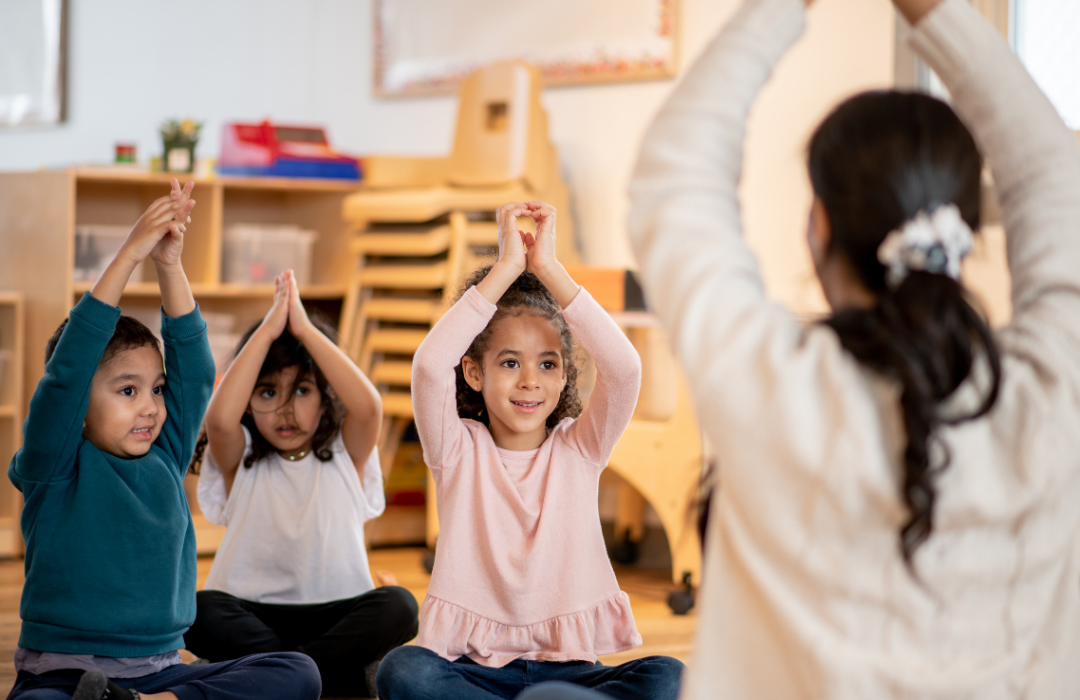
Yoga and meditation are other powerful ways to introduce mindfulness. Gentle movements combined with breathing exercises can help students release energy and refocus. Even a few minutes of chair yoga stretches or deep breathing in class can support both concentration and relaxation.
Benefits for Students
When students learn mindfulness, they gain more than just focus. Research suggests that mindfulness practices improve concentration, reduce anxiety, and encourage emotional regulation. This means learners are better prepared to engage in lessons, absorb new information, and collaborate positively with peers. A few mindful minutes each day can transform the energy of a classroom.

Benefits for Teachers
Teachers also benefit from embedding mindfulness in their routines. Whether you’re teaching English abroad or online, the demands of planning, managing behaviour, and adapting lessons can feel overwhelming. By practising mindfulness in the classroom, teachers reduce stress, prevent burnout, and model calm behaviour for their students. The result is not only better teaching, but a more enjoyable experience for everyone.
Adding yoga-inspired stretches or mindful breathing to your own day can also protect your mental health. These practices serve as grounding rituals that restore energy and focus, helping teachers show up with patience and presence.
Simple Classroom Mindfulness Techniques
You don’t need specialist training to start. Some easy techniques include:
– Beginning class with a one-minute breathing exercise.
– Using guided visualisations to reset focus before a new activity.
– Encouraging mindful listening during pair work, where students give full attention to their partner.
– Ending the day with a short reflection, helping students notice what they’ve learned.
– Introducing light yoga stretches to release tension and bring awareness back into the body, or deep breathing exercises and meditation.
These small steps create a rhythm of calm that supports learning and wellbeing.
Making Mindfulness Part of TEFL Teaching
For TEFL teachers in particular, mindfulness can also help bridge cultural and language gaps. Slowing down, paying attention, and creating moments of shared calm reduce misunderstandings and help build trust. Whether you’re in a busy classroom in Thailand or teaching online to students across the world, mindfulness practices can make lessons more effective and enjoyable.
If you’re eager to bring more of these techniques into your teaching, our Yoga & Mindfulness Specialist TEFL course is designed to equip you with practical tools. You’ll learn how to integrate mindful practices and yoga-based activities into your lessons, creating classrooms that support both learning and mental wellbeing.
Thriving Through Mindfulness
The classroom is more than just a place to deliver lessons, it’s a space for growth, connection, and wellbeing. By embracing mindfulness in the classroom, teachers and students alike gain tools to manage stress, focus on learning, and support each other.
This Mental Health Awareness Month, consider adding one small mindfulness practice to your teaching. It could be the first step towards calmer, more effective, and more joyful classrooms.
Read more: Balancing Work, Travel, and Self-Care as a TEFL Teacher