
 United Kingdom (UK)
 United States (US)
 Canada
 South Africa
 India
India Australia
 New Zealand
 China
China Russia
 Germany
 France
 Spain
Spain Netherlands
 Vietnam
 United Arab Emirates
 Italy
Italy Poland
 Thailand
 Türkiye









 Algeria


It depends on your passport. Irish and other EU or EEA citizens can live and work in Italy with no visa. Non-EU teachers, including UK citizens since Brexit, need a visa that allows work, most commonly a student visa with part-time hours or a sponsored work permit.
Teaching English in Italy: Visa and Requirements for EU and Non-EU Teachers
Italy has always been near the top of the daydream list for new teachers, and for Irish and EU passport holders, it is one of the easiest countries in Europe to move to and work in legally. For everyone else, the picture is more honest and more paperwork-heavy. Here is exactly what you need, no matter which passport you hold.
To teach English in Italy, you need two things: the legal right to work there, and a recognised TEFL qualification, usually a 120-hour certificate as a minimum. Irish and other EU citizens can work without a visa. Non-EU teachers, including UK passport holders since Brexit, need a student visa, a sponsored work permit or a working holiday visa.
Key takeaways
- EU and non-EU is the dividing line that decides everything else. Irish and other EU or EEA citizens have the full right to live and work in Italy. Everyone else needs a visa that specifically allows work.
- Since Brexit, UK passport holders are treated as non-EU, so the simple route Irish teachers use is no longer open to British citizens.
- The realistic legal routes for non-EU teachers are a student visa with part-time work rights, an employer-sponsored work permit under the Decreto Flussi, or a working holiday visa if your country has an agreement with Italy.
- A degree is not legally required for most private language academies, but a 120-hour TEFL certificate is the practical floor, and an Ofqual-regulated Level 5 diploma is a genuine advantage for better roles.
- Pay is modest in euro terms: roughly 1,000 to 1,500 euros a month at a language academy, with international schools paying more and much of the market being part-time or hourly.
- Hiring is seasonal and local. Most academies interview in person from late August, so being in the country with your documents ready beats emailing from abroad.
Do you need a visa to teach English in Italy?

It depends entirely on your passport, and this is the single most important thing to get straight before you plan anything else. Italy, like every EU country, treats citizens of the European Union and the wider European Economic Area completely differently from everyone else.
If you are an Irish citizen or hold any other EU or EEA passport, you do not need a visa or a work permit. You have the right to live in Italy and take a job on the same terms as an Italian, a right the EU sets out plainly in its guidance on working in another EU country. In practice, you still have some admin to do once you arrive, mainly getting a codice fiscale (the Italian tax code) and registering your residence if you stay beyond three months, but there is no immigration gate to pass through first. For Irish teachers, this is a real advantage, and it is why Italy is one of the most achievable moves in Europe.
If you hold a passport from outside the EU and EEA, you cannot simply arrive and start teaching. You need a visa that permits work, and the route you take depends on your age, nationality, and whether an employer will sponsor you. The official starting point for the rules is the EU’s immigration portal, which sets out the visa categories for coming to an EU country to work or study for more than 90 days.
Teaching English in Italy after Brexit: what UK teachers need to know
This is the part that catches British teachers out most often. Since the end of the Brexit transition period, UK citizens are treated as non-EU nationals in Italy. The freedom of movement that once let a teacher from Manchester move to Milan as easily as one from Cork is gone, and it is not coming back.
In plain terms, a British passport no longer opens the door so easily. UK teachers now sit in exactly the same queue as applicants from the United States, Australia or South Africa, and they need one of the visa routes below rather than a simple move. The UK government’s own guidance on living in Italy outlines the residence and work requirements for British nationals and is worth reading before you commit to anything.
There is one silver lining worth naming. Anyone with a claim to an Irish passport, and many people in Britain have one through a parent or grandparent, holds an EU passport and therefore keeps the easy route. If that applies to you, it is comfortably the most valuable document in this whole article. For everyone else with a UK passport, the honest message is that Italy is still very possible, but it now takes planning, and usually either study or a genuine job offer to build the visa around.
★★★★★Verified review
“A Serious Investment for a Serious TEFL Career”
“As someone focused on building a real TEFL career, I chose this Level 5 Diploma for its substance, and it didn’t disappoint. This isn’t a quick, basic certificate—it demands genuine time and discipline. But that’s precisely what makes it valuable. Upon completing the course, my confidence came from genuine preparedness, not just a piece of paper. For anyone serious about teaching English as a professional path, I highly recommend this investment.”
Kel · January 2026 · Read the full review · All our reviews
The realistic routes into teaching English in Italy
There are five routes that actually work, and it helps to see them side by side. The first is only for EU and EEA citizens. The other four are about how non-EU teachers, including UK passport holders, get in legally. The table below is a map of your options, not a promise that everyone is open to you, since age and nationality decide which ones you can use.
| Route | Who it is for | What it allows | The honest catch |
|---|---|---|---|
| EU or EEA free movement | Irish and other EU or EEA citizens | Full right to live and work, no visa needed | None to speak of. You compete on your qualifications, not your paperwork |
| Student visa with part-time work | Non-EU citizens, including UK, who enrol on a recognised course such as an Italian language course | Study plus part-time work, up to twenty hours a week, roughly 1,040 hours a year | You pay course fees and your teaching is capped at part-time. It is a foothold, not a full salary |
| Employer-sponsored work permit (Decreto Flussi) | Non-EU citizens with an employer willing to sponsor them | Full-time legal employment once the nulla osta, the work authorisation, is granted | Annual quotas and a fixed application window in February. Language schools rarely sponsor, so this is the hardest route |
| Working holiday or youth mobility visa | Under 30s, sometimes under 35s, from countries with an agreement with Italy, such as Australia, New Zealand and Canada | Temporary living and working, including casual teaching | Age limited and usually once in a lifetime. It is not open to UK or US citizens |
| Teach online from Italy | Anyone who is legally resident, as a top-up | Remote teaching for platforms and students based overseas | Your right to work still depends on your visa. A tourist stay does not grant the right to work |
For most non-EU teachers, the student visa is the realistic first step. You enrol on a course, most commonly an Italian language course, receive a study visa, and the study permit lets you work part-time. Many teachers use those part-time hours in language academies while they improve their Italian and build local contacts. The Decreto Flussi work permit is the gold standard because it is full-time and stable, but it runs on annual government quotas with a set application day, and language teaching is rarely the kind of role that gets sponsored, so treat it as a stretch goal rather than a plan.
What qualifications do you need to teach English in Italy?
A recognised TEFL certificate of at least 120 hours is the practical minimum, and it is the first thing an Italian language academy looks for. A degree is preferred and is effectively required by international schools and universities, but plenty of private academies will hire a strong non-graduate with a solid certificate and who interviews well. If that describes you, our guide on teaching English abroad without a degree shows how the door stays open.
Beyond the certificate, three things move you up the pile. First, the level of your qualification. An Ofqual-regulated Level 5 TEFL diploma sits on the UK-regulated qualifications framework at the same level as well-known classroom courses, which matters when a school has to justify a hire on paper or a visa file needs to look serious. Second, specialisms. Exam preparation for Cambridge and IELTS, business English for the many firms in Milan and the north, and young learner training are the three most requested add-ons in Italy. Third, some Italian. It is not needed to run an English classroom, but it makes your daily life, your staffroom and your paperwork far easier.
Native speaker status matters less than it used to. Italian employers hire fluent, well-qualified teachers of many nationalities, and a clear accent with a recognised certificate beats a passport in most interviews. If you are still choosing a course, our explainer on how TEFL certification actually works covers what employers verify and why the level matters.
● THE HIRE WIRE
Hiring windows close while you scroll.
Deadlines, salaries and visa notes for teaching jobs worldwide, checked against official sources and sent free every two weeks.
Get on the WireHow much do English teachers earn in Italy?
Honestly, Italy is a lifestyle choice more than a savings plan. Pay is modest in euro terms and the cost of living in the popular cities is not, so most teachers aim to live well rather than to bank money. The figures below are typical advertised ranges rather than guaranteed offers, and they are approximate.
| Type of work | Typical pay (EUR) | What to expect |
|---|---|---|
| Private language academy | 1,000 to 1,500 a month | Twenty to twenty-five contact hours, terms often running from October to June |
| Private tutoring | 15 to 30 an hour | Word of mouth is a useful top-up alongside a contract |
| International or bilingual school | 1,800 to 3,000 or more a month | Degree expected, often a teaching licence, daytime hours |
| Summer language camp | 900 to 1,300 for the season | Seasonal, board and lodging are sometimes included |
| Online teaching from Italy | 8 to 25 an hour | Depends on the platform and your experience, useful for filling a timetable |
The arithmetic that matters is simple. A single academy contract funds a good life in a mid-sized city and modest travel, but real breathing room usually comes from stacking a contract with private or business English hours. For a fuller city-by-city breakdown of pay and living costs, our companion post on the top Italian cities, salaries and living costs goes deeper than we can here.
How do you actually get hired in Italy?
The Italian market rewards teachers who are on the ground. Language academies like to meet you, watch a short demonstration lesson and know you can start soon, so a plan that has you arriving in late August with a certificate and a tidy CV will beat a stack of emails sent from home in spring.
Work three channels at once. Apply directly through the websites of named academies in the city you are targeting, since many never advertise externally. Use reputable international job boards and the group’s own jobs board for roles that accept overseas applicants. And when you are in the country, walk in: printing a dozen CVs and visiting academies in person during the first week of September is still one of the most effective tactics in Italy, because it answers the employer’s main question: whether you are actually there and ready.
Prepare a short demo lesson you can teach cold, ideally a communicative activity for teenagers or adults that needs no photocopies, and carry your original certificate and degree, since employers will want to see them. If you are weighing Italy against its neighbours first, our guide to teaching jobs in Spain, Italy and beyond is a useful comparison, especially for non-EU teachers deciding where the paperwork is kindest.
Academic
The TEFL Institute
Teaching English in Italy: Visa and Requirements for EU and Non-EU Teachers
teflinstitute.comWatch on YouTube · The TEFL Institute Group
Which Italian cities have the most teaching jobs?
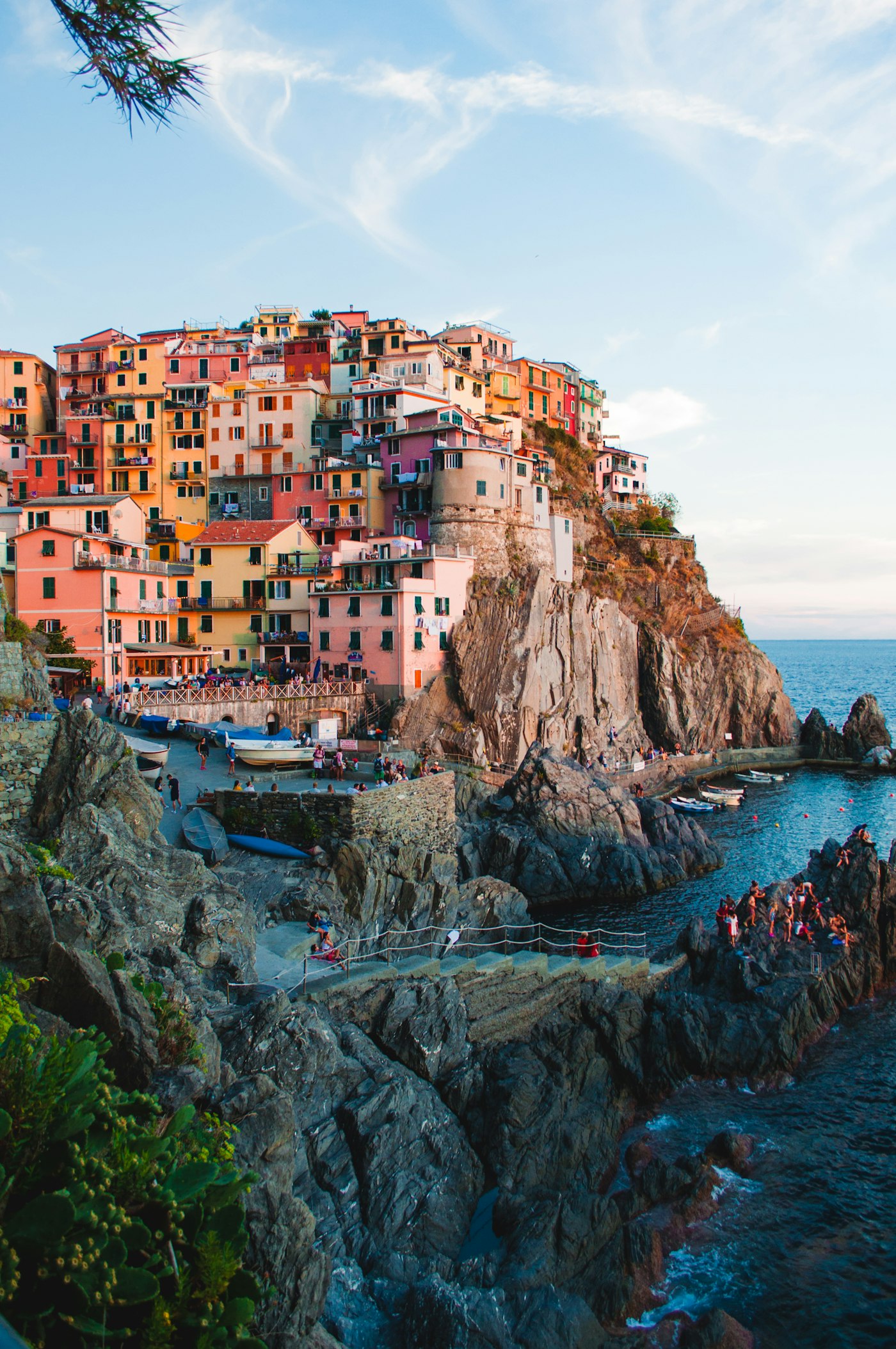
Milan is the engine of the market, with the deepest pool of language academies, the most business English work and the highest rents to match. Rome has a steady flow of academy and international school roles, but at a slower pace. Florence and Bologna are popular with teachers who want culture and a student-heavy population, while Turin and the northern industrial cities have a quieter but real business English scene. The south, including Naples and Sicily, is cheaper to live in and lovely, but the job market is thinner and more seasonal, so it suits teachers who already have some income lined up.
Wherever you land, the pattern holds: bigger northern cities mean more jobs and higher costs, southern cities mean lower costs and fewer roles. Our full guide to teaching English in Italy covers the day-to-day of living there, from finding a flat to settling in, alongside this post on the rules and routes.
Is teaching English in Italy worth it?
For the right person, absolutely. Italy suits teachers who want to live in one of the most beautiful countries in Europe, who value lifestyle over a big pay packet, and who are willing to do the legwork, both with the visa paperwork if they are non-EU and with the in-person job hunt. It suits savers less well but rewards patience.
Two practical points before you commit. Sort your qualification and your documents first, because employers and visa files both want to see them and a legalised copy of a degree takes time. And if you are non-EU, decide your route early, because the student visa and the work permit run on very different timelines. If you are still comparing destinations, our roundup of countries hiring TEFL teachers right now is a sensible next stop.
Ready to qualify for a teaching job in Italy?
Italian employers want a certificate they can check, so start there. The 120 Hour Advanced TEFL Course meets the standard entry requirement for language academy roles, and the Ofqual-regulated Level 5 TEFL Diploma is the stronger option if international schools or universities are your target. The TEFL Institute is Europe’s largest TEFL trainer by teachers certified, having certified 161,000 teachers since 2017 who have gone on to teach in 80 countries, and every certificate carries a number that an employer can verify. We hold a 4.7 rating from 488 verified reviews, and you can read how our guides are researched and checked in our Editorial Charter before you spend a penny.

Ian O’Sullivan
Founder of The TEFL Institute Group. Ian started the Institute in 2017 to bring honesty to TEFL training and has spent over twenty years in the field, building it into the largest TEFL trainer in the EU, with 161,000 graduates teaching across 80 countries.
We love taking your call.

TEFL Institute guides
Plan for 2027
Estonia
Jobs, pay and work routes
Read the guide
Plan for 2027
Taiwan
Buxibans, pay and visas
Read the guide
Plan for 2027
Cambodia
Pay, requirements and visas
Read the guide
Plan for 2027
Thailand
Visas and teaching licences
Read the guide
Plan for 2027
Mexico
Jobs, pay and cities
Read the guide
Yes, but not as easily as before. Since Brexit, UK passport holders are treated as non-EU nationals, so freedom of movement no longer applies. British teachers now need a student visa, an employer sponsored work permit, or a working holiday route where eligible, like other non-EU applicants.
Not for most private language academies, which will hire a strong non-graduate holding a recognised TEFL certificate. A degree is usually required by international schools, universities and for many work visa routes, so it widens your options considerably even where it is not strictly demanded.
Pay is modest. Private language academies typically pay around 1,000 to 1,500 euro a month, private tutoring runs about 15 to 30 euro an hour, and international schools pay more. Much of the market is part-time or hourly, so many teachers combine a contract with extra tutoring.
A 120 hour TEFL certificate is the practical minimum that academies expect. An Ofqual regulated Level 5 TEFL diploma is stronger, sitting on the UK regulated framework at the same level as well known classroom courses, which helps with international schools, universities and visa files.
Most academy hiring happens in person from late August into September, ahead of terms that often run October to June, with a smaller wave in January. Being in the country with your certificate and CV ready gives you a much better chance than applying from abroad.