United Kingdom (UK)
 United States (US)
 Canada
 South Africa
 India
 Australia
 New Zealand
 China
 Russia
 Germany
 France
 Spain
 Netherlands
 Vietnam
 United Arab Emirates
 Italy
 Poland
 Thailand
 Türkiye






 Algeria


The teacher salary in South Africa starts at R169,707 a year, about R14,142 a month before deductions, on the 2026 scale that took effect on 1 April 2026. The scale then rises by notch and qualification level, so your pay depends on your REQV level and your notch, not on a single national figure.
Our academic team hears from South African teachers every week who are comparing home pay with a TEFL career abroad. To compare fairly, you first need the real figures. This guide sets out the gazetted 2026 scale as reported, explains how notches and REQV levels work, and shows where TEFL fits. It sits under our main guide to the free TEFL certificate.
Key takeaways
- Public school salary scales rose by 4% with effect from 1 April 2026 for all employees under the Employment of Educators Act.
- The lowest notch, 001, pays R169,707 a year in 2026, up from R163,179 in 2025, which is about R14,142 a month before deductions.
- The highest notch, 432, pays R1,326,822 a year, about R110,569 a month, and applies to the top principal category.
- A classroom teacher at REQV 14 to 17 earns between R366,051 and R794,151 a year across notches 164 to 326.
- Pay is organised into 432 notches that vary by REQV, the Relative Education Qualification Value.
- For comparison with teaching abroad, our Salary Index lists official pay by country, dated and sourced.
What is the starting teacher salary in South Africa in 2026?
The starting salary is R169,707 a year at notch 001. That works out at about R14,142 a month before deductions. The increase follows a gazette notice from the Minister of Basic Education, based on Public Service Co-ordinating Bargaining Council Resolution 1 of 2025, and applies from 1 April 2026.
The 2025 figure for the same notch was R163,179. Reports on the notice put the rise at 4%, and the scales run from that entry notch up to the principal categories.
How do notches and REQV levels work?
Your notch and your REQV level decide your pay, so check both. The system has 432 notches, and each REQV level has its own range. REQV is built on years of study after matric: REQV 13 is a three-year qualification such as a teaching diploma (it is also the minimum for registration with SACE, the South African Council for Educators), and REQV 14 is a four-year qualification such as a B.Ed or a degree plus a PGCE. REQV 10 to 12 cover matric plus up to two years of teacher training. Higher levels add honours, master’s and doctoral study.
| Role | Lowest notch and salary a year | Highest notch and salary a year |
|---|---|---|
| Teacher, REQV 10 to 12 | Notch 001: R169,707 | Notch 106: R278,727 |
| Teacher, REQV 13 | Notch 108: R281,319 | Notch 268: R600,504 |
| Teacher, REQV 14 to 17 | Notch 164: R366,051 | Notch 326: R794,151 |
| Master Teacher, REQV 14 to 17 | Notch 232: R505,302 | Notch 326: R794,151 |
| Departmental Head | Notch 210: R452,649 | Notch 392: R1,094,826 |
Figures as reported from the 2026 gazette notice, checked on 19 November 2026. Amounts are before deductions. Confirm your own notch with your employer or the Department of Basic Education.
School leaders sit higher. The reported range for the top principal category runs from R892,764 to R1,326,822 a year.
What does the scale pay per month?
Divide each annual figure by 12 to get the monthly amount before deductions. The entry and top monthly figures are the ones reported with the gazette notice. The others are our own division of the reported annual figures, rounded to the nearest rand.
| Role | Lowest notch, per month | Highest notch, per month |
|---|---|---|
| Teacher, REQV 10 to 12 | R14,142 (notch 001) | R23,227 (notch 106) |
| Teacher, REQV 13 | R23,443 (notch 108) | R50,042 (notch 268) |
| Senior Teacher, REQV 13 | R35,970 (notch 200) | R50,042 (notch 268) |
| Teacher, REQV 14 to 17 | R30,504 (notch 164) | R66,179 (notch 326) |
| Master Teacher, REQV 14 to 17 | R42,108 (notch 232) | R66,179 (notch 326) |
| Departmental Head | R37,721 (notch 210) | R91,236 (notch 392) |
| Principal, highest category (P5) | R74,397 (notch 350) | R110,569 (notch 432) |
Monthly figures are annual pay divided by 12, before tax and other deductions. Your payslip will show less, and the exact deductions depend on your circumstances.
Three patterns stand out. A newly qualified teacher on the lowest notch earns R14,142 a month, while the same role at REQV 13 starts at R23,443, so the qualification level moves your starting point more than a single year of experience does. Within one band, pay rises notch by notch: a REQV 13 teacher moves from R23,443 to R50,042 a month between notch 108 and notch 268. And promotion matters, because a Departmental Head starts at R37,721, above the REQV 13 teacher’s midpoint.
How does pay move as you gain experience?
Pay moves up the notches, and each REQV band has its own start and finish. The reported ranges show how wide the spread is. At REQV 14 to 17 a teacher can move from R366,051 to R794,151 a year, which is more than double. At REQV 10 to 12 the range is much narrower, R169,707 to R278,727, because the band ends at notch 106.
That is why two teachers with the same years of service can earn very different amounts. Check three things on your own payslip: your REQV level, your notch and your post level. Confirm how notch progression works for you with your employer or the Department of Basic Education, because the rules for moving up are set by the employer and are not covered by the figures here.
How do you read the scale for your own situation?
Use this short checklist before you compare yourself with any figure.
- Find your REQV level on your appointment letter or payslip.
- Find your current notch.
- Look up your band in the table above and note the annual and monthly range.
- Add any allowances your employer pays, which are not part of these scale figures.
- Subtract tax and other deductions to reach take-home pay.
Only after that is the comparison with pay abroad fair, because overseas figures are often quoted before or after tax on different terms.
How were these figures gathered?
The 2026 increase comes from a Government Gazette notice dated 29 May 2026, issued under the Employment of Educators Act, which adjusts the scales that applied up to 31 March 2025 by 4% from 1 April 2026 (Schedules 1 and 2 of the notice hold the scales). We could not open the gazette schedules directly, so every notch figure above is taken from published reports of the notice, and the entry figure (R169,707, up from R163,179) matches across them. Monthly amounts are annual pay divided by 12 and rounded to the nearest rand. The top figure is a good example of why rounding matters: R1,326,822 divided by 12 is R110,568.50, which some outlets print as R110,568 and others as R110,569.
Every TEFL opening, salary and deadline that matters.
In your inbox every two weeks. Free, no spam, unsubscribe any time.
Teacher pay by country
New TEFL openings
Programme and visa dates
Hiring windows close while you scroll.
Deadlines, salaries and visa notes for teaching jobs worldwide, checked against official sources and sent free every two weeks.
Get on the WireThe REQV definitions come from the national policy on evaluating qualifications (Notice 935 of 2000) and SAQA material. We checked the figures on 19 November 2026 and will review them when the next government adjustment is published.
Where does a TEFL certificate fit in?
A TEFL certificate is not a South African teaching qualification, so it does not change your notch. Public schools place educators by REQV, which reflects diplomas and degrees. A TEFL certificate does, however, open teaching work abroad and online, which are paid on different scales.
To see what that pay looks like, check the Salary Index, which shows official pay by country, and the Visa Desk for entry rules. Our guide to jobs abroad for South Africans covers EPIK and JET, and the best TEFL certification to teach English online covers online platforms.
How do you compare home pay with pay abroad fairly?
Compare the same things on both sides. Look at annual pay before tax, then add or subtract housing, flights, contract length and the cost of living. A salary that looks smaller abroad can leave you with more once rent is covered, and one that looks larger can be eaten up by costs. Use official figures, dated and sourced, and treat advertised ranges with caution.
If you want to qualify for work abroad, you can see the courses on our South African course page and check them with our guide to what Ofqual regulation means.
Teacher salary in South Africa: where should you start?
Start by finding your notch and REQV level, then compare it with an official figure for the country you are considering. If you want options beyond home, begin with a recognised TEFL certificate and check the rules for your destination.
See TEFL courses for South Africa
Read next: our main guide, TEFL certificate free: what you really get and how to check it, plus the South African course page.
Last reviewed: 19 November 2026
Sources: The Citizen, quoting the 29 May 2026 gazette notice (2 June 2026), Notice 935 of 2000, evaluation of qualifications and REQV, SAQA, teacher qualification comparison (2020), IOL, How much South African teachers will earn after the latest salary increase (4 June 2026), BusinessTech, How much teachers get paid in South Africa in 2026 (1 June 2026), IOL, How much do teachers earn in South Africa in 2026 (3 September 2026).
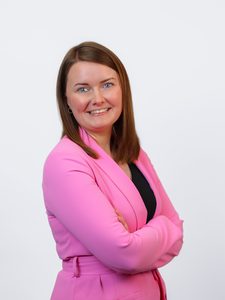
Reviewed by Jessica Jeffery
Recruitment and Partnerships Specialist at The TEFL Institute Group. Jessica holds a business degree plus TEFL and CELTA, has taught in Thailand and Italy, and helps students find high-quality jobs and internships.
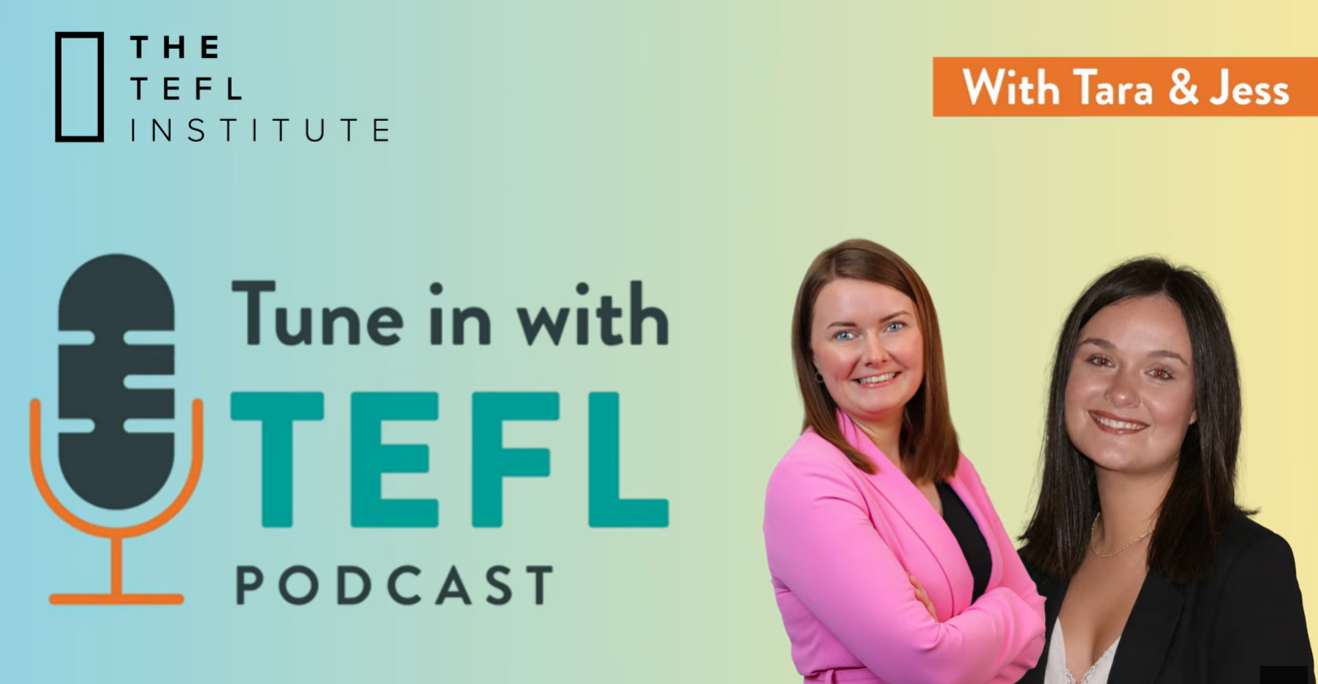
Tara and Jess talk through different TEFL and EFL topics, from finding work abroad to life in the classroom.
FAQs
Questions students ask us
On the 2026 scale, the lowest notch, 001, pays R169,707 a year, about R14,142 a month before deductions. It took effect on 1 April 2026.
Reports on the gazette notice put the adjustment at 4% from 1 April 2026. The entry notch moved from R163,179 in 2025 to R169,707.
REQV is the Relative Education Qualification Value. It reflects an educator’s qualifications and decides which notch range applies, with levels 10 to 12 for matric and some training, and 13 and above for diplomas and degrees.
The highest notch, 432, pays R1,326,822 a year, about R110,569 a month, and applies to the top principal category. Classroom teachers earn less, up to R794,151 at REQV 14 to 17.
Not by itself. Public schools place educators by REQV, which reflects diplomas and degrees. A TEFL certificate opens teaching work abroad and online, paid on separate scales.
Compare annual pay before tax, then adjust for housing, flights and living costs. Our Salary Index shows official pay by country, dated and sourced.