United Kingdom (UK)
 United States (US)
 Canada
 South Africa
 India
India Australia
 New Zealand
 China
China Russia
 Germany
 France
 Spain
Spain Netherlands
 Vietnam
 United Arab Emirates
 Italy
Italy Poland
 Thailand
 Türkiye











 Algeria


Usually not. A DBS check is designed for work in England and Wales. Employers and visa offices overseas normally ask for a UK police certificate from the ACRO Criminal Records Office instead, and many then require it legalised with an apostille.
Do You Need a DBS Check to Teach English Abroad?
Do You Need a DBS Check to Teach English Abroad?
Usually not. A DBS check covers work in England and Wales, so employers and visa offices abroad almost always ask instead for a UK police certificate issued by ACRO, often legalised with an apostille.
Key takeaways
- A DBS check is a domestic document. It is built for roles inside England and Wales.
- Overseas employers and visa offices normally want a police certificate from the ACRO Criminal Records Office.
- GOV.UK is explicit that a DBS check has no official expiry date, but employers set their own limits.
- Many countries will not accept the certificate until it carries an apostille from the Legalisation Office.
- The apostille, not the certificate, is usually what makes people miss their start date.
The figures we checked, and the one we could not
Every figure below was read from GOV.UK on 30 September 2026.
| What | The figure | Where it comes from |
|---|---|---|
| Cost of a basic DBS check | £21.50 | GOV.UK |
| Processing time, basic DBS check | Usually up to 3 days, then posted | GOV.UK |
| Minimum age to apply for a basic check | 16 | GOV.UK |
| Does a DBS check expire | “A DBS check has no official expiry date” | GOV.UK |
| Levels of DBS check | 4: basic, standard, enhanced, enhanced with barred lists | GOV.UK |
| Apostille, standard service | £45, plus courier or postage costs | GOV.UK |
| Apostille, standard turnaround | Usually up to 25 working days, plus postage | GOV.UK |
| Apostille, premium service | £100, same day, registered businesses only, pre-approved | GOV.UK |
| Fee and turnaround for an ACRO police certificate | Not stated here. Check ACRO directly. | ACRO Criminal Records Office |
The last row is deliberate. We could not read ACRO’s published fee and processing times from its own site on the day of writing, and we would rather leave a gap than print a figure we have not verified. Take those two numbers from ACRO’s own police certificates page on the day you apply, because both change.
How to cite this: The TEFL Institute, “Do You Need a DBS Check to Teach English Abroad? UK Criminal Record Checks Explained”, teflinstitute.com, 30 September 2026. Fees and timescales checked against GOV.UK on 30 September 2026. Figures apply to England and Wales and change without much notice, so confirm them before you apply.
What a DBS check actually is
The Disclosure and Barring Service is the body that issues criminal record checks for work in England and Wales. A check tells an employer what is on your record, at a level of detail that depends on the role you are applying for. Scotland and Northern Ireland run their own equivalents through Disclosure Scotland and AccessNI.
That geography is the whole point, and it is where the confusion starts. The DBS system exists to help UK employers decide whether you are suitable for a UK role, particularly one involving children or vulnerable adults. Nothing in its design contemplates a school in Hanoi or a visa office in Seoul, and neither is obliged to recognise it.
If your teaching plans are domestic, including online teaching to UK-based learners through an agency, a DBS check is very likely the document you need. If your plans involve a work visa, read on, because the answer changes.
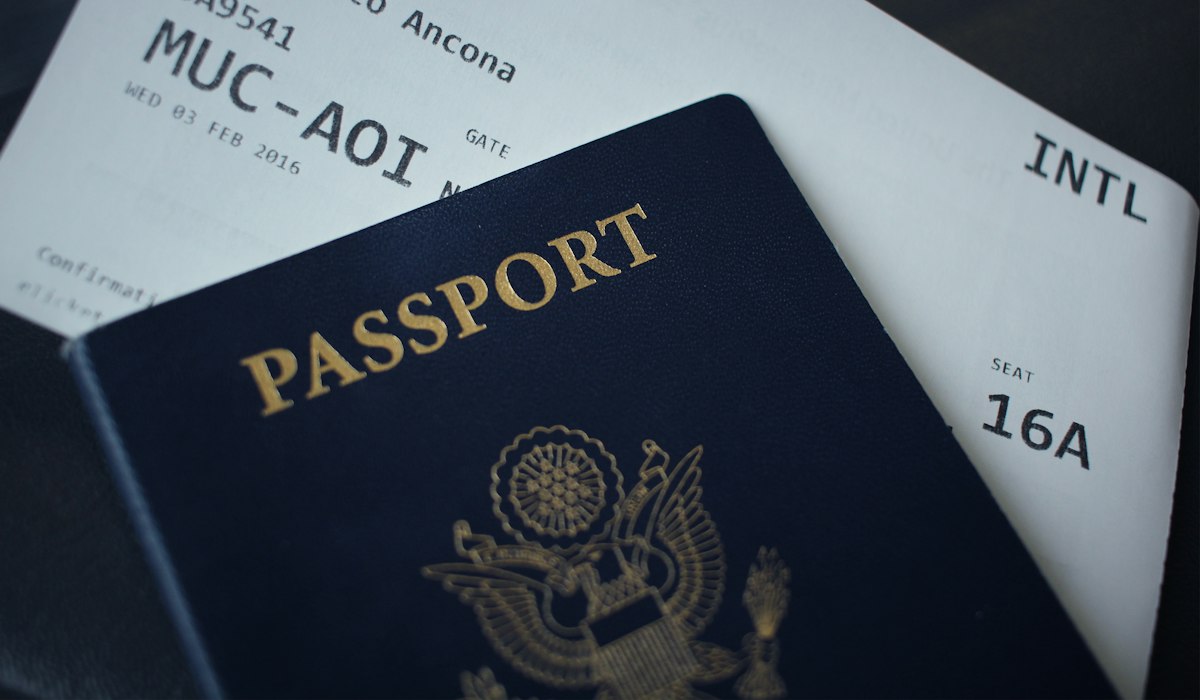
The four levels of DBS check
GOV.UK sets out four levels, and the differences matter because an employer abroad who asks for “a DBS” often has no idea which one they mean.
| Level | What GOV.UK says it shows |
|---|---|
| Basic | “Unspent convictions and conditional cautions” |
| Standard | “Spent and unspent convictions and cautions” |
| Enhanced | The same as standard, plus “any information held by local police that’s considered relevant to the role” |
| Enhanced with barred lists | The same as enhanced, plus whether you are on the list of people barred from that role |
The practical catch is who may apply. GOV.UK states that checks are requested by an employer, a voluntary organisation, or a third party acting for one, and that applicants can sometimes request an enhanced check for themselves. The basic check is the one an individual can straightforwardly buy for their own purposes, which is why it is the level most teachers end up with.
So if a recruiter abroad asks for an enhanced DBS check and you have no UK employer to request it, you are not being difficult when you say you cannot simply order one. Explain the constraint early and offer the ACRO certificate instead. That conversation goes better at the application stage than two weeks before a flight.
Does a DBS check expire?
Formally, no. GOV.UK is unambiguous: “A DBS (Disclosure and Barring Service) check has no official expiry date.”
In practice, that sentence misleads people. A certificate is a snapshot of the day it was issued, and every employer is free to decide how old a snapshot they will accept. Schools and visa offices overseas commonly want a document issued within the last three or six months, and they will not care that the paper itself never technically expires.
The rule of thumb is simple. Do not order your check the moment you start thinking about teaching abroad. Order it when you have a destination in mind and know what that destination asks for, because a certificate that sat in a drawer for a year is often worth nothing to the person reviewing your file.
What employers and visa offices abroad ask for instead
For UK applicants, the document that usually travels is a police certificate from the ACRO Criminal Records Office. It is designed for exactly this purpose: proving the state of your criminal record to an authority outside the United Kingdom, most often as part of a visa or residence application.
This is the single most common mistake in the paperwork. A teacher buys a basic DBS check, sends it to an employer abroad, and is told weeks later that it is the wrong document. The money is not large. The lost time usually is, because the replacement process then starts from zero with a start date that has not moved.
Two things are worth doing before you spend anything. Ask your employer, in writing, for the exact name of the document they need. Then check the same question with the embassy or consulate handling your visa, because the employer’s HR team and the immigration rules do not always agree, and the immigration rules win.

The apostille step almost everyone forgets
Getting the certificate is only half of it. Many countries will not accept a UK document until it has been legalised, which in practice means an apostille.
GOV.UK explains that the Legalisation Office checks the document and, if the signatures and stamps match its records, attaches “an ‘apostille’ (stamped official certificate)”. The standard service costs £45 plus courier or postage, and takes “usually up to 25 working days, plus courier or postage time”. There is a premium same-day option at £100, but it is restricted to registered businesses and every application must be pre-approved, so it is not a route most individual teachers can use.
Twenty-five working days is five weeks. Add the time to obtain the certificate itself, and the paperwork alone can occupy two months before a single visa form is submitted. That is the number to plan around, and it is the reason people miss intakes.
One more detail worth confirming early: GOV.UK advises contacting whoever is asking for the legalised document to check whether they need the original or a certified copy. Getting that wrong means starting the twenty-five days again.
Working backwards from your start date
Most teachers plan forwards from today. Paperwork rewards planning backwards from the first day of term.
| Step | What it involves | Allow |
|---|---|---|
| 1. Confirm the document | Ask the employer and the embassy which certificate, and how recent | A few days |
| 2. Apply for the certificate | ACRO for overseas use, or a basic DBS check for UK roles | Check current times before applying |
| 3. Legalise it | Apostille from the Legalisation Office, if your destination requires one | Up to 25 working days |
| 4. Translate it | Some countries require a certified translation after legalisation | Ask the embassy |
| 5. Submit the visa application | With the certificate inside its acceptable age window | Set by the destination |
Notice the tension built into that sequence. Steps two to four eat months, while the certificate is often required to be recent. Start too early and it goes stale; start too late and you miss the intake. The way out is to fix your destination and its rules first, then start the clock deliberately rather than hopefully.
DBS, ACRO and Garda vetting at a glance
| Document | Who issues it | What it is normally for |
|---|---|---|
| DBS check | Disclosure and Barring Service | Roles in England and Wales |
| ACRO police certificate | ACRO Criminal Records Office | Proving your record to an authority outside the UK |
| Disclosure Scotland | Disclosure Scotland | Roles in Scotland |
| AccessNI | AccessNI | Roles in Northern Ireland |
| Garda vetting | An Garda Síochána, through a registered organisation | Roles in Ireland involving children or vulnerable adults |
If you hold more than one nationality, or have lived in more than one of these jurisdictions, expect to be asked for more than one document. A visa office generally wants a check from every country you have lived in for a meaningful period, not only the one that issued your passport.
Where your TEFL qualification fits
A criminal record check and a teaching qualification answer different questions, and both get asked. The check tells an employer whether they can hire you. The qualification tells them whether they should.
That second question is where the level of your certificate starts to matter, because an employer abroad cannot easily verify a course they have never heard of. A qualification whose level and awarding body can be looked up on a public register is worth considerably more in a visa file than one that simply describes itself as accredited. Our guides to what Ofqual regulation actually means and who actually issues your TEFL certificate explain how to tell the difference in a couple of minutes.
For the full map of which acronym means what, and which ones employers ask about, our guide to TEFL qualifications and terminology covers the lot in one place.
Your Next Step
Do the cheap thing first. Before you order any certificate, get the exact document name from your employer and the embassy in writing, and note how recent it has to be on the day you submit. That single email saves more teachers more money than anything else on this page.
Then make sure the qualification going into the same file is one an employer can verify independently. Our Ofqual regulated Level 5 TEFL course sits on a public register, so a school or a visa office can look it up rather than take your word for it.
We love taking your call.

TEFL Institute guides
Plan for 2027
China
Z visa, pay and cities
Read the guide
Plan for 2027
Japan
JET, ALT and eikaiwa pay
Read the guide
Plan for 2027
Vietnam
Work permits and requirements
Read the guide
Plan for 2027
Germany
Freelance work and pay
Read the guide
Plan for 2027
Czech Republic
Pay, visas and cities
Read the guide
No. They are different documents, issued by different bodies, for different purposes. The Disclosure and Barring Service issues DBS checks for roles based inside England and Wales. The ACRO Criminal Records Office issues police certificates for people who need proof of their record overseas.
GOV.UK states that a basic DBS check costs 21.50 pounds, and that it usually takes up to three days to process, after which a paper certificate is posted out to you. You must be at least sixteen years old to apply for one.
GOV.UK is explicit that a DBS check has no official expiry date. Employers decide for themselves how recent a check they are willing to accept, and many overseas schools and visa offices set their own limit, which is often six months.
An apostille is a stamped certificate the Legalisation Office attaches to confirm a UK document is genuine. Many countries require one before they will accept a police certificate. The standard service costs 45 pounds and usually takes up to 25 working days.
Sometimes, but do not assume it. Visa offices set their own rules and most UK applicants are asked for an ACRO police certificate rather than a DBS check. Confirm the exact document with your employer and the embassy before applying.