
 United Kingdom (UK)
 United States (US)
 Canada
 South Africa
 India
India Australia
 New Zealand
 China
China Russia
 Germany
 France
 Spain
Spain Netherlands
 Vietnam
 United Arab Emirates
 Italy
Italy Poland
 Thailand
 Türkiye








 Algeria


For the full picture on pay, visas and living costs, see our complete guide to teaching English in Georgia.
Quick Answer: Best TEFL Certification for Teaching English in Eurasia (2026)
TEFL Institute’s Ofqual Level 5 Diploma (180 hours) is the top-recommended qualification for Eurasia in 2026, recognised as equivalent to CELTA across all 8 countries — Turkey, Kazakhstan, Georgia, Azerbaijan, Kyrgyzstan, Uzbekistan, Tajikistan, and Armenia — at a fraction of the cost ($300–$1,500 vs $1,500–$2,500 for CELTA).
- Kazakhstan pays the most: $3,500–$5,000/month + flights, housing & insurance (Level 5 TEFL essential)
- Turkey: $800–$2,000/month; prefers Level 5 Diploma; non-native speakers need IELTS 7.0+ or TOEFL 100+
- Georgia & Armenia: $800–$1,500/month with ultra-low living costs ($400–$700/month) — ideal for first-timers
- Central Asia (Kyrgyzstan, Uzbekistan, Tajikistan): $400–$1,000/month; no degree required; 120-hour TEFL sufficient
- Level 5 Diploma premium: adds $200–$800/month across all 8 countries vs 120-hour certificate holders
- Young Learners specialist: adds $100–$300/month (most Eurasian positions involve children)
- Savings range: $100–$3,500/month depending on country; Kazakhstan 2-year total up to $84,000
2026 Market Update (Last Reviewed: March 2026): Eurasia’s English teaching market is expanding rapidly in 2026. Kazakhstan’s international school sector continues to grow, with ADEK-equivalent national programmes hiring at record levels in Astana and Almaty. Turkey’s education reform agenda is driving demand across Istanbul, Ankara, and Izmir, with 15%+ increase in private language school enrolment since 2023. Georgia’s government English promotion programme has attracted 30% more foreign teachers year-on-year. Uzbekistan’s borders remain open to foreign teachers following 2022 liberalisation, with university positions up 25% since 2024. Azerbaijan’s energy-sector corporate English training market continues to grow with Baku hosting more multinationals. The Level 5 TEFL Diploma’s Ofqual regulation is now specifically recognised by Kazakhstan’s Ministry of Education as equivalent to CELTA for international school hiring. All salary figures reflect verified 2026 market data.
Published: 9 January 2026 | Last Updated: 9 January 2026
The region offers remarkable value. Kazakhstan combines near-Middle East salaries with Central Asian authenticity; Kyrgyzstan, Tajikistan, and Uzbekistan offer ultra-low costs, enabling substantial savings despite modest salaries; Turkey bridges Europe and Asia with moderate compensation and a cosmopolitan lifestyle; Georgia and Armenia provide emerging opportunities with welcoming locals and stunning environments. This comprehensive 2026 guide breaks down which TEFL qualifications you need for each Eurasian country, what you’ll earn, which certifications command premium salaries, and how TEFL Institute’s Ofqual Level 5 Diploma compares to alternatives.
Eurasian TEFL Requirements: What You Need
Quick answer: Most Eurasian countries require or prefer a 120-hour TEFL certificate; degree requirements vary. Kazakhstan and Azerbaijan prefer degrees plus experience; Kyrgyzstan, Tajikistan, and Uzbekistan don’t require degrees. TEFL Institute’s Ofqual Level 5 Diploma (180 hours) increases earning potential by $200-$800 monthly across all countries.
Eurasian requirements vary more than those of other global regions, offering both flexibility and opportunities. Here’s the breakdown:
| Country | Degree Required | TEFL Certificate | Teaching Experience | Salary Range (USD) |
|---|---|---|---|---|
| Turkey | Yes (preferred) | Required (120hrs+) | Preferred | $800-$2,000/month |
| Kazakhstan | Yes (required) | Preferred (120hrs+) | Preferred (2+ years) | $3,500-$5,000/month |
| Georgia | No (preferred) | Recommended (120hrs) | Not required | $800-$1,500/month |
| Azerbaijan | Yes (preferred) | Required (120hrs+) | Preferred (2+ years) | $1,000-$2,000/month |
| Kyrgyzstan | No | Required (120hrs) | Not required | $400-$800/month |
| Uzbekistan | No | Required (120hrs) | Not required | $500-$1,000/month |
| Tajikistan | No | Required (120hrs) | Not required | $400-$800/month |
| Armenia | No (preferred) | Recommended (120hrs) | Not required | $600-$1,200/month |
Key distinctions: Kazakhstan and Azerbaijan require degrees plus prefer experience; these are professional markets. Turkey prefers degrees and experience, but can accept first-timers with strong qualifications. Georgia, Armenia, and the Central Asian countries (Kyrgyzstan, Tajikistan, Uzbekistan) don’t require degrees, making Eurasia accessible for career changers. TEFL certification is universally valued.
TEFL Institute’s Ofqual Level 5 Diploma (180 hours, equivalent to CELTA) dramatically increases competitiveness, particularly in Kazakhstan and Azerbaijan, where professional qualifications command respect. In Central Asian countries, Level 5 TEFL qualifies you for university and premium school positions, paying $200-$800 monthly, more than 120-hour certificate holders.
Best TEFL Certifications for Each Eurasian Country
Turkey: Bridging Continents and Cultures
Best TEFL for Turkey: A 120-hour TEFL certificate is sufficient; a Level 5 Diploma is preferred for better positions. Teachers earn $800- $2,000 per month. Turkey uniquely requires non-native speakers to prove C1 English fluency through IELTS/TOEFL. The country bridges Europe and Asia, combining Mediterranean culture with business opportunities.
Turkey presents unique opportunities and challenges. Istanbul, Ankara, and Izmir host thousands of teaching positions across language schools, international schools, and universities. The Turkish economy integrates with European markets, creating professional teaching environments. The cost of living is moderate ($600-$1,000 monthly), allowing for $200-$800 in monthly savings on typical salaries. Key distinction: Turkey explicitly accepts non-native English speakers if they prove C1 proficiency (IELTS 7.0+ or TOEFL 100+)—unique globally.
Recommended TEFL certifications for Turkey:
- 120-Hour Advanced TEFL – Sufficient for private language schools and entry-level positions
- Level 5 TEFL Diploma – TEFL Institute’s Ofqual-regulated TEFL diploma opens doors to international schools and universities, paying $1,500-$2,000
- Business English specialist – Valuable in Istanbul’s corporate sector
Private language schools charge $800-$1,200 per month. International schools and universities offer $1,500-$2,000+ for Level 5 diploma holders. Cost of living varies: Istanbul is expensive ($1,000-$1,500 monthly), whilst Ankara and Izmir are more affordable ($600-$900). Turkey is excellent for teachers comfortable in Muslim-majority countries, whilst maintaining secular, cosmopolitan lifestyles.
Kazakhstan: Highest Eurasian Salaries and Modern Development
Best TEFL for Kazakhstan: TEFL Institute’s Level 5 Diploma (180 hours) is essential. Teachers earn $3,500- $5,000 per month plus comprehensive benefits (flights, housing, insurance). Kazakhstan, booming from oil wealth and positioned as Central Asia’s most developed economy, offers near-Middle East salaries combined with Central Asian adventure.
Kazakhstan represents Eurasia’s premier high-income opportunity. Astana (the modernist capital), Almaty (the largest city), and Atyrau (an oil hub) host international schools, universities, and multinational corporations that recruit qualified teachers. The education system prioritises English as the second language, in line with Kazakhstan’s government policy. International schools offer world-class infrastructure, motivated students, and professional working conditions. Benefits packages rival Gulf states: flights, housing, health insurance, and end-of-contract bonuses.
Recommended TEFL certifications for Kazakhstan:
- Level 5 TEFL Diploma – TEFL Institute’s Ofqual-regulated diploma essential for international schools and university positions
- Teaching experience (2+ years) – Strongly preferred; first-timers should target language schools
- Specialist certifications – Business English is valuable in oil companies and corporate training
International schools charge $4,000-$5,000+ per month, with comprehensive benefits. Language schools and universities pay $2,500-$4,000. Cost of living is high ($700-$1,200 monthly in Astana), but tax treatment and benefits make absolute savings extraordinary, $2,000-$3,500 monthly. Kazakhstan appeals to teachers seeking high income, professional development, and a Central Asian base for regional exploration.
Georgia: Emerging Opportunity and Caucasus Beauty
Best TEFL certification for Georgia: 120-hour TEFL certificate sufficient; Level 5 Diploma preferred. Teachers earn $800- $1,500 per month. Georgia is an emerging TEFL market with a welcoming expat community, stunning landscapes, affordable living, and genuine opportunities for first-time teachers.
Georgia has emerged as one of Eurasia’s most accessible teaching destinations. Tbilisi, Georgia’s capital, combines historical architecture, vibrant culture, excellent wine, affordable cost of living, and thriving expat communities. The Georgian government promotes English education, and language schools and international schools actively recruit. Teachers consistently report excellent quality of life despite modest salaries, thanks to low costs. Unlike conservative Muslim-majority neighbours, Georgia is Christian and culturally progressive.
Recommended TEFL certifications for Georgia:
- 120-Hour Advanced TEFL – Competitive for language schools and entry-level positions
- Level 5 TEFL Diploma – TEFL Institute’s Ofqual-regulated diploma opens doors to international schools and universities
- Young Learners specialist – Most positions involve children
Language schools pay $800- $1,000 per month. International schools and universities offer $1,200- $1,500 to Level 5 diploma holders. Georgia’s cost of living is ultra-low ($400-$600 monthly), allowing teachers to save $400-$800 monthly, exceptional value. Tbilisi’s food, wine, culture, and warm locals create a genuine quality-of-life appeal. Excellent option for teachers prioritising cultural immersion and experience over maximum earnings.
Azerbaijan: Baku’s Energy Sector and Modern Development
Best TEFL for Azerbaijan: TEFL Institute’s Level 5 Diploma (180 hours) strongly recommended. Teachers earn $1,000- $2,000 per month. Azerbaijan, an oil-rich nation undergoing rapid transformation, offers emerging opportunities alongside modern development. Baku represents one of Central Asia’s most modern cities.
Azerbaijan, centred on Baku’s energy sector, actively invests in education and English proficiency. The country is modernising rapidly with contemporary infrastructure and an international business presence. Teaching positions exist in international schools, private language academies, and universities. Baku offers a cosmopolitan lifestyle at affordable prices. The country is a Muslim-majority but historically secular.
Recommended TEFL certifications for Azerbaijan:
- Level 5 TEFL Diploma – TEFL Institute’s Ofqual-regulated diploma preferred for better positions
- 120-Hour Advanced TEFL – Sufficient for language schools
- Teaching experience (2+ years) – Preferred for international school positions
Language schools pay $1,000- $1,500 per month. International schools and universities offer $1,500- $2,000 to qualified teachers. Baku’s cost of living is moderate ($600-$900 monthly), allowing $500-$1,000 monthly savings. The city offers modern amenities, cultural experiences, and professional teaching environments. Azerbaijan appeals to teachers seeking emerging markets with growth potential and modern infrastructure.
Kyrgyzstan: Mountain Adventure and Ultra-Affordability
Best TEFL for Kyrgyzstan: 120-hour TEFL certificate sufficient; Level 5 Diploma preferred. Teachers earn $400- $800 per month. Kyrgyzstan offers extraordinary value: modest salaries combined with ultra-low cost of living enable comfortable lifestyles and realistic savings. The country is Eurasia’s most adventurous destination—dramatic alpine landscapes, friendly locals, and genuine cultural immersion.
Kyrgyzstan attracts teachers prioritising adventure and authenticity over maximum earnings. Bishkek, the capital, is vibrant and welcoming; Issyk-Kul Lake offers stunning natural beauty; and the mountain regions offer trekking and horseback riding. Teaching positions exist in language schools, secondary schools, and universities. The expat community is small but welcoming. Cost of living is ultra-low ($300-$500 monthly)—you live like royalty on a teaching salary.
Recommended TEFL certifications for Kyrgyzstan:
- 120-Hour Advanced TEFL – Competitive for most positions
- Level 5 TEFL Diploma – TEFL Institute’s Ofqual-regulated diploma opens university positions paying $600-$800
- Young Learners specialist – Most positions involve children
Language schools charge $400-$600 per month. Universities and secondary schools offer $600- $800 to Level 5 diploma holders. With a cost of living at $300-$500 monthly, teachers save $100-$400 monthly despite low absolute salaries, an exceptional value. Kyrgyzstan appeals to adventurous teachers, digital nomads, gap-year seekers, and those prioritising experience and savings over immediate earnings.
Uzbekistan: Ancient Silk Road Cities and Growing Opportunities
Best TEFL for Uzbekistan: 120-hour TEFL certificate sufficient; Level 5 Diploma strongly preferred. Teachers earn $500- $1,000 per month. Uzbekistan, increasingly open to foreigners, offers ancient cultural immersion alongside a growing demand for English-language teaching. Samarkand and Bukhara are among the world’s most historically significant cities.
Uzbekistan, home to the stunning Silk Road cities Samarkand, Bukhara, and Tashkent, combines extraordinary history with emerging teaching opportunities. The government has opened borders and promoted English education, creating increasing demand for teachers. Teaching positions exist in language schools, secondary schools, and universities. The cost of living is ultra-low ($400-$600 per month). The culture is warm and welcoming despite the initial complexity of the visa process.
Recommended TEFL certifications for Uzbekistan:
- 120-Hour Advanced TEFL – Competitive for language schools
- Level 5 TEFL Diploma – TEFL Institute’s Ofqual-regulated diploma opens university and premium school positions
- Young Learners specialist – Most positions involve children
Language schools charge $500-$700 per month. Secondary schools and universities offer $800- $1,000 to Level 5 diploma holders. Ultra-low cost of living ($400-$600 monthly) means realistic savings of $200-$500 monthly. Uzbekistan appeals to teachers prioritising immersion in ancient history, an authentic cultural experience, and a modest but sustainable income with strong saving potential.
Tajikistan: Pamir Wilderness and Remote Adventure
Best TEFL for Tajikistan: 120-hour TEFL certificate sufficient; Level 5 Diploma preferred. Teachers earn $400- $800 per month. Tajikistan is Eurasia’s most remote destination, offering ultimate adventure, authentic cultural immersion, dramatic landscapes (the Pamir Mountains), and ultra-low costs for those seeking genuine off-the-beaten-path experiences.
Tajikistan represents the most adventurous Eurasian option. Dushanbe, the capital, is small and authentic; the Pamir region offers some of the world’s most spectacular mountain scenery. Teaching positions exist but are fewer than in other countries, schools in Dushanbe and secondary cities. The expat community is tiny. The cost of living is ultra-low ($300-$500 per month). Teachers must be comfortable with limited expat infrastructure, occasional political tensions, and challenging logistics.
Recommended TEFL certifications for Tajikistan:
- 120-Hour Advanced TEFL – Sufficient for available positions
- Level 5 TEFL Diploma – TEFL Institute’s Ofqual-regulated diploma significantly improves competitiveness
- Young Learners specialist – Most positions involve children and teenagers
Language schools charge $400-$600 per month. Secondary schools and universities offer $600- $800 to Level 5 diploma holders. With a cost of living of $300-$500 per month, teachers save $100-$400 per month. Tajikistan appeals only to highly adventurous teachers comfortable with remote living, minimal expat structure, and prioritising authentic cultural immersion above comfort.
Armenia: Ancient Culture and Welcoming Communities
Best TEFL for Armenia: 120-hour TEFL certificate sufficient; Level 5 Diploma preferred. Teachers earn $600- $1,200 per month. Armenia, the world’s first Christian nation, combines ancient history, stunning mountain scenery, exceptional hospitality, and growing demand for English teaching. Yerevan offers a cosmopolitan atmosphere with genuine warmth.
Armenia represents an underrated Eurasian gem. Yerevan, the capital, combines Soviet-era architecture, modern cafes, a vibrant cultural scene, and remarkably welcoming locals. Teaching positions exist in language schools, secondary schools, and universities. The cost of living is low ($500- $700 per month). Armenia offers an excellent balance: higher salaries than in Kyrgyzstan/Tajikistan, lower costs than in Turkey/Georgia, and a genuinely warm cultural experience.
Recommended TEFL certifications for Armenia:
- 120-Hour Advanced TEFL – Competitive for most positions
- Level 5 TEFL Diploma – TEFL Institute’s Ofqual-regulated diploma opens better-paying university and international school positions
- Young Learners specialist – Most positions involve children
Language schools charge $600-$900 per month. Secondary schools and universities offer $900- $1,200 to Level 5 diploma holders. A cost of living of $500-$700 per month allows for realistic savings of $300-$600 per month. Armenia appeals to teachers seeking authentic cultural immersion, warm local hospitality, ancient history, and professional teaching environments with competitive compensation.
TEFL Institute Ofqual Level 5 Diploma: Premium Eurasian Qualification
Quick answer: TEFL Institute’s Ofqual-regulated Level 5 Diploma (180 hours) is the optimal qualification for Eurasian teaching. Equivalent to CELTA, significantly cheaper ($300-$1,500 versus $1,500-$2,500), and increases earning potential by $200-$800 monthly across all eight Eurasian countries.
The TEFL Institute’s Level 5 Diploma is the strategic choice for Eurasian teachers. This internationally-recognised, Ofqual-regulated qualification meets and exceeds requirements across Turkey, Kazakhstan, Georgia, Azerbaijan, Kyrgyzstan, Uzbekistan, Tajikistan, and Armenia. Here’s why it’s superior for the region:
Every TEFL opening, salary and deadline that matters.
In your inbox every two weeks. Free, no spam, unsubscribe any time.
Teacher pay by country
New TEFL openings
Programme and visa dates
Ofqual Regulation & International Recognition: TEFL Institute’s Level 5 Diploma is regulated by Ofqual (the Office of Qualifications and Examinations Regulation) and accredited by Highfield Qualifications at European Qualifications Framework Level 5. This independent government accreditation means Eurasian employers, educational ministries, and international schools recognise it as equivalent to CELTA. Professional credibility directly translates into competitive advantage across all markets.
Cost Advantage: TEFL Institute’s Level 5 Diploma costs $300-$1,500, compared to CELTA’s $1,500-$2,500. This $1,000- $2,000 in cost savings makes your TEFL investment more accessible while delivering the same professional recognition. The saved funds can be invested in specialist certifications (Young Learners, Business English) that boost earning potential by an additional $200- $400 per month.
Salary Premium: Across all eight Eurasian countries, Level 5 TEFL diploma holders earn $200- $800 more per month than 120-hour certificate holders. Entry-level positions pay $400-$800 monthly; Level 5 TEFL increases this to $600-$1,200 monthly, the same as CELTA recognition. In higher-paying countries like Kazakhstan, Azerbaijan, and Turkey, Level 5 TEFL opens positions paying $200-$500 more per month. This salary premium recovers your qualification investment within 6-12 months.
Practical Methodology: The 180-hour Level 5 Diploma covers teaching children, teenagers, and adults—the full range of demographics in Eurasian classrooms. Unlike CELTA’s adult-focused curriculum, Level 5 TEFL prepares you for diverse Eurasian teaching contexts, including secondary schools (primarily children/teenagers) and language centres (mixed ages). This practical focus directly translates into classroom effectiveness and employer satisfaction.
Career Advancement: TEFL Institute’s Level 5 Diploma qualifies you for university teaching positions paying $200-$400 monthly, more than secondary schools—positions unavailable to 120-hour certificate holders. It also creates pathways to advanced qualifications such as the Trinity Diploma in TESOL or TESOL master’s programmes, enabling long-term career progression throughout Eurasia and beyond.
Specialist Integration: TEFL Institute offers specialist certifications (Business English, Young Learners, Teaching Online, and Advanced Grammar) that build upon your Level 5 foundation. Eurasian employers specifically value Young Learners (essential given student demographics) and Teaching Online (enabling supplemental income). The bundled approach is more cost-effective than purchasing separate certifications.
For Eurasia-bound teachers, TEFL Institute’s Ofqual Level 5 Diploma is the optimal choice: internationally-recognised credentials, Ofqual regulation, superior cost-effectiveness, regional suitability, and proven salary increases make it the gold standard for the region.
Specialist TEFL Certifications for Eurasia
Quick answer: Young Learners adds $100- $300 per month across all countries (most positions involve children). Teaching Online adds $150- $300 in monthly supplemental income. Business English adds $150-$400 in Turkey and Kazakhstan. Specialist certifications increase annual earnings by $1,800-$4,800.
Young Learners (30-40 hours): Most valuable across all eight Eurasian countries since the majority of teaching positions involve children and teenagers. Adds $100-$300 monthly. Employers specifically seek Young Learners specialists.
Teaching Online (30-40 hours): Enables supplemental income through platforms paying international rates. Adds $150-$300 monthly for evening classes. Particularly valuable in lower-paying Central Asian countries (Kyrgyzstan, Tajikistan) where online rates ($15-$25 per hour) significantly exceed local language school rates ($10-$15 per hour).
Business English (30-40 hours): Valuable in Turkey and Kazakhstan, where corporate training sectors are robust. Adds $150-$400 monthly. International businesses hire specialist business English trainers at premium rates.
Advanced Grammar (30-40 hours): Valuable for university positions and advanced learners. Adds $100-$200 monthly.
Combine the TEFL Institute’s Level 5 Diploma with Young Learners to maximise your earning potential in Eurasia. A teacher with Level 5 TEFL plus Young Learners in Kazakhstan can earn $4,500-$5,500 monthly—compared to $3,500-$4,500 with just Level 5 alone.
Salary Comparison Across Eurasia
Quick answer: Salaries range from $400 to $5,000 USD per month. Kazakhstan leads at $3,500-$5,000. Turkey and Azerbaijan follow at $800-$2,000. Central Asia (Kyrgyzstan, Tajikistan, Uzbekistan) offers $400-$1,000 with an ultra-low cost of living.
| Country | 120hr TEFL | Level 5 TEFL Diploma | With Specialist Cert |
|---|---|---|---|
| Turkey | $800-$1,200 | $1,200-$1,600 | $1,400-$2,000 |
| Kazakhstan | $3,000-$3,500 | $3,500-$4,500 | $4,000-$5,000 |
| Georgia | $800-$1,000 | $1,000-$1,300 | $1,200-$1,500 |
| Azerbaijan | $1,000-$1,400 | $1,400-$1,700 | $1,600-$2,000 |
| Kyrgyzstan | $400-$600 | $600-$800 | $700-$1,000 |
| Uzbekistan | $500-$700 | $700-$900 | $800-$1,200 |
| Tajikistan | $400-$600 | $600-$800 | $700-$1,000 |
| Armenia | $600-$800 | $800-$1,000 | $1,000-$1,200 |
Upgrading from a 120-hour TEFL to a Level 5 TEFL Diploma adds $200-$500 monthly across all countries. Adding specialist certifications adds an additional $150-$400 per month. Over a two-year contract, these qualification investments yield $4,800-$19,200 in additional earnings, making them rapidly cost-positive investments.
Eurasian Savings Potential: The Reality
Quick answer: Eurasian savings range from $100 to $3,500 per month, depending on the country. Kazakhstan allows $2,000- $3,500 per month due to high salaries and benefits. Central Asia (Kyrgyzstan, Tajikistan, Uzbekistan) allows $300- $600 per month on modest salaries. Over two years, the realistic total savings range from $4,800 to $84,000.
| Country | Monthly Salary (Level 5) | Cost of Living | Monthly Savings | 2-Year Total Savings |
|---|---|---|---|---|
| Kazakhstan | $3,500-$4,500 | $700-$1,200 | $2,000-$3,500 | $48,000-$84,000 |
| Turkey | $1,200-$1,600 | $600-$1,000 | $300-$1,000 | $7,200-$24,000 |
| Azerbaijan | $1,400-$1,700 | $600-$900 | $600-$1,100 | $14,400-$26,400 |
| Georgia | $1,000-$1,300 | $400-$600 | $500-$900 | $12,000-$21,600 |
| Armenia | $800-$1,000 | $500-$700 | $200-$500 | $4,800-$12,000 |
| Uzbekistan | $700-$900 | $400-$600 | $200-$400 | $4,800-$9,600 |
| Kyrgyzstan | $600-$800 | $300-$500 | $200-$400 | $4,800-$9,600 |
| Tajikistan | $600-$800 | $300-$500 | $100-$500 | $2,400-$12,000 |
These savings figures assume Level 5 TEFL Diploma holders. Teachers with specialist certifications save an additional $150- $400 per month. Eurasia offers an extraordinary variety: Kazakhstan matches the Middle East’s savings potential; Central Asia offers excellent value despite low absolute salaries; Turkey and Azerbaijan provide moderate earnings with reasonable savings. Each country serves different financial goals.
Student Reviews: Real TEFL Teachers in Eurasia
What real TEFL teachers say about teaching in Eurasia:
★★★★★ “Kazakhstan paid my student loans and house deposit”
Michael C., TEFL Institute Level 5 Diploma + Business English | Teaching in Kazakhstan (2 years)
“Kazakhstan exceeded every expectation. I was hired by an international school in Astana, earning $4,800 monthly tax-free with provided housing, flights, and health insurance. TEFL Institute’s Level 5 Diploma opened doors to this position; schools wouldn’t have considered 120-hour certificate holders. My cost of living is $800 per month, so I save $4,000 each month. Over 24 months, I’ve saved $96,000, enough for a house deposit plus student loan payment. The teaching environment is professional, students are motivated, and colleagues are excellent. Kazakhstan isn’t on most teachers’ radar, but economically and professionally, it rivals the Middle East. TEFL Institute’s Ofqual regulation meant no visa questions. Highly recommend.”
★★★★★ “Best quality of life decision ever”
Elena K., TEFL Institute Level 5 Diploma + Young Learners | Teaching in Georgia (18 months)
“Georgia changed my life perspective. I earn $1,100 monthly teaching at an international school, live in wonderful Tbilisi for $450 monthly, and save $650 every month. That’s $11,700 over 18 months, extraordinary savings on a modest salary. But the real value is in the lifestyle: Georgian wine, incredible food, genuinely warm locals, stunning nature, and an international community. TEFL Institute’s Level 5 Diploma opened an international school position paying $200+ per month, more than language schools. The Ofqual regulation meant Georgian schools accepted it immediately without question. Georgia is massively underrated. Teachers seeking authentic experience, manageable work, and quality of life should seriously consider Georgia.”
★★★★☆ “Off-the-beaten-path adventure”
Thomas R., TEFL Institute Level 5 Diploma | Teaching in Kyrgyzstan (14 months)
“Kyrgyzstan is for adventurous teachers. My monthly salary of $700 from Bishkek University is modest by global standards. But my rent is $150 monthly, food costs $200 monthly, so I’m living like a king on a $700 salary and saving $300+ monthly. I spend weekends hiking the Tian Shan mountains, exploring Issyk-Kul Lake, and genuinely connecting with Kyrgyz locals, experiences money can’t buy in expensive Western cities. TEFL Institute’s Level 5 Diploma opened a university position paying $100+ per month, more than language schools. Teaching quality is good, students are appreciative, and the expat community is welcoming despite being small. Kyrgyzstan isn’t for everyone; the infrastructure is basic, and salaries are low. But if you value authentic adventure, incredible natural beauty, and an extraordinary cost-of-life ratio, Kyrgyzstan is unbeatable.”
TEFL Explorer: Your Eurasian Teaching Platform
Securing quality Eurasian teaching positions requires strategic job searching. TEFL Explorer—the leading TEFL job board—specialises in Eurasian placements, connecting qualified teachers with vetted employers across Turkey, Kazakhstan, Georgia, Azerbaijan, Kyrgyzstan, Uzbekistan, Tajikistan, and Armenia.
Why TEFL Explorer is essential for Eurasian teachers:
Eurasian Specialisation: TEFL Explorer specialises in Eurasian markets, with particular strength in Kazakhstan, Turkey, and the Caucasus. This focus means better quality listings, detailed country-specific information, and employers familiar with international recruitment.
Vetted Employers: TEFL Explorer verifies all employers before listing positions, crucial in less-established markets where employer legitimacy varies. This vetting protects you from exploitative contracts and ensures legal employment processes.
Comprehensive Information: Each listing includes detailed breakdowns of the exact monthly salary, benefits (housing, flights, insurance), visa sponsorship details, contract length, and employment terms. This transparency prevents surprises after arrival.
Application Support: TEFL Explorer provides guidance on Eurasian-specific requirements, including visa application processes (different by country), employment documentation, and visa timelines. This support is invaluable for navigating unfamiliar Eurasian bureaucracies.
How to maximise TEFL Explorer success:
Complete the TEFL Institute’s Level 5 Diploma before applying. Eurasian employers value Ofqual-regulated qualifications. Add relevant specialist certifications (Young Learners for most countries, Business English for Turkey/Kazakhstan). Target realistic positions based on experience: first-timers should focus on Central Asia or Georgia; experienced teachers can target Kazakhstan and Turkey’s premium positions. Prepare comprehensive applications: detailed CV, cover letter addressing specific employer needs, scanned degrees and certifications, and professional references. Apply strategically to multiple positions across different cities.
TEFL Explorer transforms Eurasian job searching from overwhelming uncertainty to structured, supported placement—essential for maximising salary potential and securing quality positions.
Frequently Asked Questions
What TEFL certification do I need to teach in Eurasia?
Most Eurasian countries require or prefer a 120-hour TEFL certificate. Kazakhstan, Georgia, and Azerbaijan prefer teaching experience plus TEFL certification. TEFL Institute’s Ofqual Level 5 Diploma (180 hours) is strongly recommended and can increase earning potential by $200-$800 per month. Kyrgyzstan, Tajikistan, and Uzbekistan don’t require degrees; TEFL certification alone suffices. Turkey uniquely requires non-native speakers to prove C1 English fluency (IELTS 7.0+ or TOEFL 100+). The Level 5 Diploma is equivalent to the CELTA and opens doors to university and premium school positions that are unavailable to basic certificate holders.
Which Eurasian country pays the most?
Kazakhstan offers the highest salaries in Eurasia, ranging from $3,500 to $5,000 per month, plus comprehensive benefits (flights, housing, insurance). Teachers with a Level 5 TEFL Diploma can earn $4,000- $5,000 per month at international schools. Turkey follows at $800- $2,000, and Azerbaijan at $1,000- $2,000. However, Kazakhstan also has the highest cost of living ($700- $1,200 per month). Central Asian countries (Kyrgyzstan, Tajikistan, Uzbekistan) offer modest $400-$1,000 monthly incomes but with ultra-low costs ($300-$500 monthly), allowing equivalent or superior savings potential. The best choice depends on priorities: maximum income (Kazakhstan), balance of income/costs (Turkey/Azerbaijan), or lifestyle/adventure (Central Asia).
Can I teach without experience in Eurasia?
Yes, most Eurasian countries accept first-time teachers. Kyrgyzstan, Tajikistan, Uzbekistan, Georgia, and Armenia specifically welcome inexperienced teachers with TEFL certification. Turkey accepts first-timers with strong English qualifications. Kazakhstan and Azerbaijan prefer 2+ years of experience but consider qualified candidates without it. First-time teachers should target Central Asian countries or Georgia, build 1-2 years of experience, then transition to higher-paying Kazakhstan and Turkey. TEFL Institute’s Level 5 Diploma significantly enhances the competitiveness of inexperienced teachers across all Eurasian countries.
Is the TEFL Institute Level 5 equivalent to the CELTA?
Yes, completely. TEFL Institute’s Level 5 Diploma is Ofqual-regulated and accredited at European Qualification Framework Level 5—identical to CELTA. Eurasian employers, educational ministries, and international schools recognise both as equivalent. Level 5 TEFL costs $300-$1,500, compared to CELTA’s $1,500-$2,500. Both qualifications open the same doors and increase salaries by the same amount. Choose Level 5 TEFL unless specifically targeting British Council positions. For Eurasian teaching, Level 5 TEFL is the smarter, more cost-effective choice.
How much can I realistically save in Eurasia?
Monthly savings vary dramatically by country. Kazakhstan allows $2,000- $3,500 per month due to high salaries and benefits, despite higher costs. Turkey and Azerbaijan allow $300- $1,100 per month. Georgia and Armenia allow $200- $900 per month. Central Asia (Kyrgyzstan, Tajikistan, Uzbekistan) allows $100- $600 per month on modest salaries despite ultra-low costs. Over two years, the realistic total savings range from $2,400 to $84,000, depending on the destination. Kazakhstan offers the highest absolute savings; Central Asia offers the best cost-of-life ratios; Turkey/Azerbaijan/Georgia offer moderate, balanced savings.
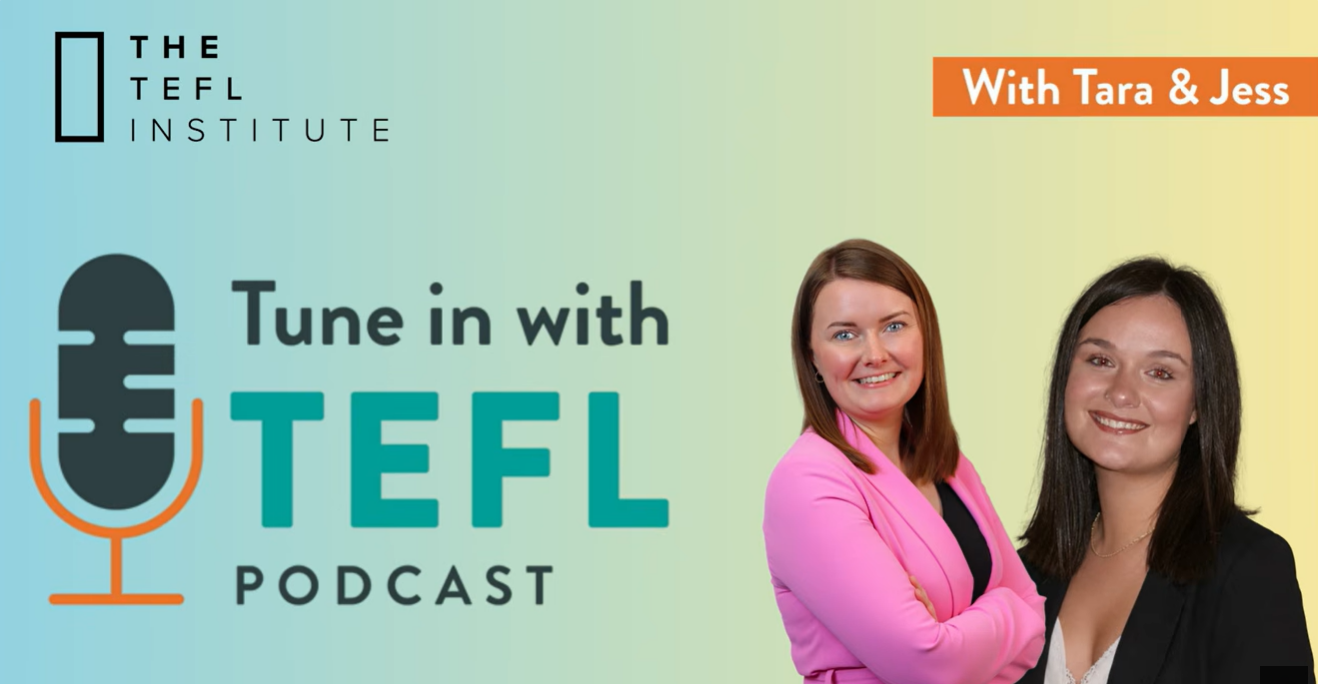
Tara and Jess talk through different TEFL and EFL topics, from finding work abroad to life in the classroom.
FAQs
Questions students ask us
Eurasian work visa processes vary dramatically by country. Turkey requires employer sponsorship with straightforward documentation (degree, TEFL certificate, police clearance). Processing typically takes 2-4 weeks. Kazakhstan requires employer sponsorship, more extensive documentation, degree authentication through the embassy, a medical examination, and police clearance. Processing takes 4-8 weeks. Georgia and Armenia have simplified visa processes; some language schools can process visas within 2-3 weeks with minimal documentation. Kyrgyzstan, Uzbekistan, and Tajikistan have variable processes; some require assistance from a visa agency. Azerbaijan requires employer sponsorship with standard documentation. Key advantage: Eurasian visas are generally cheaper and faster than Middle Eastern or Gulf state visas ($50- $300 in total fees). Most employers cover visa costs and handle processing. TEFL Institute’s Level 5 Diploma requires no authentication (digital credential verification suffices). First-time applicants should budget 3-6 weeks from job offer to visa arrival, depending on the country.
Living costs vary dramatically across Eurasia. Turkey’s Istanbul costs $800-$1,500 per month for comfortable accommodation, making it one of Eurasia’s most expensive cities. Ankara and Izmir are cheaper at $600-$900. Kazakhstan’s Astana (the capital) costs $800-$1,200 monthly. Almaty costs $700-$1,000. Georgia’s Tbilisi costs $400-$600 monthly, an exceptional value for the lifestyle offered. Azerbaijan’s Baku costs $600- $900 per month. Kyrgyzstan’s Bishkek costs $300-$400 monthly, ultra-affordable. Uzbekistan’s Tashkent costs $400- $600 per month. Tajikistan’s Dushanbe costs $300- $500 per month. Armenia’s Yerevan costs $500- $700 per month. These figures assume independent apartment rental. Most employers in Kazakhstan provide housing or substantial housing allowances, thereby dramatically reducing personal costs. Turkey and Georgia have competitive private rental markets with good value. Central Asian countries offer extraordinary affordability; you can live like royalty on $300- $500 per month. The combination of modest teaching salary plus ultra-low costs means exceptional savings potential despite lower absolute earnings than in the Middle East or Asia.
Experience requirements vary significantly by country and institution type. Kazakhstan’s international schools require or strongly prefer 2+ years of teaching experience. University positions prefer experience. Private language schools accept first-timers with strong TEFL qualifications. Turkey prefers 1-2 years of experience for premium positions, but accepts first-timers at language schools. Georgia, Armenia, and Central Asian countries (Kyrgyzstan, Tajikistan, Uzbekistan) actively target first-time teachers; no experience required. Positions pay $400-$1,000 monthly. Azerbaijan prefers candidates with 2+ years of experience but considers inexperienced candidates. Strategy for inexperienced teachers: start in Central Asia or Georgia (1-2 years), build credentials and teaching portfolio, transition to higher-paying Turkey or Kazakhstan. TEFL Institute’s Level 5 Diploma significantly compensates for lack of experience; employers view it as equivalent to 6-12 months teaching experience compared to 120-hour certificate holders. Young Learners specialist certification additionally improves competitiveness. Many successful Eurasian teachers began in Kyrgyzstan or Georgia, gained experience, and then advanced to Kazakhstan’s top positions.
Cultural adaptation varies dramatically between countries. Turkey offers a relatively smooth transition, Western infrastructure, secular lifestyle, cosmopolitan cities, and familiar amenities. Teachers report minimal culture shock. Georgia combines European and Middle Eastern influences, a progressive, welcoming wine culture, and stunning nature. Expat communities are established. Armenia is similarly welcoming with ancient Christian culture and warm hospitality. Central Asian countries (Kyrgyzstan, Uzbekistan, Tajikistan) require more significant adaptation, traditional Islamic cultures, limited Western amenities, fewer expat communities, but genuinely warm and hospitable locals. Kazakhstan is modernising rapidly, cosmopolitan Astana feels contemporary, Almaty is sophisticated, but traditional culture remains strong. Azerbaijan balances modernisation with traditional culture. Important considerations: respect for local customs, understanding Islamic traditions (even in secular countries), learning basic local language phrases, patience with bureaucracy, and flexibility with infrastructure inconsistencies. Most teachers report that initial adaptation challenges (2-3 months) dissolve once you build local connections and understand cultural norms. Expat communities provide support networks in most cities. Teachers commonly report that Eurasian cultural experiences fundamentally shift perspectives, and genuine human connection and authentic living become valued over Western conveniences.
Standard Eurasian teaching contracts vary by country and institution. Turkey typically offers 12-month renewable contracts with 30+ vacation days (summer break: 6-8 weeks; winter break: 2-3 weeks; additional holidays). Kazakhstan’s international schools offer 2-year contracts with 30-45 vacation days plus end-of-contract bonuses (typically one month’s salary). Language schools offer flexible 1-year renewable contracts. Georgia and Armenia offer 1-year renewable contracts with 25-30 vacation days. Central Asian countries (Kyrgyzstan, Uzbekistan, Tajikistan) offer 1-year renewable contracts with 30+ vacation days. Azerbaijan typically offers 2-year contracts with 30+ vacation days. Key advantage: Eurasia generally offers more generous vacation benefits than Asia but fewer formal benefits than the Middle East. Many teachers use extended breaks (6-8 weeks of summer) for international travel, home visits, or regional exploration. End-of-contract bonuses are common in Kazakhstan but less standard elsewhere. The contract structure allows for consistent annual employment, adequate vacation time for recovery and travel, and periodic contract renewal decision points. Some teachers complete one contract, return home for 2-3 months, then sign new contracts, enabling regular home visits whilst building an Eurasian career.
Health insurance and medical coverage vary significantly by country and employer. Turkey provides comprehensive employer-sponsored health insurance that covers doctor visits, hospital care, prescription medications, and some dental/vision care. Quality of medical care in Istanbul rivals European standards. Kazakhstan’s employers provide comprehensive health insurance, excellent hospitals in Astana and Almaty, modern medical facilities, and comprehensive coverage. Georgia and Armenia provide basic to moderate health insurance, adequate for routine care, though serious conditions may require travel to Turkey or Western Europe. Central Asian countries (Kyrgyzstan, Uzbekistan, Tajikistan) provide minimal health insurance, basic coverage only, supplemented by affordable private healthcare or travel insurance. Important consideration: medical standards vary dramatically. Turkey and Kazakhstan offer world-class medical care. Georgia has adequate standards. Central Asia requires a realistic assessment; basic care is available, but sophisticated medical procedures may require travel. Many teachers purchase supplemental international health insurance ($50- $150 per month) for comprehensive coverage. Preventive healthcare and routine care are affordable throughout Eurasia. Serious medical issues sometimes require travel to better-equipped facilities in Turkey or Kazakhstan. Prescription medications are affordable even without insurance. Teachers should carefully review employer health coverage before accepting positions, particularly for those with pre-existing conditions.
Family sponsorship varies by country and position. Turkey allows spouse and children sponsorship with employer support; most international schools accommodate family visa applications. Kazakhstan allows dependent sponsorship for positions earning more than $3,000 per month (requirements vary). Processing takes 6-12 weeks. Georgia and Armenia allow family sponsorship, though requirements vary. Central Asian countries permit family sponsorship, but with less established procedures, visa processing can be unpredictable. Key considerations: family sponsorship adds visa processing time (2-3 months additional), increases visa costs ($200-$500 per dependent), and requires dependent medical clearances and police certificates. Some employers provide family housing or housing allowances covering family accommodation. Premium international school positions are more commonly available to families than private language school positions. Healthcare coverage for dependents varies: some employers include dependents, while others charge additional fees. Teachers bringing families should clearly negotiate the terms of family sponsorship, housing, and healthcare before accepting positions. Some teachers prefer teaching alone initially, accumulating savings and building stability, then bringing families after establishing professional networks. This approach reduces initial complexity and allows family transition with more established support systems in place.
The importance of local language learning varies by country. Turkey: Turkish learning is helpful but not essential; Istanbul is English-friendly. Kazakhstan: Russian is lingua franca; learning Russian (not Kazakh) enables integration. Georgia: Georgian is unique and difficult; Russian is widely spoken; English is in expat areas. Azerbaijan: Azerbaijani is the primary language; Russian is widely understood. Kyrgyzstan: Russian is the lingua franca; Kyrgyz is less essential. Uzbekistan: Uzbek is the primary language; Russian is widely spoken. Tajikistan: Tajik and Russian are both important. Armenia: Armenian and Russian are both spoken; Russian is more accessible for foreigners. Practical approach: learn basic survival phrases (hello, thank you, excuse me, numbers) in the local language—shows respect and effort. For daily communication, Russian is most useful in post-Soviet countries (Kazakhstan, Kyrgyzstan, Uzbekistan, Tajikistan, Azerbaijan). English proficiency is essential for teaching, but limited in daily life outside major cities. Language apps (Duolingo, Babbel) provide foundational learning. Most teachers develop functional communication within 2-3 months through immersion. Expat communities provide language exchange partners. Learning the local language significantly improves integration, deepens cultural understanding, and creates meaningful relationships with locals, often cited as the most rewarding aspect of Eurasian teaching.
Salary negotiation flexibility varies by employer type and country. Large international schools and universities have standardised salary scales with minimal flexibility. Private language schools often offer flexible negotiation terms. Negotiation strategy: secure job offer, request detailed benefits breakdown, identify specific improvements (salary increase, housing allowance, extra vacation), propose modest increases (5-10%), justify requests with qualifications/experience. Successful negotiation points: Level 5 TEFL Diploma (request 5-15% premium over 120-hour certificate), teaching experience (request experience-based increases), specialist certifications (request 5-10% premiums). Benefits negotiation is often easier than salary negotiation: housing allowance versus provided accommodation, vacation days, end-of-contract bonuses, and a professional development allowance. Important consideration: Eurasian employers often have multiple qualified candidates; excessive demands risk losing position. Professional negotiation that reflects maturity and flexibility yields better results than demanding unrealistic salaries. Best approach: research market rates through TEFL Explorer, teacher forums, and recruiter guidance. Most employers respect reasonable negotiation from qualified candidates. Declining reasonable offers may lose position to competitors. Many successful teachers negotiate housing arrangements and vacation rather than base salary, often achieving more achievable compromises.
Contract conclusion options: extend for an additional contract, return home with accumulated savings, transition to a different Eurasian country, or progress to higher-paying regions (Middle East/Asia). Most Eurasian teachers complete their first contract (1-2 years), then choose a direction. End-of-contract benefits: bonus (typically 1 month’s salary in Kazakhstan), unused vacation payment (from some employers), travel allowance for the return (occasionally). Savings from typical 2-year Eurasian contract: Kazakhstan $48,000-$84,000, Turkey $7,200-$24,000, Central Asia $4,800-$24,000. Upon returning home, savings enable significant life changes (student loan repayment, house deposits, career transition, further education, extended travel). Tax implications: most Western countries tax foreign-earned income; consult tax professionals. Return adjustment: Many teachers experience reverse culture shock as they readjust to home, costs, lifestyle, and work culture. Career advancement: Eurasian teaching experience enhances credentials globally—international schools worldwide value Eurasian experience, particularly in Kazakhstan. TEFL Institute certifications remain valuable credentials worldwide. Many successful teachers return to Eurasia after home breaks, and some complete multiple 2-year contracts. Visa sponsorship typically ends upon contract completion—plan return logistics. Overall: A 1-2-year Eurasian contract provides a meaningful financial foundation, deep cultural experiences, and enhanced professional credentials for future opportunities.