

 United Kingdom (UK)
 United States (US)
 Canada
 South Africa
 India
India Australia
 New Zealand
 China
China Russia
 Germany
 France
 Spain
Spain Netherlands
 Vietnam
 United Arab Emirates
 Italy
Italy Poland
 Thailand
 Türkiye









 Algeria


Quick answer: Japan vs South Korea at a glance
Short answer: Who should pick Japan, who should pick South Korea?
Choose Japan if you want a more immersive cultural experience, are interested in long-term lifestyle value, and are comfortable with slightly lower short-term savings. Choose South Korea if you want a more straightforward launch into TEFL, stronger contract perks, and a better chance of saving money in your first year. Teach Away says both countries offer strong opportunities, but it highlights South Korea’s affordability and common contract benefits such as free accommodation, while JET Program USA shows Japan’s public-school route is structured, stable, and backed by official visa support.
Key differences in vibe, cost, and culture
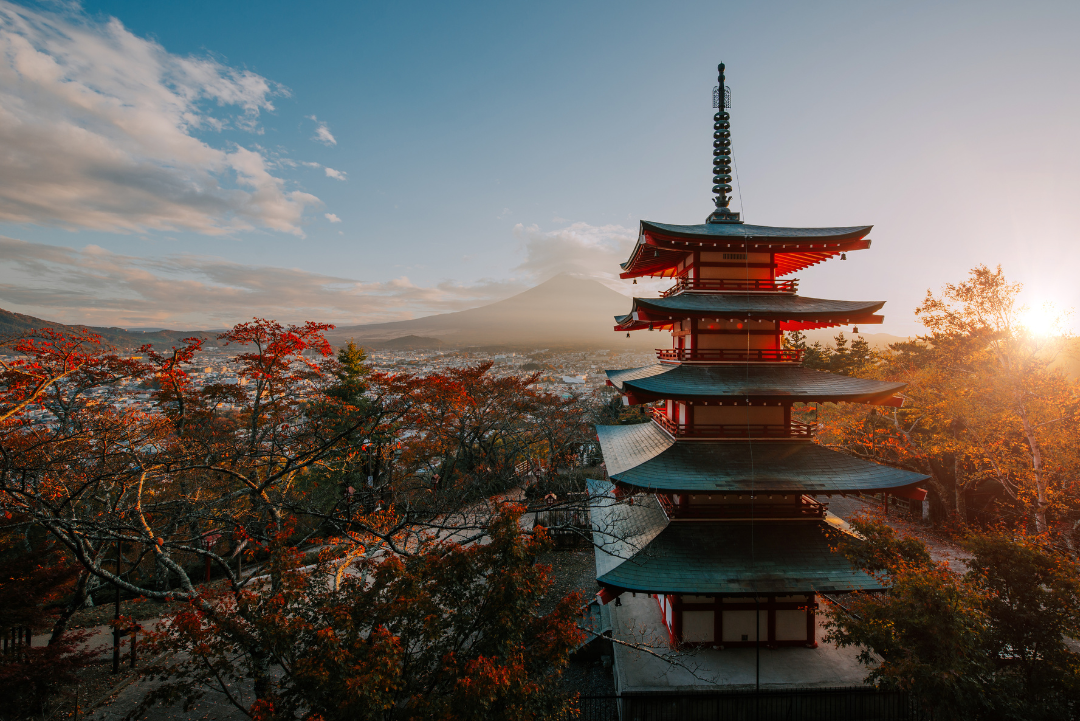
Japan tends to feel more formal, more ritualized, and more layered culturally, which appeals to teachers who want depth and a strong sense of place. South Korea usually feels faster, more social, and easier to settle into quickly, especially for Americans who want a modern city lifestyle with lower day-to-day friction. Teach Away describes Japan as a destination with major cultural depth and easy rail travel, while also describing South Korea as affordable, well connected, and especially good for teachers who want room in the budget for travel, nightlife, and savings.
One-look comparison table (Japan vs South Korea)
| Category | Japan | South Korea |
|---|---|---|
| Best for | Teachers who want culture, structure, and a distinctive lifestyle | Teachers who want savings, benefits, and an easier first TEFL landing |
| Typical public program | JET Program | EPIK program |
| Salary snapshot | JET first-year salary is ¥4,020,000 before tax | Teach Away lists common monthly salaries around 1.8 to 3.0 million KRW |
| Housing support | Varies by employer and placement | Free accommodation is common in many contracts |
| Savings potential | Moderate, depending on rent and city | Usually stronger for first-year teachers |
| Work visa support | Official visa support through JET for selected participants | Standard TEFL routes available if eligibility is met |
Which is better for first-time TEFL teachers?
Japan vs South Korea for your very first trip to Asia
For most American first-time teachers, South Korea is the easier first move because the setup is often more practical and financially forgiving. Japan is absolutely possible as a first TEFL destination, but it rewards teachers who are ready for more independence, more paperwork variation by employer, and often higher living costs if rent is not covered. Teach Away says both countries share similar entry criteria, but it also emphasizes South Korea’s affordability and contract benefits, which can reduce early stress. Back to contents
How easy is it to get around?
Both countries are highly navigable, efficient, and safe, but South Korea often feels easier at the beginning because it is smaller and more compact. Japan’s train system is excellent and one of the biggest lifestyle advantages of living there, yet it can feel more overwhelming at the start, especially in larger metro areas like Tokyo. Teach Away specifically highlights Japan’s high-speed rail network and South Korea’s extensive, affordable bus and train network. Back to contents
How culture shock compares in Japan and South Korea
Japan usually brings a subtler but deeper kind of culture shock, especially around communication style, etiquette, and daily expectations. South Korea can feel more immediately familiar to Americans in social energy and urban rhythm, even though work culture can still be demanding. Teach Away presents both as strong cultural experiences, but its description of Japan’s traditional-modern contrast and Korea’s vibrant city life helps explain why many teachers find the transition to Korea more socially intuitive. Back to contents
Example 7-day Japan itinerary for first-timers
Spend days 1 to 3 in Tokyo to get your bearings, explore modern neighborhoods, and experience the scale of urban Japan. Spend days 4 and 5 in Kyoto for temples, traditional streets, and a slower rhythm, then use days 6 and 7 for Hiroshima or Osaka depending on whether you want historical reflection or food and nightlife.
Example 7-day South Korea itinerary for first-timers
Spend days 1 to 4 in Seoul for neighborhoods, cafés, palaces, and nightlife, then move to Busan for days 5 to 7 for coastal energy, seafood, markets, and a softer landing outside the capital. Teach Away notes that Seoul is the go-to city for nightlife, while South Korea’s transport network makes cross-country movement easy and affordable. Back to contents

Which is cheaper: Japan or South Korea?
Overall daily budgets for Japan vs South Korea
South Korea is usually the cheaper option for American TEFL teachers, especially once housing is factored in. Japan can still provide a comfortable life, but Teach Away says teachers there often need to live more frugally if saving money is a core goal, particularly in Tokyo. Back to contents
Accommodation costs
The biggest cost difference is housing. In Japan, housing arrangements vary by employer and placement, while in South Korea, free accommodation is commonly included in TEFL contracts according to Teach Away, which is one reason Korea often wins on savings potential. Back to contents
Transport costs
Japan’s rail network is famous for speed and reliability, but frequent long-distance travel can add up without careful planning. South Korea’s transport system is also excellent and usually feels more affordable for regular use, especially for teachers taking weekend trips. Teach Away highlights Japan’s high-speed rail and South Korea’s extensive, affordable train and bus networks. Back to contents
Food and nightlife spending
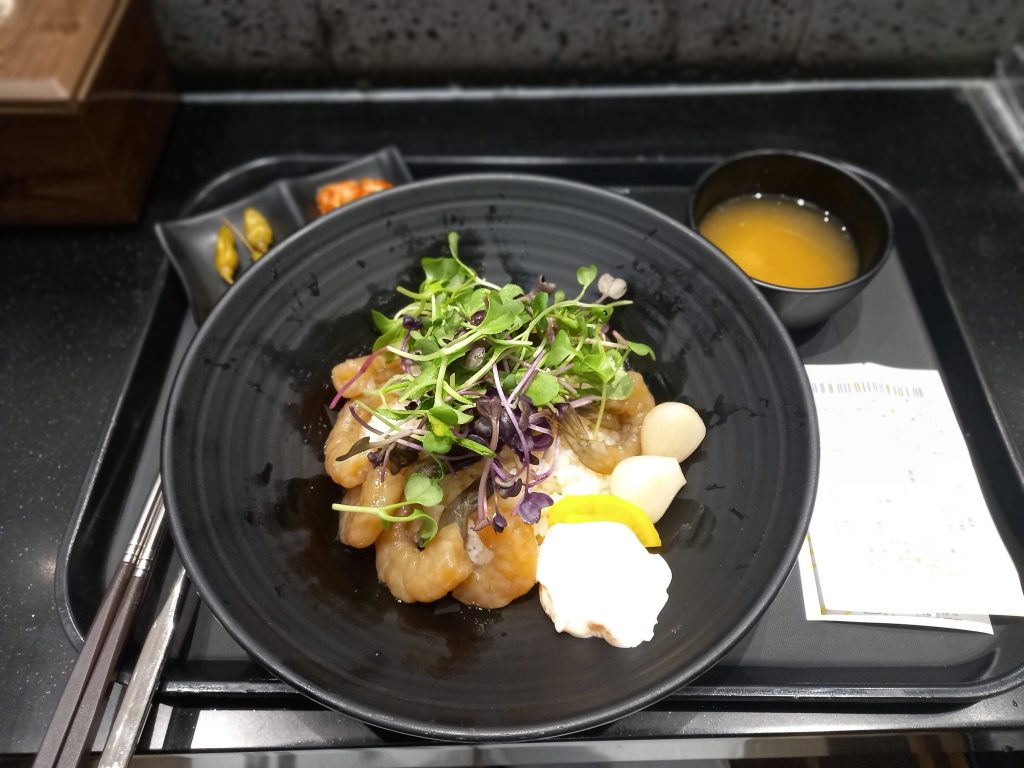
Both countries offer great value in local food, but South Korea often works out cheaper for casual meals, late-night eating, and social evenings. Japan can vary more sharply depending on city, neighborhood, and whether you stick to local chains or spend heavily in nightlife districts. Teach Away says both countries leave room for eating out and leisure, but it describes South Korea as especially affordable for travel, shopping, and savings. Back to contents
Money-saving tips that work in both countries
Live outside the most expensive central districts, use public transport rather than taxis, and build your meal routine around local lunch sets, convenience food, or neighborhood spots instead of imported Western options. In Japan, pay attention to whether your employer helps with housing or commuting, and in South Korea, compare contracts carefully because housing quality can vary even when it is included.
When to book flights for the best prices
For teachers planning a 2026 move, booking several months ahead is usually the safest strategy, especially if your contract start is fixed. JET Program USA notes that the 2026 program cycle is already closed and that 2027 applications open in Fall 2026, which is a useful timing signal for Americans planning far ahead. Back to contents
Using passes, cards, and local discounts
Transport cards, commuter support, and local discount chains can make a bigger difference than most first-year teachers expect. The smartest budget move in either country is not luxury cutting but routine optimization, especially around rent, commuting, and daily food.
When is the best time to go?
Japan vs South Korea by season
Spring and autumn are usually the best seasons in both countries because temperatures are more comfortable and the scenery is at its strongest. Summer can be humid and intense, while winter can be excellent if you like seasonal atmosphere and do not mind the cold.
Cherry blossom vs autumn foliage
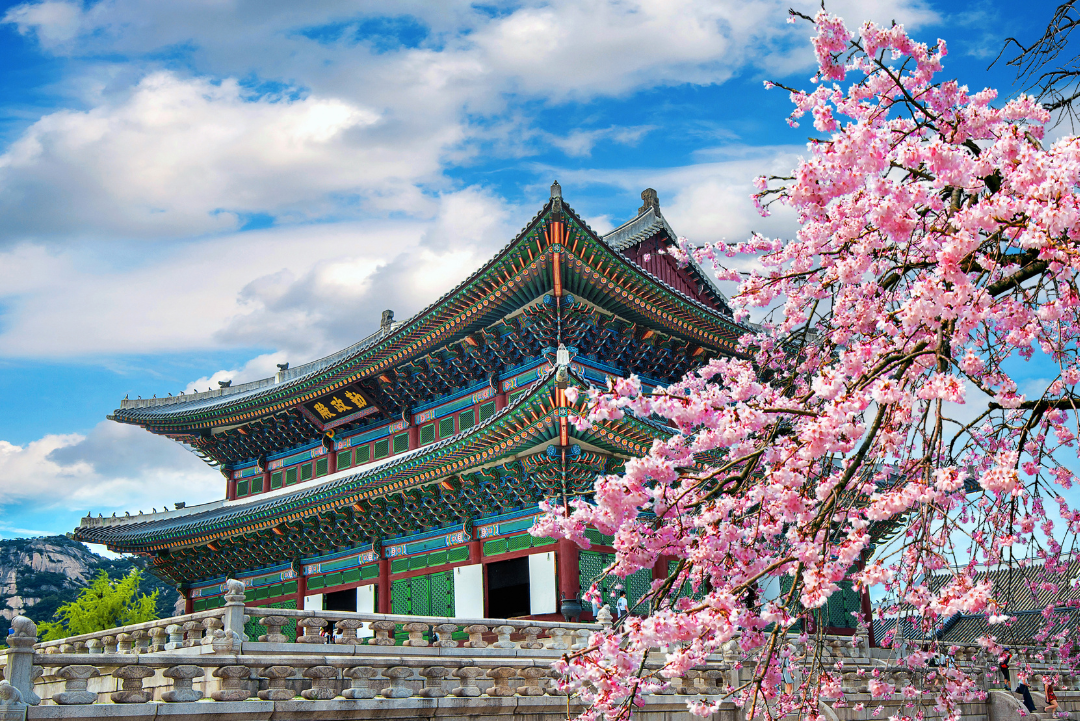
Japan has a stronger global reputation for cherry blossom travel, but both countries offer beautiful spring landscapes. Autumn is a close contest, with both Japan and South Korea delivering excellent city parks, mountain areas, and temple or palace settings for foliage.
Winter trips: skiing, snow, and holiday vibes
Japan has the stronger ski reputation and a broader range of winter travel icons. South Korea still works very well in winter, especially for festive city breaks and short mountain trips.
Avoiding crowds, monsoon, and extreme heat
If you want a smoother arrival period as a new teacher, aim for shoulder seasons where possible. Summer humidity and peak travel periods can make settling in feel harder than it needs to be, especially when you are simultaneously learning a new job and a new country.
Culture and overall vibe
How Japan feels
Japan feels orderly, layered, and quietly intense, with a daily rhythm that many teachers find deeply rewarding after the adjustment period. Teach Away describes Japan as a place where temples and traditional architecture sit alongside cutting-edge cities, which is exactly why many American teachers see it as more than a TEFL destination and more like a full cultural project.
How South Korea feels
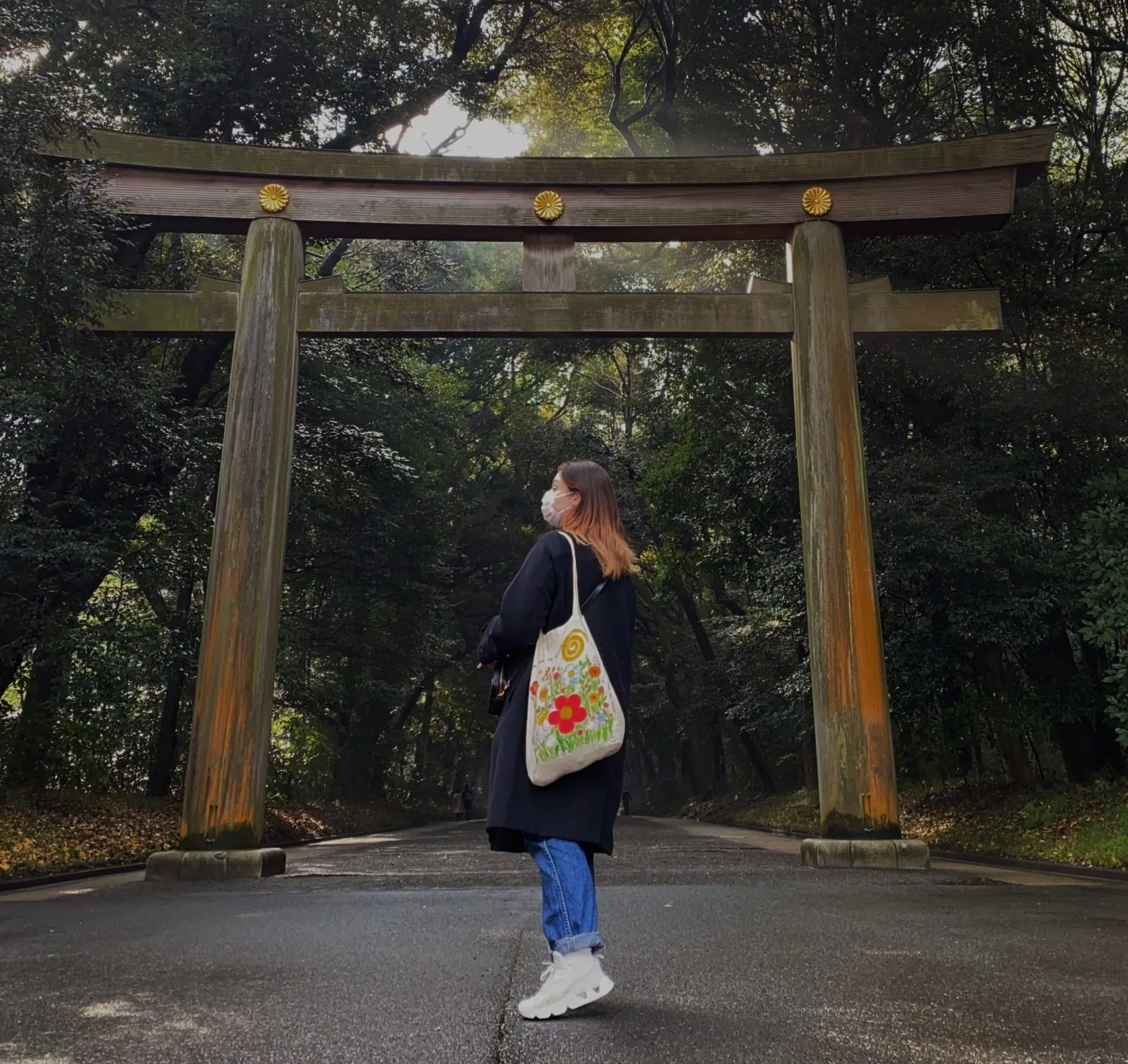
South Korea feels faster, louder, and more socially immediate, which can be a major advantage if you want your first TEFL year to feel energetic rather than isolating. Teach Away points to Seoul’s vibrant nightlife and the country’s affordability, both of which reinforce Korea’s reputation as a lively and accessible first teaching destination.
Etiquette basics
In both countries, respect, punctuality, and awareness of group dynamics matter. Japan usually places more visible emphasis on quietness, order, and subtle social signals, while South Korea often feels more direct and socially expressive in everyday settings.
Pop culture: anime, gaming, K-pop, K-dramas, and cafés
Japan is unmatched for anime, gaming culture, themed experiences, and neighborhood-level subcultures. South Korea is the stronger choice if your interests lean toward K-pop, beauty culture, trend-driven cafés, and a highly social entertainment scene.
Best pop-culture neighborhoods in Japan
Tokyo neighborhoods such as Akihabara, Shibuya, and Harajuku remain strong starting points for teachers who want modern Japan beyond the classroom.
Best pop-culture neighborhoods in South Korea
Seoul districts like Hongdae, Gangnam, and Seongsu are ideal if you want the Korea many Americans recognize from pop culture, cafés, fashion, and nightlife.
Safety, comfort, and solo living
Is Japan or South Korea safer?
Both are considered very safe by global standards, which is one reason they remain top TEFL destinations for Americans. Teach Away presents both as easy places to live and travel in, and neither country has the kind of daily safety concerns that dominate teacher decisions in some other markets. Back to contents
Solo travel and solo female travel
Both countries work well for solo teachers, including first-timers and solo female travelers. The choice is less about safety and more about which kind of social life you want, since South Korea may feel easier socially at first while Japan may feel more private but extremely dependable.
Late nights, alcohol culture, and nightlife safety
South Korea has a more intense drinking and nightlife culture in many urban settings, especially around work and social circles. Japan also has rich nightlife, but many teachers find it more segmented, with different scenes depending on city and neighborhood.
How friendly and helpful locals are
Helpfulness shows up differently in each place. In Japan it often appears through precision, courtesy, and people quietly helping you solve a problem, while in South Korea it can feel more direct, energetic, and conversational.
Food, drink, and nightlife
The food scene in Japan
Japan offers remarkable range, from convenience-store quality that is unusually high to regional specialties, ramen shops, sushi counters, izakaya culture, and refined seasonal food. Teach Away specifically mentions Japan’s culinary draw and its mix of modern and traditional experiences, which is part of why many American teachers stay longer than planned. Back to contents [page:2]
The food scene in South Korea
South Korea is ideal for teachers who love bold flavors, group dining, grilling, late-night meals, and market culture. Teach Away highlights Korean food as one of the major cultural benefits of living there, and that matches why many first-year teachers find it easier to build social routines in Korea. Back to contents
Vegetarian, vegan, and dietary restrictions
Both countries can be challenging if you have strict dietary needs, though larger cities make life much easier. In practice, Tokyo and Seoul are the safest starting points if you need vegan, gluten-aware, or allergy-conscious options.
Coffee, tea, cafés, and dessert culture
South Korea has the more visible modern café culture, especially for people who enjoy aesthetic spaces, themed cafés, and long social hangouts. Japan tends to stand out more for tea culture, kissaten traditions, and quieter café routines.
Nightlife: bars, clubs, karaoke, and late-night eats
If nightlife is a serious factor in your TEFL decision, South Korea usually wins for energy and accessibility. Japan still delivers huge variety, but Korea often feels easier to plug into quickly if you want a social first year.
Japan nightlife hotspots
Tokyo’s Shinjuku and Shibuya, plus Osaka’s Dotonbori area, are classic starting points for after-hours culture.
South Korea nightlife hotspots
Seoul’s Hongdae, Itaewon, and Gangnam remain the best-known nightlife districts for international teachers and travelers.
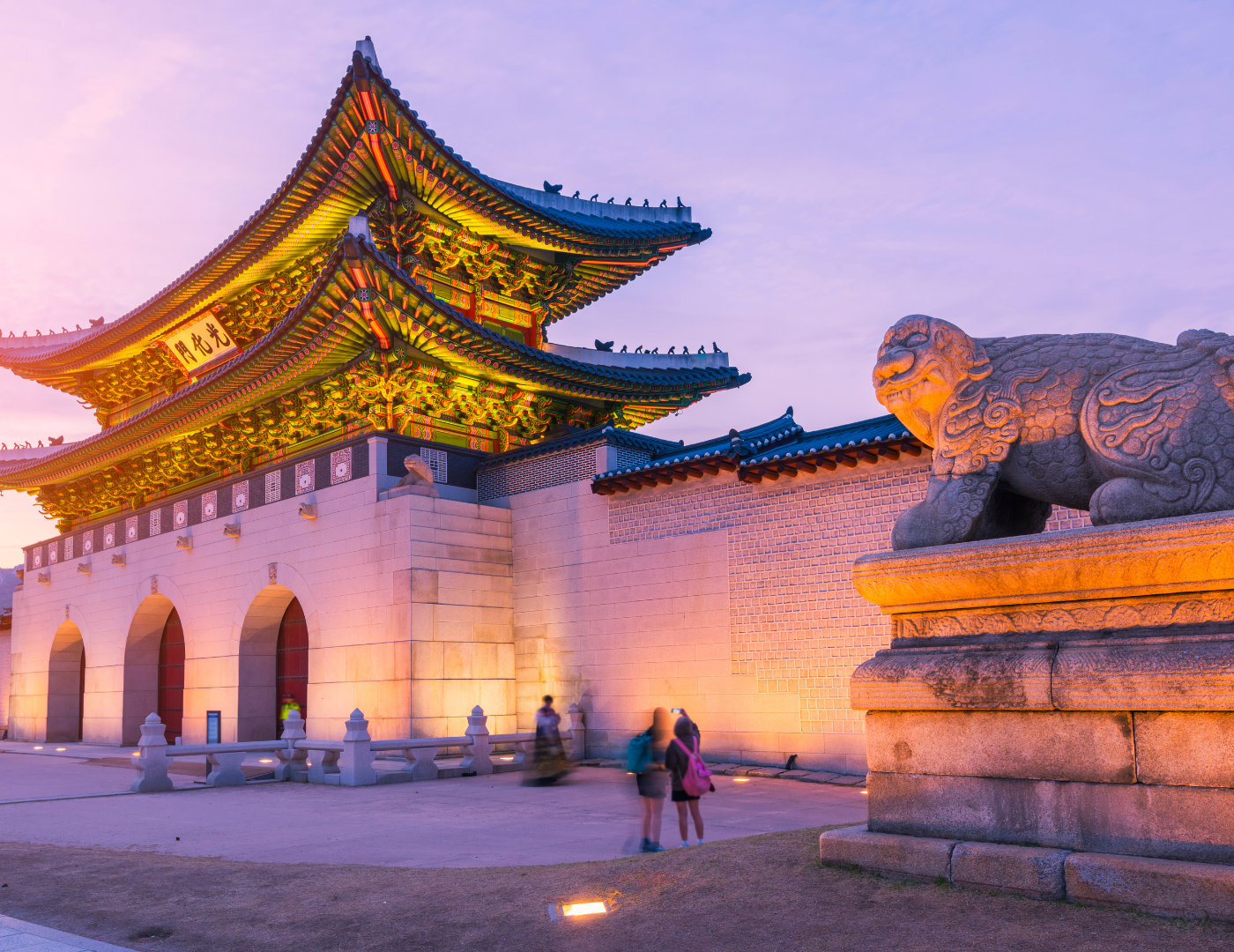
Transport and getting around
Navigating Japan
Japan is one of the best countries in the world for public transport reliability. Teach Away emphasizes that its high-speed rail network makes travel around the country easy, and that matters not just for tourism but for weekend travel, visiting friends, and making the most of your contract year. Back to contents
Navigating South Korea
South Korea is also exceptionally easy to move around, and its smaller scale can make the country feel more approachable for first-year teachers. Teach Away says its train and bus network is extensive and affordable, which is one reason Korea is often recommended as a lower-friction TEFL destination. Back to contents
City layouts: Tokyo vs Seoul, Osaka vs Busan
Tokyo can feel enormous and fragmented at first, while Seoul often feels more legible once you learn a few districts. Osaka and Busan are both easier to grasp than their capitals and can suit teachers who want strong city life without maximum urban overload.
Using taxis, ride-shares, and airport transfers
Taxis are reliable in both countries, though they are often used more selectively in Japan due to cost. Airport transport is generally excellent in both places, so most teachers can avoid unnecessary transfer stress if they plan arrival details before landing.
Tips for using transport apps and maps
Before arrival, set up map apps, offline translation, and transport payment tools where possible. Your first month gets much easier when you remove small daily frictions before they build into fatigue.
Common mistakes first-timers make
Common mistakes include underestimating commute times, choosing housing based only on rent, and assuming all placements feel the same across a country. In TEFL, your city and employer matter almost as much as the country itself.
Language barrier and connectivity
English levels in Japan vs South Korea
Both countries are manageable for American teachers without local-language fluency, especially in major cities and formal work environments. Teach Away says the basic work-visa eligibility is similar across both markets, which means the real difference is less about qualification and more about how comfortable you are functioning outside English day to day.
Helpful phrases and translation apps
Learning basic classroom phrases, polite greetings, and transit language gives you a much better first month in either place. Even minimal effort in Japanese or Korean often improves interactions with coworkers, landlords, and local businesses.
SIM cards, eSIMs, Wi-Fi, and staying online
Both countries are highly connected and easy to manage digitally once you are set up. The practical difference is not internet quality but how quickly your employer or program helps you get your phone, bank, and admin life sorted in the opening weeks.
How signage and announcements differ
Both countries offer strong transport signage, especially in major urban areas. Japan may feel more system-heavy at first, while South Korea often feels slightly easier to parse quickly when you are still adapting.
Top experiences you can only have in Japan
Cultural experiences
Temples, shrines, onsen culture, tea ceremonies, matsuri, and the daily presence of ritual make Japan one of the most distinctive places in the world to teach. Teach Away’s description of traditional architecture sitting alongside advanced urban life captures exactly why Japan feels so singular as a TEFL destination.
Unique stays
Ryokan stays, capsule hotels, temple lodgings, and highly specialized local accommodation make Japan unusually rich for slow exploration outside your contract city.
Iconic city experiences
Tokyo, Kyoto, and Osaka create a rare triangle of future-facing city life, historical depth, and regional food culture. That range is one reason many American teachers accept lower savings in exchange for a more layered living experience.
Nature and small towns
Japan’s variety matters more than many first-time applicants realize. Teach Away notes the country ranges from snowy mountains in the north to tropical beaches in the south, which helps explain why rural or regional placements can become a major upside rather than a compromise.
Top experiences you can only have in South Korea
Cultural experiences
South Korea offers palaces, hanok areas, mountain temples, traditional markets, and a strong sense of national identity that feels highly visible in daily life. It is often easier for first-year teachers to access these experiences casually because the country is compact and transit is so convenient. Teach Away specifically describes South Korea as smaller than Japan but still packed with cultural and natural sights. Back to contents
K-pop and K-drama experiences
If your interest in Korean pop culture is real, South Korea gives you a level of everyday immersion that no short trip can match. Neighborhoods, cafés, stores, events, and media culture are a constant part of urban life.
Iconic city experiences
Seoul and Busan offer two very different but complementary versions of Korean city life, one hyper-urban and one more coastal and relaxed. That combination makes South Korea an especially strong TEFL destination for teachers who want variety without dealing with a vast country.
Nature and small towns
Jeju, mountain trails, coastal areas, and regional cities give South Korea a lot more travel diversity than many Americans expect. Teach Away specifically highlights Jeju as one of the country’s standout natural sights. Back to contents
Japan vs South Korea for different teacher types
Couples and long-term partners
Japan is often stronger for couples who value slower travel, food culture, and a more reflective pace. South Korea can be better for couples who want urban energy, easier savings, and a more social lifestyle early on.
Solo backpackers and budget-conscious teachers
South Korea usually makes more sense if your main goals are reducing setup stress and saving money in year one. Teach Away’s emphasis on affordability and free accommodation support is the clearest reason why many first-time teachers choose Korea first. Back to contents
Families and multigenerational moves
Japan can be especially appealing for teachers who value structure, routine, and long-term lifestyle quality. South Korea can still work very well, but the specific contract, housing arrangement, and city matter even more when you are not moving alone.
Digital nomads and slow travelers
Neither country should be treated casually if you are entering on a teaching visa, but in lifestyle terms both can support a slower, experience-rich year. The better option depends on whether you prioritize savings and social convenience or cultural immersion and travel depth.
Visas, length of stay, and practicalities for longer trips
JET Program USA says the 2026 JET contract runs for roughly 12 months and can be renewed annually up to a maximum of five years, which makes Japan a viable medium-term path for Americans who want stability. Teach Away similarly notes that EPIK placements in South Korea typically run on one-year contracts, giving both countries a clear entry structure for first-time teachers. Back to contents
Co-working, cafés, and working remotely
South Korea tends to win on modern café culture and social work-friendly environments, while Japan wins on atmosphere, niche spaces, and slower solo routines. For actual TEFL teachers, though, your schedule and employer rules will matter more than remote-work aesthetics.
Can you visit both Japan and South Korea in one trip?
How to combine Japan and South Korea in 10–14 days
Yes, but only if this is a travel-first trip rather than a serious TEFL decision trip. For researching where to live and work, you usually learn more by spending all your time in one country and testing neighborhoods, commuting patterns, and everyday routines.
Best routes and flight connections
Major city pairs such as Tokyo-Seoul, Osaka-Seoul, and Fukuoka-Busan make two-country trips realistic. The real question is not whether you can combine them, but whether splitting time weakens the depth of your decision-making.
Sample 10-day Japan + South Korea itinerary
Spend five days in Tokyo and Kyoto, then five days in Seoul and Busan. This gives you one high-level look at both, though it is still not enough to fully judge work culture or long-term fit.
When it makes sense to split them into separate trips
If your goal is choosing your first TEFL destination, separate trips are usually smarter. A rushed comparison can overvalue surface excitement and miss what daily life will actually feel like after month three.
Visas, entry rules, and practicalities
Common visa situations for American teachers
Teach Away says the usual baseline for work-visa eligibility in both Japan and South Korea includes a passport from an eligible English-speaking country such as the United States, a bachelor’s degree, and a clean criminal record. JET Program USA separately confirms that selected participants receive the necessary work visa through the program. Back to contents
Entry requirements, onward tickets, and proof of funds
Requirements depend on whether you are arriving as a hired teacher, a tourist doing research, or a future applicant planning ahead. For actual TEFL moves, your employer or official program usually guides the visa process step by step.
Cash vs card, tipping, and money etiquette
Both countries are easy to manage financially, though it is still wise to carry some cash. Tipping is generally not a central part of everyday culture in either destination.
Power plugs, packing basics, and what to bring
Pack for professionalism first, then climate, then comfort items you know you actually use. Your first-month essentials are not just clothes but also digital backups, hard copies of documents, and enough setup planning to reduce decision fatigue on arrival.
Final verdict: Should you choose Japan or South Korea?
Choose Japan if…
You want a richer cultural immersion, you care more about the experience than maximum short-term savings, and you are excited by the idea of living inside a place that feels deeply different from home. JET Program USA also makes Japan especially attractive for Americans who want a structured public-school route with official visa support, flights, and a clearly stated salary framework.

Choose South Korea if…
You want stronger savings potential, easier first-year logistics, and a social lifestyle that feels more immediately accessible. Teach Away specifically points to South Korea’s affordability, common free accommodation, and broad teaching opportunities, which is why many American teachers choose Korea first and Japan second. Back to contents
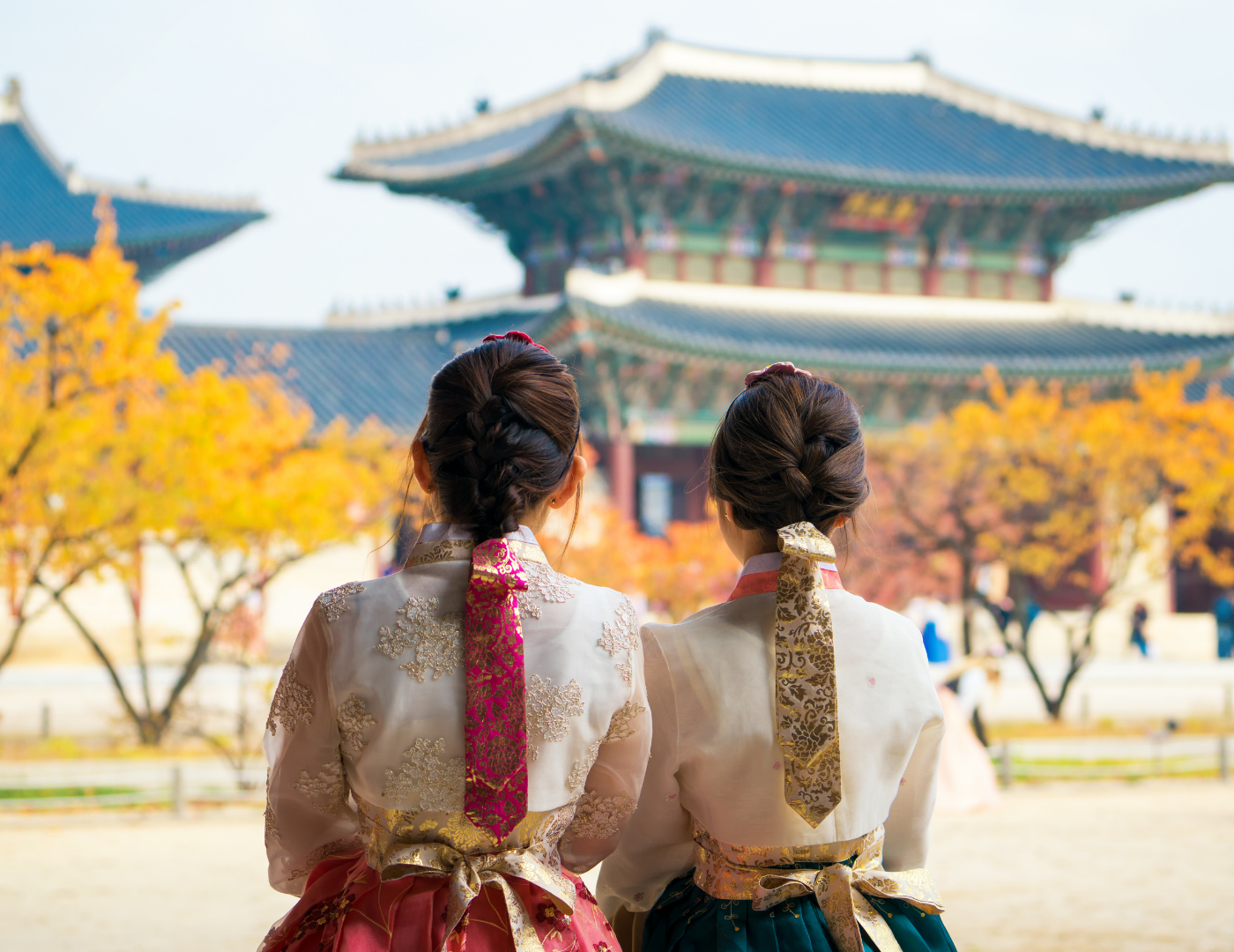
When it makes sense to prioritize one now and the other later
If you want the smartest first move for money and ease, start with South Korea. If you want the most emotionally distinctive TEFL experience and you are comfortable with a less savings-driven setup, start with Japan. For many American teachers, the strongest long-term strategy is Korea first for savings and confidence, then Japan for depth and lifestyle. Back to top
Professional disclaimer
This guide provides general travel information based on typical conditions and trends. Prices, visa requirements, safety conditions, and transport systems may change. Travellers should verify current details before booking and departure.
About The TEFL Institute
The TEFL Institute supports aspiring teachers in building international careers through accredited TEFL courses. Whether you are considering teaching in Japan, South Korea, or elsewhere, the institute provides training, guidance, and job support to help you transition into teaching abroad with confidence.