

 United Kingdom (UK)
 United States (US)
 Canada
 South Africa
 India
India Australia
 New Zealand
 China
China Russia
 Germany
 France
 Spain
Spain Netherlands
 Vietnam
 United Arab Emirates
 Italy
Italy Poland
 Thailand
 Türkiye









 Algeria


Yes. Many schools and online teaching companies hire newly qualified TEFL teachers with no previous classroom experience. Completing a recognised TEFL course and demonstrating enthusiasm, professionalism and strong communication skills can help you secure your first role.
10 Mistakes That Stop New TEFL Teachers Getting Hired
Landing your first TEFL job can feel exciting, but also a little overwhelming. After spending weeks or months earning your TEFL qualification, the last thing you want is to send out dozens of applications and hear nothing back.
The good news? Most new TEFL teachers make the same avoidable mistakes when on their TEFL job hunt. In this guide, we’ll explore the 10 biggest mistakes that stop new TEFL teachers getting hired and show you exactly how to improve your chances of securing your first teaching position abroad or online.
Table of Contents
- Why New TEFL Teachers Struggle to Find Jobs
- 1. Applying for Jobs Before Completing a TEFL Qualification
- 2. Using a Generic CV for Every Application
- 3. Ignoring the Cover Letter
- 4. Applying for Jobs You’re Not Qualified For
- 5. Having No Teaching Experience at All
- 6. Failing to Research the School or Employer
- 7. Poor Interview Preparation
- 8. Limiting Yourself to One Country
- 9. Underestimating Online Teaching Opportunities
- 10. Giving Up Too Soon
- Quick Checklist Before Applying for Your First TEFL Job
- Final Thoughts
Why New TEFL Teachers Struggle to Find Jobs
One of the biggest misconceptions about teaching English abroad is that employers are desperately hiring anyone with a pulse and a passport.
While there are thousands of TEFL jobs available worldwide, schools still want to see professional applications, recognised qualifications, enthusiasm and a genuine interest in teaching.
The good news is that employers are not expecting years of classroom experience from newly qualified teachers. What they do expect is professionalism, preparation and a willingness to learn.
Let’s look at the mistakes that commonly hold applicants back.
1. Applying for Jobs Before Completing a TEFL Qualification
Many aspiring teachers begin applying for jobs before they have completed their TEFL certification.
While some schools may accept applications from candidates who are currently studying, most employers want confirmation that you have completed a recognised TEFL course before offering an interview.
Without a TEFL qualification, your application is likely to be filtered out before it reaches a hiring manager.
How to avoid it
- Complete your TEFL qualification first.
- Download your certificate and transcript.
- Include your qualification clearly on your CV.
- Highlight any specialist training you have completed.
Schools are increasingly looking for candidates with accredited qualifications, particularly in competitive teaching markets.

2. Using a Generic CV for Every Application
One of the fastest ways to be overlooked is by sending the same CV to every school.
Employers can quickly tell when an application has been copied and pasted without any consideration for their role.
A school in Vietnam may be looking for something completely different from an online English teaching company or a language academy in Spain.
How to avoid it
Tailor your CV for every application and focus on the experience most relevant to the role.
- Teaching, tutoring or coaching experience
- Customer service experience
- Leadership roles
- Mentoring experience
- Language skills
- International travel experience
Even if you have never taught before, many transferable skills can make you an attractive candidate.
3. Ignoring the Cover Letter
Many applicants spend hours perfecting their CV but send a one-line email when applying for TEFL jobs.
This is a missed opportunity.
A cover letter allows you to demonstrate enthusiasm, personality and professionalism. Employers often receive hundreds of applications, so a strong cover letter helps you stand out from the crowd.
What to include
- Why you want to teach English
- Why you are interested in that specific school
- What skills you bring
- Your TEFL qualification
- Your availability
A personalised cover letter can significantly increase your chances of securing an interview.
4. Applying for Jobs You’re Not Qualified For
Many new teachers apply for every TEFL position they see online.
The problem is that some roles require specific qualifications, documents or experience. Applying for unsuitable positions can waste valuable time and damage your confidence.
Some TEFL jobs may require:
- A bachelor’s degree
- Previous teaching experience
- A Level 5 TEFL qualification
- Specific visa requirements
- Native-level English proficiency
How to avoid it
Focus on jobs that specifically welcome:
- Newly qualified TEFL teachers
- Entry-level candidates
- TEFL certificate holders
- Internship participants
Many schools actively recruit first-time teachers and provide training, so look for roles that match your current experience level.
5. Having No Teaching Experience at All
This does not mean you need years of classroom experience. However, employers want to see evidence that you can work with people, communicate effectively and manage groups.
If your CV has no teaching, tutoring, coaching or mentoring experience at all, it can be harder for an employer to picture you in the classroom.
How to gain experience quickly
- Volunteer with local community groups
- Tutor friends, family or language learners
- Join online language exchanges
- Support community education programmes
- Look for teaching assistant opportunities
Even a few hours of practical teaching experience can strengthen your application and give you something useful to discuss during interviews.
Many TEFL courses also include lesson-planning tasks and practical teaching guidance, which can help you speak more confidently about your teaching approach.

6. Failing to Research the School or Employer
Imagine being asked during an interview, “Why would you like to work for our school?” and responding, “Honestly, I don’t know much about it.”
● THE HIRE WIRE
Hiring windows close while you scroll.
Deadlines, salaries and visa notes for teaching jobs worldwide, checked against official sources and sent free every two weeks.
Get on the WireIt happens more often than you might think.
Employers want candidates who have taken the time to learn about their organisation, students and teaching style.
How to avoid it
Before every interview:
- Visit the school’s website
- Read reviews where possible
- Check their social media channels
- Understand their teaching approach
- Learn about the age group you may be teaching
This allows you to give more confident answers and show that you are genuinely interested in the role.
7. Poor Interview Preparation
A TEFL interview is not just about your teaching knowledge.
Employers are also looking for communication skills, confidence, enthusiasm, reliability and cultural awareness.
Many candidates lose opportunities because they underestimate the interview process.
Common TEFL interview questions
- Why do you want to teach English?
- Why did you choose this country?
- How would you motivate reluctant learners?
- What would you do if a student did not understand a lesson?
- How would you manage a classroom?
Practise your answers beforehand. Confidence comes from preparation, not perfection.

8. Limiting Yourself to One Country
Many new teachers become fixated on one destination.
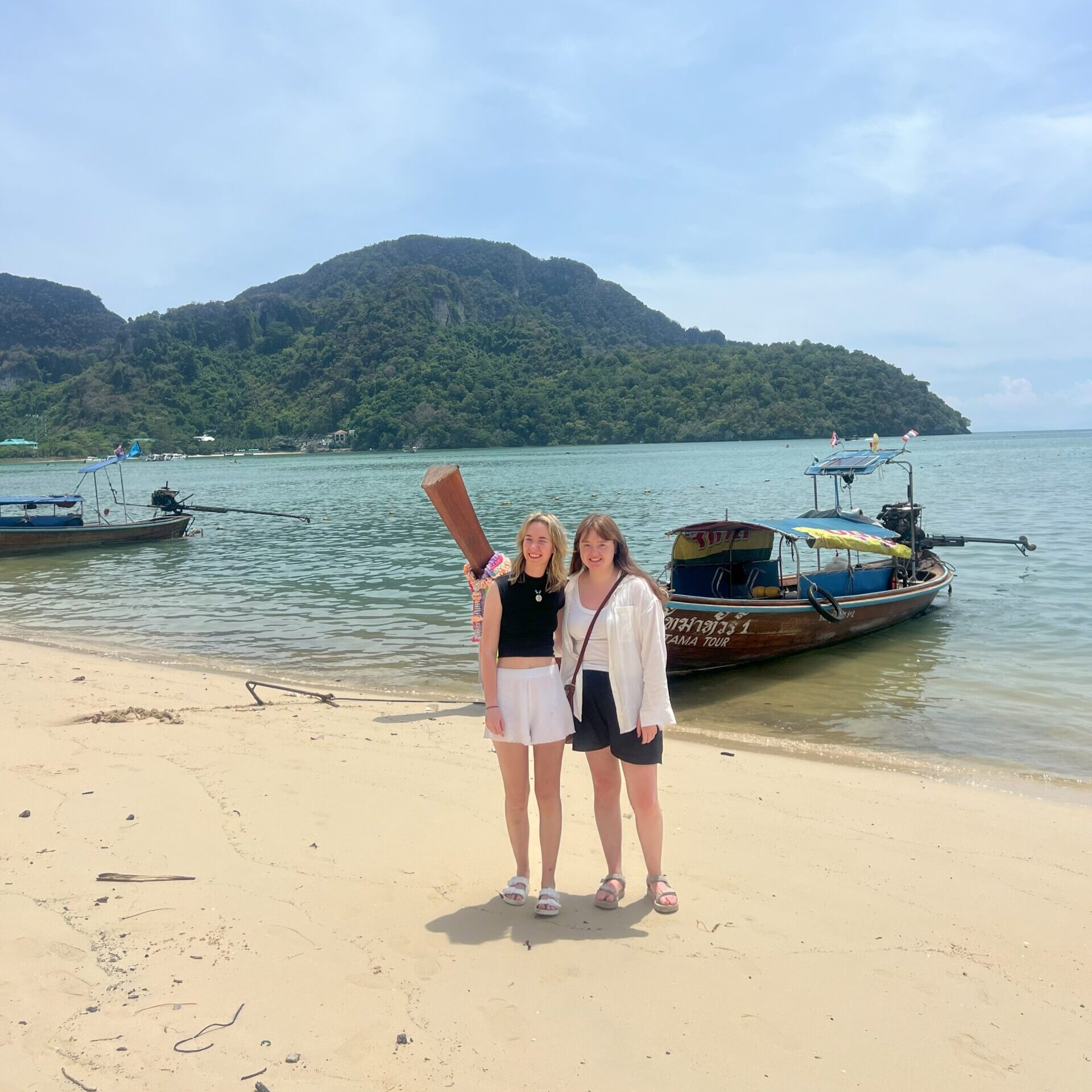
Perhaps you have always dreamed of teaching in Japan, South Korea, Spain or Thailand. Having a preferred destination is completely understandable, but limiting yourself to one country can reduce your opportunities significantly.
Consider expanding your search
Popular TEFL destinations include:
Being flexible often helps new teachers secure their first position much faster. Once you have gained experience, moving to your dream destination becomes much easier.
9. Underestimating Online Teaching Opportunities
Some TEFL graduates focus exclusively on teaching abroad and overlook online teaching.
This can be a costly mistake.
Online teaching can help you gain experience, build confidence, earn additional income and improve your lesson delivery skills.
Benefits of online teaching
- Flexible schedule
- Work from anywhere
- Global student base
- Valuable experience for your CV
- A great way to practise lesson planning
Many successful TEFL teachers begin online before transitioning into overseas positions. Employers often view online teaching experience positively, especially when you can explain what you learnt from it.
10. Giving Up Too Soon
Perhaps the biggest mistake of all is assuming that one rejection means you are not suitable for TEFL.
Finding your first TEFL job can take time.
Some teachers receive an offer after their first interview. Others may submit 20 or 30 applications before securing a role. This is completely normal.
Remember
Every application helps you improve:
- Your CV
- Your cover letter
- Your interview skills
- Your confidence
- Your understanding of the TEFL job market
Persistence is often the difference between those who succeed and those who never get started.
Quick Checklist Before Applying for Your First TEFL Job
Before sending your next application, ask yourself:
- Have I completed a recognised TEFL qualification?
- Is my CV tailored to the role?
- Have I written a personalised cover letter?
- Have I researched the school?
- Have I prepared for interview questions?
- Am I applying for suitable positions?
- Am I considering both online and overseas opportunities?
If you can answer yes to each question, you are already ahead of many applicants.
Prepare for Your TEFL Interview
Securing an interview is a great first step, but preparation is key to turning it into a job offer. To help you feel more confident, check out our guide featuring 25 real TEFL interview questions, sample answers and expert tips:
https://teflinstitute.com/blog/tefl-job-interview-questions-25-real-examples-and-sample-answers/
It could give you the edge you need to land your first TEFL job.
Final Thoughts
Getting hired as a TEFL teacher is not about being perfect. It is about presenting yourself professionally, showing enthusiasm and demonstrating that you are ready to learn.
Focus on Progress, Not Perfection
Thousands of new TEFL teachers secure their first job every year without previous classroom experience. By avoiding these common mistakes and continually improving your applications, you will put yourself in a much stronger position to succeed.
Your TEFL Journey Starts With One Application
With the right qualification, a strong application and persistence, your first TEFL opportunity could be much closer than you think. Stay open-minded, keep applying and remember that every successful TEFL teacher started exactly where you are now.
We love taking your call.

TEFL Institute guides
Plan for 2027
China
Z visa, pay and cities
Read the guide
Plan for 2027
Vietnam
Work permits and requirements
Read the guide
Plan for 2027
Estonia
Jobs, pay and work routes
Read the guide
Plan for 2027
South Korea
EPIK, hagwons and pay
Read the guide
Plan for 2027
Taiwan
Buxibans, pay and visas
Read the guide
Most employers require a TEFL qualification of at least 120 hours. Some countries and schools may also require a bachelor’s degree, while others focus primarily on your TEFL certification and English proficiency.
This varies depending on the country, time of year and your flexibility. Some graduates receive job offers within a few weeks, while others may take a few months. Applying consistently and tailoring each application can improve your chances.
A Level 5 TEFL qualification can help you stand out in competitive job markets and may open doors to higher-paying teaching opportunities. Many employers recognise Level 5 qualifications as being equivalent in difficulty to the first year of a university degree.
Yes. A TEFL qualification can help you find online teaching opportunities with language schools, tutoring platforms or private students. Teaching online is also an excellent way to gain experience before teaching abroad.
Popular destinations for new TEFL teachers include Vietnam, Thailand, Cambodia, China and Spain. These countries often have strong demand for English teachers and opportunities suitable for newly qualified candidates.
Your TEFL CV should include your qualifications, work experience, transferable skills, teaching experience (if any), language abilities and relevant achievements. Tailoring your CV to each role can improve your chances of being shortlisted.
There is no set number. Some TEFL teachers secure interviews after only a few applications, while others may need to apply for 20 or more positions. Consistency, persistence and well-prepared applications are key to success.