Have you been thinking about teaching English online? Is it worth it? Calculate your potential earnings and discover how much money you can make teaching online
Have you been thinking about teaching English online? Is it worth it? Calculate your potential earnings and discover how much money you can make teaching online
Published: 23rd March 2026 (Updated: 27th August 2026) · 14 min read
Top Summer TEFL Destinations for 2026: Best Countries, Salaries, and How to Get Level 5 Qualified
Discover the best places to teach English in summer 2026, how much you can earn, what life is really like, and why a 180-hour Level 5 TEFL Diploma plus specialist micro-credentials is the gold standard entry route.
Why Summer 2026 Is the Perfect Time to TEFL
Summer 2026 is an ideal window to combine travel, meaningful work and career development. Travellers are increasingly looking for authentic, slower trips that allow them to connect with local communities, rather than rushing through a checklist of sights. Teaching English abroad for a summer gives you a home base,
a routine, and the chance to build real relationships while still exploring your destination.
At the same time, demand for English teachers remains steady across Asia, Europe, the Middle East and Latin America. Many schools recruit specifically for summer programmes, language camps and short-term contracts. If you plan ahead, you can complete a high-quality 180-hour Level 5 TEFL Diploma in the spring, then start a paid teaching adventure abroad as soon as the school or university year finishes.
Whether you are in Ireland, the UK or elsewhere, you can use summer 2026 as a test-drive for a longer TEFL career, a one-off adventure before a graduate scheme, or a flexible way to see the world while earning. This guide walks you through where to go, what to expect and how to get properly qualified.
Best Summer TEFL Destinations for 2026
Choosing where to spend your summer 2026 is about more than cheap flights and sunshine. You will be living and working there, so you need to think about salaries, cost of living, visa routes, lifestyle and the kind of teaching you want to do.
Below you will find a region-by-region overview of some of the most exciting TEFL destinations for summer 2026. Use this as a starting point, then drill down into individual country guides as part of your wider cluster content.
East Asia: Japan, South Korea, Vietnam
East Asia is a classic TEFL region, and for good reason. You will find strong demand for English teachers, structured contracts, and a fascinating blend of modern city life and deep tradition. If you are keen on cultural immersion and long-term career potential, this region should be high on your shortlist.
Japan suits teachers who are drawn to culture and variety. Think temples, neon-lit city streets, mountain hikes and coastal escapes. Work is often found in private language schools, eikaiwa, and sometimes summer programmes linked to universities or local institutions.
South Korea is ideal if you want a clear contract, a decent salary and good benefits. Many jobs include free or subsidised housing, flight reimbursement and end-of-contract bonuses. The lifestyle combines busy city life with weekend trips to beaches, islands and national parks.
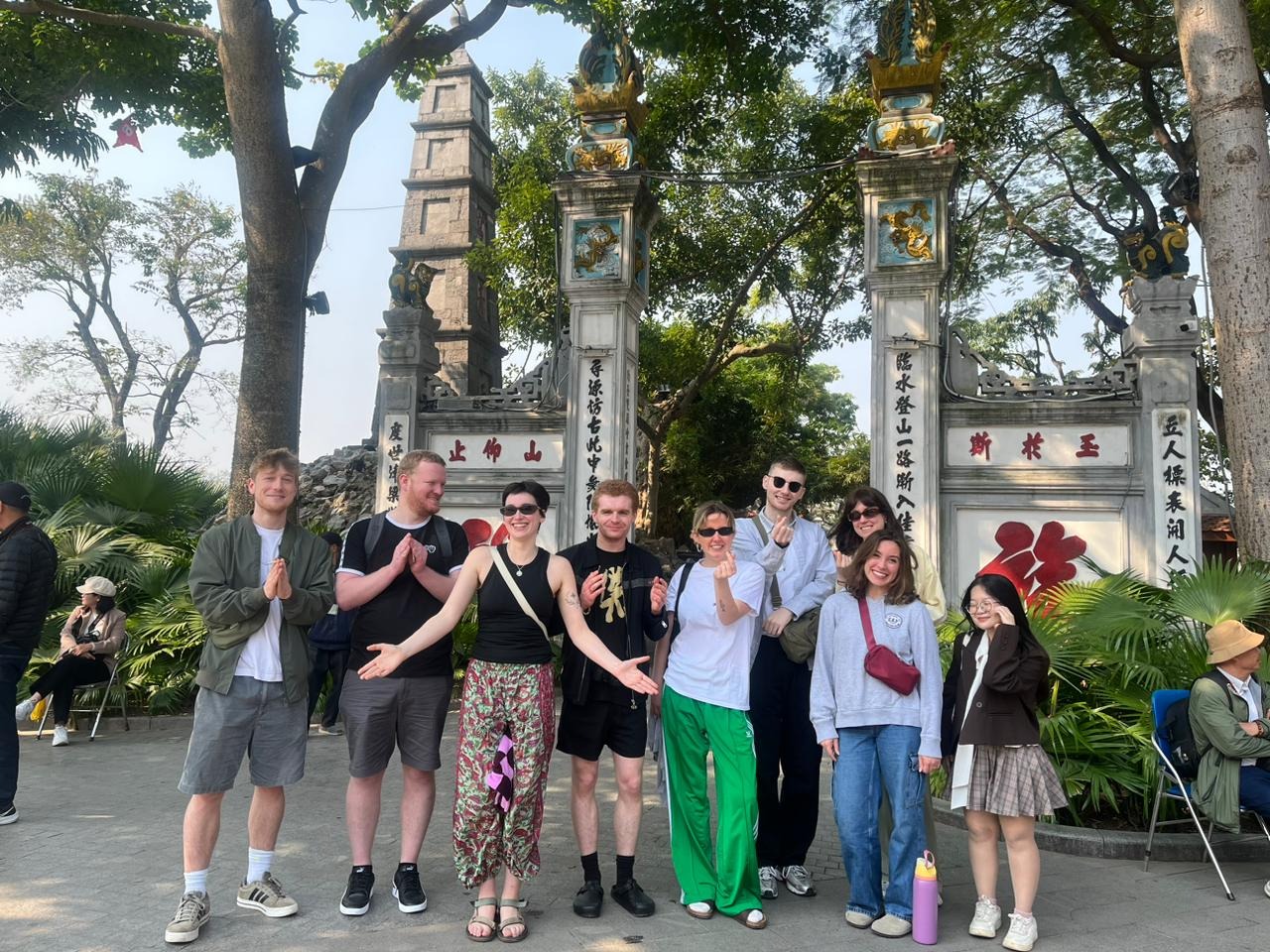
Vietnam offers a more laid-back, backpacker-friendly TEFL experience. You are likely to find a mix of part-time and full-time roles in Hanoi, Ho Chi Minh City and Da Nang, with plenty of opportunities to top up your income through private classes or online teaching. The cost of living is generally lower than in Europe or East Asia, so your money can stretch further.
Europe: Spain, Italy, Portugal
Europe remains a dream destination for many TEFL teachers, especially those from Ireland and the UK. Short flights, familiar cultural references and strong transport links make it easy to settle in quickly. Summer 2026 is an especially good time to combine language camps, private tutoring and travel around the continent.
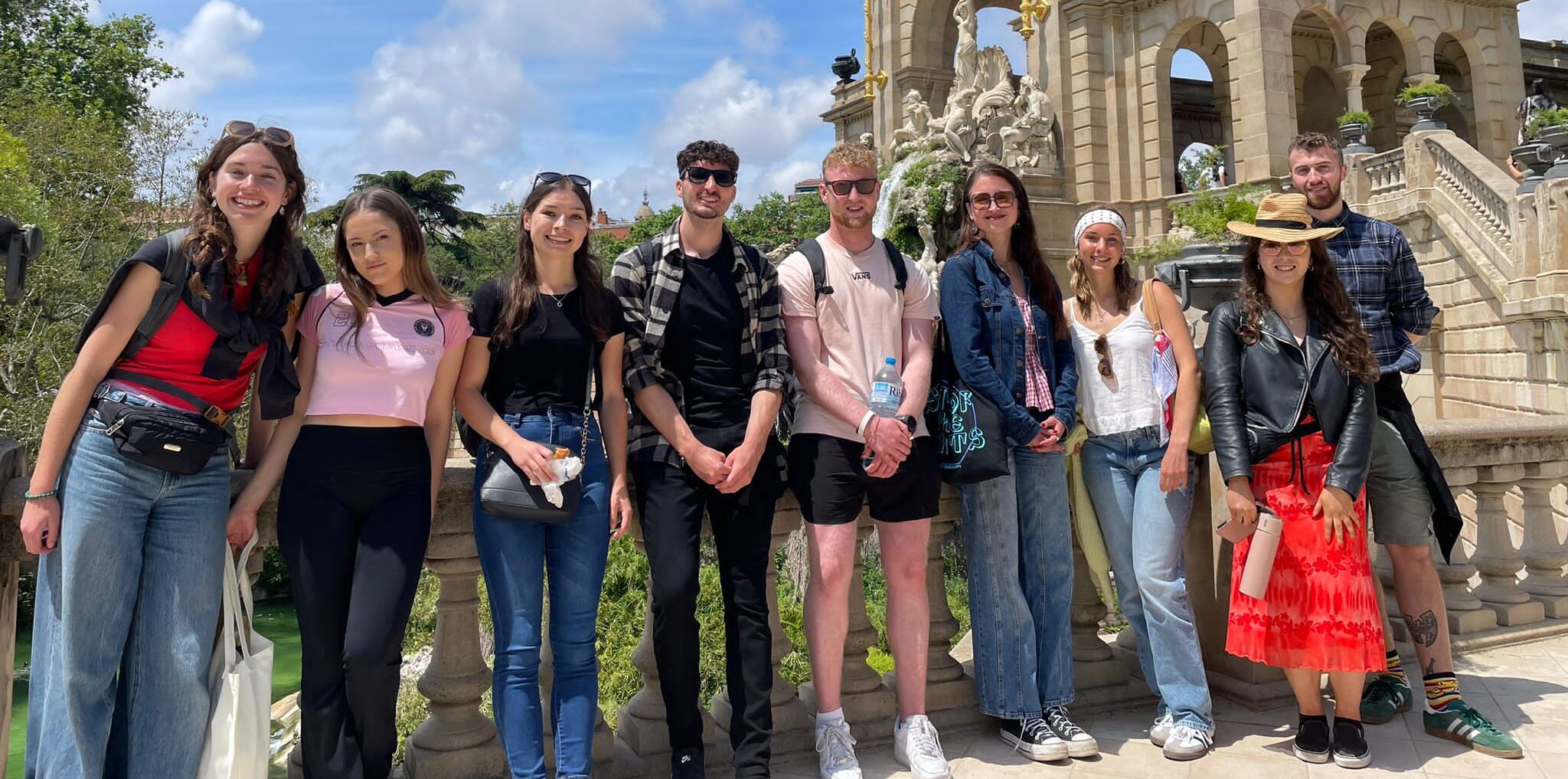
Spain continues to be one of the most popular TEFL destinations in Europe. Cities such as Madrid, Barcelona, Valencia and Seville offer a mix of language schools, summer camps and private tutoring opportunities. Expect long summer evenings, vibrant festivals and plenty of beach time if you choose a coastal area.
Italy is perfect if you are drawn to history, food and culture. Rome, Milan, Florence and smaller regional cities can all offer summer work, particularly in junior camps and short intensive courses. Outside the classroom, you can spend your free days discovering historic sites, enjoying aperitivo culture and exploring the coastline.
Portugal has emerged as a favourite for teachers and digital nomads. Lisbon and Porto have a growing number of language schools, and coastal towns attract students throughout the summer. If you are into surfing, laid-back evenings and a compact yet varied country, Portugal is a strong choice.
Middle East: United Arab Emirates (UAE)
The UAE is known for higher salaries and generous benefits rather than casual summer roles, but it deserves a place in your 2026 TEFL planning. Teachers often use a UAE contract to build savings and experience before travelling widely in their holidays.
Dubai and Abu Dhabi are the main hubs, offering roles in language schools, colleges and universities. Employers typically look for strong qualifications, such as a Level 5 TEFL Diploma and sometimes a degree in education or a teaching licence. In return, you may receive tax-free pay, accommodation or allowances, and paid flights.
Summer in the UAE is extremely hot, so much of day-to-day life takes place in air-conditioned environments. If you can handle the climate, the rewards can be worth it, especially if your goal is to save money and accelerate your TEFL career.
Latin America: Mexico and Costa Rica
Latin America is ideal if you want warm weather, a relaxed lifestyle and the chance to improve your Spanish alongside teaching. Mexico and Costa Rica both offer a good mix of work and travel, with plenty of opportunities to explore beaches, mountains and vibrant cities in your free time.
Mexico combines buzzing urban life with world-famous coastlines. You will find teaching work in cities such as Mexico City, Guadalajara and Monterrey,
as well as in tourist areas where English is important for the hospitality industry.
Costa Rica is perfect for nature lovers and eco-tourism fans. Teaching jobs are often centred in the Central Valley and popular coastal areas, giving you access to rainforests, national parks and surf towns at the weekend.
TEFL Salaries and Cost of Living in 2026
When comparing destinations, it is essential to look beyond the headline salary. Cost of living, housing, flights and benefits can dramatically affect how much you actually save. A slightly lower salary in a cheaper country can sometimes give you more freedom than a higher salary in an expensive city.
The table below gives a broad overview of typical salary ranges and lifestyle factors in key TEFL regions for 2026. Exact amounts vary by employer, experience and hours, but this will help you compare options at a glance.
Typical TEFL Salary and Lifestyle Overview (2026)
Country / Region
Typical Monthly Salary (Local Jobs)
Cost of Living vs UK / Ireland
Savings Potential
Summer Vibe for TEFL Teachers
UAE
High, often equivalent of roughly £2,700–£4,300 with benefits
Higher in big cities, but housing and flights often included
Very strong if you budget sensibly
Modern malls, brunches, desert trips, resort-style living
South Korea
Medium–high, around £1,400–£1,900 plus housing in many contracts
Moderate; local food and transport are affordable
Strong, especially with free accommodation
Busy city life, nightlife, festivals and beach days
Japan
Medium–high, often around £1,600–£2,100
Higher in Tokyo, more moderate in smaller cities
Moderate, improves outside major hubs
Cultural festivals, mountain escapes and coastal breaks
Vietnam
Medium, often around £700–£1,200 depending on hours
Generally low; food and rent can be very affordable
Moderate; excellent lifestyle value
Café culture, night markets, beach weekends
Spain
Medium, often around £800–£1,300 for language schools
Moderate; rents are higher in big cities and tourist hotspots
Modest, but high quality of life
Beach days, festivals, long warm evenings
Italy
Medium, broadly similar to Spain with regional variation
Moderate; tourist cities can be pricey
Modest, best for lifestyle rather than pure savings
Medium–low to medium, depending on city and school type
Moderate; coastal hubs are rising in price
Modest; popular with digital nomads
Surf towns, chilled city life, warm evenings
Mexico
Medium, varies widely by city and employer
Low to moderate
Modest to good, depending on lifestyle
Colourful, lively, full of festivals and street food
Costa Rica
Medium–low to medium
Moderate; tourist areas can be expensive
Modest; biggest benefit is lifestyle and nature
Beach days, rainforest hikes, eco-tourism
These are guideline ranges rather than fixed amounts.
Always check current job adverts and talk to recent teachers before you commit to a contract.
Who Summer TEFL Is Best For
Summer TEFL can work for a wide range of people, but some profiles are especially well suited. Thinking about where you fit can help you choose the right country, contract length and course.
University students and recent graduates:
Summer TEFL is perfect between academic years or before starting a full-time job. You can gain experience, travel and test whether teaching is for you.
Career changers:
If you are curious about teaching or working abroad but do not want to commit to a full year, a summer contract lets you try it in a lower-risk way.
Teachers and classroom assistants:
School holidays are long, and TEFL abroad is a more interesting way to spend them than staying at home.
Digital nomads and remote workers:
You can combine online teaching with local classes, using summer as a testing ground for a more permanent move.
Many summer roles focus on children and teenagers, especially in Europe. If you enjoy high-energy classrooms, games and outdoor activities, this style of work will probably suit you very well. If you prefer adults, look for short intensive courses, university programmes or exam preparation classes.
Life in Summer as a TEFL Teacher
Daily life as a summer TEFL teacher varies by country and employer, but some common patterns can help you imagine what to expect. In many European summer schools, you might teach in the morning, run activities in the afternoon and then join evening events, with scheduled time off for rest and exploring.
In Asia and Latin America, timetables can be more mixed. Classes may run in the early morning or evening to suit students who work or study during the day. You might also pick up private lessons or online teaching to supplement your main job.
Outside work, summer TEFL is typically social and active. Teachers often live in shared accommodation or campus housing, which makes it easy to build a friendship group quickly. Weekends might be spent on beach trips, city breaks, hikes or simply enjoying local cafes and nightlife.
Climate is a practical consideration. Southern Europe, parts of Asia and the Middle East can be very hot in the summer months. Make sure you are comfortable with the weather in your chosen destination and factor air conditioning, clothing and working hours into your planning.
Teaching English in Thailand
Why a 180-hour Level 5 TEFL Diploma Is the Gold Standard
Not all TEFL courses are created equal. While a short 120-hour course can open some doors, a 180-hour Level 5 TEFL Diploma gives you a stronger, more widely respected qualification that can significantly improve your job options and earning potential.
Level 3 vs Level 5 in Simple Terms
In the UK qualification framework, many entry-level TEFL courses sit around Level 3. They provide an introduction to teaching English but may not offer the depth that employers in competitive markets expect. A Level 5 TEFL Diploma is set at a higher academic level, closer to the first year of university.
A 180-hour Level 5 Diploma typically includes:
Around 180 hours of guided learning at Level 5.
In-depth coverage of grammar, teaching methodology and lesson planning.
Classroom management strategies for different learner types.
Assessed assignments that require you to apply theory to real-world situations.
Training for both online and in-person teaching environments.
Because the qualification is mapped to a regulated framework, employers can see exactly what level you have studied at. This transparency makes it easier to secure roles in higher-paying markets.
Why 180 Hours Specifically Matters
The 180-hour format builds on the more common 168-hour Level 5 course by adding extra guided learning. That extra time is usually used to deepen your understanding of lesson planning, refine your classroom management skills and expand your knowledge of teaching in online environments.
In practical terms, this means you finish with a stronger toolkit. You are better able to adapt to mixed-ability groups, design engaging activities, and troubleshoot problems when lessons do not go as planned. Recruiters can see that you have invested more time in your training, which helps you stand out in competitive destinations.
Key Outcomes of a 180-hour Level 5 TEFL Diploma
By the time you complete a 180-hour Level 5 TEFL Diploma, you should be able to:
Plan complete lessons with clear aims, logical stages and realistic timings.
Present and practise grammar and vocabulary using communicative techniques.
Manage classrooms effectively, including large and mixed-level groups.
Deliver lessons both online and face to face, adapting methods for each setting.
Assess learner progress and give constructive, motivating feedback.
Reflect on your teaching, respond to observations and refine your practice.
When you position this qualification in your content, present it as the gold standard starting point for anyone serious about TEFL in 2026, especially those targeting better-paid roles or more competitive countries.
Specialist Micro-credentials That Boost Your TEFL CV
Once you have a solid Level 5 Diploma, short specialist courses can help you stand out and target specific types of work. These micro-credentials are usually 20–40 hours each and focus on a particular niche.
Young Learners
A Young Learners micro-credential is invaluable if you plan to work in summer schools or camps, where many students are children or teenagers. It focuses on how to keep younger learners engaged, manage behaviour positively and design age-appropriate activities.
Typical topics include:
Classroom management with children and teens.
Games, songs and craft-based tasks for language practice.
Working with mixed-ability groups.
Safeguarding and child protection considerations.
If your dream is a lively summer school in Spain, Italy or Portugal, or a camp in East Asia or Latin America, this add-on is particularly relevant.
Business English
A Business English micro-credential prepares you to teach professionals who need English for work. This includes meetings, presentations, negotiations and email writing. It is especially useful in big cities and higher-income markets.
With Business English training, you can:
Carry out needs analysis to understand a client’s job and goals.
Design tailored courses around real workplace situations.
Use authentic materials such as reports, websites and emails.
Help learners build confidence in high-stakes professional contexts.
This specialism fits well with roles in major European capitals, East Asian business hubs and Gulf countries where corporate English is in high demand.
IELTS and Exam Preparation
An IELTS or exam preparation micro-credential focuses on helping learners achieve specific test scores. Many students need IELTS or similar exams for university entry, visas or professional registration.
In this type of course, you learn about:
Exam structure and task types.
Assessment criteria for speaking and writing.
Strategies for building reading and listening skills under time pressure.
How to design practice tasks and mock exams.
Exam preparation is a strong niche in East Asia, the Middle East and parts of Europe. If you enjoy focused, goal-oriented teaching, this micro-credential can be a great fit.
Online Teaching
An Online Teaching micro-credential is increasingly important, even if you plan to work abroad in person. Many teachers now blend local teaching with online lessons, or move entirely online after a period abroad.
This specialism typically covers:
Using video platforms and virtual classrooms effectively.
Adapting classroom activities for online delivery.
Managing breakout rooms and digital whiteboards.
Keeping learners motivated at a distance.
For summer 2026, online teaching skills allow you to start earning before you travel and continue teaching once you return home, making your TEFL journey more sustainable.
How to Choose Your Perfect Summer 2026 Destination
With so many options available, choosing just one destination can feel overwhelming. A simple, structured approach can help you narrow it down.
Clarify your main goal.
Is your priority savings, lifestyle, career progression or a low-risk taster? The UAE and South Korea favour savings and career, while Spain, Italy and Portugal offer lifestyle. Vietnam and Latin America are excellent if you value flexibility and lower living costs.
Check the entry requirements.
Some countries require a degree and often prefer a Level 5 TEFL Diploma. Others are more flexible but still expect good-quality training.
Match your micro-credentials.
Choose Young Learners if you want camps and summer schools, Business English for big cities and corporate clients, IELTS for academic hubs, and Online Teaching if you want maximum flexibility.
Consider climate and culture.
Think about how you handle heat, humidity, busy cities or quieter towns. Imagine your ideal weekend and choose a place that fits.
Think beyond one summer.
The qualification and experience you gain in 2026 can open doors in 2027 and beyond. Use this summer as a launchpad, not just a one-off trip.
Once you have a shortlist of two or three destinations, start reading in-depth country guides, join teacher groups, and compare real job adverts. That combination of research and gut feeling will usually point you to the right place.
Next Steps: From Daydreaming to Booking Your Flight
Turning your summer 2026 TEFL plans into reality is easier if you break it down into simple steps. You do not need to have every detail fixed immediately, but you do need a clear direction.
Add at least one specialist micro-credential that aligns with your summer goals, such as Young Learners for camps or Online Teaching for flexibility.
Shortlist two or three destinations, then research typical salaries, housing and visa timelines.
Start applying for summer 2026 roles three to six months in advance, especially for structured summer schools and popular cities.
Once you accept a job, organise your documents, insurance and flights, then enjoy planning your lessons and your travel adventures.
By combining a robust 180-hour Level 5 TEFL Diploma with targeted micro-credentials and smart destination research, you can turn summer 2026 into the start of something genuinely exciting: a season of travel, teaching and exploration that could reshape your career and your life.
We use technologies like cookies to store and/or access device information. We do this to improve browsing experience and to show (non-) personalized ads. Consenting to these technologies will allow us to process data such as browsing behavior or unique IDs on this site. Not consenting or withdrawing consent, may adversely affect certain features and functions.
Functional
Always active
The technical storage or access is strictly necessary for the legitimate purpose of enabling the use of a specific service explicitly requested by the subscriber or user, or for the sole purpose of carrying out the transmission of a communication over an electronic communications network.
Preferences
The technical storage or access is necessary for the legitimate purpose of storing preferences that are not requested by the subscriber or user.
Statistics
The technical storage or access that is used exclusively for statistical purposes.The technical storage or access that is used exclusively for anonymous statistical purposes. Without a subpoena, voluntary compliance on the part of your Internet Service Provider, or additional records from a third party, information stored or retrieved for this purpose alone cannot usually be used to identify you.
Marketing
The technical storage or access is required to create user profiles to send advertising, or to track the user on a website or across several websites for similar marketing purposes.
To provide the best experiences, we use technologies like cookies to store and/or access device information. Consenting to these technologies will allow us to process data such as browsing behaviour or unique IDs on this site. Not consenting or withdrawing consent, may adversely affect certain features and functions.
Functional
Always active
The technical storage or access is strictly necessary for the legitimate purpose of enabling the use of a specific service explicitly requested by the subscriber or user, or for the sole purpose of carrying out the transmission of a communication over an electronic communications network.
Preferences
The technical storage or access is necessary for the legitimate purpose of storing preferences that are not requested by the subscriber or user.
Statistics
The technical storage or access that is used exclusively for statistical purposes.The technical storage or access that is used exclusively for anonymous statistical purposes. Without a subpoena, voluntary compliance on the part of your Internet Service Provider, or additional records from a third party, information stored or retrieved for this purpose alone cannot usually be used to identify you.
Marketing
The technical storage or access is required to create user profiles to send advertising, or to track the user on a website or across several websites for similar marketing purposes.


 United Kingdom (UK)
 United States (US)
 Canada
 South Africa
 India
India Australia
 New Zealand
 China
China Russia
 Germany
 France
 Spain
Spain Netherlands
 Vietnam
 United Arab Emirates
 Italy
Italy Poland
 Thailand
 Türkiye











 Algeria