United Kingdom (UK)
 United States (US)
 Canada
 South Africa
 India
 Australia
 New Zealand
 China
 Russia
 Germany
 France
 Spain
 Netherlands
 Vietnam
 United Arab Emirates
 Italy
 Poland
 Thailand
 Türkiye









 Algeria


Teach English in Malaysia
TEFL jobs in Malaysia
You can teach English in Malaysia at international schools, private language centres, universities and with private students, mainly in Kuala Lumpur, Penang and Johor Bahru. International schools are the biggest employer of foreign teachers and pay the best, usually wanting a teaching licence. Foreign teachers need an employer-sponsored Employment Pass, and from 1 June 2026 the lowest category requires a salary of at least RM5,000 a month, which many entry-level language centre jobs do not meet. Malaysia’s minimum wage is RM1,700 a month.
Teaching English in Malaysia at a glance
| Main employers | International schools, private language centres, universities and colleges, private students |
| Typical pay | International schools pay most, often with housing and flights; language centres pay less |
| Minimum wage | RM1,700 a month, in force since February 2025 |
| Work pass salary floor | RM5,000 a month for an Employment Pass (Category III) from 1 June 2026 |
| Minimum TEFL hours | 120 hours for language centres; schools want a teaching qualification |
| Degree | Required by most employers and for the Employment Pass |
| Hiring | International schools recruit from late autumn for an August start; language centres hire year round |
| Main cities | Kuala Lumpur, Penang, Johor Bahru and Kota Kinabalu |
What kinds of English teaching jobs are there in Malaysia?
International schools. Malaysia has one of the largest international school sectors in Asia, especially in the Klang Valley around Kuala Lumpur, Penang and Johor Bahru. They follow British, Australian, American or IB curricula, want qualified teachers with a teaching licence and experience, and offer the strongest packages.
Private language centres. Teach children, students and adults general, exam and business English, often in the evenings and at weekends. Many focus on IELTS and Cambridge exams.
Universities and colleges. Private universities and foundation programmes hire English lecturers, usually wanting a master’s degree.
Government and exchange programmes. US graduates can apply for the Fulbright English Teaching Assistant programme, which places assistants in Malaysian secondary schools.
Private tutoring and online teaching. Only legal if your pass allows it, so check before taking on outside work.
How much do English teachers earn in Malaysia?
International schools pay the most, and packages for qualified teachers commonly include housing or a housing allowance, flights and medical insurance. Language centres pay less, and many entry-level roles fall below the new Employment Pass salary floor. From 1 June 2026, an Employment Pass in Category III requires a monthly salary of at least RM5,000, up from RM3,000, for new applications and renewals. Malaysia’s national minimum wage is RM1,700 a month. Living costs are moderate, especially outside central Kuala Lumpur. Compare pay across countries on the TEFL Salary Index, or read how much TEFL teachers make.
What qualifications do you need to teach English in Malaysia?
Most employers expect a bachelor’s degree, which is also needed for the Employment Pass. Language centres usually want a TEFL certificate of at least 120 hours, and IELTS or Cambridge exam training is a strong advantage. International schools want a teaching licence such as a PGCE and classroom experience. An Ofqual-regulated Level 5 TEFL Diploma strengthens applications for the better paid centre and college roles, and it can be verified on the Ofqual register.
Which visa do you need to teach English in Malaysia?
Many nationalities, including UK, Irish and US citizens, can visit Malaysia visa-free, but that does not allow work. To teach, your employer applies for an Employment Pass through the Immigration Department’s Expatriate Services Division. From 1 June 2026, the minimum salary is RM5,000 a month for Category III, RM10,000 for Category II and RM20,000 for Category I, with a maximum of five years in Category III and a succession plan required. Because of the higher salary floor, international schools and established colleges are now the most realistic sponsors for foreign teachers. Check current rules with your employer and our Visa Desk before you accept an offer.
Where are the English teaching jobs in Malaysia?
Kuala Lumpur and the surrounding Klang Valley have most international schools, language centres and universities. Penang has a large international school community and a famous food scene. Johor Bahru, next to Singapore, has fast-growing international schools in the Iskandar region, and Kota Kinabalu in Sabah has a smaller market close to stunning nature.
What is it like teaching and living in Malaysia?
Malaysia is a multicultural country of Malay, Chinese and Indian communities, with English widely spoken, outstanding food and easy travel across Southeast Asia. Students are generally polite and motivated, especially exam candidates. It is hot and humid all year, with monsoon rains that vary by region. Malaysia is a Muslim majority country, so dress modestly in many settings and respect Ramadan.
Teaching in Malaysia: read next
- Comparing Southeast Asia? See our guides to Thailand, Vietnam and Indonesia.
- Teaching exam classes? Read everything you need to know for teaching IELTS.
- Compare pay in our TEFL Salary Index and check entry rules on the Visa Desk.
Last updated: 3 October 2026. Pay figures are approximate, not quotes. Employment Pass rules and salary thresholds change, so confirm current requirements with Malaysia’s Immigration Department and your employer before you accept an offer.



Living costs
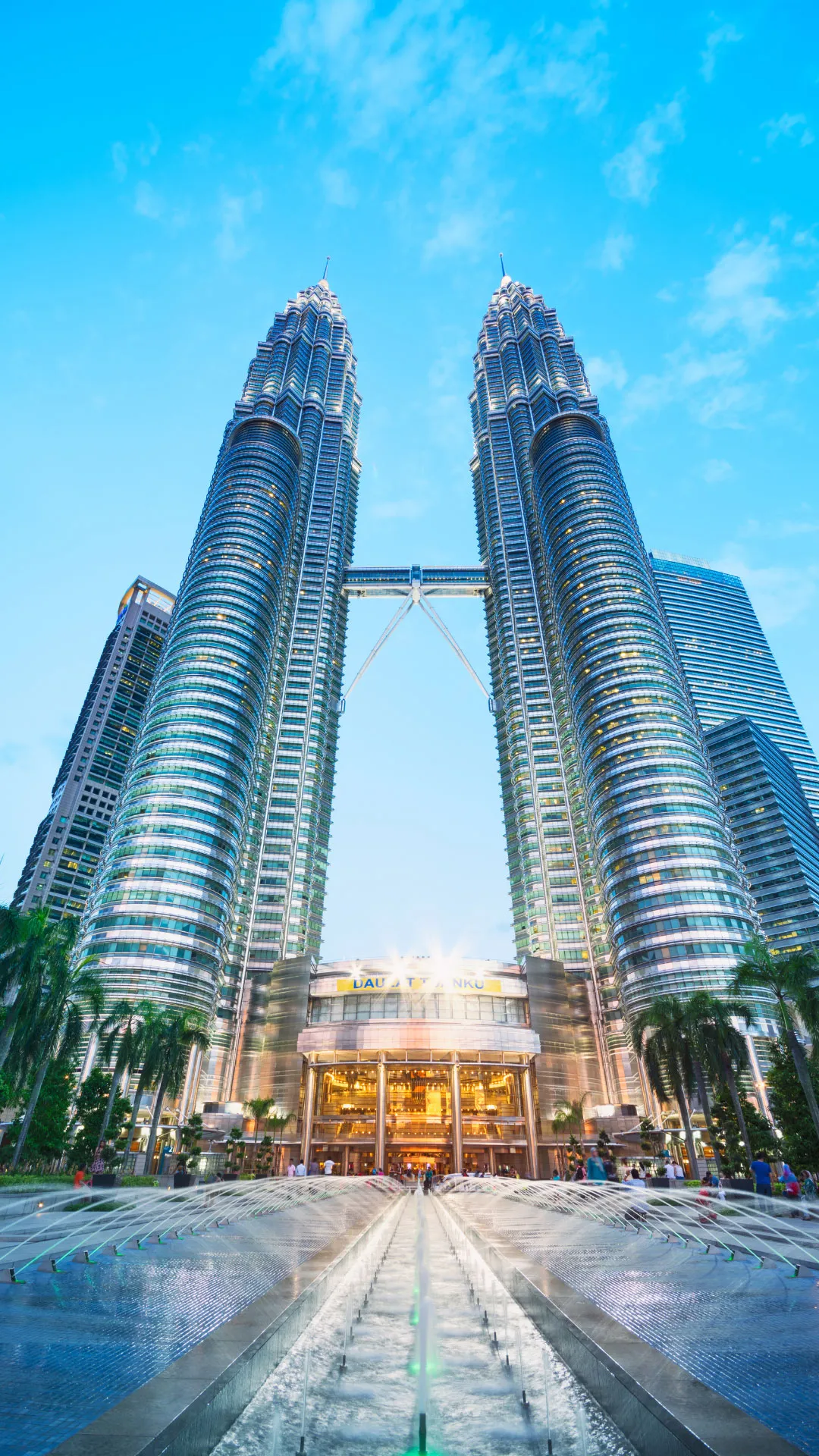
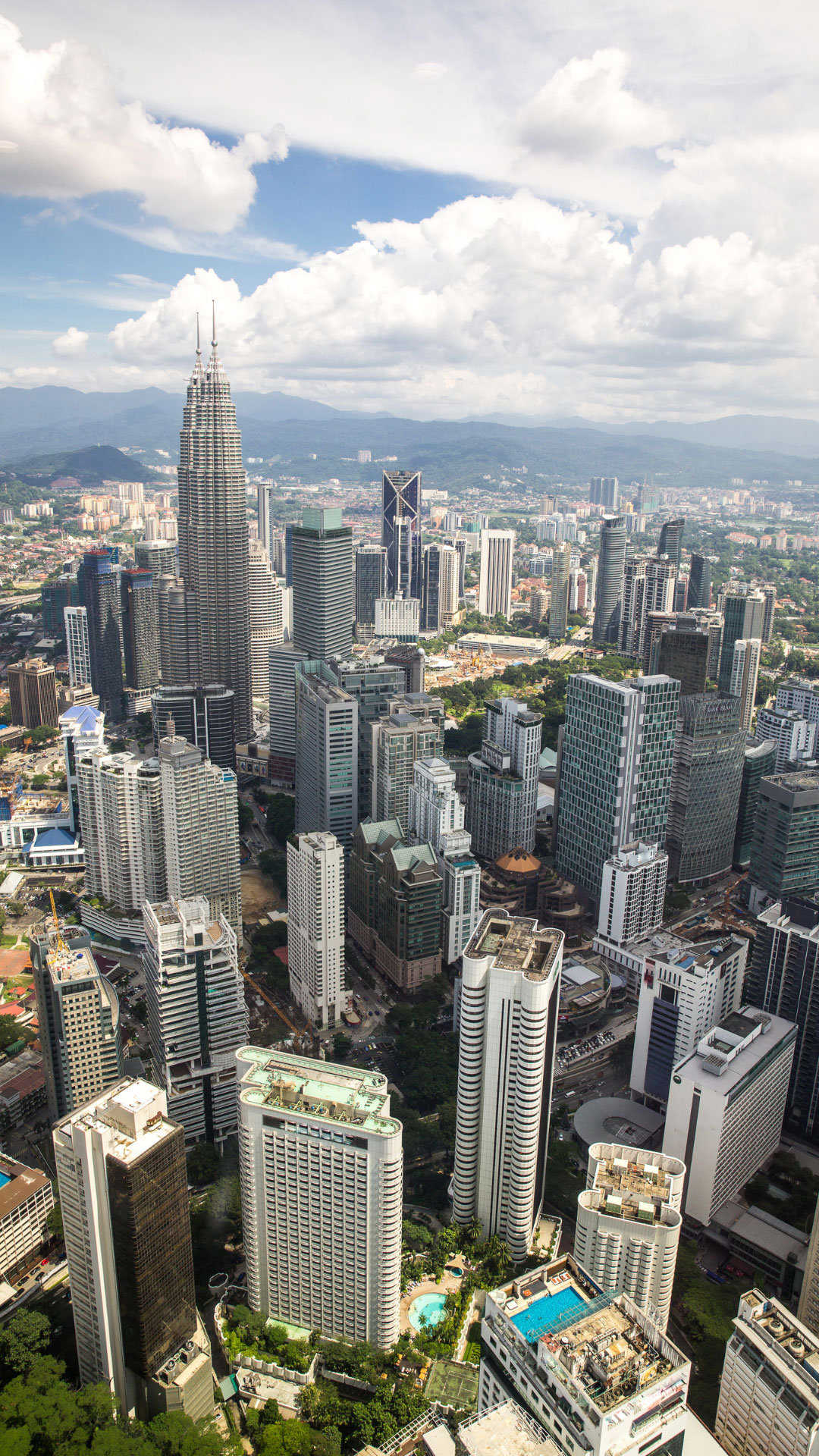
Malaysia has one of the best cost-to-quality-of-life ratios in Southeast Asia, and Kuala Lumpur offers modern condos with pools and gyms at a fraction of Singapore prices. Rent depends heavily on the area: KLCC, Bangsar and Mont Kiara are the premium districts, while Cheras, Kepong, Puchong and Petaling Jaya cost much less and are well connected by rail.
Hawker and mamak food is cheap and excellent, and air conditioning runs most of the year, so electricity is the main utility cost. Landlords usually ask for a two month deposit plus a utility deposit, and many flats are only partly furnished.
All figures below are in Malaysian ringgit (RM) and are typical 2026 Kuala Lumpur rental and price data, checked on 3 October 2026. Prices change, so check a current source before you budget.
- One-bedroom condo, outer KL (Cheras, Kepong, Puchong): RM1,000 to 1,800 a month
- One-bedroom condo, KLCC, Bangsar or Mont Kiara: RM2,000 to 3,500 a month
- Utilities, mainly air conditioning: RM200 to 450 a month
- Rapid Bulanan monthly rail and bus pass (non-citizens): RM150
- Single LRT or MRT ride: RM1.20 to 6.40
- Hawker stall meal: RM8 to 15
- Mid-range restaurant dinner: RM30 to 60 per person
- Single person budget, including rent: RM3,000 to 6,500 a month
TEFL jobs in Malaysia: KEY POINTS

SALARY
International schools pay most; work pass needs RM5,000+ a month

EDUCATION
Degree required for most jobs and the Employment Pass

MAIN JOB TYPES
International schools, language centres, universities and colleges

TEFL CERTIFICATION NEEDED
120 hour TEFL Training
KEY FACTS
- Popular locations for TEFL jobs: Kuala Lumpur and the Klang Valley for most international schools and language centres; Penang, Johor Bahru and Kota Kinabalu have smaller markets.
- English teacher pay in Malaysia: International schools pay the most, often with housing, flights and medical insurance; language centres pay less. A foreign teacher's Employment Pass needs a salary of at least RM5,000 a month from 1 June 2026. The national minimum wage is RM1,700 a month.
- TEFL qualification requirements: At least a 120-hour TEFL qualification
- Prerequisite university degree: Most jobs require a degree, but any subject is acceptable
- Currency: Malaysian ringgit (MYR)
- Term times: International schools usually run August to June; Malaysian public schools follow a different calendar. Language centres teach year round.
- Language: Malay; English is widely spoken, especially in cities and business
- Teaching programmes: International schools, international kindergartens, private language centres, universities and colleges, and the Fulbright English Teaching Assistant programme for US graduates
- Age restrictions: Maximum 65
- Previous teaching experience: is required for the higher-paid roles.
When to go
Climate and hiring in Kuala Lumpur
Apply between November and March, when international schools recruit, and arrive in late July for the August start, during the relatively drier June to August spell. Language centres hire year round.
Kuala Lumpur is hot and humid all year, with daytime highs around 91°F and warm nights around 75°F. There is no dry season: rain totals about 2,845 mm a year, usually as heavy afternoon thunderstorms, wettest from October to December and relatively drier from June to August. Haze from regional fires can affect air quality around August and September.
Average daily highs and lows, 1991 to 2020 station averages for Kuala Lumpur. Hiring months are typical patterns, not guarantees.
Facts about Malaysia

LANGUAGE
Malay

POPULATION
About 34 million

TEFL JOB DEMAND
Mid

CURRENCY
Malaysian ringgit (MYR)

CAPITAL
Kuala Lumpur

OUR MALAYSIA TEFL RATING
3.8/5
TEFL jobs in Malaysia: FAQS
How much can I earn as an English teacher in Malaysia?
International schools pay the most, and qualified teachers’ packages often include housing, flights and medical insurance. Language centres pay less. Because a foreign teacher’s Employment Pass needs a salary of at least RM5,000 a month from 1 June 2026, sponsored jobs now start at that level. Malaysia’s national minimum wage is RM1,700 a month.
Is Malaysia expensive to live in?
No, Malaysia offers good value. A one-bedroom condo in outer Kuala Lumpur costs about RM1,000 to 1,800 a month, hawker meals RM8 to 15, and a monthly rail and bus pass for non-citizens RM150. A single person typically spends RM3,000 to 6,500 a month including rent, depending on the area.
Can I teach English in Malaysia without a degree?
Very unlikely. Most employers require a bachelor’s degree in any subject, and it is also needed for the Employment Pass. If you do not have a degree, see our guide to teaching English without a degree for countries with more flexible rules.
What is the best TEFL certificate for teaching in Malaysia?
For language centres, an accredited TEFL certificate of at least 120 hours, such as our 120 Hour Advanced TEFL Course, is the standard, ideally with IELTS or Cambridge exam training. Because the new work pass salary floor favours better paid roles, an Ofqual-regulated Level 5 TEFL Diploma or CELTA strengthens applications to colleges and premium centres. International schools want a teaching licence such as a PGCE as well.
What is the Employment Pass salary rule for teachers in Malaysia?
From 1 June 2026, Malaysia raised the minimum salaries for Employment Passes, for new applications and renewals: RM5,000 a month for Category III, RM10,000 for Category II and RM20,000 for Category I. Category III passes now last up to five years and need a succession plan. Many entry-level language centre jobs pay less, so international schools and colleges are now the main sponsors. Check current rules on our Visa Desk.
Do I need to speak Malay to teach English in Malaysia?
No. English is widely spoken in Malaysia, especially in cities, business and international schools, so you can live and work comfortably without Malay. Learning a few phrases is appreciated and helps outside the main cities. Compare nearby markets in our guide to teaching English in Thailand.
TEFL courses
Become a confident, qualified English teacher with flexible online, classroom or mixed learning.

TEFL internship
With accommodation, training and full in-country support sorted – it’s the hassle-free way to kick-start your TEFL career.

TEFL jobs
Check out new TEFL job listings on our sister company’s well-stocked jobs board.