

 United Kingdom (UK)
 United States (US)
 Canada
 South Africa
 India
India Australia
 New Zealand
 China
China Russia
 Germany
 France
 Spain
Spain Netherlands
 Vietnam
 United Arab Emirates
 Italy
Italy Poland
 Thailand
 Türkiye








 Algeria


Yes. Thailand in 2026 remains a strong option for new and experienced TEFL teachers because demand for English in schools, language centres and private institutions continues to be steady. The market has matured, so better-qualified and better-prepared candidates tend to access the stronger roles. It is important to approach Thailand professionally, with realistic expectations about salaries, paperwork and lifestyle.
Teaching English in Thailand 2026: Visa, Salary, Best Cities
Teaching English in Thailand in 2026: Overview
Teaching English in Thailand in 2026 continues to appeal to graduates, career changers, long-term travellers and experienced educators who want a balance of professional opportunity and lifestyle. The country offers a wide range of roles across public schools, private schools, bilingual schools, language centres, universities and international schools, which means there are openings for both newly qualified teachers and those with stronger classroom experience.
One of the main reasons Thailand remains so popular is that it offers genuine variety. A teacher can choose the fast pace and higher earning potential of Bangkok, the slower rhythm of Chiang Mai, the cultural depth of provincial towns, or the lifestyle-led appeal of coastal and island locations. That flexibility is important because no two teachers want exactly the same experience.
In broad terms, newly qualified teachers usually enter the market through public schools or language centres, while better-qualified candidates can compete for bilingual, private and international school roles. As qualifications improve, so do employability, confidence in the classroom and access to stronger salary packages.
Why Thailand remains a top TEFL destination
Thailand has held its place as one of the most recognisable TEFL destinations for years because it combines accessibility with strong lifestyle appeal. For many people, it is the first country they seriously consider when they begin researching how to teach English abroad, and that has not changed in 2026.
The appeal comes from several factors working together. Schools continue to value foreign English teachers, especially where spoken English, pronunciation support and communicative teaching are priorities. At the same time, the cost of living can remain manageable outside the most expensive districts, making it possible for teachers to live comfortably and still save, especially if they tutor privately or secure a school that offers a stronger package.
Thailand also suits a wide spread of personalities. Some teachers want structure, weekday routines and school holidays. Others prefer flexible teaching hours in language centres or a stepping stone into broader international education. Thailand can support all of those paths, which is one reason it continues to attract such a broad mix of applicants.
Key point: Thailand is not simply “easy to enter”. The strongest opportunities increasingly favour candidates with better qualifications, a professional CV, clear legal paperwork and a recognised TEFL course at a higher level.

Visa, work permit and legal requirements
For the full checklist, including the Teachers’ Council of Thailand licence and which visas do not allow teaching, see our guide to the requirements to teach English in Thailand.
If you want to teach English in Thailand legally in 2026, you should think in terms of a process rather than a single document. In most cases, a teacher needs a valid job offer, a Non-Immigrant B visa, a work permit and the appropriate teacher licensing support arranged through the employer. These are not optional formalities. They are central to legal employment.
The usual sequence begins with securing a teaching role. Once you have a confirmed offer, the school or recruiter normally prepares supporting documents to allow you to apply for the correct visa. After arrival, the employer then assists with the work permit process and any related licensing requirements.
What most teachers need
- A valid passport with sufficient remaining validity.
- A bachelor’s degree, which is commonly required for legal work permission.
- A TEFL qualification, ideally a recognised 180-hour Level 5 TEFL Diploma.
- A criminal background check or police clearance, depending on employer requirements.
- School-issued paperwork to support the visa application.
- Passport photographs and signed application forms.
- In some cases, translated, notarised or officially prepared academic documents.
Non-Immigrant B visa
The Non-Immigrant B visa is the visa commonly associated with legal employment in Thailand. For English teachers, it is typically arranged after a school has agreed to hire you and issued the required documentation. This visa forms the legal bridge between being an applicant and being a teacher in post.
A common mistake among inexperienced applicants is assuming they can simply arrive on the wrong visa and regularise everything later without difficulty. In practice, serious schools generally want teachers to follow the correct route, because it protects both the employer and the teacher. A properly managed visa process signals professionalism from the start.
Work permit
The work permit is what authorises you to work in Thailand for the named employer. It is normally processed with employer support after you arrive and submit the requested paperwork. A teacher should never treat this as a minor administrative detail, because working without proper permission can create serious legal and employment problems.
In practical terms, the employer usually tells you exactly what to provide, by when, and in what format. That is one reason reputable schools and organised placement partners matter so much. A poorly prepared employer can slow the process down, while a strong employer often makes the experience far smoother.
Teacher licensing and compliance
Some schools also need foreign teachers to engage with local teacher licensing requirements or temporary teaching permissions. The exact pathway can vary depending on school type and role, but the key point is simple: legal teaching is not only about getting into the country, it is about being correctly documented once you begin working.
This is where well-qualified candidates often have an advantage. When a school sees that you already hold a recognised TEFL qualification, organised paperwork and a professional profile, it becomes easier for them to justify hiring you and investing time in the legal process.
Documents employers often ask for
- Degree certificate and, at times, transcripts.
- TEFL certificate.
- Passport copy and original passport.
- Recent passport photographs.
- Criminal background check.
- Medical certificate completed in Thailand if requested.
- Signed contract and school forms.
Why organised support matters
The visa and work permit process is one of the clearest reasons employability support matters. Teachers who work with a structured support team are usually better prepared, better informed and less likely to make preventable mistakes with documentation or deadlines.
That is especially important in 2026, because schools are increasingly aware that a casual or underqualified candidate may create risk. A candidate who arrives with the right training, realistic expectations and professional guidance is immediately more attractive.
Salary ranges in Thailand for English teachers
Salaries in Thailand vary significantly depending on school type, location, timetable, experience and qualifications. Anyone researching this topic should avoid looking for one single “Thailand salary” because that figure does not exist in a meaningful way. Instead, it is far more useful to break the market into categories.
Thailand pay, updated: see current school pay in baht and the next recruiting window in our TEFL Salary Index.
| School Type | Typical Monthly Salary | Who It Suits | General Notes |
|---|---|---|---|
| Public school | 25,000–45,000 THB | Newly qualified teachers, first-time teachers | Stable weekday routine, strong entry point, often lower pay but valuable experience |
| Language centre | 30,000–55,000 THB | Teachers wanting flexibility or extra hours | Evening and weekend teaching are common, hourly structures may vary |
| Bilingual or private school | 40,000–70,000 THB | Teachers with stronger TEFL training and some experience | Better pay, more expectations, stronger academic structure |
| University | 35,000–60,000 THB | Teachers with academic interest or relevant credentials | Can offer lighter schedules, though hiring may be more selective |
| International school | 55,000–170,000+ THB | Highly qualified, experienced educators | Best salaries in the market, but entry standards are much higher |
| Private tutoring | 300–1,500 THB per hour | Teachers building supplementary income | Often used to top up a regular school salary |
Entry-level expectations
A newly qualified teacher with a degree and a good TEFL certificate will often begin in the 25,000 to 45,000 THB range, with many first jobs clustering around the middle of that band depending on city and school type. That may not sound dramatic when viewed in isolation, but the real picture only makes sense when considered alongside local living costs.
Mid-range and progression salaries
Once a teacher has classroom experience, stronger references and a more advanced TEFL qualification, the market opens up. Bilingual schools, better-funded private schools and stronger urban employers may offer 40,000 to 70,000 THB per month, especially where the school wants professionalism, planning ability and a consistent classroom presence.
Higher-end roles
International schools sit at the top end of the market and can exceed 100,000 THB per month, with some roles rising far beyond that. These jobs are not normally aimed at newly qualified TEFL teachers alone. They usually favour licensed teachers, experienced educators and candidates with formal classroom backgrounds beyond an entry-level certificate.
What affects your salary most
- Your qualifications, especially whether you hold a recognised Level 5 TEFL qualification.
- Your previous teaching experience.
- The type of school hiring you.
- The city or region in which you work.
- Your timetable, including whether evenings or weekends are required.
- Whether you add tutoring or extra classes to your base salary.
Salary should never be judged in isolation. A slightly lower salary in a cheaper city can leave a teacher with more disposable income than a higher salary in an expensive district of Bangkok or a major tourist area.
Best cities in Thailand for TEFL teachers
The best city depends on what kind of teaching life you want. Some teachers prioritise salary ceilings and professional development. Others care more about lifestyle, rent, pace of life or access to nature. Thailand offers very different experiences depending on where you choose to live.
Bangkok
Bangkok is the largest and most competitive teaching market in the country. It generally offers the widest range of jobs, the greatest concentration of schools and the strongest access to bilingual and international education settings. It is the place most likely to reward ambition, but it also brings a higher cost of living and a faster pace.
● THE HIRE WIRE
Hiring windows close while you scroll.
Deadlines, salaries and visa notes for teaching jobs worldwide, checked against official sources and sent free every two weeks.
Get on the WireTeachers who thrive in Bangkok often value convenience, career progression, networking and variety. If you want the broadest choice of schools and the best long-term route into higher-paid teaching roles, Bangkok is often the most strategic option.

Chiang Mai
Chiang Mai attracts teachers who want a more relaxed environment without losing access to a recognised TEFL market. It is particularly attractive for those who want a balance of teaching, affordability and lifestyle. The pace is gentler, the surroundings are appealing and living costs can be lower than in the capital.
For many teachers, Chiang Mai feels more sustainable over time. Even where salaries are slightly lower than in Bangkok, the reduced living costs can improve day-to-day comfort and savings potential.
Provincial cities
Provincial cities and regional towns can be excellent for teachers who want authentic immersion and a stronger sense of local community. These roles may not always carry the glamour associated with Bangkok or beach locations, but they often provide meaningful classroom experience and a lower spending environment.
In many cases, a teacher in a provincial post spends less on rent, transport and leisure while gaining valuable teaching experience. That can make these roles especially attractive for newly qualified teachers who want to build confidence quickly.
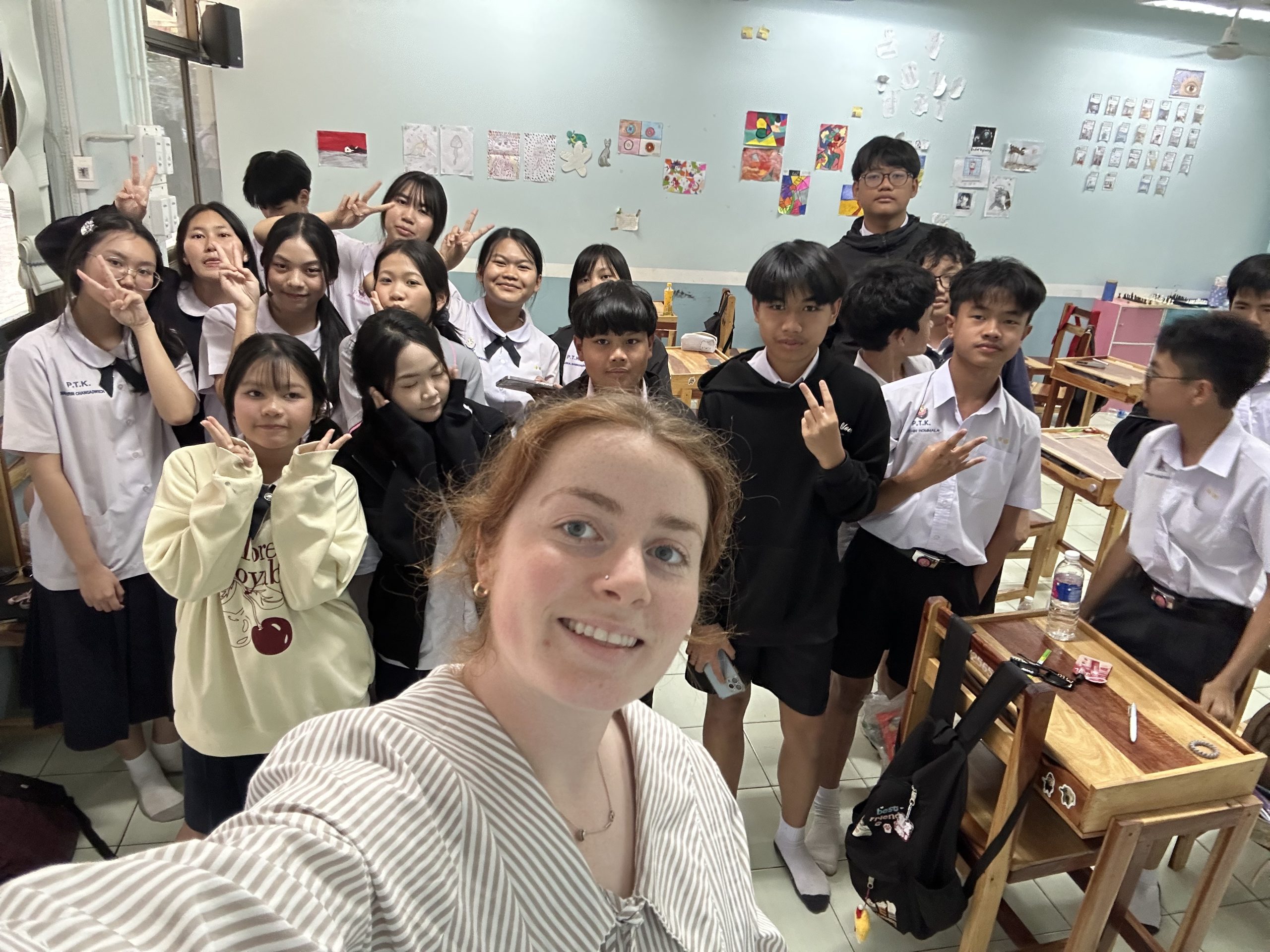
Phuket, Pattaya and island locations
Coastal and tourist-led areas appeal to those drawn by scenery and lifestyle, but they can be financially mixed. Living in a destination area can be exciting, though accommodation and social spending often rise accordingly. In other words, not every attractive location is a strong savings location.
These places can still suit the right teacher, particularly someone who values the experience itself and is realistic about costs. It is simply important not to assume that a beach setting automatically means the best all-round package.
Comprehensive comparison table
The table below compares major teaching contexts in Thailand in 2026. It is designed to help prospective teachers weigh salary, living costs, lifestyle and likely suitability at a glance.
| Context | Salary Range | Living Cost Pressure | Best For | Strengths | Watch-outs |
|---|---|---|---|---|---|
| Bangkok public school | 30,000–45,000 THB | Medium to high | New teachers wanting city access | Large job market, transport links, career visibility | Higher rent, busier lifestyle, stronger competition |
| Bangkok bilingual/private school | 40,000–70,000 THB | High | Qualified teachers aiming higher | Better salary, stronger CV value, more progression | Higher expectations, more planning and professionalism required |
| Chiang Mai school role | 28,000–45,000 THB | Low to medium | Teachers wanting balance | Lifestyle, affordability, strong community appeal | Fewer top-end roles than Bangkok |
| Provincial public school | 25,000–40,000 THB | Low | First-time teachers, immersion seekers | Lower costs, practical classroom experience, local culture | Less convenience, smaller expat networks |
| Language centre | 30,000–55,000 THB | Varies by city | Flexible teachers, side-income builders | Extra hours possible, varied age groups | Evenings and weekends often required |
| International school | 55,000–170,000+ THB | Medium to high | Experienced, highly qualified educators | Top salaries, benefits, strong professional standing | Very competitive entry requirements |
Salary and cost patterns vary by employer, district, timetable, experience and qualifications. The broad comparison above should be used as a planning guide rather than a guaranteed offer level.
Why the 180-hour Level 5 TEFL Diploma is the gold standard
A 180-hour Level 5 TEFL Diploma is widely regarded as the gold standard because it goes beyond the minimum threshold and positions a teacher as a serious professional rather than a casual applicant. In an increasingly competitive international teaching market, that distinction matters.
Shorter TEFL courses may satisfy basic entry expectations in some settings, but they do not always communicate the same level of depth, commitment or readiness. A Level 5 qualification signals stronger academic rigour, broader methodological coverage and a more professional training standard.
What makes it different
- It reflects a higher level of academic challenge than many entry-only TEFL options.
- It offers broader coverage of teaching methodology, lesson planning and classroom management.
- It better supports confidence with grammar, language awareness and real classroom decision-making.
- It strengthens your CV when schools compare applicants side by side.
Why schools value it
Schools do not only hire based on friendliness or enthusiasm. They hire on risk, reputation and classroom outcomes. A better-qualified teacher is easier to place in front of students, easier to justify internally and more likely to adapt successfully to classroom demands. That is why stronger employers increasingly pay attention to qualification quality.
Why it matters for Thailand in 2026
In Thailand, a recognised 180-hour Level 5 TEFL Diploma can be especially useful if you want access to stronger private schools, bilingual roles or better long-term progression. It helps move you beyond the “basic applicant” category and into a more employable bracket.
For teachers who want to build an actual career rather than simply travel for a year, the gold-standard route makes practical sense. It improves first-job prospects, supports later applications and provides a stronger professional base for future teaching work both abroad and online.
How to get started
- Complete a recognised 180-hour Level 5 TEFL Diploma.
- Prepare your CV, degree documents and background paperwork.
- Work with employability support to target suitable schools and locations.
- Secure a job offer before beginning the formal visa route.
- Follow the employer’s guidance on the Non-Immigrant B visa and work permit process.
- Arrive in Thailand with realistic financial expectations and a professional mindset.
- Build experience, gather references and progress towards stronger roles over time.
The most successful teachers are rarely the ones who simply “go and hope for the best”. They are usually the ones who prepare properly, train to a strong standard and enter the market with realistic expectations.
Professional disclaimer
This article is for general informational purposes only and should not be treated as legal, immigration, employment, tax or financial advice. Visa routes, work permit processes, school hiring requirements, salary levels and local compliance expectations can change, and individual employers may operate differently.
Anyone considering teaching in Thailand should confirm all relevant details directly with their chosen employer and the appropriate authorities before making decisions based on timing, relocation, documentation or financial planning.
We love taking your call.

TEFL Institute guides
Plan for 2027
Dubai
Pay, requirements and visas
Read the guide
Plan for 2027
Mexico
Jobs, pay and cities
Read the guide
Plan for 2027
Spain
Jobs, pay and visa routes
Read the guide
Plan for 2027
Taiwan
Buxibans, pay and visas
Read the guide
Plan for 2027
Germany
Freelance work and pay
Read the guide
Most schools expect at least a bachelor’s degree and a recognised TEFL qualification. A 180-hour Level 5 TEFL Diploma is considered a gold-standard option because it shows a higher level of training than shorter, entry-only certificates. While some schools may hire without a degree, the most secure and legally robust positions usually require one.
A 180-hour Level 5 TEFL Diploma is considered a gold standard because it combines depth, breadth and recognised level benchmarking. It typically covers teaching methodology, lesson planning, classroom management, language awareness and assessment in more detail than shorter courses. For schools, it signals that the teacher has invested in serious, structured preparation rather than taking the minimum possible route into the classroom.
Earnings vary by school type and location. Many new teachers in public schools and language centres earn between 25,000 and 45,000 THB per month. Bilingual and private schools often pay in the region of 40,000 to 70,000 THB, while international schools and some high-end roles can exceed 100,000 THB per month. Private tutoring and online teaching can add additional income on top of a base salary.
Yes, but it depends on your lifestyle and where you live. Teachers in smaller cities or more affordable neighbourhoods can often save a meaningful amount each month by keeping housing and daily costs moderate. In contrast, those living in central Bangkok or major tourist areas with frequent travel, nightlife and imported goods may find that their disposable income is lower even with a higher salary.
The cost of living is generally lower than in many Western countries, but it varies across Thailand. Rent in central Bangkok or in tourist hotspots like Phuket can be significantly higher than in provincial cities or northern towns. Local food and transport can be very affordable, especially if you eat local dishes and use public transport or a scooter. Imported food, international products and nightlife tend to cost more.
Some people attempt this, but it is not recommended as a professional approach. The safest and most reliable path is to secure a legitimate job offer and follow the correct visa route before starting work. Schools that value their reputation and compliance often expect teachers to treat the process seriously rather than hoping to regularise their position later.
Yes, some non-native English speakers do teach in Thailand. However, requirements are often stricter. Schools may ask for proof of language proficiency, such as recognised test scores, and they may emphasise professional qualifications even more. A strong TEFL qualification and a carefully presented CV become particularly important when the competition includes native speakers.
Yes. Many teachers supplement their in-person salary with online teaching, whether through established platforms or private students. This can be particularly helpful in balancing finances or gaining extra experience. However, you should always check the conditions of your visa, your contract and local rules so that any additional work is conducted appropriately.