United Kingdom (UK)
 United States (US)
 Canada
 South Africa
 India
 Australia
 New Zealand
 China
 Russia
 Germany
 France
 Spain
 Netherlands
 Vietnam
 United Arab Emirates
 Italy
 Poland
 Thailand
 Türkiye






 Algeria


Updated for 2027 intakes. Last reviewed: 12 November 2026
The TEFL trends that matter most to aspiring English teachers in 2027 are a stronger emphasis on verifiable qualifications, steady demand for online teaching, growing use of AI tools in lesson planning, and structured government programs with firm deadlines. None of these removes the basics: an accredited certificate, a realistic plan and official sources for visa rules.
Trend articles usually promise a revolution. In practice the field changes slowly, and the useful question is what a beginner should do differently. This guide covers four shifts we see, says plainly where the evidence is thin, and links to the sources that can confirm each one. It is a planning aid, not a forecast.
Key takeaways
- Employers increasingly ask whether a certificate can be verified, so choose a course with a number or a register entry, not just a badge.
- Online teaching remains a flexible way to start, but pay and platform rules vary, so read each platform’s own terms.
- AI tools are becoming a normal part of lesson planning, and teachers who can use them well, and explain their limits, have an advantage.
- Government programs recruit on fixed calendars. Missing a deadline costs a year, so plan backwards from it.
- Treat any claim of a guaranteed salary or job as a warning sign, and confirm rules with the official source.
Are verifiable qualifications becoming more important?
Yes, in our experience of what employers ask for. Recruiters who have seen many certificates of uncertain quality increasingly ask for something they can check, and a regulated qualification that appears on a government register answers that directly. A 120-hour course with assessed tasks is the usual minimum, and TESOL International Association’s standards for short-term certificate programs are written for courses of 120 to 180 hours.
Our guide to TESOL certification online explains the five checks to run before you pay. For a regulated option, see our Level 5 TEFL Diploma.
Is online teaching still a good place to start?
It is still a practical first step because you can begin from home with a certificate and a stable connection. The trade-off is that pay, hours and student demand vary by platform and season, and some platforms set their own qualification rules. Read the platform’s terms and test demand before you leave a stable job.
Many teachers combine online lessons with a placement abroad. Our guide to getting a job after a TEFL course explains the support available once you qualify.
How are AI tools changing TEFL?
AI tools are changing how teachers plan lessons and make materials, and they are an active area on our own site. The skill employers value is not using a tool blindly but checking its output, protecting student data and adapting material to a real class. Nothing in the evidence we reviewed suggests AI replaces the classroom teacher, though it changes the workload.
Treat claims about AI and jobs cautiously. If a source gives a figure, check who produced it and when.
Do government programs still matter?
Yes, for Americans in particular, because they offer a structured, supported route. Programs such as JET and TAPIF recruit on fixed calendars with eligibility rules that include degrees, age limits and language levels. Our guide to teach English abroad programs sets out how they work, and our guide to teaching English abroad with expenses paid explains what funding to expect.
Every TEFL opening, salary and deadline that matters.
In your inbox every two weeks. Free, no spam, unsubscribe any time.
Teacher pay by country
New TEFL openings
Programme and visa dates
If you are weighing a degree instead, read our guide to a master’s in TESOL.
How we write and check our guides
Every guide from The TEFL Institute Group is written to a published standard. We link to official sources, say where evidence is thin and date our pages so you can see how current they are.
What should an aspiring teacher do first?
Start by deciding where and how you want to teach, then work backwards. Choose a verifiable certificate, check the visa and degree rules for your target country in the Visa Desk, note any program deadlines, and build a little teaching experience before you apply. The 120-hour course is the usual starting point, and the Level 5 Diploma suits those aiming higher.
Ready to start?
The TEFL Institute Group is Europe’s largest TEFL trainer by teachers certified, with 161,000 teachers certified since 2017 who have gone on to teach in 80 countries. Every certificate carries a number an employer can verify.
Last updated: 12 November 2026. Trends are our reading of the field, not forecasts, and rules, pay and demand change. Confirm requirements with official sources before you act. This is general guidance.

Ola Flynn
Head of Marketing at The TEFL Institute Group. Ola runs our webinars and information sessions, loves travel and sharing interns’ stories, and joined our interns in Thailand for orientation.
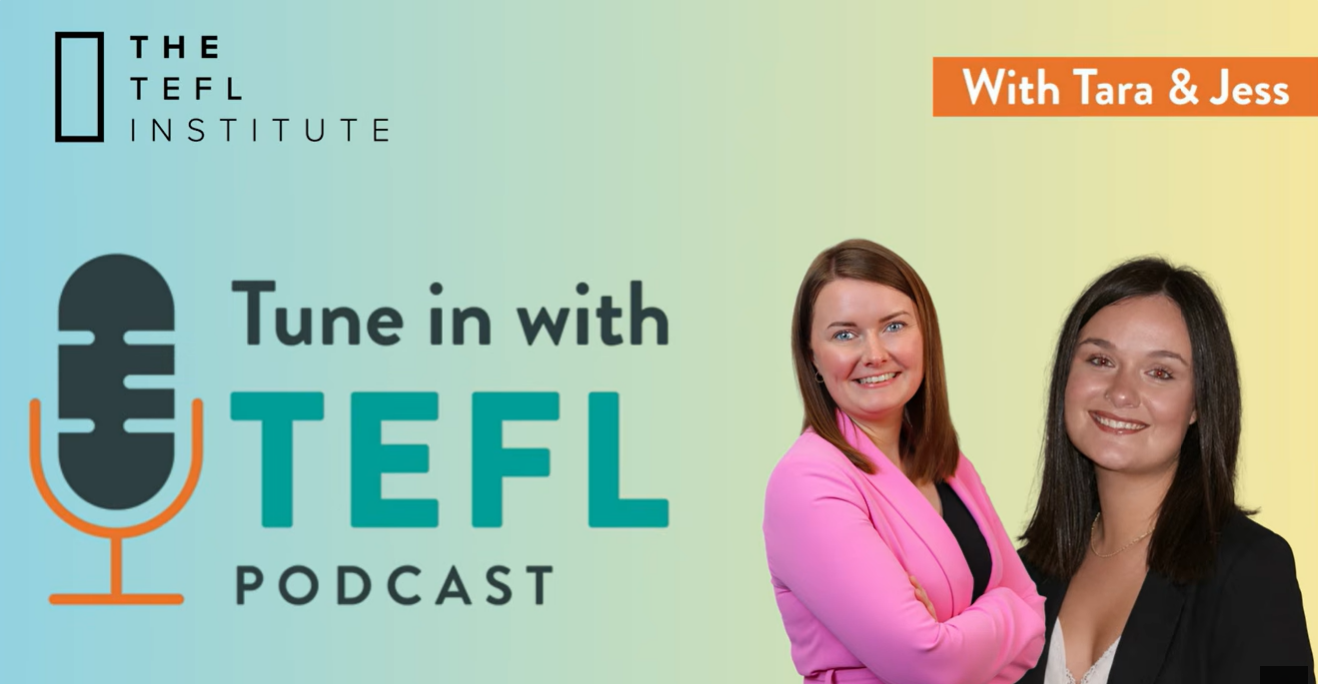
Tara and Jess talk through different TEFL and EFL topics, from finding work abroad to life in the classroom.
FAQs
Questions students ask us
Employers asking for verifiable qualifications, steady demand for online teaching, growing use of AI tools in lesson planning and structured government programs with fixed deadlines. The basics of an accredited certificate and official sources still apply.
It is for most people who want to teach English abroad or online, provided the certificate is accredited and long enough. Whether it is worth it for you depends on your destination, degree and goals.
We found no evidence that it replaces the classroom teacher, though it is changing how teachers plan lessons and make materials. Teachers who check AI output and protect student data have an advantage.
An accredited certificate of at least 120 hours that they can verify. A regulated Level 5 qualification is the stronger file for universities and international schools.
It is a practical first step because you can begin from home, but pay, hours and platform rules vary. Read each platform’s terms and test demand before leaving a stable job.
Work backwards from the closing date. Finish your certificate and gather documents and references well before it, because most programs recruit once a year and a miss costs you a cycle.