United Kingdom (UK)
 United States (US)
 Canada
 South Africa
 India
 Australia
 New Zealand
 China
 Russia
 Germany
 France
 Spain
 Netherlands
 Vietnam
 United Arab Emirates
 Italy
 Poland
 Thailand
 Türkiye






 Algeria


Updated for 2027 intakes. Last reviewed: 6 November 2026
The best TEFL certification for the Middle East is an Ofqual-regulated Level 5 TEFL Diploma held with a bachelor’s degree. Every Gulf state ties the work visa to an attested degree, and school posts also need ministry approval or a teaching licence. A 120-hour certificate still opens language centres across the region, and Egypt and Jordan are the easiest doors in.
Eight countries, the highest tax free salaries in the TEFL market, and the heaviest paperwork. This guide sets out what employers and immigration authorities in the UAE, Saudi Arabia, Qatar, Kuwait, Oman, Bahrain, Egypt and Jordan actually require for teachers starting in 2027, which certificate level fits each tier of job, and what has changed in 2026, including the professional verification Saudi Arabia now runs before a work visa is issued and the travel advice the UK government updated across the region on 27 October 2026. Where a figure comes from a law or a ministry page, we name it. Where it is an advertised range, we say so.
Key takeaways
- A bachelor’s degree is a visa condition in all six Gulf states, and usually needed for a work permit in Egypt and Jordan. No TEFL qualification at any level replaces it.
- School teaching in the Gulf is a licensed activity. The UAE runs a Teachers Licensing System, Qatar’s Ministry of Education approves each teacher individually, and Kuwait, Oman and Bahrain require Ministry of Education approval alongside the work permit.
- Language centres, corporate training and private tutoring accept a 120-hour accredited certificate plus a degree. They sit at the bottom of the pay range, but they are where most first contracts in the region are signed.
- Saudi Arabia’s Professional Accreditation programme now verifies the qualifications of new expatriate workers in listed professions before the embassy stamps a work visa, with verification taking up to 21 days.
- Paperwork differs sharply by country. Saudi Arabia, Oman and Bahrain accept an apostille; the UAE, Qatar, Kuwait, Egypt and Jordan do not, so documents go through embassy attestation instead.
- On 27 October 2026 the UK Foreign, Commonwealth and Development Office added a regional disruption warning to its advice for every country on this list, and it currently advises against all but essential travel to Saudi Arabia. Read the current advice for your destination before you sign anything.
What is the best TEFL certification for the Middle East, country by country?
The short answer is the same across the Gulf: a Level 5 Diploma and a degree for school posts, a 120-hour certificate and a degree for language centres. The detail that changes is which ministry has to approve you, how your documents are authenticated, and what the pay looks like once housing and flights are added. The table sets out the position for 2027 applicants.
| Country | Degree needed for the work visa? | Approval or licence for school posts | Hours employers expect | Main permit | Typical pay (approximate) |
|---|---|---|---|---|---|
| UAE | Yes, attested | Teachers Licensing System licence for school teachers; KHDA in Dubai and ADEK in Abu Dhabi regulate schools | 120 hours at centres; Level 5 for schools | Employer sponsored work permit, residence visa and Emirates ID | Centres AED 8,000 to 12,000 a month (about €1,950 to €2,925); international schools AED 12,000 to 22,000 or more (about €2,925 to €5,365), tax free |
| Saudi Arabia | Yes, attested, plus Professional Accreditation verification | Ministry of Education and ETEC licensing for school teachers | 120 hours at institutes; Level 5 for schools and universities | Employer sponsored work visa converted to an iqama | Institutes SAR 8,000 to 12,000 (about €1,910 to €2,865); universities and international schools SAR 10,000 to 20,000 or more (about €2,390 to €4,775) |
| Qatar | Yes, attested | Individual approval from the Ministry of Education and Higher Education; degree subject must match the subject taught | 120 hours at centres; Level 5 or CELTA preferred | Employer sponsored work visa, residence permit and Qatar ID | Centres QAR 6,000 to 12,000 (about €1,475 to €2,955); schools QAR 10,000 to 18,000 or more (about €2,460 to €4,430) |
| Kuwait | Yes, attested | Ministry of Education approval of each teacher at private schools | 120 hours; teaching licence for schools | Article 18 work permit through the Public Authority for Manpower, then iqama and Civil ID | Not published by us; ask for the full package in writing |
| Oman | Yes, attested | Ministry of Education approval plus Ministry of Labour work permit | 120 hours; teaching qualification for schools | Labour clearance, employment visa and resident card | Not published by us; ask for the full package in writing |
| Bahrain | Yes, attested | Ministry of Education approval; school must be MoE licensed | 120 hours; teaching qualification for schools | LMRA work permit, which carries residency | Not published by us; ask for the full package in writing |
| Egypt | Usually, for the work permit | None for language centres | 120 hours | Ministry of Labour work permit, then residence permit | Centres EGP 15,000 to 35,000 a month (about €240 to €565); international schools far more, often partly in US dollars |
| Jordan | Usually, for the work permit | None for language centres | 120 hours, Level 5 or CELTA preferred | Ministry of Labour work permit, then residence permit | Centres JOD 600 to 1,000 a month (about €760 to €1,265); international schools more, often with housing |
Pay ranges come from our country guides, checked in October 2026, and are advertised ranges rather than guaranteed offers. Euro equivalents use the European Central Bank reference rate for the US dollar on 6 November 2026, applied through each Gulf currency’s dollar peg and Jordan’s dinar peg, and the Central Bank of Egypt’s euro rate of 4 November 2026 for the Egyptian pound. Gulf packages usually add housing or a housing allowance, flights, medical insurance and an end of service payment, which together can be worth as much as the salary itself, so compare the full package rather than the headline figure.
Is a 120-hour TEFL certificate enough for the Middle East?
It is enough for language centres, corporate training providers and private tutoring in every country on this list, provided you also hold a degree. It is not enough for a school post in the Gulf, where the regulator wants a teaching qualification and the competition holds one.
The reason the bar sits higher here than in Europe or Asia is simple. Gulf schools recruit globally, pay well and can afford to filter. A Dubai or Doha international school will shortlist applicants with a licence such as QTS or a PGCE alongside their TEFL qualification, and a career changer without a licence needs a regulated certificate the school can verify to stay in that conversation. Our 120 Hour Advanced TEFL Course meets the centre standard, while the Level 5 TEFL Diploma sits on the UK’s regulated qualifications framework at the same level as CELTA, which is what a Gulf HR department is checking when it asks whether your certificate is “Level 5”.
Is it safe to teach English in the Middle East right now?
It depends on the country, and the answer has changed during 2026. On 27 October 2026 the UK Foreign, Commonwealth and Development Office added the same disruption warning to its foreign travel advice for 16 countries in and around the region, including all eight in this guide, saying that the context remains deeply unpredictable, that the risk of sudden escalation is high, and that British nationals should be prepared for flight cancellations and airspace closures.
The country pages differ. When we read them on 6 November 2026, the FCDO advised against all but essential travel to the whole of Saudi Arabia, and against all travel within 10 km of the Yemen border, after King Khalid International Airport in Riyadh was struck by a missile on 10 October 2026 and Houthi missile and drone attacks on several Saudi locations since 13 July. It advised against all travel within 3 km of Jordan’s border with Syria, and against all travel or all but essential travel to parts of Egypt, including North Sinai, the area near the Libyan border and most of the Western Desert. The UAE, Qatar, Kuwait, Oman and Bahrain carried the regional warning without advice against travel to the country itself. Read the current page for your destination, read your own government’s advice if you are not British, make sure your insurance is valid, and keep both under review once you are there. Where a government advises against all but essential travel, a teaching contract is not essential travel, and we would not recommend relocating until that advice changes.
What TEFL qualification do you need for the UAE?
You need a bachelor’s degree, a recognised TEFL qualification, and for a school post a licence from the UAE’s Teachers Licensing System, which has been a requirement for teachers and school leaders in public and private schools since 2021. Language centres accept a 120-hour certificate with the degree; schools expect a Level 5 Diploma and usually a teaching licence as well.
The licence is obtained through the Ministry of Education’s TLS portal by registering your credentials and passing a pedagogy test and a specialisation test, and the Ministry recognises several international licences, including QTS from the UK and full registration in Ireland. Dubai’s schools are regulated by the KHDA and Abu Dhabi’s by ADEK, which is why the same job can carry slightly different paperwork in neighbouring emirates. The UAE sets no general private sector minimum wage. Centre pay runs about AED 8,000 to 12,000 a month and international schools AED 12,000 to 22,000 or more, tax free, usually with housing or an allowance.
The UAE is not a party to the Hague Apostille Convention, so your degree goes through full attestation, through your own foreign ministry, the UAE embassy and then the UAE Ministry of Foreign Affairs after arrival, which is the slowest stage of the timeline at roughly four to ten weeks. Our post on what TEFL qualification you need for the UAE maps each employer tier against our course levels, our longer piece on the best TEFL certification to teach in the UAE goes deeper on Dubai and Abu Dhabi hiring, and the guide to teaching English in Dubai covers daily life and living costs.
Accredited certificate or Level 5 Diploma? The difference explained in three minutes
What do you need to teach English in Saudi Arabia?

Saudi Arabia requires an attested bachelor’s degree for the work visa, and since 14 January 2025 new expatriate workers in listed professions must also clear the Ministry of Human Resources and Social Development’s Professional Accreditation programme before the embassy will stamp the visa. For high skilled roles that means a qualification verification of your degree and experience through the PACC platform, which takes up to 21 days and must be completed before you travel.
Language institutes accept a 120-hour certificate with the degree, while university preparatory year programmes and international schools expect a Level 5 Diploma, often a teaching licence, and school teachers face Ministry of Education and ETEC licensing. Advertised pay runs about SAR 8,000 to 12,000 a month at institutes and SAR 10,000 to 20,000 or more at universities and international schools, tax free and usually with housing. Saudi Arabia joined the Apostille Convention on 7 December 2022, so a single apostille now replaces the old embassy chain for documents issued in another member state.
The caveat is the one in the safety section above. With the FCDO advising against all but essential travel to the whole country when we checked, the qualification rules here are for reference and planning, not a recommendation to accept a contract now. Our guide to teaching English in Saudi Arabia covers the iqama process and the cities, and the Paperwork Desk tracks the verification and attestation routes.
Every TEFL opening, salary and deadline that matters.
In your inbox every two weeks. Free, no spam, unsubscribe any time.
Teacher pay by country
New TEFL openings
Programme and visa dates
How does Qatar approve English teachers?
Qatar runs two permissions in parallel, and a teacher needs both. The Ministry of Interior issues the work residence permit and Qatar ID on the school’s sponsorship, and the Ministry of Education and Higher Education gives individual approval to teach a named subject, checking that your degree matches it. A degree in English literature qualifies you to teach English; a degree in history does not, whatever TEFL certificate you hold.
Language centres accept a 120-hour certificate with an attested degree and prefer a Level 5 Diploma or CELTA. Schools expect a recognised teaching qualification such as a PGCE or QTS and usually two years’ experience, and the Ministry’s licensing of private schools and kindergartens, tightened in October 2025, applies to every curriculum. Qatar’s legal minimum wage is QAR 1,000 a month in basic pay plus food and housing allowances, which matters only as a floor; advertised centre pay runs about QAR 6,000 to 12,000 and schools QAR 10,000 to 18,000 or more, tax free. Qatar is not an apostille country, so documents go through embassy attestation. Our guide to teaching English in Qatar covers Doha, Lusail and the hiring calendar.
What are the rules in Kuwait, Oman and Bahrain?
All three require an attested degree for the work permit, Ministry of Education approval for anyone teaching in a school, and a recognised teaching qualification for that approval, so a TEFL certificate alone gets you a language centre post rather than a classroom in a British or American curriculum school. We do not publish pay ranges for these three markets, so ask any employer for the full package in writing, with housing, flights, insurance and the end of service payment spelled out.
Kuwait sponsors private sector teachers on an Article 18 work permit under Labour Law No. 6 of 2010, processed by the Public Authority for Manpower, followed by an iqama and Civil ID after arrival. Ministerial Circular No. 1 of 2025 froze post hire changes to job titles and qualifications, so the title on your first contract has to match your verified credentials. Oman gates every private school appointment on Ministry of Education approval, then a Ministry of Labour work permit and a Royal Oman Police residence visa, and government school teaching is in practice reserved for Omani nationals. Bahrain issues an LMRA work permit that carries residency, with a new two year permit costing the employer BHD 125 from January 2026, and the Ministry of Education must approve each teacher a licensed school employs. Oman and Bahrain accept an apostille, in force there since 2012 and 2013; Kuwait does not and attests through its embassies.
Can you teach English in Egypt or Jordan with a 120-hour certificate?
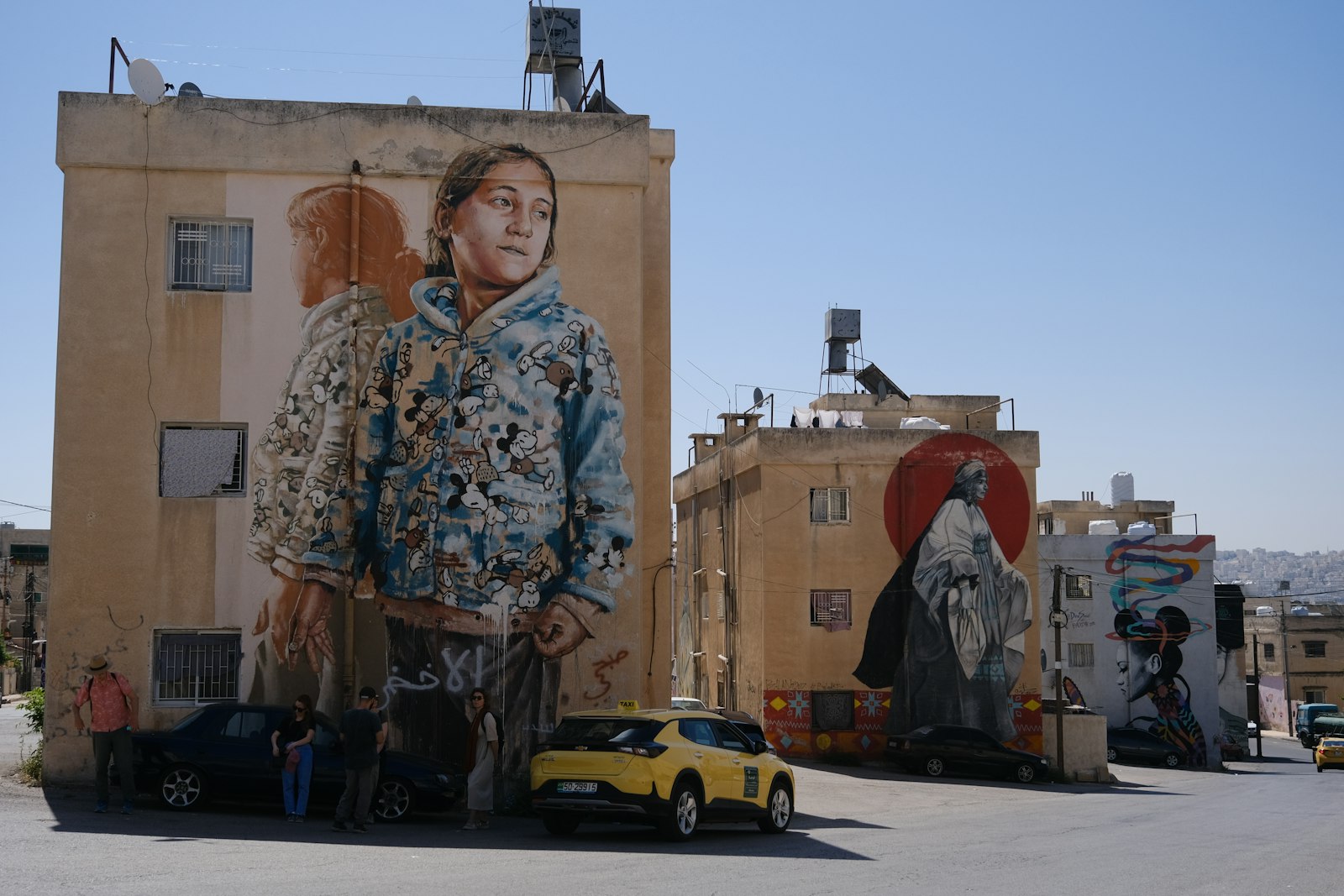
Yes. Egypt and Jordan are the two countries on this list where a 120-hour certificate is the main hiring filter at language centres and a Level 5 Diploma is a preference rather than a gate. A degree is still usually needed for the work permit in both, and required outright by international schools and universities.
Egypt’s private language centres in Cairo, Giza, Alexandria and New Cairo advertise roughly EGP 15,000 to 35,000 a month, about €240 to €565 at the Central Bank of Egypt’s euro rate of 4 November 2026, against a private sector minimum wage of EGP 7,000 a month in force since 1 March 2025; international schools pay far more and often partly in dollars. The employer arranges a Ministry of Labour work permit, then a residence permit, and foreign staff are generally capped at 10 per cent of a company’s workforce. Jordan’s centres in Amman, Irbid and Aqaba advertise about JOD 600 to 1,000 a month, about €760 to €1,265, against a minimum wage of JOD 290 in force since 1 January 2025, with international schools paying more and often adding housing. Neither country is an apostille member. Our guides to teaching English in Egypt and teaching English in Jordan carry the permit steps and the current safety notes for each.
Is a Level 5 TEFL Diploma worth it for the Middle East?
More than in any other region, yes. The Gulf is the market where the gap between a 120-hour certificate and a regulated Level 5 Diploma is widest, because the posts worth relocating for are school, university and corporate contracts, and those start at Level 5 and often ask for a teaching licence on top. A centre job on a 120-hour certificate is a sensible first year that builds local references, and it is also the bottom of the pay range.
Be wary of anyone who promises a fixed salary uplift. Gulf pay is set by the employer, the school tier and the package, and in Qatar and Kuwait by what the ministry will approve you to teach. What a longer qualification does reliably is get you through the approval and shortlisting stages that a short certificate cannot. Business English carries particular weight here, because aviation, banking, energy and public sector bodies buy English training in volume and the provider sells its trainers’ credentials. Our Specialist Course Bundle adds business English, IELTS preparation and young learners, which between them cover the corporate contracts and the foundation programmes where the region pays most.
Which Middle Eastern country is easiest to get a teaching job in with a TEFL certificate?
Jordan and Egypt are the easiest to enter, because their language centres hire on a 120-hour certificate and their permits do not require a teaching licence. For degree holders aiming at the Gulf, the UAE has the most jobs and the clearest licensing system, and Qatar the most predictable rules, as long as your degree subject matches what you want to teach.
Each country suits a different kind of teacher. The UAE rewards preparation: start your attestation before you start applying and an August start is realistic. Qatar rewards people with the right degree and a licence, and tends to frustrate everyone else. Kuwait, Oman and Bahrain suit licensed teachers who want a smaller, quieter market than Dubai. Jordan suits teachers who want a first Arab world contract, a large international community in Amman and a route into NGO and refugee education work. Egypt suits teachers who prioritise experience over savings and can live on local pay. Saudi Arabia, for now, suits nobody who takes government travel advice seriously, and we will update this guide when that advice changes. Our round up of the best cities to teach English in the Middle East compares the hubs, and the Visa Desk keeps the entry rules current.
How do you get your documents accepted by a Gulf employer?
You get them accepted by authenticating them the way the destination country requires, which is not the same across the region. Saudi Arabia, Oman and Bahrain are parties to the Hague Apostille Convention, so a single apostille from your home country is enough. The UAE, Qatar, Kuwait, Egypt and Jordan are not, so your degree and police certificate go through your own foreign ministry, the destination’s embassy and then its foreign ministry after you arrive. You can confirm each country’s status on the Hague Conference’s status table, last updated 30 June 2026.
Your TEFL certificate is checked too, and in the Gulf it is checked closely. A regulated qualification can be looked up on the Ofqual register, which is why a Level 5 Diploma travels well in a market where HR departments and ministries verify every document. Keep the original, a certified copy and the certificate number together, ask your employer early whether the TEFL certificate needs attestation as well as the degree, and expect primary source verification of qualifications in Kuwait and Bahrain. Our explainer on accredited TEFL certification sets out how to verify us before you pay.
Ready to get TEFL qualified for the Middle East?
Start with the qualification Gulf employers can check. The TEFL Institute Group is Europe’s largest TEFL trainer by teachers certified, with 161,000 teachers certified since 2017 who have gone on to teach in 80 countries, and every certificate carries a number an employer or a ministry can verify. If you want the strongest file for school, university and corporate contracts in the Gulf, the Level 5 Diploma is the one to choose.
Get TEFL qualified for the Middle East
Last updated: 6 November 2026. Pay figures are approximate, not quotes, and visa, licensing and travel advice change. Always confirm the current requirements with your employer, the official source and your government’s travel advice before you apply.
Ola Flynn
Head of Marketing at The TEFL Institute Group. Ola runs our webinars and information sessions, loves travel and sharing interns’ stories, and joined our interns in Thailand for orientation.
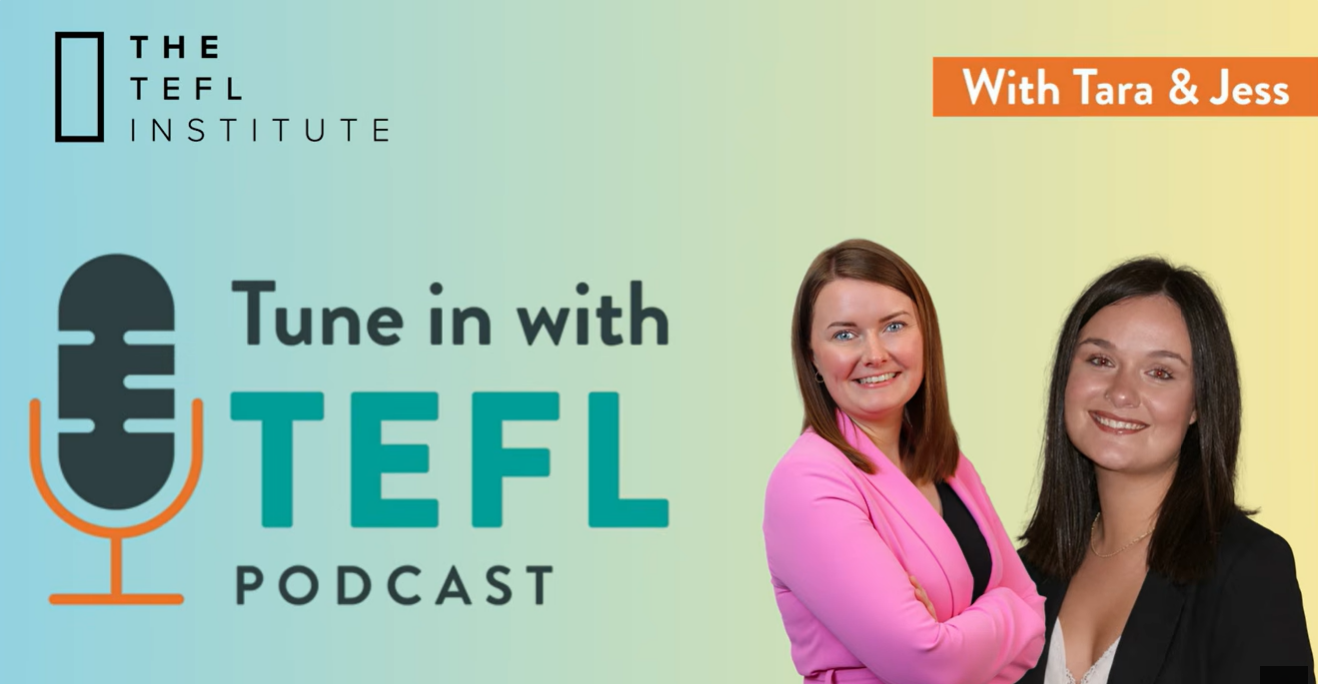
Tara and Jess talk through different TEFL and EFL topics, from finding work abroad to life in the classroom.
FAQs
Questions students ask us
An Ofqual-regulated Level 5 TEFL Diploma held with a bachelor’s degree. Every Gulf state ties the work visa to an attested degree, and school posts also need ministry approval or a teaching licence, so a regulated qualification an employer can verify matters more here than anywhere else. A 120-hour certificate with a degree is enough for language centres.
Not in the Gulf. The UAE, Saudi Arabia, Qatar, Kuwait, Oman and Bahrain all require an attested bachelor’s degree for the work visa, and no TEFL certificate replaces it. Egypt and Jordan are more flexible at private language centres, but a degree is still usually needed for the work permit and always for schools and universities.
For school posts, yes in practice. The UAE requires a licence from its Teachers Licensing System, Qatar’s Ministry of Education approves each teacher against the subject of their degree, and Kuwait, Oman and Bahrain require Ministry of Education approval that normally expects a PGCE, QTS or equivalent. Language centres and corporate training do not need the licence.
It depends on the country. When we checked on 6 November 2026 the UK FCDO advised against all but essential travel to Saudi Arabia, against travel near Jordan’s Syrian border and to parts of Egypt, and carried a regional disruption warning on every Gulf page. Read your government’s current advice for your destination before you accept a contract and keep it under review.
Only some. Saudi Arabia, Oman and Bahrain are parties to the Hague Apostille Convention, so a single apostille is enough. The UAE, Qatar, Kuwait, Egypt and Jordan are not, so your degree and police certificate go through your own foreign ministry, the destination’s embassy and its foreign ministry after arrival, which can take four to ten weeks.
Advertised Gulf pay is tax free and runs about AED 8,000 to 12,000 a month at UAE language centres and AED 12,000 to 22,000 or more at international schools, SAR 8,000 to 20,000 in Saudi Arabia and QAR 6,000 to 18,000 in Qatar, usually with housing or an allowance. Egypt’s centres pay roughly EGP 15,000 to 35,000 and Jordan’s JOD 600 to 1,000. Figures are approximate, checked in October 2026.